Toyota GR GT3 Nears FIA Homologation After SUPER GT Debut
- Cargo
- Electric Vehicles
- Shipped
- Shipper
- Jamie Klein
- Readers
- 376
Toyota is working toward FIA approval for the GR GT3 after its Motegi debut exposed a sensor issue and supported further development.
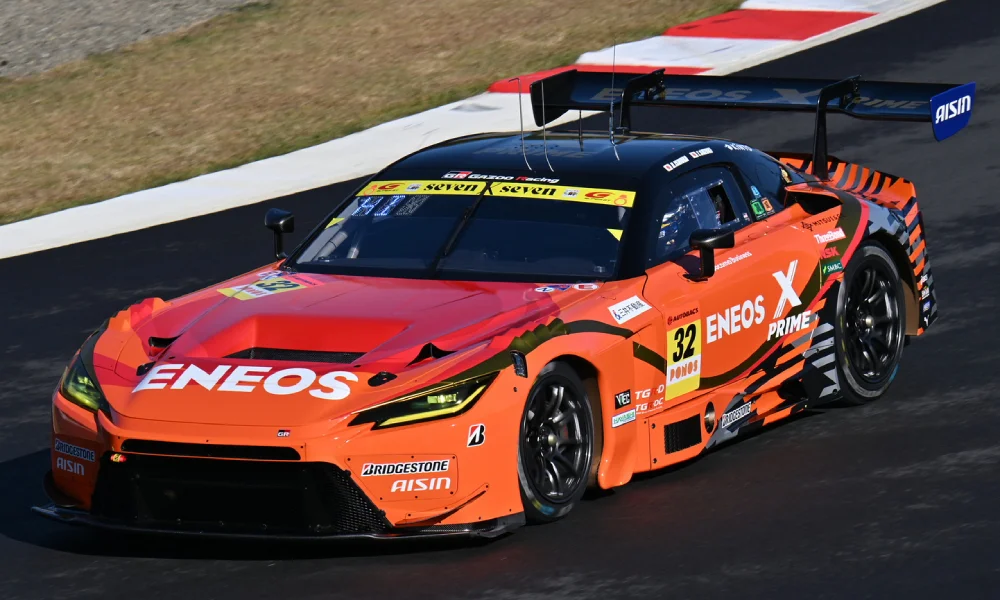
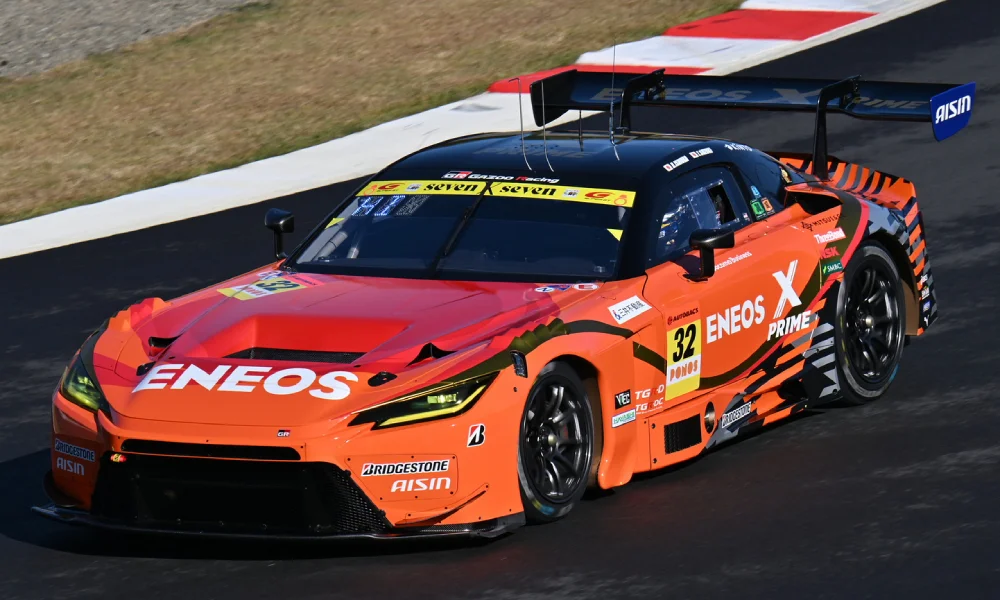
Photo: SUPER GT
Toyota’s GR GT3 has moved from development running to competition, and the next milestone is FIA homologation. The car made its first race appearance in concept form at SUPER GT’s Motegi finale, giving Toyota and Rookie Racing a chance to examine the package in race conditions before a broader rollout planned for next year.
The Motegi results were modest: Hiroaki Ishiura and Tokiya Suzuki finished 19th in the first GT300 race and 24th in the second, which included multiple penalties. The GR GT3 could not score points because it had not yet received homologation. Toyota’s stated priority was to find issues and assess the car, rather than pursue a result during a weekend with a championship battle underway.
Motegi served as a development check
Toyota global motorsport director Masaya Kaji said the event was chosen because Japan had been the main base for the car’s development and Rookie Racing was equipped to operate it. The team’s familiarity with the project made Motegi a practical place to test the car under competitive conditions.
One issue surfaced during Friday practice. Toyota lost some top speed because a sensor had been incorrectly correlated, Kaji said. The problem illustrates the kind of detail a first race can expose: track running can reveal mismatches between a sensor reading and the data teams use to understand how the car is performing. Finding and correcting those issues is part of preparing a new GT3 model for customer teams and different series.
Kaji described the GR GT3’s performance level as acceptable for the purpose of the outing. Toyota was not trying to run at maximum pace, he said, given the title contest taking place. The event also created an opportunity to run a tire test on the Monday after the second race, extending the value of the trip beyond the two races themselves.
Homologation is the immediate milestone
Toyota is still working through the homologation process. Kaji said it appeared to be progressing well and that approval could arrive in the near future, though he did not give a specific date. The next target is likely to have the car approved in time for an IMSA-sanctioned test at Daytona International Speedway on Dec. 10-11.
That timing matters because homologation affects where the GR GT3 can run and whether it can take part in formal competition. At Motegi, special permission from series organizer GTA allowed the unapproved car to compete, but it remained ineligible for points. Approval would clear an important step toward broader testing and the car’s expected racing program next year.
Several series could shape the rollout
Toyota has not disclosed how many GR GT3s it will produce for the first full season. The car has tested extensively on the Nordschleife this year, in preparation for a probable Nürburgring 24 effort, and has also run at Sebring in recent days. Those tests point toward plans that could span both endurance racing and GT championships, though the final schedule and car allocation remain unsettled.
A WeatherTech Championship program appears to be under consideration, while Akkodis ASP team boss Jerome Policand has reiterated his team’s aim to race the car in the FIA World Endurance Championship next year. Each series would bring a different operating environment and set of demands, so testing at venues such as Daytona, Sebring and the Nordschleife gives Toyota useful preparation across a range of circuits.
Japanese teams may also account for a larger share of the initial allocation than first expected. Following Rookie Racing, K-tunes Racing is a likely candidate among Toyota-affiliated GT300 teams. The Okayama Toyopet-owned outfit has run the Lexus RC F GT3 since its first season in 2018 and has said it wants to move to the GR GT3 as soon as possible.
Apr has also been linked to a possible GR GT3 entry in Super Taikyu. Its existing two-car GT300 program with the LC500h and GR86 GT is expected to continue unchanged, so any additional participation would sit alongside that program. For buyers and teams watching the launch, the unresolved questions are how many cars Toyota will supply, which series will get them first, and when homologation will be complete.
Toyota’s GT lineup remains in transition
The GR GT3 is set to become Toyota’s new flagship GT3 model, while the company is expected to keep racing the GR Supra in SUPER GT’s top GT500 class next season. That continuation comes even though production of the equivalent road car has ended. The two programs point to different timelines: the GR Supra remains part of Toyota’s near-term GT500 plan, while the GR GT3 is still completing the steps needed for a wider racing debut.
For now, Motegi has given Toyota its first competition data and a clear technical issue to address. Homologation will determine how quickly the project can move from limited development outings toward a multi-series program and wider availability to racing teams.