Igor Fraga Takes GT500 Rookie Lessons Into SUPER GT’s Bridgestone Era
- Cargo
- Electric Vehicles
- Shipped
- Shipper
- Jamie Klein
- Readers
- 848
After a difficult GT500 debut with Nakajima Racing, Fraga says he feels better prepared for next season’s switch to Bridgestone tires.
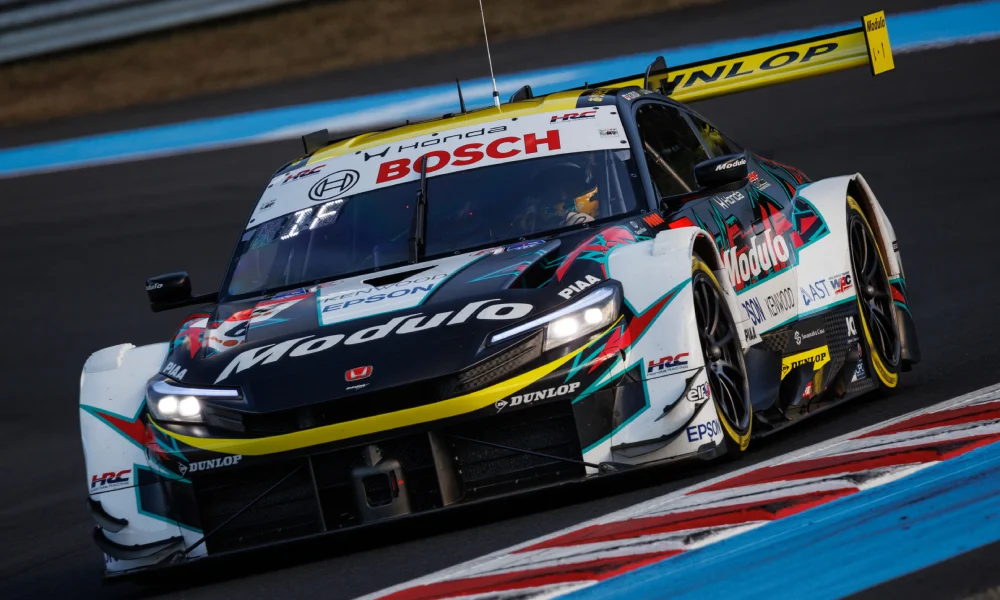
Photo: SUPER GT
Igor Fraga’s first SUPER GT season in the GT500 class brought a podium, three consecutive pole positions and a steep introduction to the series’ top division. It also ended with Nakajima Racing and Dunlop still looking for a win. Fraga says the difficult year has left him better prepared for next season, when the class moves to a single tire supplier and he expects to race on Bridgestone rubber.
A podium amid a difficult season
Fraga joined Nakajima Racing after stepping up from GT300, sharing the No. 64 Honda HRC Prelude-GT with Riki Okusa. The car was the only one in GT500 using Dunlop tires. The pair finished 13th among 14 crews in the championship, with their second place in the first race of the Motegi double-header standing as their best result and only top-ten finish of the year.
That podium came after a run of three straight poles, but qualifying pace proved hard to turn into race results. The team also took pole at Sugo and Autopolis without converting either start into a strong finish. Safety car periods affected those races, while the No. 64 crew’s wider season showed how much race pace and tire behavior could shape the outcome after a promising qualifying session.
At Motegi, Fraga and Okusa started the final race from the front row but finished 12th. The result was a frustrating close to Nakajima Racing’s 22-year Dunlop relationship, especially after the team had come close to delivering a victory in its final season on the tires.
“It was not the end to the season we were expecting,” Fraga said. He expected Sunday to be harder after the success weight used earlier in the season was removed, but the car lacked the pace it had shown on Saturday, even in similar conditions.
Tire behavior shaped the Motegi finale
Fraga described a pattern that made the second race particularly difficult: the car tended to be more competitive early in a stint, then lose pace as more rubber accumulated on the track. He said the added rubber also worsened pickup, affecting how the Dunlop tires performed. With two races run on successive days, the change in track conditions had a pronounced effect on the team’s performance.
That account offers a useful clue to the gap between the team’s one-off podium and its wider results. A strong first stint or qualifying lap could put the Honda in a promising position, but maintaining that pace as conditions changed was another challenge. Fraga said the team and Dunlop had worked hard, and that reaching the podium was still a positive result, even though they had hoped to give the tire maker a win in its final year.
Dunlop Japan motorsport department manager Yoshi Yasuda pointed to possible thermal degradation as a factor in the finale. He said the team’s front-row start reflected the work put into tire development, while the race showed that the performance problems had not been fully resolved. His comments underline the tradeoff the team faced: a qualifying result could demonstrate the tires’ potential, yet the race stint demanded consistency under changing track conditions.
Experience carries into the next tire era
Fraga said the start of the season was especially difficult as he adapted to GT500. The middle of the year added further complications: he was involved in a major start-line crash at Fuji in August and stayed in hospital overnight, then received a penalty for contact in the following race at Suzuka. By the closing rounds, he felt he had adjusted more effectively to the car and to sharing the track with GT300 entries.
After the Motegi finale, Fraga sampled Bridgestone tires for the first time in a test. He said he now feels more prepared for next year’s tire change, though his comments stop short of confirming his seat. He described the outlook as positive, citing his Super Formula results, and said he hoped to remain with Nakajima Racing.
That experience matters because next season will remove the supplier choice that framed the No. 64 crew’s campaign. Fraga’s first year has given him a clearer sense of how the GT500 car responds across a race and how tire performance can shift as the circuit evolves. How quickly he and the team adapt to Bridgestone will be one of the practical questions to watch early in the new season.
The transition also marks a personal change for Takuya Izawa, whom Fraga replaced in the lineup. Izawa moved into the team director role after driving for Nakajima Racing from 2020 through 2025. He said the squad’s qualifying pace improved from midseason, but the races repeatedly failed to match that promise. He welcomed the podium at Motegi while regretting that the final race brought no comparable result.
Izawa also reflected on his own time working with Dunlop, saying he had enjoyed the relationship and hoped for another opportunity to work with the company. Yasuda, meanwhile, credited Nakajima Racing for helping Dunlop sustain its tire development work over 22 years. For the team, the next measure is whether the experience gained in a demanding final Dunlop season can translate into more consistent race results with Bridgestone.