Nissan Z NISMO GT500: Aero Lessons Took Nearly a Season to Pay Off
- Cargo
- Electric Vehicles
- Shipped
- Shipper
- Jamie Klein
- Readers
- 812
Nissan’s revised Z NISMO aero package finally delivered a win at Motegi, but qualifying pace and the prospect of a fourth GT500 car remain open questions.
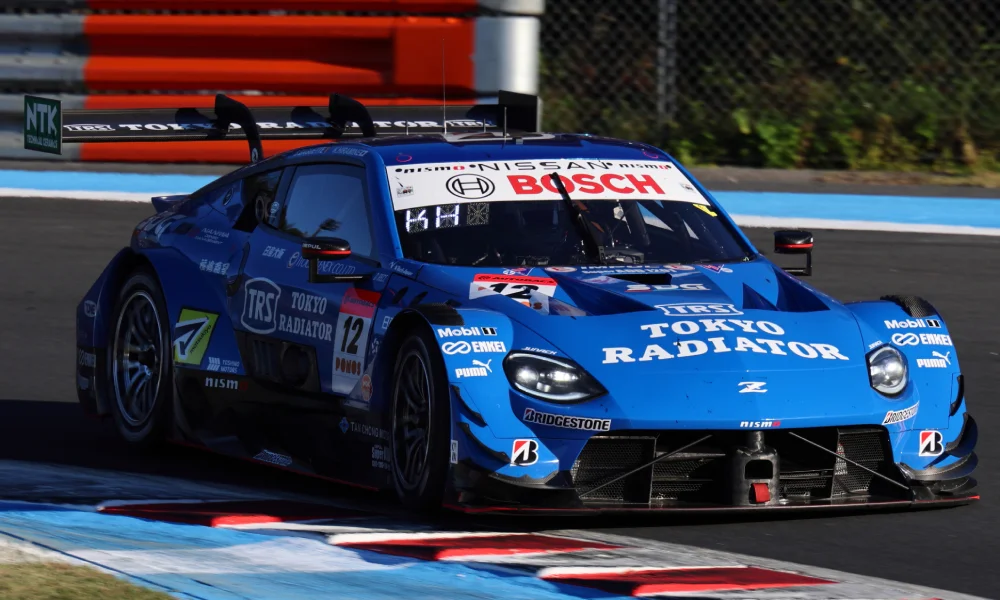
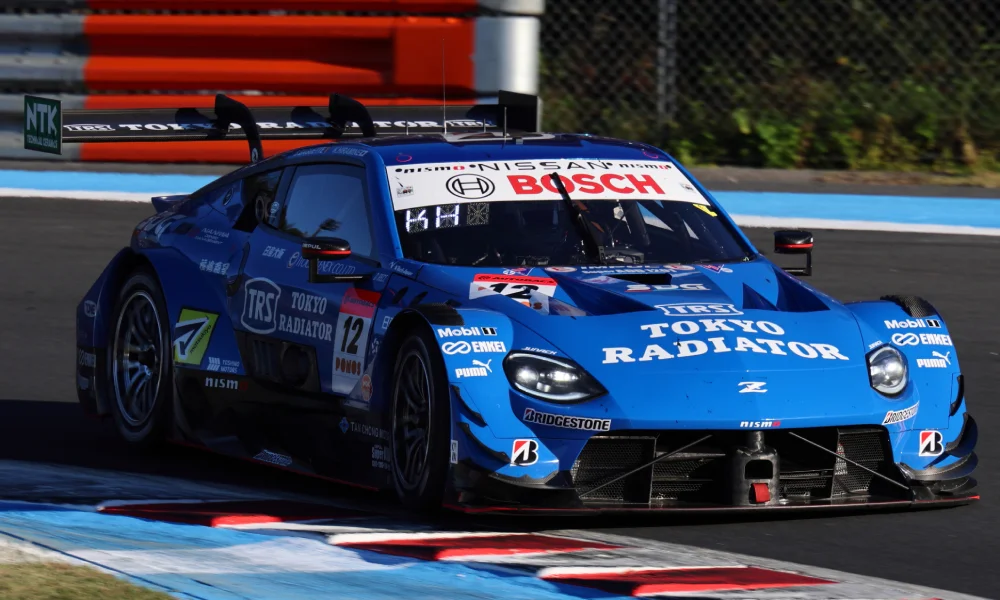
Nissan’s late-season Motegi victory kept its GT500 win streak from ending, but the result also exposed how long the team needed to make its revised Z NISMO aero package work. The manufacturer found a useful set-up direction only around September’s Sugo round, leaving much of the season spent learning how to extract pace from the car.
Bertrand Baguette and Kazuki Hiramine won the first race of the season-ending double-header for Team Impul. It was Nissan’s first victory since the previous year’s Sugo round and prevented its first winless GT500 season since 2002. Before the Motegi result, Nissan’s three entries had not finished higher than third, despite the year opening with back-to-back wins for Toyota’s GR Supra. Honda’s new HRC Prelude-GT challenger ultimately set the pace late in the campaign.
Aero changes took time to translate into speed
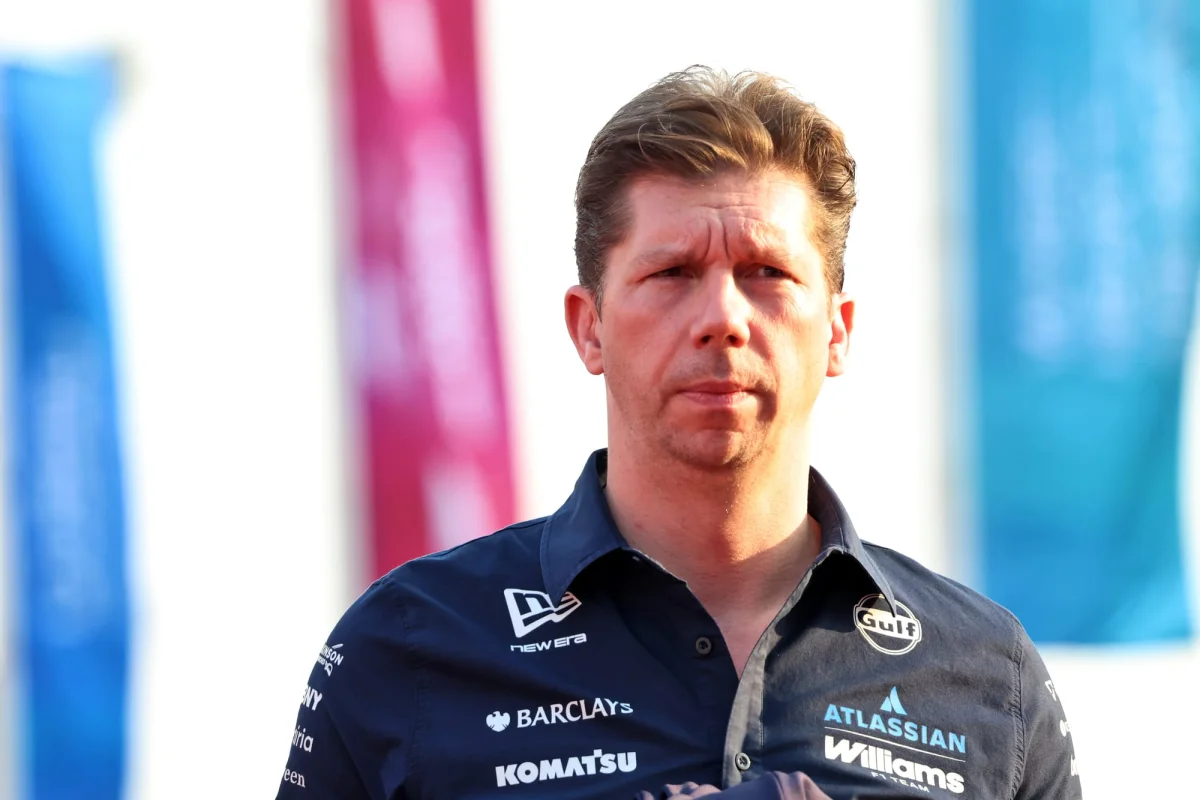
Nissan substantially revised the Z NISMO’s aerodynamic concept after the aero freeze was lifted for this season. The change gave the team scope to reshape the package, but it also left Nissan with a car whose behavior its crews had to understand again. NMC senior vice-president Shinichi Kiga said the team did not feel it had identified the right direction until Sugo.
“The thing that changed this year was the aero package because the aero freeze lifted, but we ended up with a package we couldn’t get the most out of,” Kiga told Sportscar365. He said it took “half a year, almost a full year” to get the car working with the new aero.
Kiga believes the No. 12 Impul car might have won at Autopolis, where a poorly timed safety car worked against it. By Sugo, though, the team had a clearer idea of how to set up the car. That understanding did not spread equally across Nissan’s three entries. Kiga said the No. 23 NISMO and No. 24 Kondo Racing crews were more hesitant to move away from established set-ups, shaped by their previous experience and their drivers’ preferences.
That difference matters in a category where a revised aerodynamic platform can call for changes to the car’s broader set-up. A team may find pace through one approach, but translating it across multiple crews depends on their willingness to test new settings and on how each driver responds. Nissan’s task for next season will be to carry the Impul car’s progress across the other entries.
Race pace improved; qualifying remains the weak point
The Motegi win offered evidence that Nissan’s race pace had improved, but it did not settle the question of its one-lap speed. In the final Motegi race, with success ballast removed across the field, Nissan’s fastest qualifier started seventh. Kiga said the car remains difficult to exploit in qualifying when it is light on fuel and running low ride height: under those conditions, it can become “quite ‘peaky’” and bounce significantly.
That distinction gives Nissan a clear development priority. Stronger long-run pace can put a car in contention over a race distance, but a difficult qualifying balance makes it harder to start near the front and control the race from there. The aero freeze returns next season, so Nissan won’t be developing a fresh aerodynamic concept. Kiga said the focus will shift to areas the team can still change, including improving one-lap performance and making the successful Impul set-up work on all three cars.
Impul sees potential, with execution still a concern
Baguette said Impul could have challenged for a top-three championship finish if it had avoided several costly setbacks. The team suffered a gearbox failure at Sugo and an accident at the start of the August Fuji round. He also pointed to the final races as evidence that the No. 12 was beginning to make better use of the revised aero.
“If you look at the last two races at Autopolis and Sugo, we started to understand the car more,” Baguette said. He added that the team had been fast in the races at Fuji, while Suzuka was the one event where it lacked pace.
His comparison of the field is cautious: Baguette said Honda appeared to move ahead after Round 2 at Fuji, while Nissan had drawn closer to Toyota. Whether that progress is enough to challenge Honda remains unclear. For Nissan, the immediate test is to combine the improved race pace with cleaner weekends and better qualifying, rather than relying on a late-season breakthrough.
A fourth Nissan entry is still uncertain
Nissan reduced its GT500 presence from four cars last year to three this season, dropping the No. 3 NISMO entry amid financial difficulties at the company. GTA chairman Masaaki Bandoh has said he expects Nissan to return to four cars, or possibly add a fifth, in the near future. Kiga played down any expectation of an expanded line-up in 2027.
“If you look at the financial situation of our parent company, I think they will continue to be strict with us,” Kiga said, adding that the situation had improved since last year but that any spare budget for motorsport was a separate question. Nissan was still negotiating its plans.
Kiga credited Impul’s win and Nissan’s GT300 title with the GT-R NISMO GT3, but offered no firm timetable for adding a GT500 car. The next season will show whether Nissan can turn the Impul set-up into a repeatable approach across its current three-car team; any expansion will depend on resources the company has yet to commit.