Williams and Alpine Cost Cap Findings: Penalties and What the 2025 Breaches Mean
- Cargo
- Electric Vehicles
- Shipped
- Shipper
- Samarth Kanal
- Readers
- 766
Williams faces a fine and reduced testing time after a minor overspend; Alpine must pay a fine for reporting errors. All five engine makers complied.
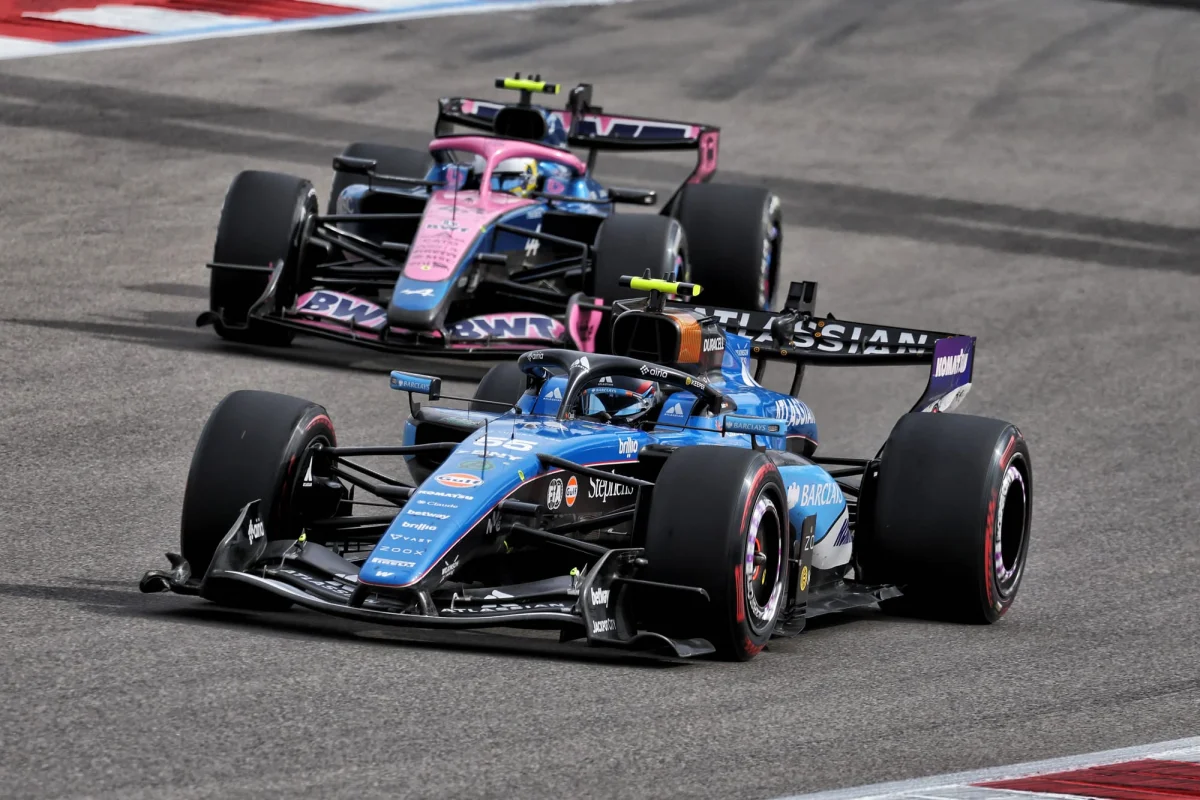
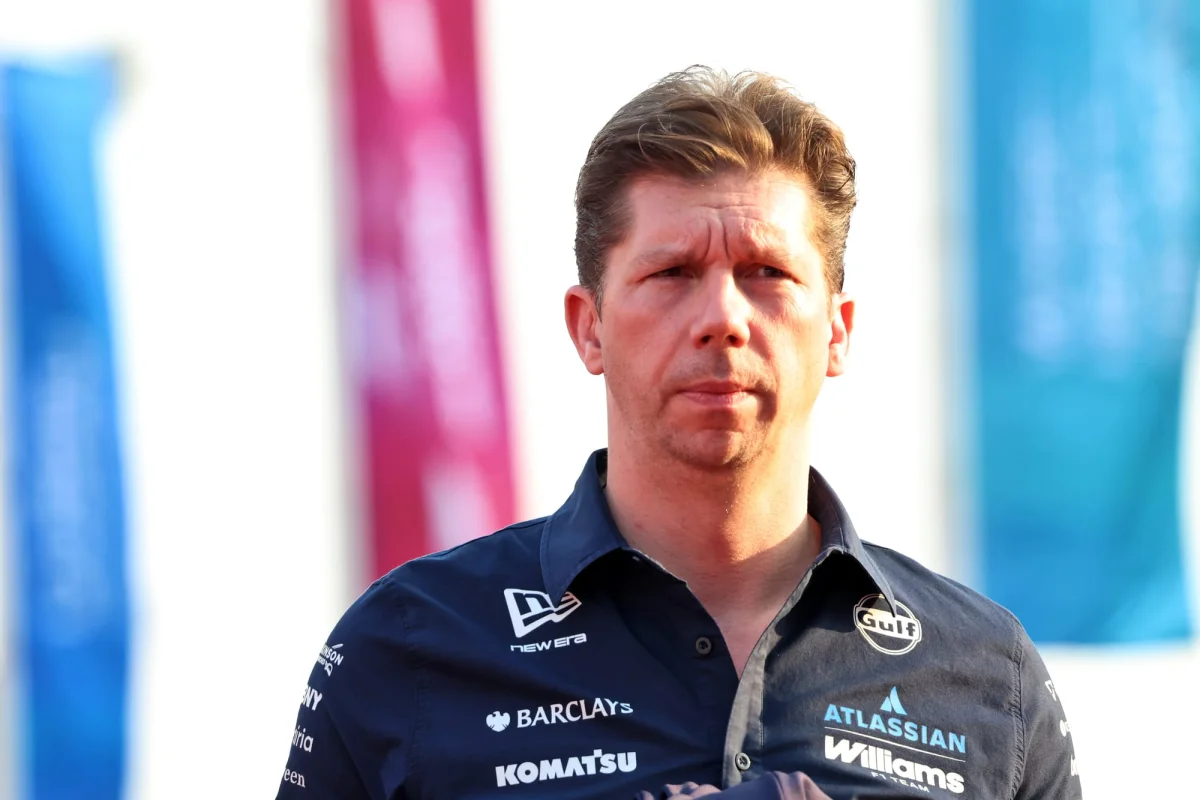
Williams and Alpine have both been found in breach of Formula 1’s 2025 cost cap requirements, but the findings differ sharply in scope. Williams exceeded the team spending limit by £627,000, or 0.48%, and faces both a financial penalty and a reduction in testing time. Alpine’s case concerns reporting procedures alone, with no overspend identified in the findings described here.
The distinction matters. Williams’ errors in reporting led to costs being excluded or adjusted incorrectly, resulting in spending above the cap. Alpine’s inaccuracies concerned the treatment and reporting of costs, but the team was found to have committed a procedural breach only. Both teams were found to have acted in good faith and to have neither sought a breach nor gained an advantage from one.
For 2025, the cost cap was $135 million for teams and $130 million for engine manufacturers, with inflation added to those figures. The five power unit manufacturers were all found to have complied. The outcomes therefore concern two teams, with Williams receiving the more consequential sporting measure alongside its financial penalty.
Williams’ overspend and testing reduction
Williams’ overspend was classified as minor, a category defined as less than 5% of the applicable cap. The £627,000 excess amounted to 0.48% of the limit. The cost cap administration attributed the breach to a misinterpretation of the rules and inaccurate financial reports, rather than a deliberate effort to exceed the spending threshold.
The team’s explanation centers on administrative costs from changes to its company structure. Williams said it believed those expenses were outside the cap. After discussions with the FIA, it accepted the interpretation that they should have been counted. The team also said the FIA had recognized that it gained no sporting or financial advantage and had cooperated in good faith through the review.
Williams entered an accepted breach agreement, or ABA, on November 23. Under its terms, the team must pay a financial penalty within 30 days of the decision; interest is due if payment is late. The sporting consequence is a 1.5% reduction in both wind tunnel testing time and computational fluid dynamics (CFD) testing time for 12 months from execution of the agreement, through November 23, 2027.
That testing reduction gives the Williams finding a practical dimension beyond the fine. Wind tunnel and CFD work are tools teams use to develop and assess their cars, so a percentage cut restricts the time available for that work during the stated period. The source of the overspend was administrative, but the consequence reaches into a technical resource used by the team.
Williams said integrity was central to the team and that it could now close the case and focus on the future. It also reaffirmed its support for the cost cap, while recognizing that accurate enforcement depends on precise reporting. The team’s statement acknowledged the breach and said it had accepted the FIA’s interpretation of which costs belonged inside the cap.
Alpine’s reporting errors
Alpine’s breach was procedural and stemmed from inaccuracies in its 2025 reporting. The team accepted that its filings had excluded costs tied to marketing, non-Formula 1 activities, human resources and employee bonuses. It had also failed to make sufficient adjustments for tax credits or finance income, as well as inventory.
Those categories show why reporting can be consequential even when a case is not described as an overspend. Teams must identify which costs qualify for exclusion and make the required adjustments to reported figures. Alpine said the errors related to non-sporting and operational costs, and described the breach as unintentional. The cost cap administration likewise found that Alpine had cooperated in good faith and had not sought an advantage.
Alpine entered its ABA on November 11 and must pay a financial penalty by December 12. The finding described here includes no sporting penalty or reduction in testing time. In its November 25 statement, the team said it respected the cost cap administration’s findings and acknowledged that improvements were needed across the business.
Alpine also pointed to the complexity of the financial rules and the scope for different interpretations of some exclusions and adjustments. That observation does not change the findings: the team accepted that its reporting contained inaccuracies and agreed to resolve the matter through an ABA. The practical focus for Alpine is improving how costs are classified, adjusted and documented in future reporting.
What the findings leave in focus
These cases underline that the cap depends on careful cost treatment as well as adherence to a spending ceiling. Williams’ reporting mistakes produced a quantified overspend and a sporting consequence; Alpine’s reporting inaccuracies resulted in a procedural finding and a fine. For both teams, the stated absence of intent and advantage sits alongside an obligation to correct the process.
With all five power unit manufacturers compliant, the 2025 findings are limited to Williams and Alpine among the teams discussed. The next practical measure will be how each team applies the agreements: Williams must meet its payment deadline and operate under reduced testing time, while Alpine must pay by December 12 and address the reporting gaps it identified.