Polestar Formula 2030 Concept Previews Design for the 2 and 7
- Cargo
- Electric Vehicles
- Shipped
- Shipper
- William Martinez
- Readers
- 711
The Formula 2030 has no powertrain or production plan, but its styling previews the next Polestar 2 and 7. Its cabin puts physical controls back in focus.
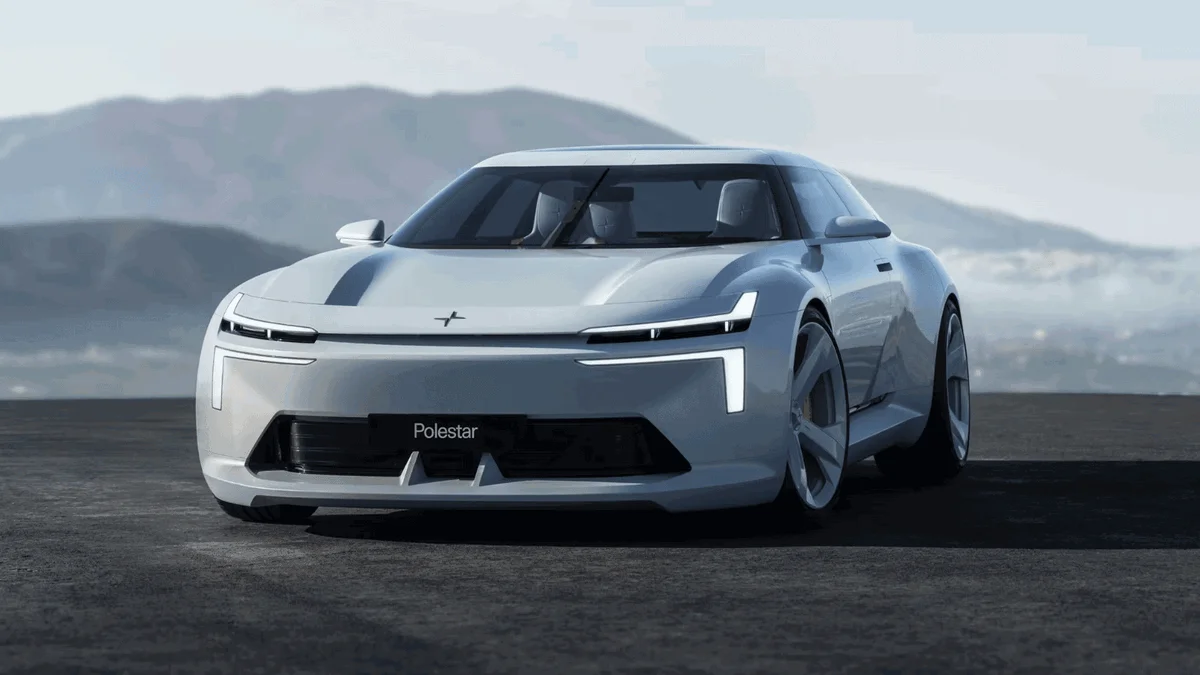
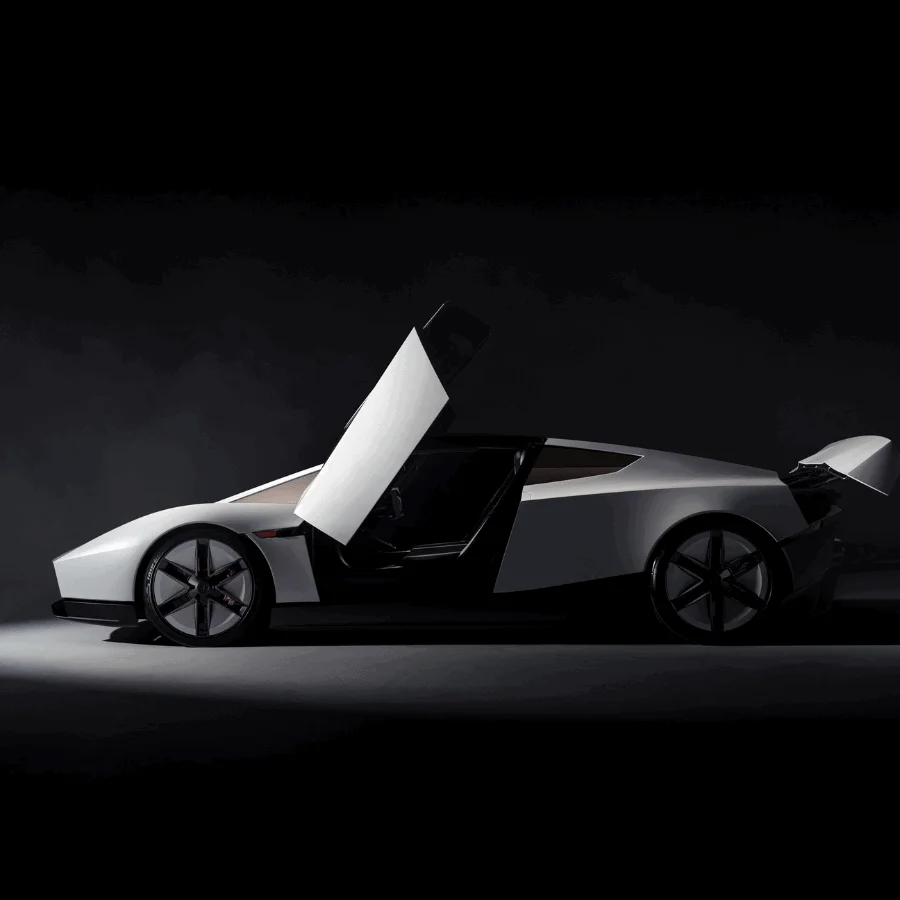
The Polestar Formula 2030 is best read as a design preview with a more immediate purpose than its name suggests. There’s no powertrain information and no production plan, yet the concept offers a clear look at styling cues intended for the next Polestar 2 and the Polestar 7. Its cabin also makes a pointed case for bringing physical controls back into modern EVs.
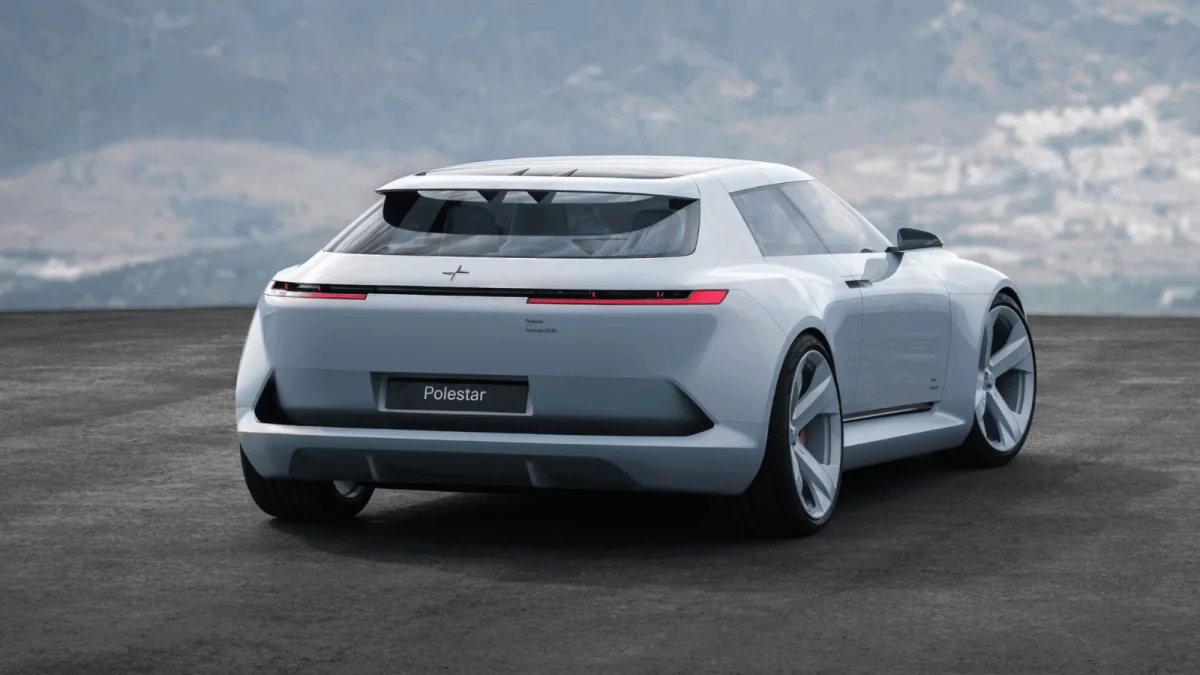
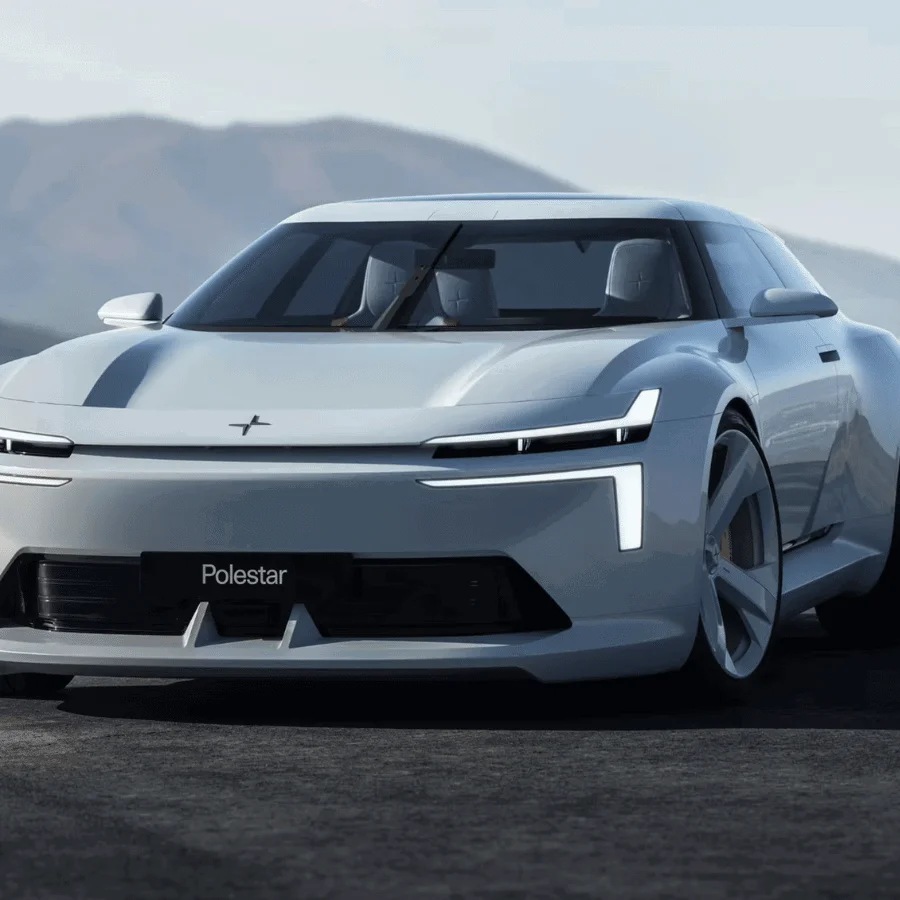
At 4,680mm long, 2,021mm wide and 1,350mm tall, the Formula 2030 sits between the current Polestar 2 and the upcoming 7 in overall length. Its proportions make it hard to file under one familiar body style: it has a low roof, broad stance, short overhangs, prominent wheel arches and 22-inch wheels. Polestar hasn’t supplied dimensions for comparison with rivals, but the concept’s unusual mix of height and width is clearly part of its appeal.
A design study with clues for future models
Polestar calls the car “the physical manifestation” of its Formula 2030 strategy. The phrase describes a design exercise, not a confirmed new model: the company hasn’t said that drivers will be able to buy the concept. Design boss Philipp Römers, who took the role in January 2025, led the project as his first concept for the brand.
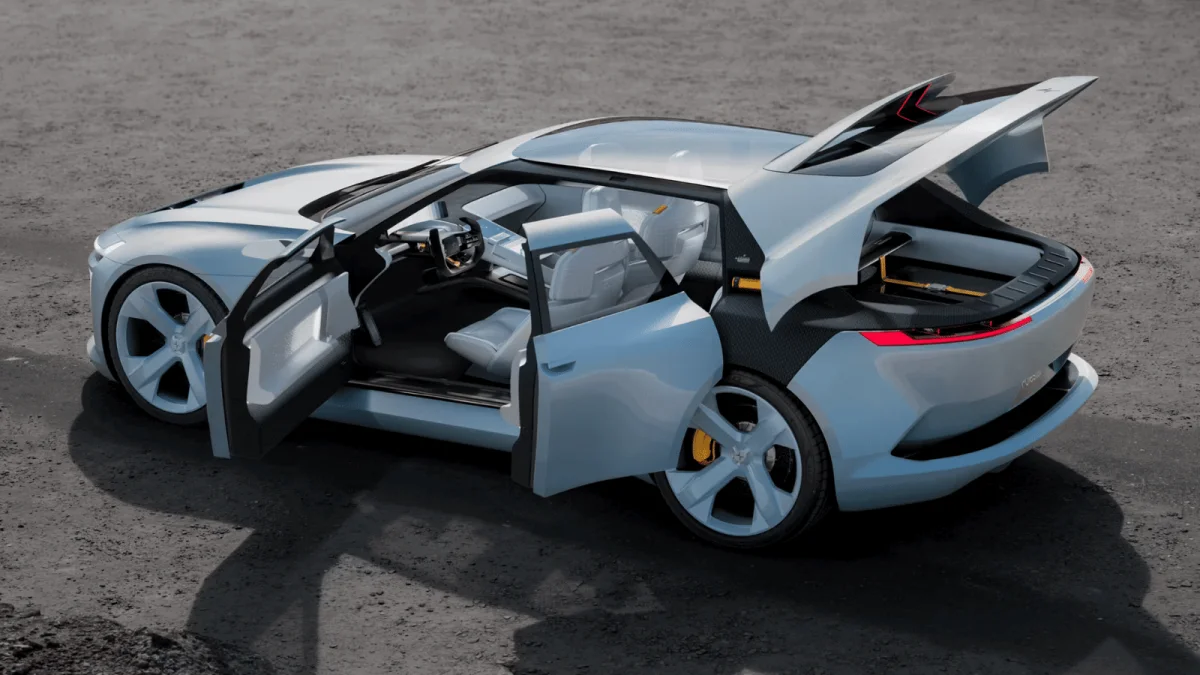
The front end points towards the next Polestar 2, due in 2027. It features Dual Blade headlights and a small wing ahead of the clamshell bonnet. At the rear, the concept replaces the familiar light bar with Single Blade lights. Polestar says this treatment, along with other details, should appear on the Polestar 7 in 2028.
That makes the Formula 2030 more useful as a preview than as a prospective purchase. Buyers considering those future models can look for these design elements, while anyone hoping for this exact car will have to wait for clearer signs of a production version. Römers says the concept could fit a current Geely group platform, but that possibility isn’t a commitment to build it.
Buttons take centre stage inside
The cabin may be the concept’s most relevant idea for everyday driving. Below a 12.2-inch central screen sits a panel with eight physical controls. Drivers can choose rocker switches or rotary controllers and assign their functions. That setup makes the control layout configurable while keeping the selected actions within reach, rather than placing everything behind a touchscreen.
A 20-inch display sits in front of the driver, mounted to the steering column. There’s no screen for the passenger, and the steering wheel has an open upper section. In Performance mode, the wheel and display move closer to the driver’s chest. The concept lists Normal, Performance and Autonomous as its drive modes, though Polestar hasn’t detailed what the latter mode does.
The layout raises practical questions that the concept’s specification doesn’t answer: which functions can be assigned to the eight controls, and how the moving wheel and display would work in a production cabin. For now, the clearest takeaway is that Polestar is exploring a more tactile alternative to a screen-led interior. Keeping frequently used controls physical could make the interface easier to operate without making the centre display irrelevant.

Performance hardware and sustainable materials
Polestar lists Öhlins dampers and Brembo brakes with Swedish Gold calipers among the concept’s hardware. All four seats have Swedish Gold harnesses and inflatable bolsters, while the frunk is sized to hold two helmets and a fire extinguisher. Those details give the car a track-focused character, but the company has shared no power, acceleration, battery, range or charging figures. There’s no basis yet for judging how it would perform against electric rivals.
The materials mix includes seat backs made from flax and bio-based polypropylene, plus a structure using Bcomp natural fibre composite in place of carbon. The exposed seat frame uses low-emission galvanised steel, and Polestar describes the doors as fully recyclable. These choices show what the concept is designed to demonstrate; without a production specification, their cost, repairability and real-world environmental impact remain unknown.
Timing gives the study added context. Polestar needs the Polestar 2’s replacement to carry the nameplate forward, while the Polestar 5 will test demand for a car priced above £100,000 and the Polestar 7 is aimed at the electric SUV market in 2028. The Formula 2030 doesn’t resolve how those models will drive, what they’ll cost or how far they’ll travel on a charge. It does suggest that their design may draw from a wider, lower and more overtly performance-led direction—and that physical cabin controls could be part of the plan.