Air Ride and a 500-Horse 383 Turn a 1962 Bel Air Into a Driver
- Cargo
- Electric Vehicles
- Shipped
- Shipper
- Jim Campisano
- Readers
- 977
A Lakeland, Florida, 1962 Bel Air with a fully built 383, Holley Sniper EFI and air suspension shows how far a bargain-bin full-size can travel.
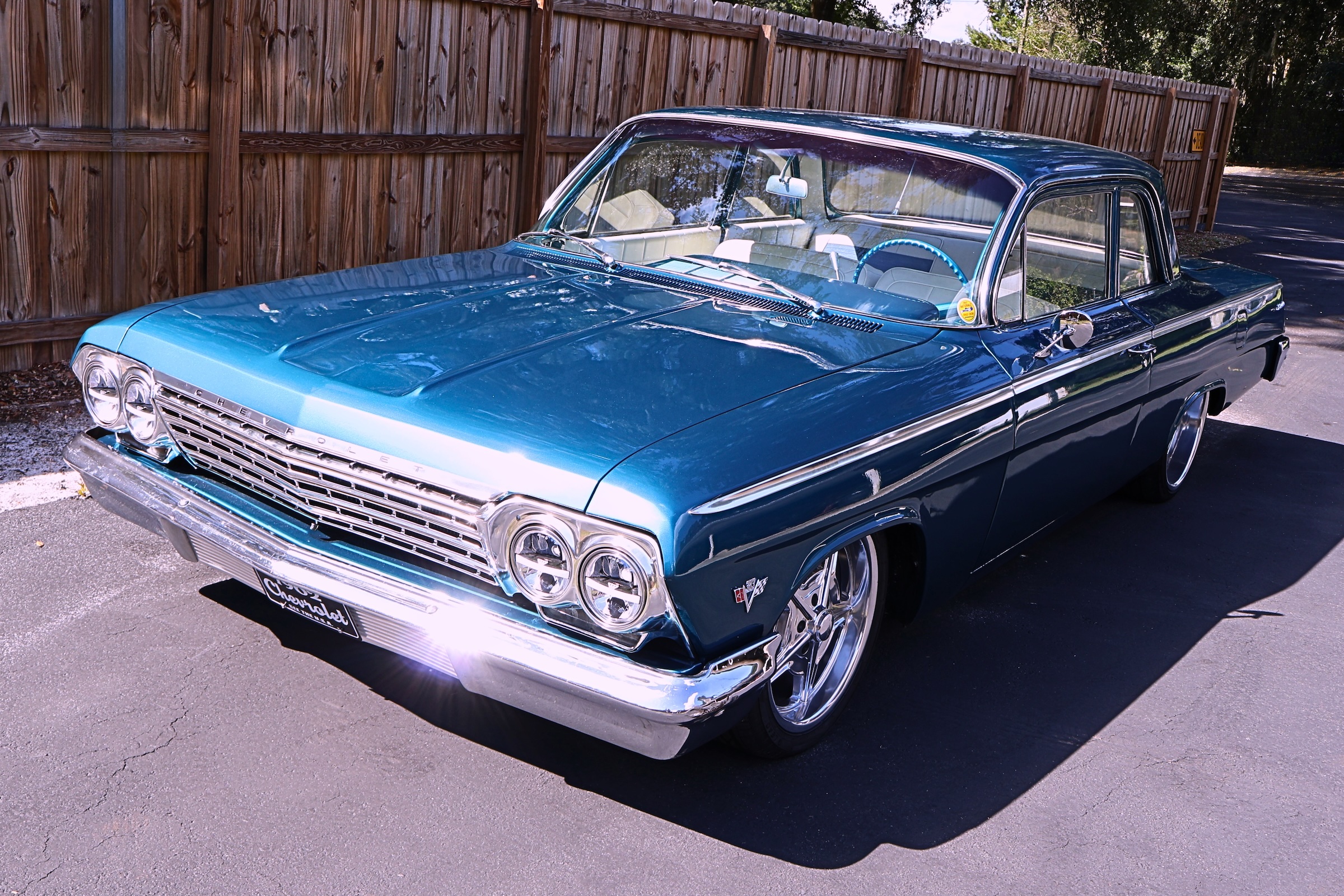
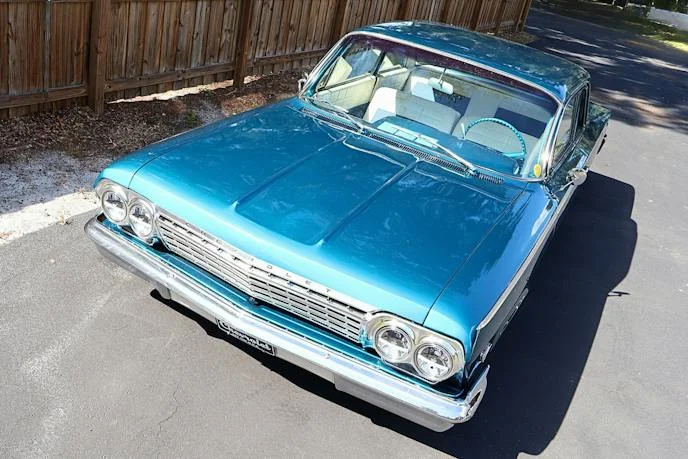
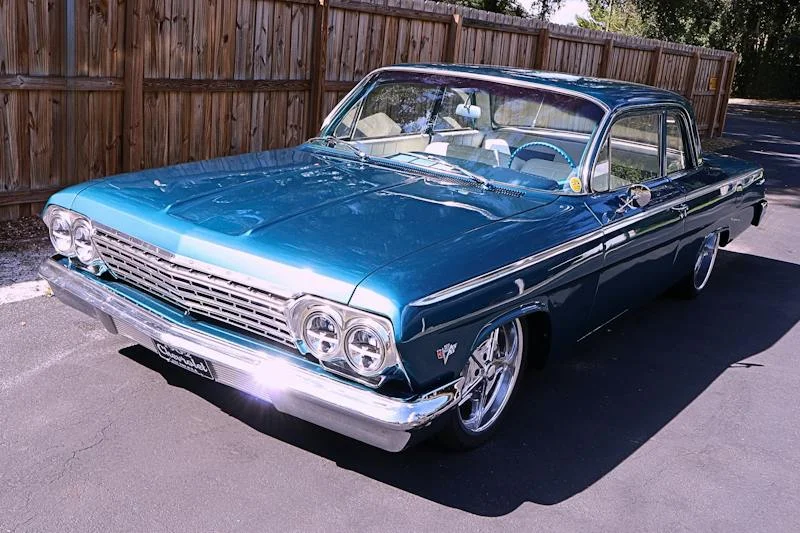
Most people shopping the 1962 Chevrolet full-size range would have looked at the Impala first. The Bel Air is the one that gets overlooked, and that's a mistake if you're hunting for a solid base for a build. Randy Harrison's car, now based in Lakeland, Florida, started life as basic transportation and now makes 500 horsepower on air ride. It's a useful reminder of how much a mid-range Chevy from that era can absorb.
Where the Bel Air Sat in the 1962 Lineup
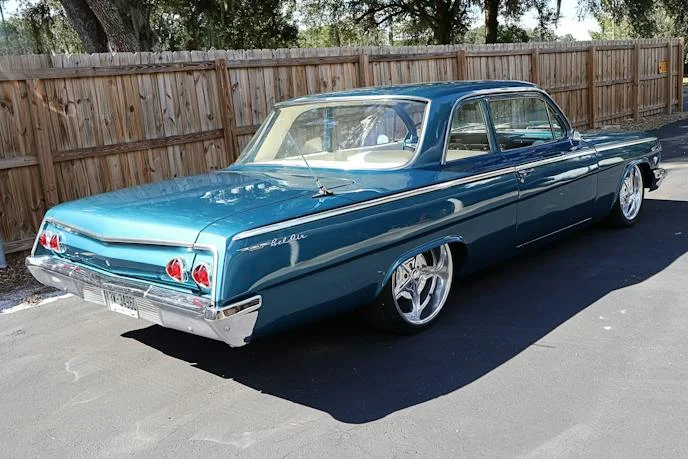
Chevrolet split its 1962 full-size cars into three tiers. The Impala sat at the top as the semi-sporty model, a nameplate that had been around since 1958. The Biscayne took the bottom spot and got its name from Biscayne Bay in Florida. The Bel Air landed in the middle, and the differences were easy to spot. A Biscayne came with a rubber floor mat, while the Bel Air brought carpeting and foam-padded front and rear seats. The Impala's extra taillight was the thing you paid for if you wanted to show off.
Pricing reflected that positioning. A 1962 Bel Air two-door sedan listed at $2,456. Choosing the two-barrel 283 V8, rated at 170 gross horsepower, brought the figure to $2,563. Those numbers look modest today, and they explain why Chevy moved so many of these cars. They also explain why drag racers took to them. A light body and good looks made the Bel Air a natural candidate for a big-block or a 409, and plenty of owners did exactly that.
The Engine Room Is Where the Money Went
The 170-horse 283 is a long way from what sits under this hood now. The car runs a Box Performance 383, and Randy didn't have to start from scratch. When he bought it, much of the heavy lifting had been completed with top-shelf components. The cylinder heads are PBM Strike Force 23-degree aluminum units with 200cc chambers and 2.20/1.60 valves. The camshaft is an Erson dual-pattern hydraulic unit, specified at 286/298 duration, .548-inch lift and a 112 LSA.
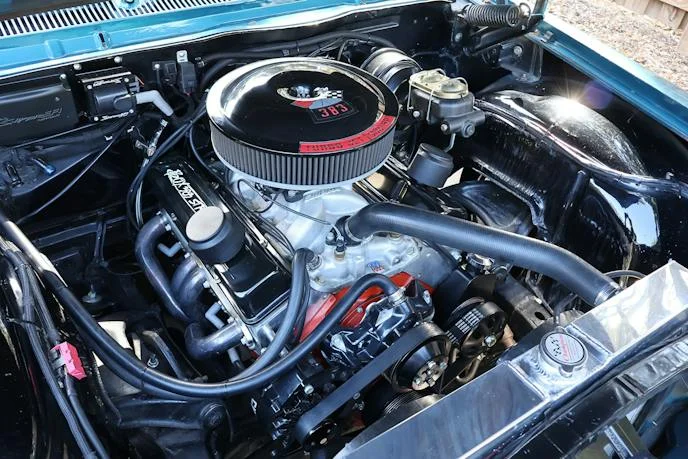
Up top, a Professional Products Crosswind aluminum intake feeds a Holley Sniper EFI throttle body, which lets the engine run more like a modern car than a 1962 one. Inside the block, a SCAT cast lightweight crankshaft spins hypereutectic pistons on I-beam rods. Compression is 10.0:1, which the builder describes as friendly to 93-octane fuel. A Melling high-pressure oil pump keeps oil moving through the bottom end. The result is a stated 500 horsepower, nearly three times the output of the car's original two-barrel setup.
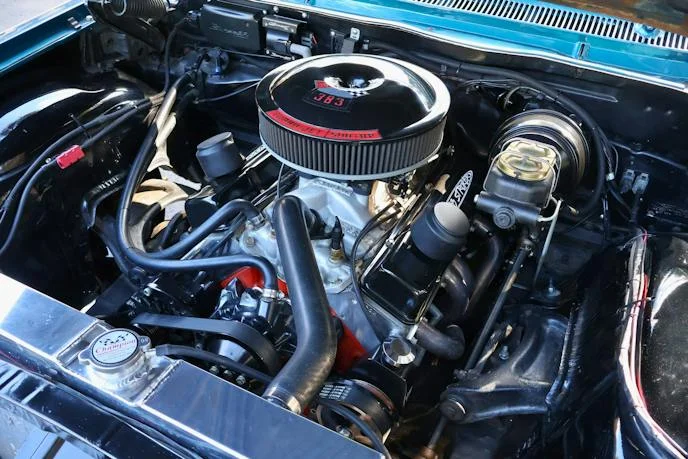
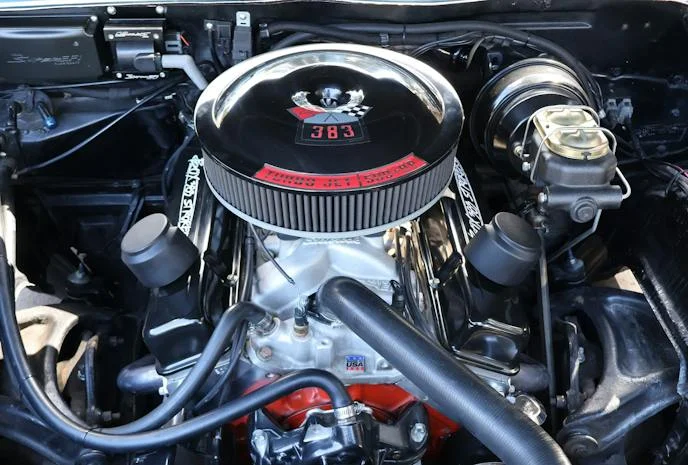
Cooling is handled by a Champion radiator, which matters in Florida heat, along with a CVF Racing serpentine setup that tidies up the front of the engine. The power goes through a column-shifted Turbo 350 automatic with a 3,000-stall Hughes converter. Lokar linkage handles the gear selection at the column. That's an unusual combination for a car this focused on performance, and it's the kind of detail that makes a build livable day to day.
Inside: Old Shape, New Guts
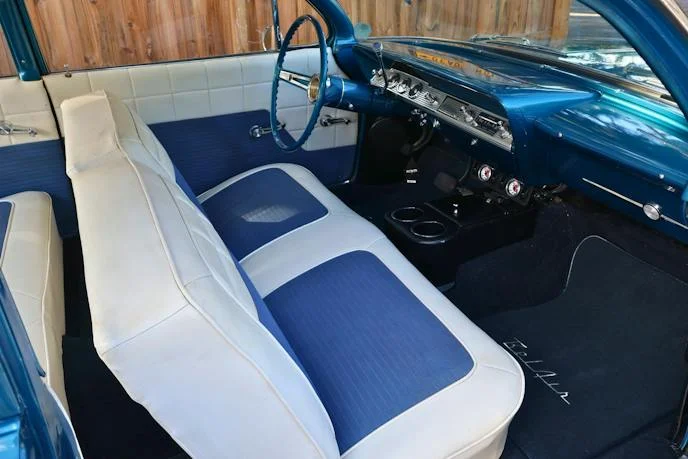
The cabin keeps its 1962 character while hiding a lot of modern hardware. Custom blue and white stitched bench seats and door panels replace the original trim. The instrument cluster still looks factory at a glance, but it houses Dakota Digital RTX gauges that light up when the key goes on. The key-off appearance is plain, which is the point. Randy didn't want the car to look like a restomod from across the parking lot.
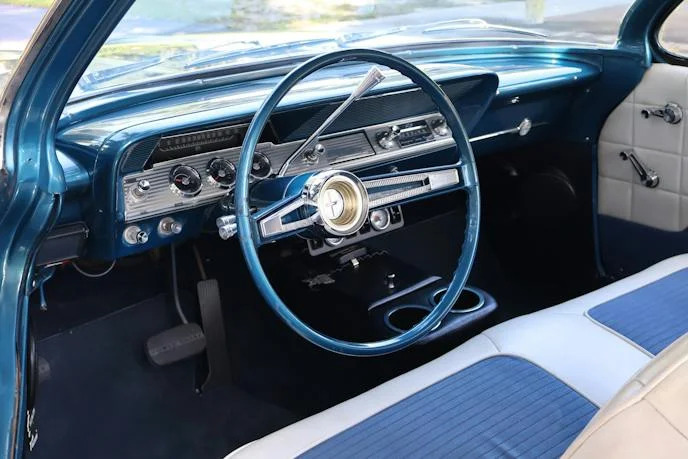


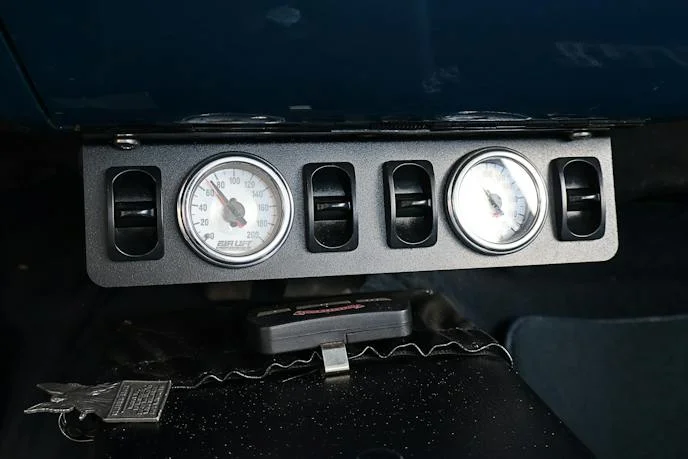
The air ride controls sit under the dash, and the ididit tilt steering column adds adjustability that a 1962 wheel never offered. The factory steering wheel is still on the shopping list, though. Randy is looking for a stock-appearing replacement, since the original is, in his words, simply huge. Climate control is the next job. He plans to fit Vintage Air, which is a sensible move for a car that will spend a lot of time in Florida humidity.
Stance, Lights and Rolling Hardware
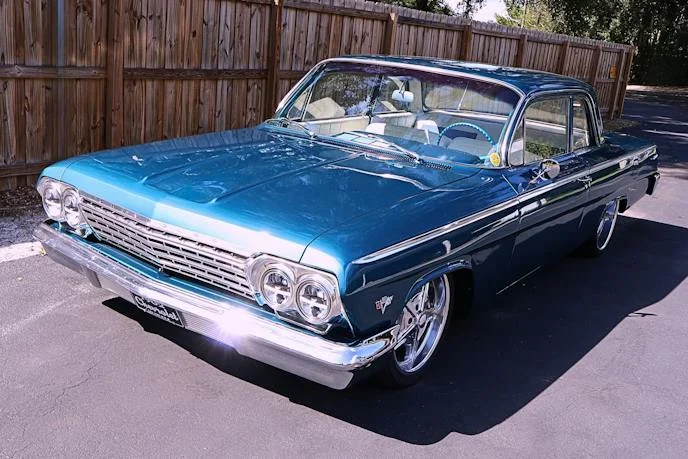
The exterior is where the build tips toward modern. The paint is deep and metallic, and it shows off the body lines in a way that rewards a close look. LED headlights replace the original units, and the bar running across the middle of them doubles as daytime running lights. Better night illumination is the stated reason for the swap, and the look is hard to argue with.
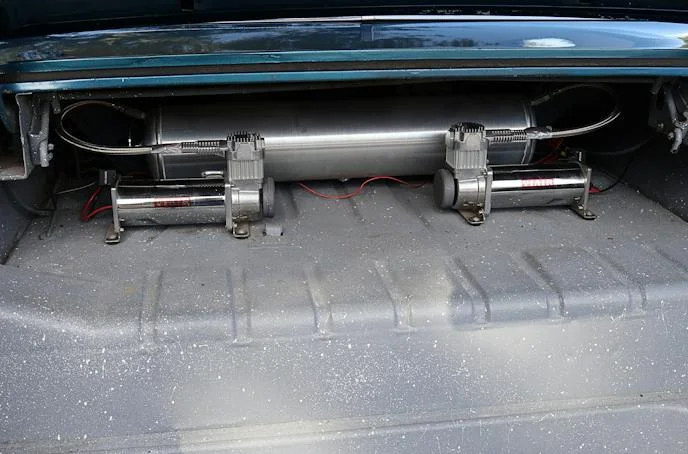
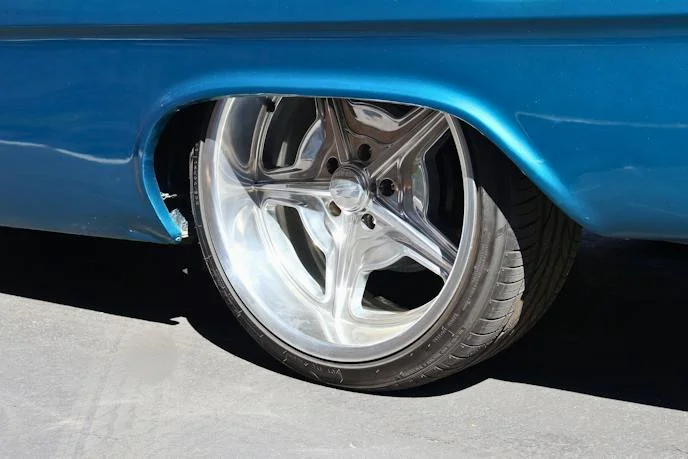
The air suspension lets the car ride low and then glide down the road without fuss. The wheels are Billet Specialties units, 20s at the rear and 18s up front. The tires match that setup: Leao Lion Sport 255/35R20s in back and 245/40R18s at the front. That staggered fitment fills the arches and gives the car a planted look without losing the classic silhouette.


What This Build Says About the Bel Air
Here's the thing: the Bel Air was never meant to be exotic. Its job was to be affordable and roomy, and it seated a family of six without strain. That's still the core appeal. Randy's car has moved far from that brief, but the bones that made it attractive to Chevy buyers in 1962 are the same bones that make it a strong platform for a 500-horse street machine.
My read is that the most useful part of this build for other owners is the balance. The engine is serious, but the car still starts, runs and fits a modern suspension and driveline without losing its identity. The unfinished items, like the stock-looking wheel and the climate system, show a builder still working through the details rather than chasing a finished showpiece. If you're looking at a 1962 Bel Air as a project, that's a reasonable model to follow.