Tesla Cybertruck Line Has About Eight Months Left, and Some Deposits Will Go Back
- Cargo
- Electric Vehicles
- Shipped
- Shipper
- [email protected] (Andy Kalmowitz)
- Readers
- 884
Tesla plans to end Cybertruck production in mid-2027 and expects to refund some deposits, with Musk pointing to Cybercab capacity as the reason.
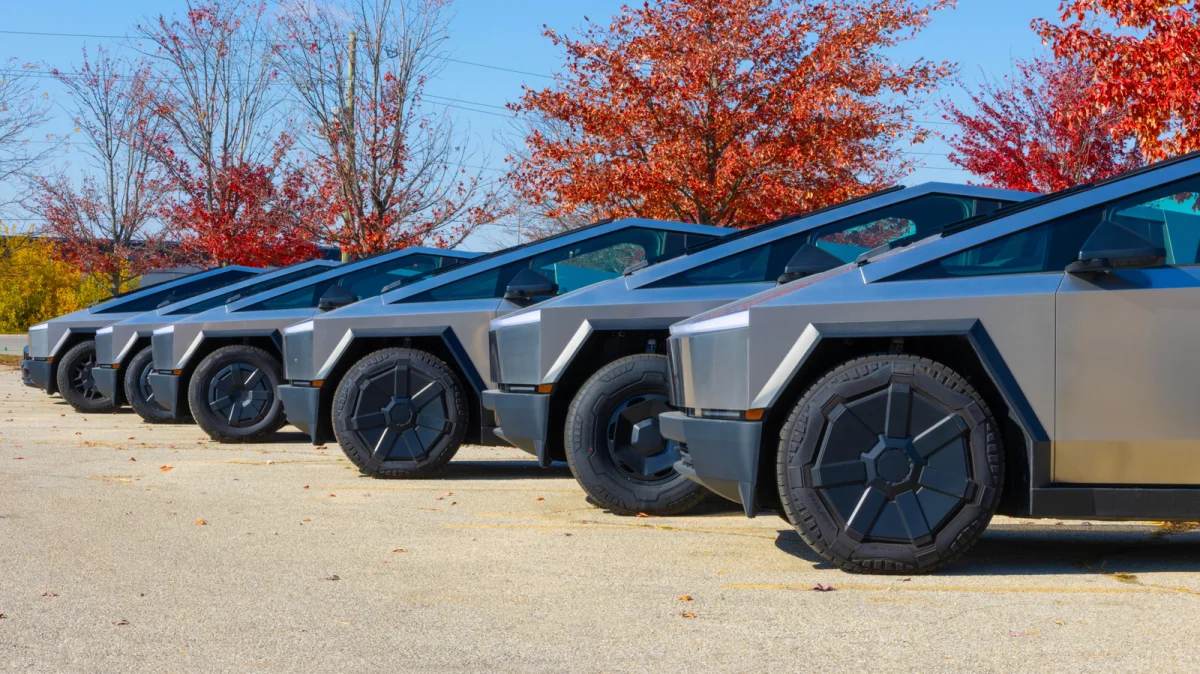
Tesla's Cybertruck is heading for the end of its production run, and the timeline is shorter than most buyers probably expected. Elon Musk says the line will shut down in about eight months, which puts the final builds in mid-2027. What makes the announcement odd is the reason he gave: he says demand is strong enough that Tesla will have to return deposits to a lot of customers before the line closes.
That's a hard combination to square. Orders reportedly outpace production, yet the truck is being discontinued. Musk's explanation, posted on X, is that the company will add an extra production shift to work through outstanding orders before dismantling the line. Tesla will try to build as many trucks as it can in the remaining months, and anyone whose order doesn't make the cut will get their deposit back.
The sales math doesn't match the hype
Musk once said Tesla would build a quarter-million Cybertrucks a year. According to figures from GoodCarBadCar, the company has sold 63,369 Cybertrucks in total through September. That's a long way from the original target, and it's the number that makes the "order rate far exceeds our production rate" claim hard to take at face value without more detail on how many orders are open and how many deposits are involved.
Deposits are the piece to watch. A refund program of any size means Tesla is holding customer money against trucks it may not build, and the company hasn't said how many buyers are affected or how quickly refunds will move. If you're one of those buyers, the practical question is whether your order sits in the group that gets a truck before the line stops or the group that gets a check.
Profitability isn't the reason, Musk says
The Cybertruck order rate far exceeds our production rate. We will try to make as many as possible before shutting down the line in about 8 months, but will have to return deposits for a lot of people.
This is not a case of Cybertruck being unprofitable, as has been misreported...
— Elon Musk (@elonmusk), November 9, 2026
Musk has pushed back on the idea that the truck is being cut because it loses money. He argues the decision comes down to opportunity cost. In his telling, the value of building more Cybercab robotaxis outweighs the complexity of keeping a second, very different vehicle running on the same resources. That's a plausible internal logic for a company that wants factory space and engineering attention focused on one product, but Tesla hasn't released production cost data that would let outsiders test the claim.
The Cybercab is the centerpiece of that argument. Musk says Tesla needs the capacity and resources for mass production of the robotaxi. Autonomous vehicles of this kind demand a different kind of manufacturing discipline than a conventional pickup, so the trade-off is easier to understand when you look at it as a bet on where Tesla thinks its next volume product will come from.
What's left in Tesla's lineup
Here's the thing: if the Cybertruck goes, the rest of the lineup becomes more important to the company's sales story. Tesla builds and sells a large number of vehicles, and the Model 3 and Model Y carry most of that weight. The Cybertruck never became one of the company's volume successes, so its exit doesn't threaten the core business in the way a loss of either sedan or crossover would.
That said, the lineup is thinner than it used to be. If the Cybertruck ends in 2027 and the Model 3 and Model Y remain the only mass-market vehicles, Tesla's near-term product story relies heavily on two aging designs and on the Cybercab arriving on schedule. The Semi has seen murky production progress, and the Roadster has been promised for years without a production car to show for it. Anyone planning around those vehicles should wait for hard delivery dates before counting on them.
What to watch next
My read is that the next eight months will show whether Tesla's order claims hold up. If the extra shift produces a visible jump in deliveries, that supports the idea of real demand. If deliveries stay flat while refunds grow, the cancellation looks more like a strategic exit than a supply problem.
For prospective buyers, the Cybertruck is now a vehicle with a known end date. Anyone considering one should check the status of their order and ask directly about deposit terms. For enthusiasts and industry watchers, the bigger signal is the pivot itself. Tesla is choosing to concentrate its manufacturing on autonomous vehicles while keeping its mainstream sedan and crossover running, and whether the Cybercab can carry that weight is the question that matters most.