Reader Road Trips That Went Badly Wrong
- Cargo
- Electric Vehicles
- Shipped
- Shipper
- [email protected] (Ryan Erik King)
- Readers
- 919
Reader stories of blizzard detours, mismatched tires, sweltering cabins and dead chargers show where long drives tend to fall apart.
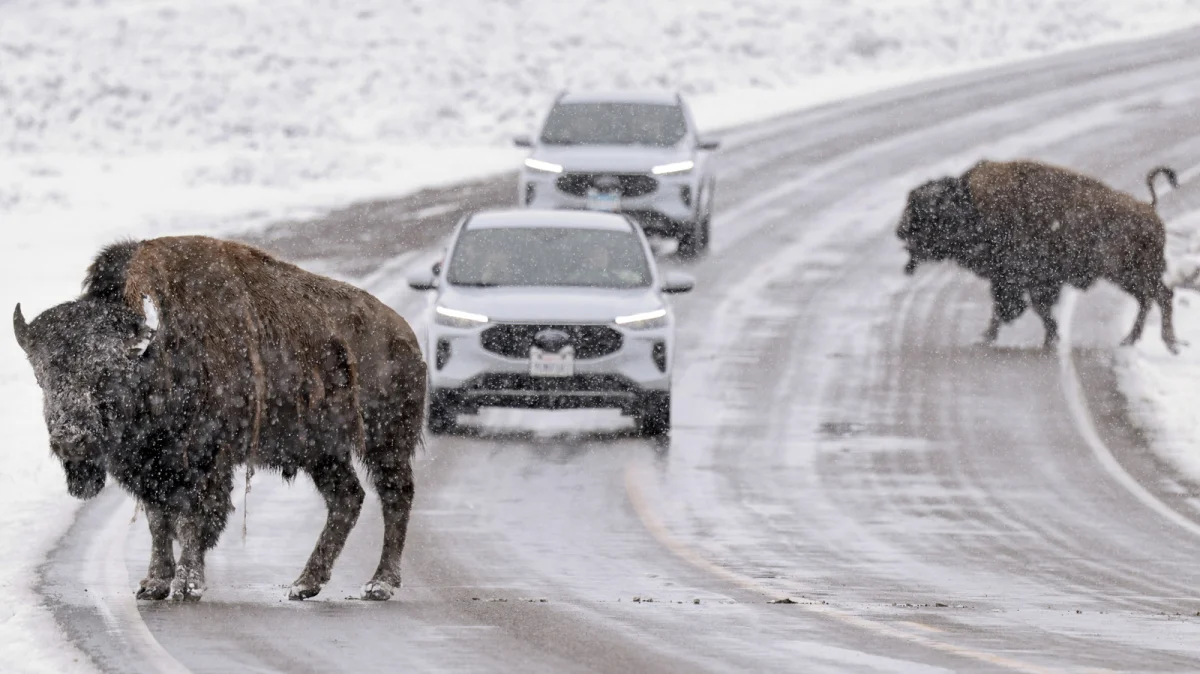
Most road trips blur into good memories, but a few stick for the wrong reasons. Readers were recently asked to share the worst drive they'd ever taken, and the answers ranged from frustrating to frankly bizarre. The common thread isn't bad luck so much as the way a trip unravels when weather, mechanical quirks, bad planning and cramped quarters all pile up at once.
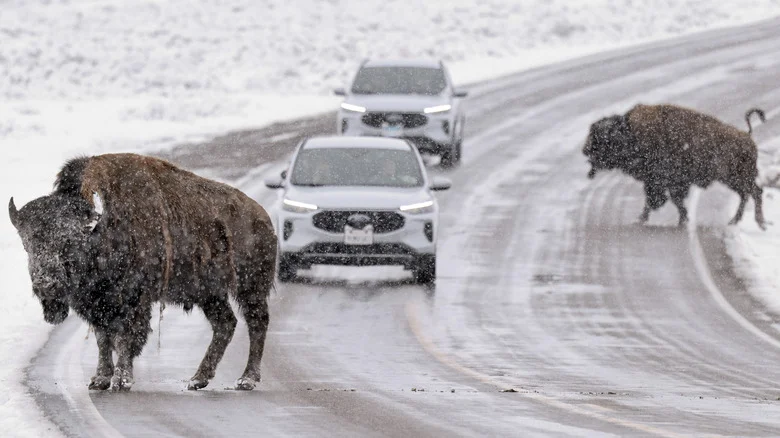
Driving through a blizzard for nothing
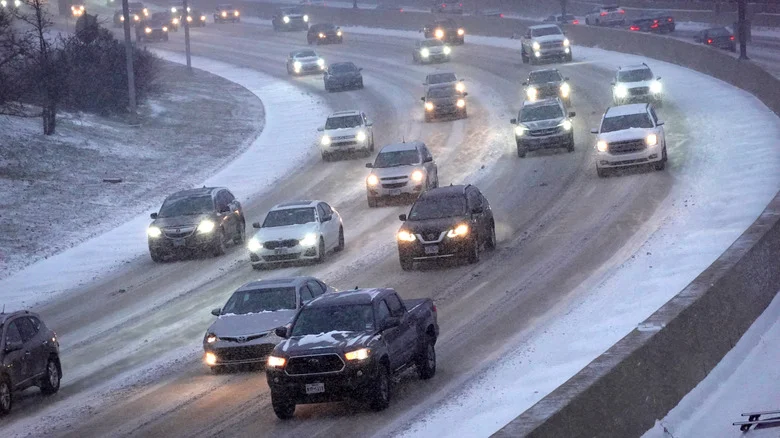
One reader remembers a pickup run to Chicago Midway Airport around the turn of the century to collect a stepdaughter returning from the holidays. A blizzard hit the morning they were due to leave, and the family set out early anyway. A two-hour trip stretched to four. Just as they reached their exit, the airline news came through: the flight had been canceled.
So they turned around. The return leg took six hours at roughly 30 mph, in darkness, with snow filling the windshield. The driver kept spotting cars spinning out ahead that weren't actually there. Three miles from home the car lodged in the middle of the road, and a couple in a 4x4 stopped to give them a push. The car then got stuck again in the driveway, which was a problem for the next morning.
Anyone who has tried to coax a sedan through deep snow will recognize the pattern. The real danger in winter driving often comes from the decision to go at all, made before the conditions have been checked.
Snowmobile tracks lead somewhere unexpected
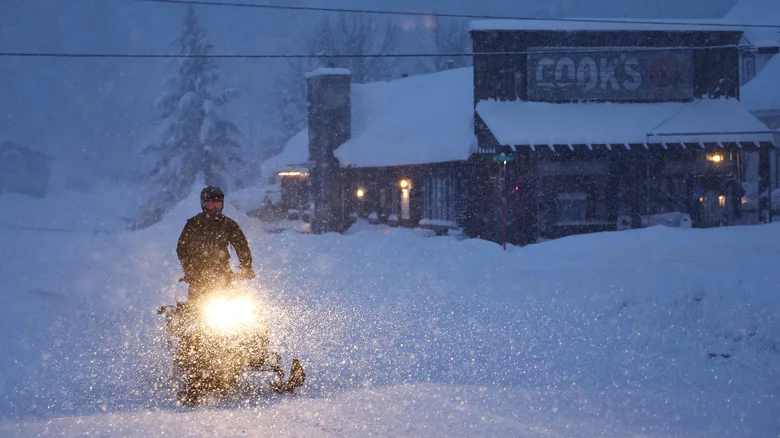
A Vermont ski weekend offered a lighter version of the same mistake. A reader and his girlfriend set out for a candlelit dinner in a town about ten miles away. Some roads had been plowed and some hadn't, but the car had four-wheel drive, and fresh tracks in the snow looked like a reasonable guide. As the snow deepened on a hill, it dawned on him that the tracks belonged to snowmobiles.
His solution was a careful multi-point turn on a narrow, snowy road and a slow coast back down. They ended up with pizza near their lodging. It's a small story, but it shows how four-wheel drive can give a false sense of security when the road itself is the thing you can't read.
A pothole, a blown tire pair and a warranty fight
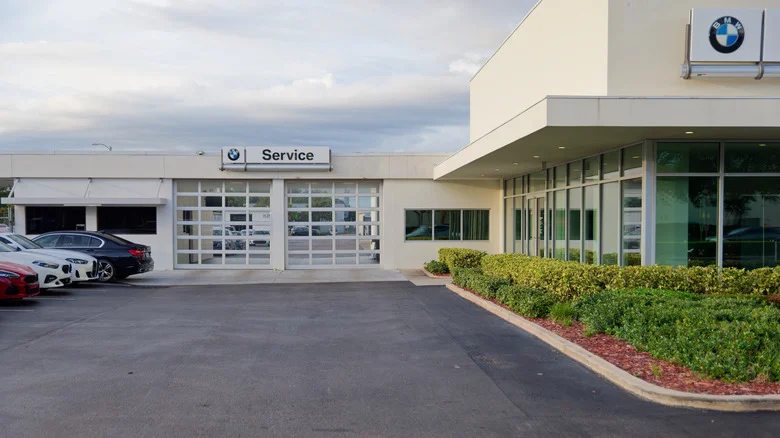
Around 2017, a reader was driving a certified pre-owned BMW with run-flat tires, roughly 20,000 miles on the odometer, from Connecticut toward Virginia. Near the Pennsylvania line in New Jersey, the car hit a large pothole in heavy rain at 5 a.m. Two passenger-side tires blew. A dealer in Pennsylvania about 20 miles away agreed to look at the car once it opened, and the service manager said the remaining tires were new enough that replacing only the two damaged ones would be fine.
Three months later the front differential failed, with a $6,700 estimate attached. After some back and forth with BMW corporate, the warranty claim went through once the reader produced the dealer's service paperwork recommending the two-tire replacement. The repair, though, was a fix rather than a full replacement, and the differential failed again shortly after the warranty expired. The owner traded the car in for a Honda Accord.
The takeaway the reader offers is blunt: be wary of all-wheel-drive cars with unknown tire histories. A trusted independent mechanic told them that tires on these systems generally need replacing in sets of four unless the remaining ones are very fresh, and that even a small difference in tread depth can strain the drivetrain. It's a point worth checking before buying any AWD used car, especially one with run-flats.
Fogged windows and a ferry deadline
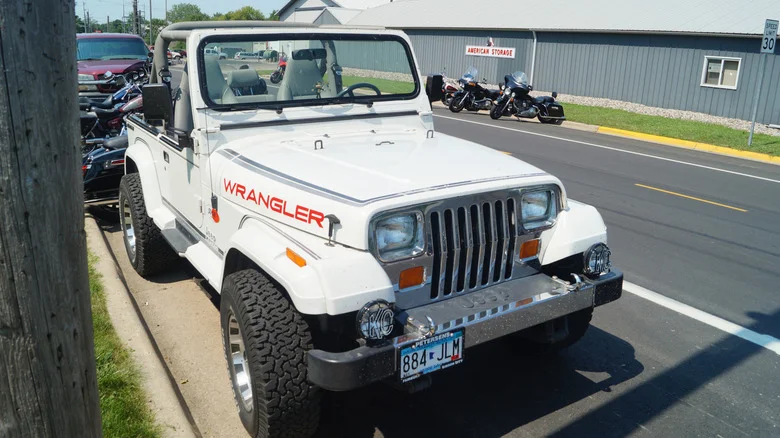
A drive from Charleston, South Carolina, to the Outer Banks of North Carolina in August sounds pleasant until you add the details. The vehicle was a 1989 Jeep Wrangler with no air conditioning, the rain was steady, and the windshield kept fogging over. Road conditions were poor, and the travelers had a ferry to catch. The result was nine hours of sweaty, bouncy driving that left the driver with a sore back.
Old open-top Jeeps are charming on sunny days. In wet heat, though, the lack of ventilation and the limited glass clarity turn every mile into a chore.
A dog, a Mazda and six egg yolks

This one is a lesson in what a dog eats before a long drive. A holiday trip from Amarillo to Dallas in a Mazda3 hatchback was packed to the roof with gear and snowboards, with one small spot left for a Border Collie. Unbeknownst to the driver, the dog had eaten six egg yolks that morning and was suffering badly from gas. Repeated pit stops failed to produce results.
In the last five miles, on an unfinished stretch of highway with no shoulder, the dog panicked and leapt from the back seat into the front. The driver kept trying to find an exit while his partner held the animal close, and the car ended up with a messy accident in her lap. They pulled into a restaurant parking lot, bought cleaning supplies, and cleaned up the dog. The ruined robe went in the trash, and the dog rode the final ten minutes in a trash bag with only his head poking out. The passenger seat belt took the worst of it. It had to be fully disassembled, deep cleaned and aired out for two days.
Charging network frustrations on a long EV loop
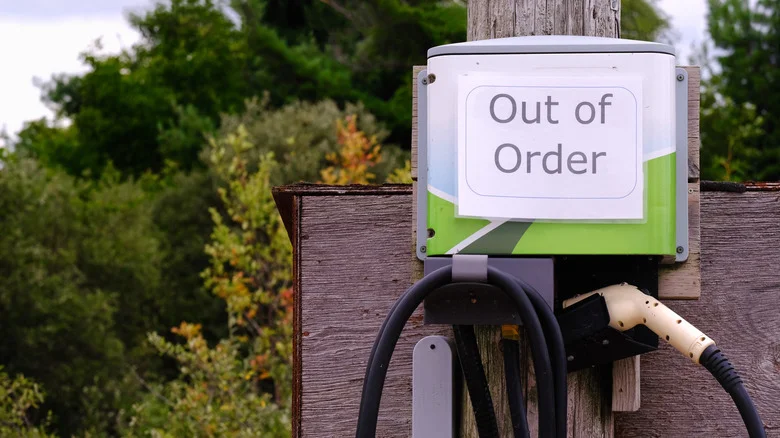
A round trip between Houston and Chicago in a brand-new battery-electric car turned out to be far harder than the reader expected. After fifteen years of plug-in hybrids, refueling felt like a minor detail. In practice, chargers were often out of service, hard to reach, damaged or thinly spread along the route. Careful route planning helped, but it bought only modest gains for a lot of extra effort.
This is a recurring pattern for drivers moving from combustion or plug-in hybrid cars to full EVs. Range numbers on a spec sheet mean little if the charging network along your specific corridor is patchy. Anyone planning a long EV trip should check real-time charger status, have backup stops mapped, and build in more time than the navigation app suggests.
Too many people, too little time in the American West

In May 2019, seven college friends set out on a two-week rental Cadillac Escalade trip from New Orleans to Yosemite and back. They overpacked from the start, and their gear for two weeks filled the vehicle to the point of absurdity. They left late, were already behind schedule, and had planned far too many stops. Every sight became a five-minute glance before the next leg.
The Grand Canyon visit was the sharpest disappointment. They arrived late in the day, spent about 30 minutes at the rim, and fifteen of those minutes were lost to cloud cover before sleet drove them away. A night drive through Death Valley brought tensions to a head, and with too few sleeping options, the group detoured to San Diego for a few days, which the reader credits with saving the trip. The journey ended with a 20-hour push through Texas storms. The lesson: fewer destinations, realistic timing and a plan that accounts for how groups actually behave on the road.
Sweltering summers and cold-weather compromises
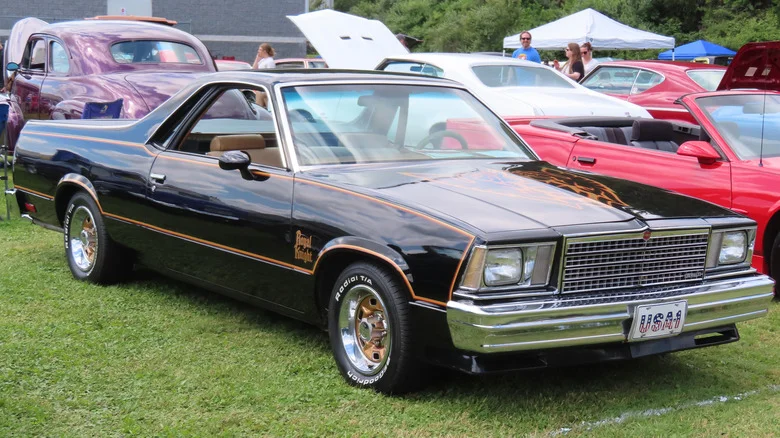
Not every bad drive is a disaster in the making. One car enthusiast has taken a 1979 El Camino from northern Wisconsin to a car festival in Indiana for two summers running, without air conditioning. Both trips meant 95-degree, humid, rainy weather with the windows kept closed. For the driver, they were among the best drives ever. His spouse, presumably, would disagree. It's a useful reminder that a trip's quality depends a lot on who's sitting in the passenger seat.
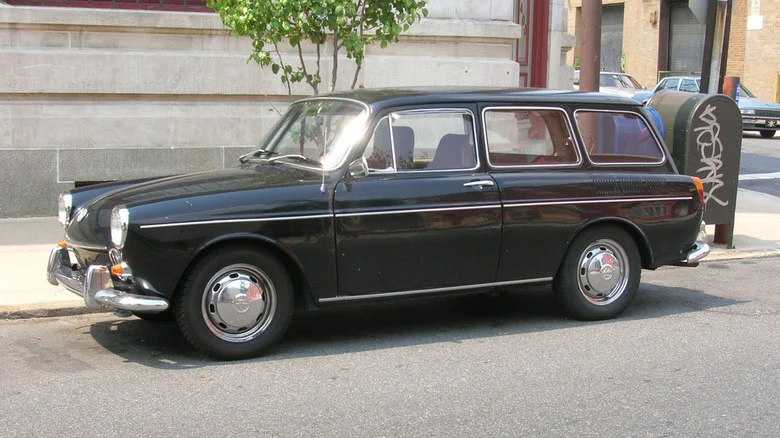
Air-cooled Volkswagens have their own winter challenges. In the late 1970s, a driver set out from Saint Paul to northern Minnesota for cross-country skiing, in temperatures around -10 degrees Fahrenheit. The heater in his rusted-out Squareback could barely keep up. His passenger wrapped up in a down sleeping bag, and the two spent much of the trip scraping ice from the inside of the glass. The passenger later chose a bus back rather than another ride home. Another reader commented that the experience of one gloved hand on the wheel and the other on a scraper is a classic part of owning these cars.
Baking in the back of a pickup
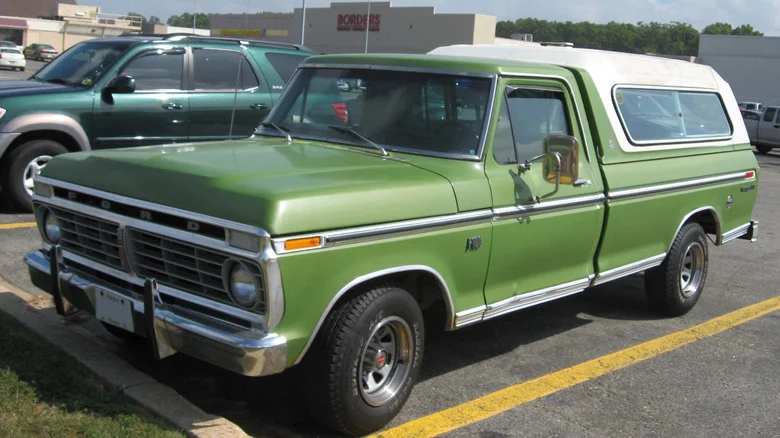
Perhaps the most uncomfortable trip described was a summer drive from Indiana to John Pennecamp State Park in the Florida Keys. The reader and his brother rode in the bed of their father's single-cab F-100, under a thin aluminum topper, for the entire journey. Sometimes one of them got a turn in the cab, and the topper windows could open, but that made the noise unbearable. Mostly they just baked.
The bed was covered with 1970s outdoor carpet over a plywood platform, with scuba tanks stored underneath. The children were told the tanks were full and could explode, which kept them anxious for the whole trip. Years later, their parents confessed the tanks were empty, and that the story was meant to keep the kids from shifting around. It's a reminder that the worst part of many old-school road trips was often the lack of basic safety and comfort, not the scenery.
Taken together, these stories point to a few consistent trip killers: overpacking, optimistic timing, unfamiliar vehicles and conditions, and gaps in infrastructure. Whether the car is a winter-bound sedan, a 1970s pickup or a new EV, the trips that go wrong usually do so before the first mile, in the planning stage. The fix is less glamorous than a great playlist, but it's the difference between a memorable drive and one that becomes a story told years later.