Madring's €544m Claim Puts Barcelona's F1 Benchmark Under Scrutiny
- Cargo
- Electric Vehicles
- Shipped
- Shipper
- Samarth Kanal
- Readers
- 328
Madrid's organiser says its inaugural Spanish GP generated €544m and 10,948 jobs. Set against Barcelona's €300m+, the comparison is tempting but not like-for-like.
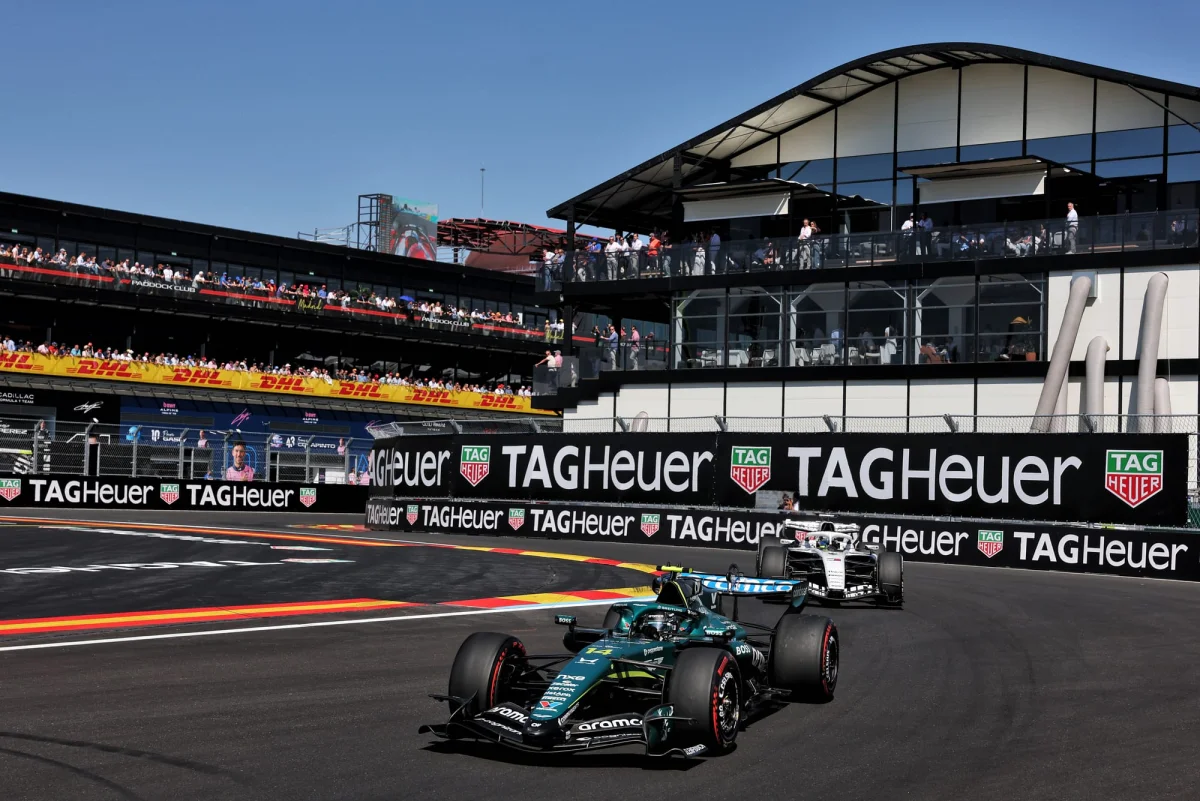
Madrid's first Spanish Formula 1 Grand Prix at the Madring has produced some eye-catching numbers. The promoter says the 2026 race generated €544 million in economic activity, supported 10,948 jobs and brought in €95m in tax revenue. Those figures are being set directly against Barcelona, which has long been Spain's F1 home and now sits at the centre of a fresh debate about what the sport is actually worth to a host city.
Before comparing the two, it helps to understand what the Madrid number measures. Economic impact studies of this kind usually separate direct spending, such as tickets, hospitality and travel, from the knock-on effects as that money moves through hotels, restaurants and suppliers. The study behind the Madring figures, produced by PwC for the promoter, puts the ratio at €4.60 across Madrid's wider economy for every €1 of activity linked directly to the event. That multiplier is the figure doing most of the heavy lifting in the headline, and it's the one worth probing.
What the Madrid study actually shows
The promoter says the economic impact came in 16.5% higher than expected, job support 23.7% above projections and the tax contribution 14.5% over forecast. Those are strong beats against a pre-race model, though it's worth remembering that a first edition often gets modelled conservatively, which can make the outperformance look bigger than it is.
Scale matters here too. The promoter puts the activity at 0.16% of the Madrid Region's GDP and 0.30% of the city's GDP. Those are meaningful shares for a single weekend, but they're not transformative for an economy the size of Madrid's. The more useful reading is that the race is a high-value event that adds to an already large tourism base, rather than one that changes the city's economic trajectory.
Where the money came from and where it went
The event drew 353,000 attendees. According to the survey, 45% were from Madrid and its immediate surroundings, 20% came from elsewhere in Spain and 35% were from overseas. That local share is significant. Locals spend less per head, but they don't need a hotel, which limits the accommodation boost.
Spending per head tells a clearer story. International visitors spent an average of €2,772 each, against €1,099 for Spanish visitors and €659 for Madrid residents. Those averages include an estimated ticket price that the study doesn't state, so the true split between tickets and everything else isn't visible. Still, the gap is notable: international visitors to the race spent around 1.7 times more than an average international tourist to Madrid, and about 2.9 times more than an international tourist visiting Spain as a whole.
Accommodation absorbed much of that spending, and the price effect was steep. Democrata, a local digital publication, found hotel rates averaged €485 during the race, about 70% above normal. Around 49% of visitors stayed in hotels, 32% in short-term rentals and 19% with friends or family. The short-term rental share is where this gets politically tender. Spain has been tightening rules on holiday lets, and in 2025 the national crackdown removed close to 66,000 listings and led to a €64m fine against one platform for illegal listings. A race that leans on that segment for a third of its visitors sits awkwardly alongside that push, and it's a tension the Madring will have to manage in future editions.
The Barcelona benchmark, and why it's tricky
Barcelona's comparison point is over €300m in local economic activity in 2024, according to the circuit's own reporting. Pol Gilbert, the circuit's CEO, reaffirmed that figure in connection with the track's recent extension announcement, saying "Formula 1 generates an economic impact of more than €300 million per edition" at the venue.
On the surface, Madrid's €544m looks like a clear upgrade. My read is that the numbers aren't directly comparable yet. The Madrid figure is total economic activity from a first edition, measured for 2026. The Barcelona figure is local activity from 2024, drawn from a different set of reports. Different years, different measurement bases and different methodologies all make a clean head-to-head risky. Anyone using these numbers to rank the two races should check whether both figures use the same definition of "economic activity" and the same geographic boundary.
That caveat applies to the wider F1 context as well. F1 CEO Stefano Domenicali recently said the US Grand Prix at Austin generated "over $1 billion" for the local area in 2026, and the Las Vegas race has generated over $3.2bn cumulatively across its three editions. Those are different currencies, time frames and definitions, so they work better as a sense of the sport's scale than as a league table.
The friction behind the headline
Economic upside rarely arrives without a cost to the people living next to the event. Residents near the Madring protested its environmental and social impact, with noise a central complaint. That grievance matters for the long-term story. A race that wins strong economic reviews but leaves neighbours frustrated has a different kind of licence to operate than one that wins both.
The sentiment numbers from the survey are positive for the city's brand. The study found 95.3% of international attendees said the race had "enhanced Madrid's international image", 98.1% would recommend Madrid as a tourist destination and 86% said they were likely to return. PwC partner Jordi Esteve said that "grand prix visitors spend more and stay longer than the average visitor", adding that this helps Madrid attract high-value tourism. The research team conducted 1,102 face-to-face surveys across the Friday to Sunday of the race weekend. Those are useful numbers, though self-reported intent to return is a softer measure than repeat visits, and a survey built around a race weekend will naturally capture people who enjoyed it.
What to watch next
The track layout is set to change for 2027 to improve racing quality and overtaking opportunities. That's the variable to watch. If the revised circuit lifts the on-track product and the crowds follow, the second-year numbers will tell us far more than a debut study can. The same goes for accommodation pricing and the share of visitors staying in short-term rentals, both of which will shape how much of the money stays in mainstream hotels and how much tests the city's housing rules.
For now, Madrid has a strong debut case built on a sizeable multiplier, high international spending and favourable visitor sentiment. Barcelona's figures set a useful reference point, but the real contest will be decided on like-for-like numbers across several seasons.