Japan Automotive Hall of Fame 2026 Honors Skyline GT-R, Contessa and Early EV
- Cargo
- Electric Vehicles
- Shipped
- Shipper
- Ben Hsu
- Readers
- 621
The 2026 class spans the R32 Skyline GT-R, Hino’s final passenger car, a 1950 Denso EV and people who shaped Japan’s auto industry.
The 2026 Japan Automotive Hall of Fame class connects several distinct chapters of Japanese motoring: the return of a famous performance badge, Hino’s last passenger car, an electric vehicle built amid postwar fuel shortages, and an early step in domestic bus production. The selection also recognizes three people whose work helped shape how Japanese cars were understood, how road hazards were mapped and how imported marques reached buyers.
A racing bred GT-R returns

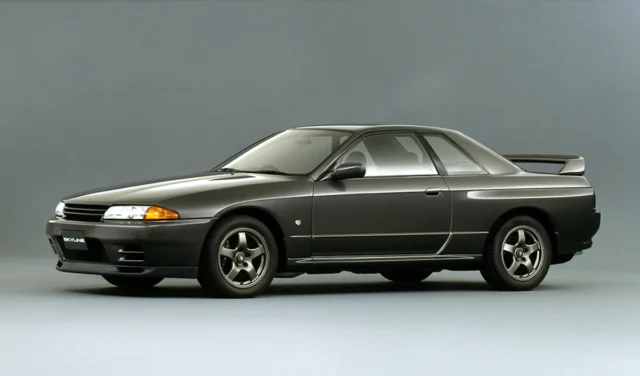
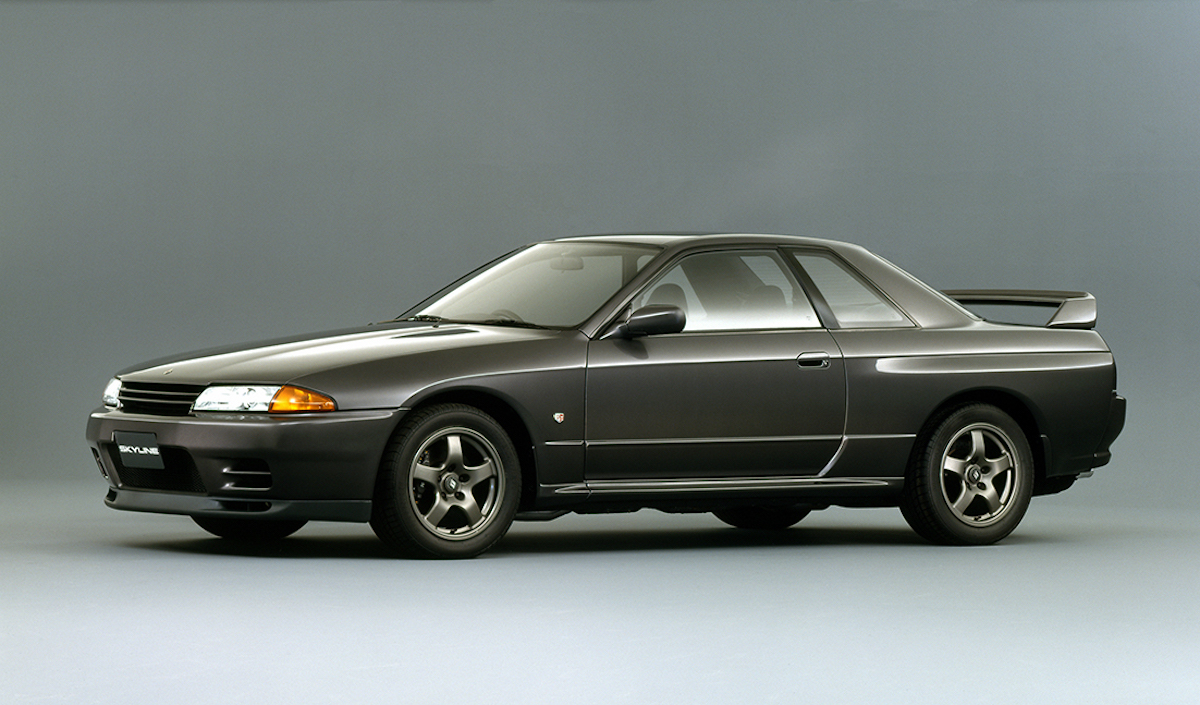
The 1989 Nissan Skyline GT-R BNR32 brought the GT-R name back after the earlier cars had made their mark in Japanese touring car racing in the late 1960s and early 1970s. Nissan paired a twin-turbo straight-six with electronically controlled all-wheel drive, giving the car a package intended for competition under FIA specifications and Group A rules.
Its record in Japan’s leading touring car series is the defining part of the R32’s story: during its four years of production, it won every race it entered. The Hall of Fame points to the car’s role in reviving interest in performance driving in Japan. That legacy helps explain why the BNR32 remains a reference point for later GT-Rs and for enthusiasts comparing the evolution of Japanese high-performance cars.
Hino’s passenger car finale
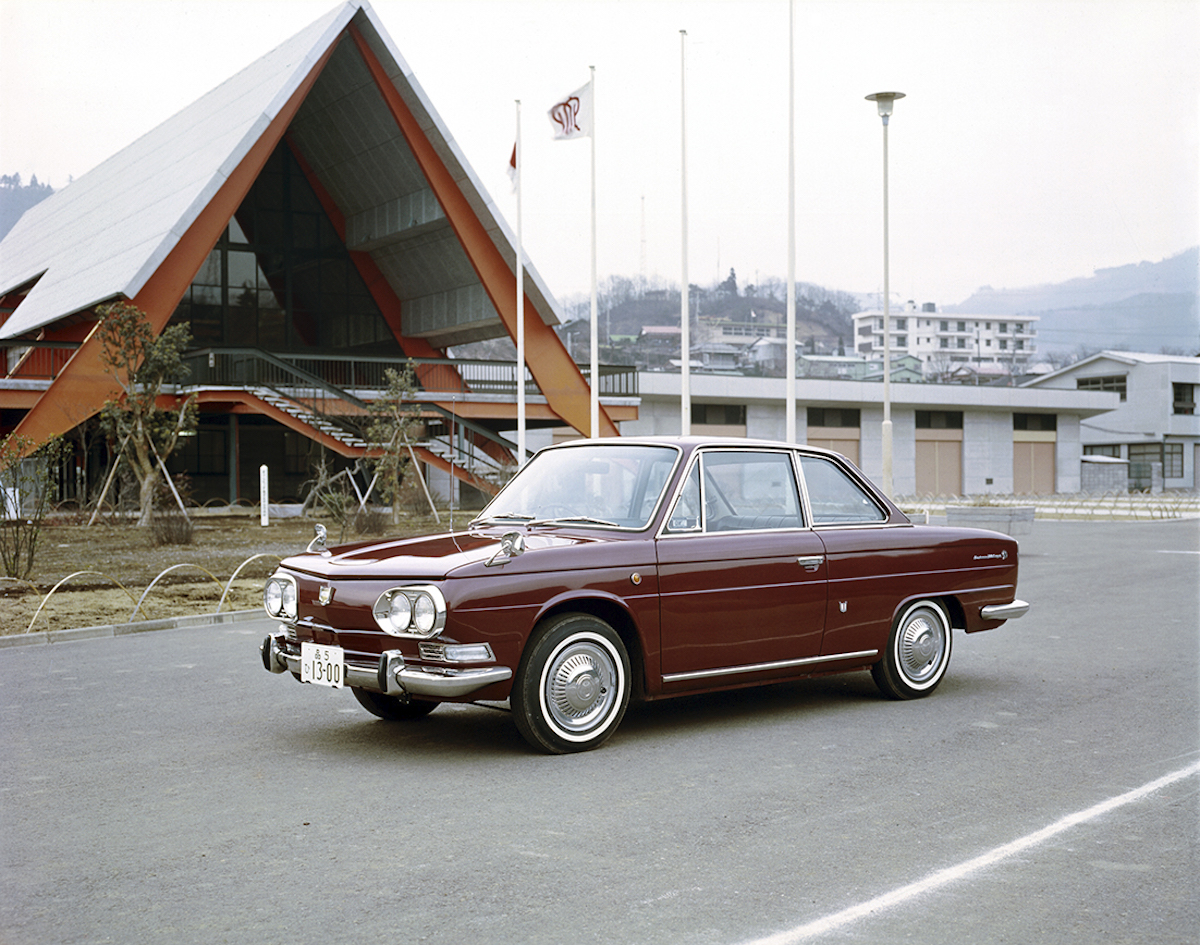
The 1965 Hino Contessa 1300 Coupé represents a very different kind of milestone: it was the final high point of Hino’s passenger car work. Its grille-free shape, designed by Michelotti, set it apart visually, while its engineering placed the 65ps 1.3-liter overhead-valve four-cylinder at the rear. That layout made the Contessa an unusual proposition among passenger cars of its period.
The design also found an audience beyond Japan. The Coupé won three consecutive design concours in Italy and Belgium between 1965 and 1967. Hino merged with Toyota in 1966, as Japan’s auto industry consolidated, and subsequently concentrated on trucks. The Contessa’s combination of distinctive styling and unconventional packaging therefore marks the close of a brief but notable passenger car chapter.
An electric vehicle shaped by scarcity
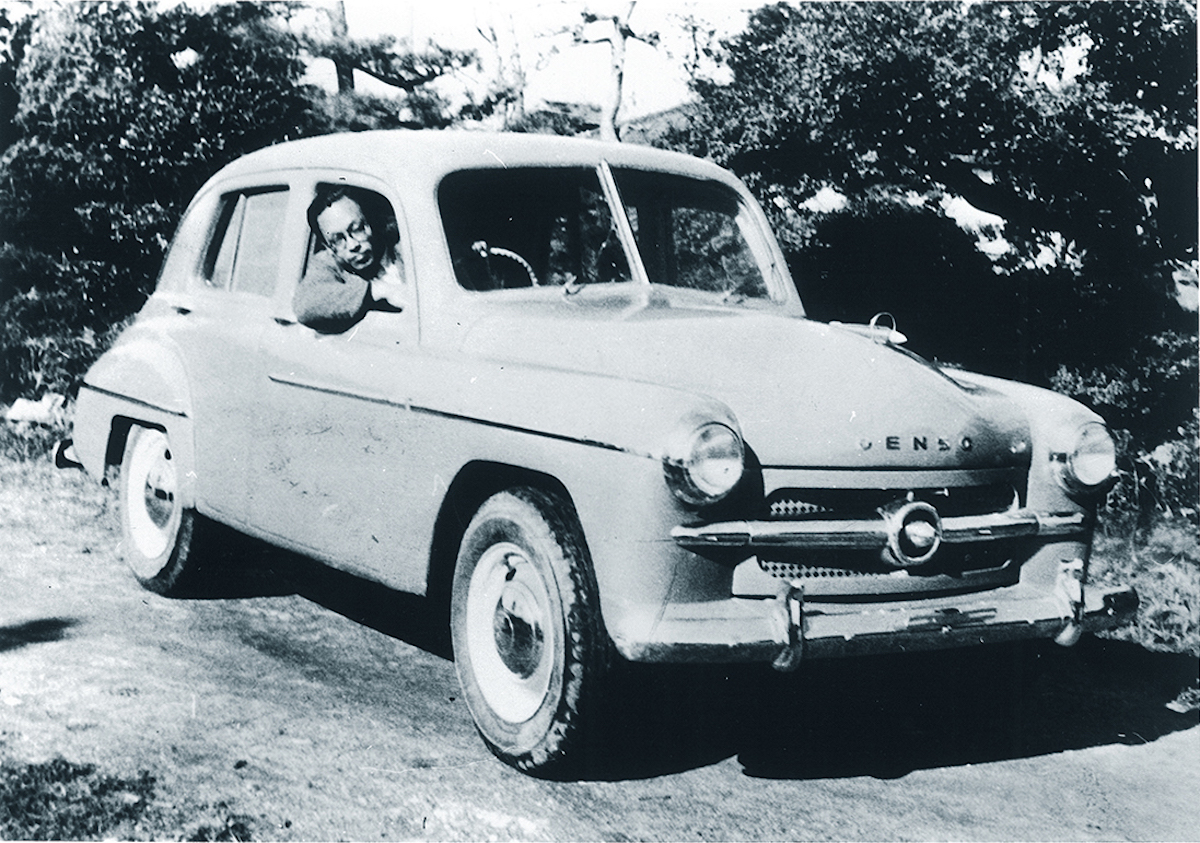
Denso is now best known as an automotive parts supplier, but in 1950 it built a complete electric vehicle. The Denso-go was developed to address fuel shortages in postwar Japan. Its stated range was 122 miles per charge and its top speed was 26 mph—figures that describe a vehicle aimed at basic mobility rather than the pace or flexibility expected of a modern car.
Production stopped after only 50 examples, when lead became scarce following the outbreak of the Korean War. In 2009, Denso restored one of the vehicles to mark the company’s 60th anniversary. The Denso-go is a reminder that electric drivetrains have appeared in Japan’s automotive history under very different conditions from today’s market, where range, charging access and everyday usability shape buyer comparisons.
Early domestic bus production
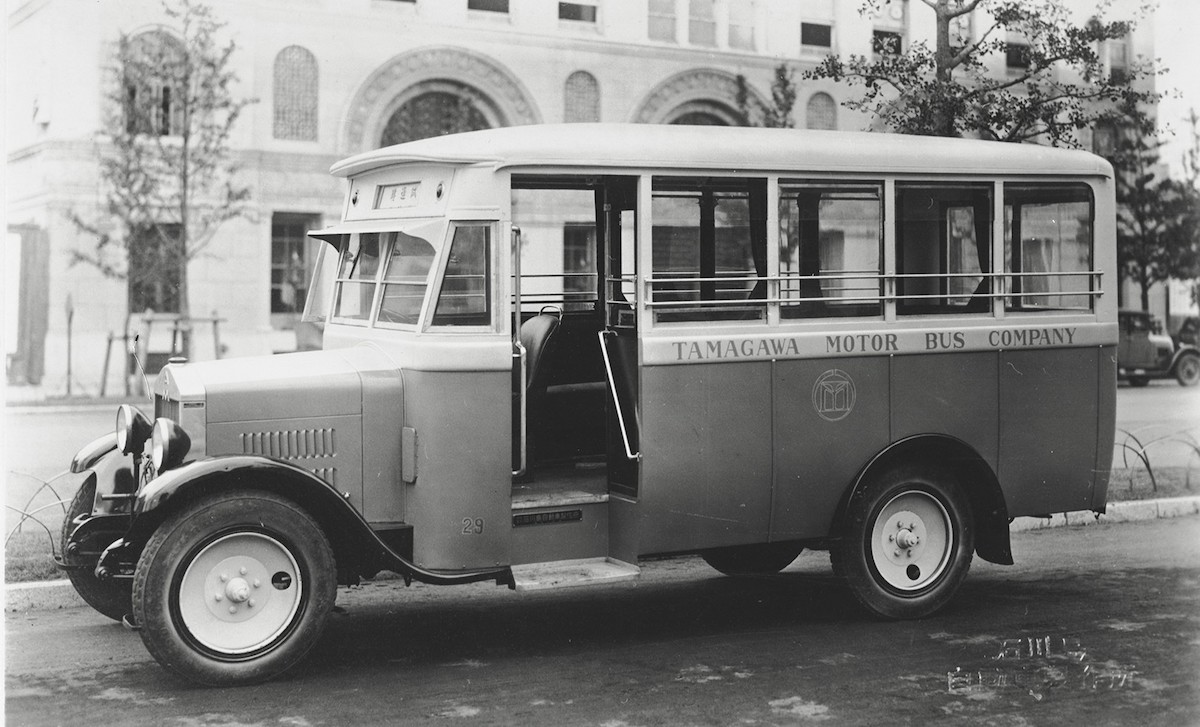
Production of the Isuzu Sumida M-type bus began in 1929. It was the first bus produced entirely in Japan, and its name came from the river that runs through Tokyo near the factory where it was built. Power came from a 2.7-liter water-cooled inline-four.
The M-type’s importance extends beyond its mechanical specification. It marked the beginning of Isuzu’s domestic vehicle manufacturing and served a growing public transportation network. In the Hall of Fame’s lineup, it provides an early industrial counterpart to the later passenger cars: a vehicle whose lasting significance rests on local production and practical service.
People behind the industry


Three individual inductees reflect the breadth of work around the cars themselves. Automotive journalist Kyoichi Yamaguchi was among the first to write about Japanese vehicles in English, helping introduce the country’s industry to readers in the West. Haruo Suzuki pioneered community-built “near miss maps,” which collect reports of close calls to help identify road safety concerns.
Chotaro Yanase founded Japan’s largest foreign car importer, beginning with Buick in 1915. His business grew to cover more than importing: it included a coachbuilder for trucks and buses and a car auction house. Yanase is also associated with bringing Mercedes-Benz, Volkswagen, Fiat, Ferrari and Porsche to Japan. Together, the three inductees show how journalism, shared road knowledge and distribution helped build the wider automotive ecosystem.
Current model awards


The 2026 awards also look at current vehicles and technology. Toyota’s Arene software in the Toyota RAV4 received Technology of the Year. The ZE2 Nissan Leaf took Design of the Year, while the Volvo ES90/EX90 was named Import Car of the Year. Car of the Year went to the E53 Nissan Elgrand.
That mix places software, design and familiar vehicle categories alongside the historical inductees. The class spans nearly a century of automotive development, from the Sumida bus and Denso-go to today’s award-winning models. For buyers, the current honors identify the models and technology recognized this year; for enthusiasts, the historic selections trace how Japan’s industry grew through racing, distinctive passenger cars, electric experiments and locally built transport.