Turning Race Questions Into Tradable Markets: Inside RPM
- Cargo
- Electric Vehicles
- Shipped
- Shipper
- The Race Media
- Readers
- 591
RPM turns motorsport questions into tradable markets, from pit stop timing to lap-10 passes, aiming to bring racing fans into prediction games.
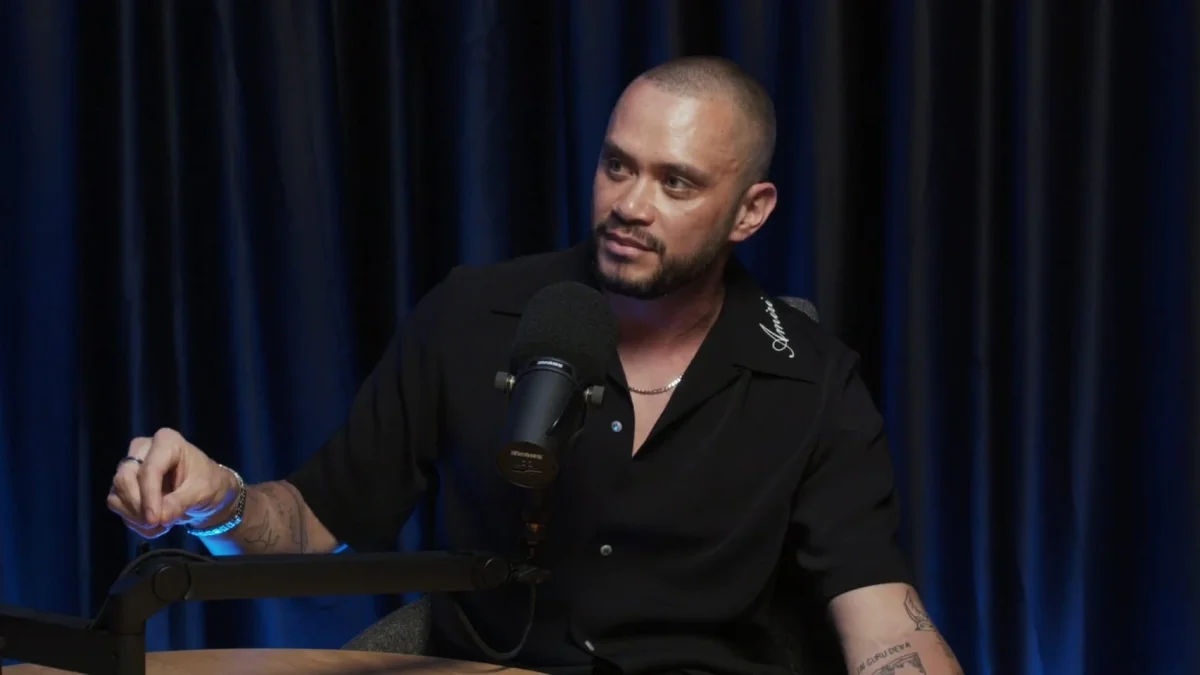
Motorsport has a large audience and very little betting activity. RPM is betting that the gap is a product problem, not a demand problem. The platform treats every outcome of a race weekend as a market, so fans can buy and sell positions on questions that range from the podium to the weather to which tyre a team bolts on at the next stop.
A bet made on a pit wall
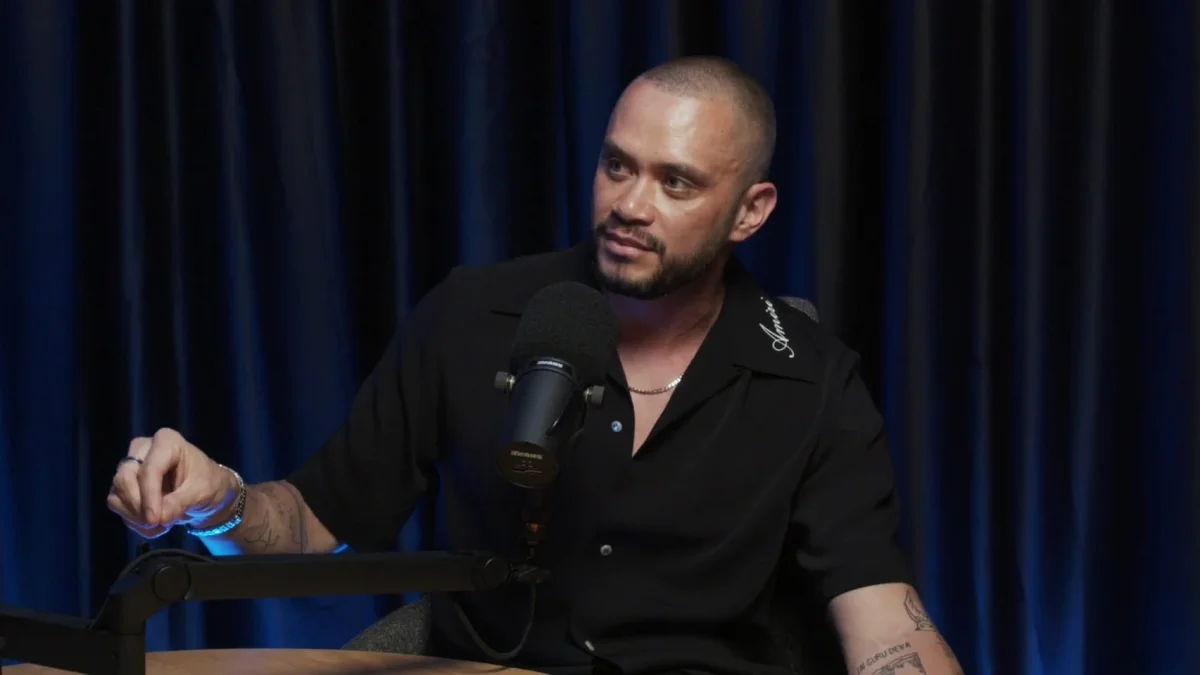
The idea came from a very specific moment. Founder Ben Jarrett was racing GT4 cars and standing on the pit wall before a practice session when two people started wagering on whether a driver would put his car into the wall at Turn 1. The stakes went up quickly, and the wager became the centre of attention while everyone else waited for the car to go out.
Jarrett's takeaway was simple. Motorsport produces dozens of small, checkable questions every session, and fans already argue about them. "I handed in my HANS device and my helmet to my mate and I drove home," he recalls, which is about as clear a sign as you'll get that the idea stuck with him.
How a market gets built
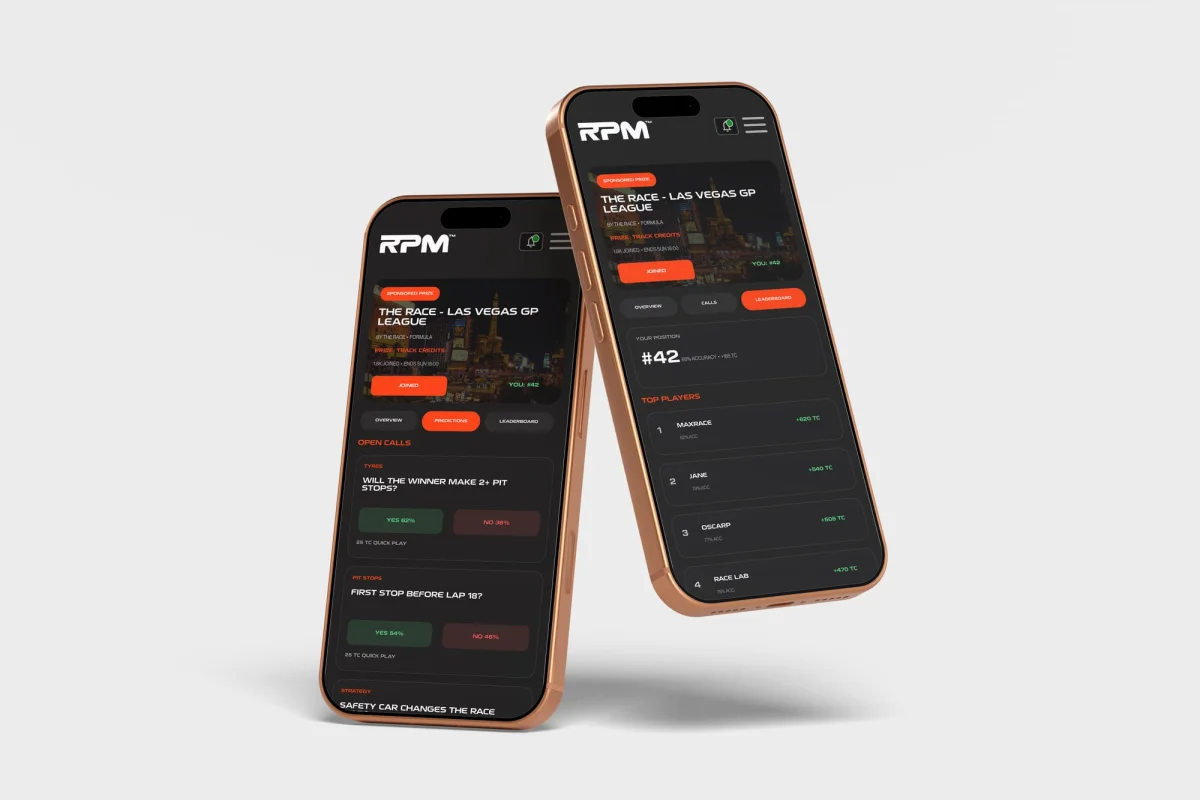
In RPM's model, a market doesn't need to be elaborate. Jarrett describes it as a question you want a large group to answer for you. Examples he gives include whether Max Verstappen wins in Australia, whether George Russell makes a pass for the lead on lap 10, or whether the rain arrives before the flag. Those are the same kinds of questions broadcasters and commentators raise every weekend, just reframed as things people can take a position on.
That range matters. A race-winner market is familiar territory for anyone who has followed sports betting. Pit timing, tyre choice and in-race moments are different. They resolve quickly, they're tied to specific laps, and they give fans a reason to stay engaged when the leader is pulling away and nothing much is happening at the front. Think of it as the in-play layer that motorsport has never really had.
The gap Jarrett is chasing
Jarrett's central argument is about where motorsport sits compared with other sports in online wagering. Football and basketball lead the iGaming category, while motorsport traditionally hasn't. He puts the sport's global fanbase at around 1.3 billion, yet he says the share of iGaming volume it generates is less than half a percent. That mismatch is the opportunity he's pointing at.
Part of the explanation is structure. Football and basketball offer frequent fixtures and easy-to-read outcomes. Motorsport has long race weekends, fewer headline events by comparison, and outcomes that depend on strategy calls made in real time. Jarrett's bet is that a market built around individual moments, rather than a single finishing order, fits the sport better than the traditional formats do.
Access to the audience is a second part of the argument. Jarrett notes that F1 is on air for around 72 days a year, and he cites F1's Global Fan Survey, which found that in 2025, 61% of motorsport fans engage with F1 content on a daily basis. Whether those daily viewers become daily traders is the question RPM has to answer, but the attention is clearly there. "It's becoming a part of people's daily life," Jarrett says, and social feeds back that up, with motorsport clips appearing across platforms throughout the week.
Creators as the distribution layer
RPM's most distinctive angle is how it courts content creators. Creators can run a standalone competition built around a single event, or keep a league going across a full season with a running leaderboard. RPM handles the predictions, the scoring, the credits, prize support and league access, which means a creator doesn't need to build that infrastructure from scratch.
Approved creators can also unlock revenue share opportunities with RPM in the future. The company hasn't set out the terms in this interview, so that's a line to watch rather than a settled feature.
Jarrett frames creators as part of the product rather than a marketing channel. "We don't just see them as like a marketing push," he says. "We really see them as part of the heartbeat of what is RPM." That's a meaningful distinction. Creator-led communities tend to hold together better than promotional campaigns, because the people running a league have a reason to keep showing up each weekend.
What to watch next
My read is that the success of RPM depends less on the concept and more on repetition. A single viral market is easy to create. A leaderboard that a fan checks every Sunday, with creators who keep posting about it, is harder and more valuable. The questions that matter are how many markets run per event, how quickly they settle, and whether the creator leagues keep their members through the mid-season lulls.
Motorsport has spent years trying to win younger, more online audiences. Turning race-day questions into something people actively engage with is a fresh approach, and it's one that might fit the sport better than the traditional betting formats have. Here's the thing: if the markets feel like part of the broadcast rather than an add-on, RPM has a real shot at the gap it's identified.