Tsuboi Weighs Non-Stop Tire Gamble for Motegi GT500 Finale
- Cargo
- Electric Vehicles
- Shipped
- Shipper
- Jamie Klein
- Readers
- 672
Tsuboi's three-point lead heads into Motegi, where a no-tire-change strategy could reshape the GT500 title fight. Cold qualifying and fuel rules add uncertainty.
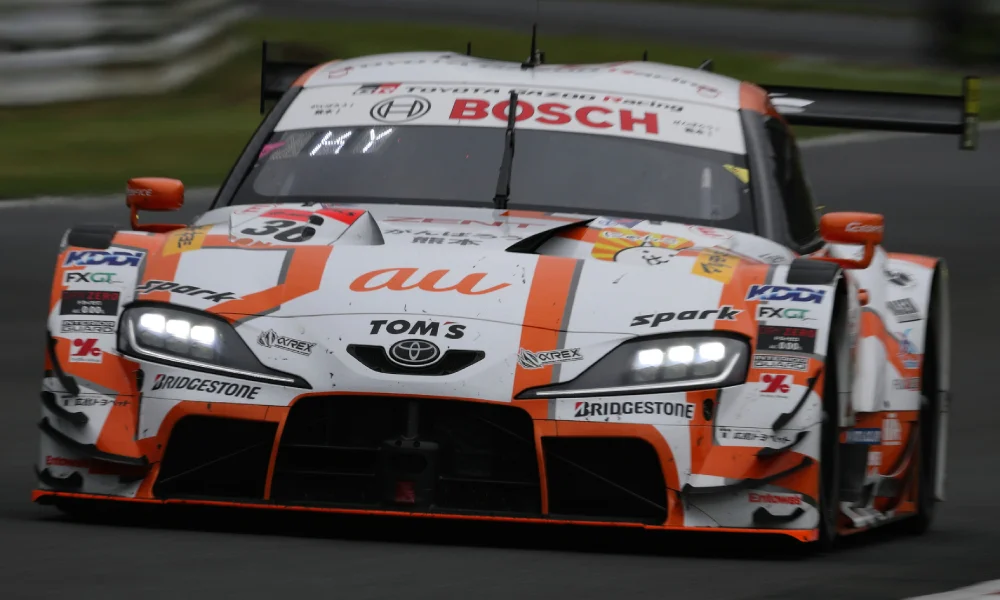
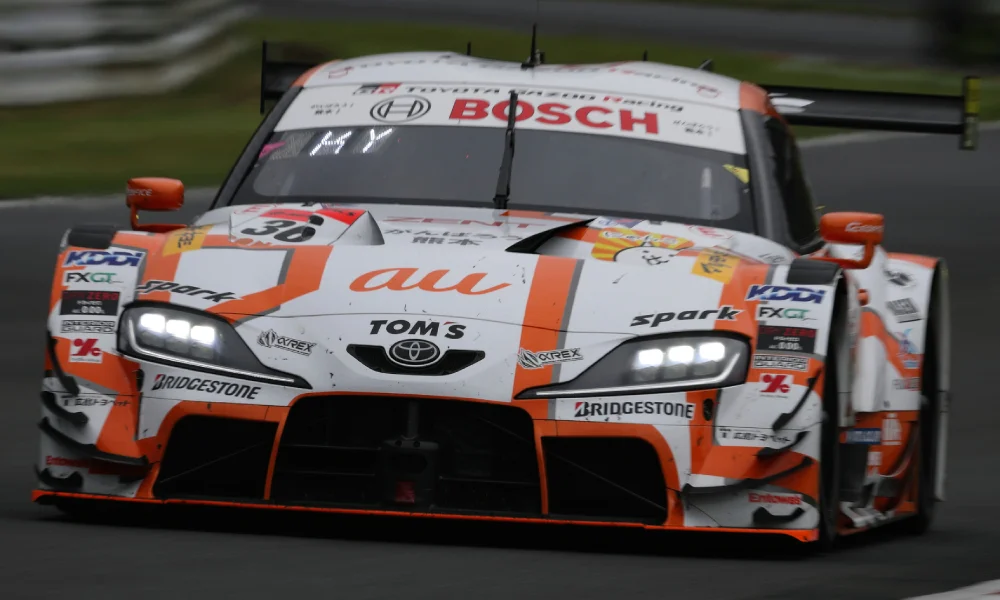
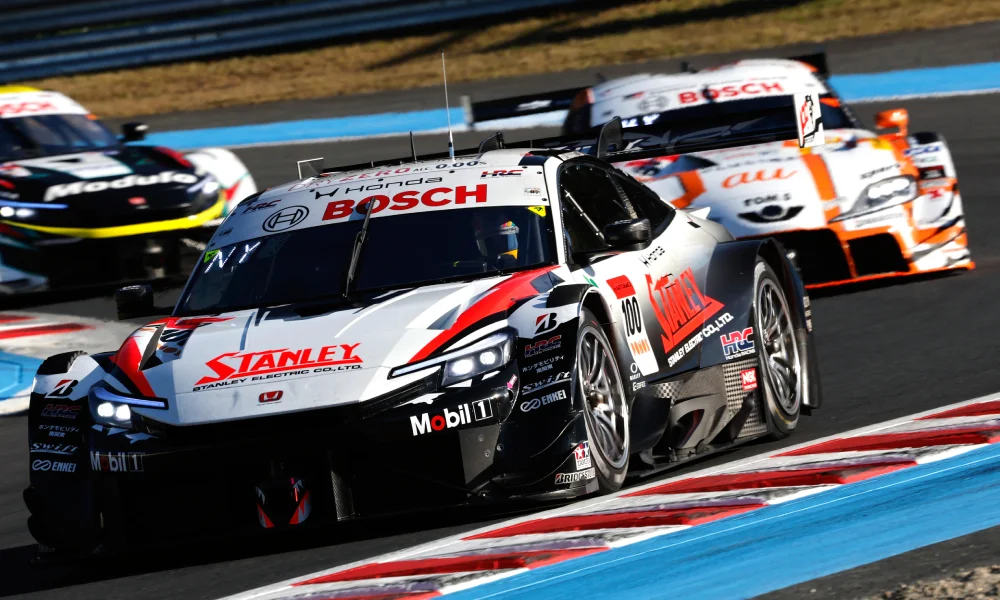
Sho Tsuboi thinks a no-tire-change strategy is a real option for the Motegi finale, and that's the most interesting tactical wrinkle heading into the weekend. He and TOM's Toyota co-driver Kenta Yamashita are chasing a record-breaking fifth GT500 title, and they go into Saturday's opener with a slim three-point cushion over the Kunimitsu Honda pairing of Tadasuke Makino and Naoki Yamamoto. Makino and Yamamoto took the previous round at Autopolis, so the gap is far from comfortable.
Why the tire math has changed
Motegi usually punishes tires. This year, though, the picture is different in two ways. The Tochigi circuit has been fully resurfaced since last year's race, and the race distance has been cut from 300km to 250km. Put those together and the usual degradation penalty for a long stint shrinks. That's the opening teams are looking at.
The 53-lap race makes the idea concrete. Makino and Yamamoto tried the same approach last year, running the distance without a stop on their way to fourth. At the time it looked like a risky gamble, and it's easy to see why. Tsuboi's read is that a lower degradation rate changes the calculation. "The less degradation there is, the more realistic it is," he said. The conditions this year, in his view, make the approach more feasible than it was in 2025.
Here's the thing, though: feasibility and wisdom aren't the same. Tsuboi admitted the team hasn't been able to run a full race simulation, since there wasn't time for one in practice. Going without a tire change means committing to a pace and a tire life that hasn't been fully tested, and it's a bet you can't easily reverse once the first stint has started.
Practice numbers that may not tell the story
Friday's practice gave the No. 36 car a 12th-fastest time, with the No. 100 Kunimitsu machine a place ahead in 11th. Those results don't alarm Tsuboi. He points to the timing of qualifying, which runs in the morning when the track will be colder. Cooler asphalt shifts grip and tire behavior, and it also changes which lap a driver picks to attack. Practice ran under different conditions, so the timesheets carry limited weight.
The session's headline belonged to Riki Okusa, whose Dunlop-shod Nakajima Racing Honda was fastest, narrowly ahead of Nirei Fukuzumi in the Rookie Racing Toyota. Tsuboi's team has a clear goal for qualifying. "At the very least, I want to qualify ahead of the No. 100 car," he said. He also noted that the two cars posted very similar lap times and that the long-run pace looks promising. That's a sign the car is sound, even if the single-lap numbers haven't shown it yet.
Fuel restrictors and success weight complicate Saturday
Both title contenders start Saturday carrying a stage one fuel restrictor, and their success handicap is halved. The restrictor and the weight both come off for Sunday's decider, so the race-day car is a different machine from the one that qualifies on Saturday. That's a lot of variables for one weekend.
Makino was candid about the difficulty. He noted that Saturday's qualifying will be tough with 50 kg of success weight and the fuel flow restrictor in place, and that the team's immediate target is to finish ahead of the No. 36. Sunday brings its own problem. "Everything changes — the weight and the fuel restrictor [are removed]," he said. "The car will feel completely different."
Honda's uncertainty and what it means for the title
For Honda, the stakes are plain. A first GT500 title since 2020 is on the table, and the HRC Prelude-GT has looked strong. Makino isn't ready to bank on that form carrying over. The Prelude hasn't turned a wheel at Motegi before, and the team hasn't tested the car on Bridgestone tires at this circuit. "Our qualifying pace is usually quite strong, but I don't know about Motegi, because it's the first time we've driven the Prelude here," he said.
That honesty is worth noticing. Makino's comments suggest Team Kunimitsu doesn't expect to copy its 2025 strategy wholesale. The surface is similar to last year's, he said, but degradation looks higher, and cold temperatures could make a no-stop run impractical. If he's right, the Honda pairing may stick to conventional tire planning, which would leave the tire question as a clear point of difference between the two title contenders.
What to watch next
My read is that the tire decision will be the most interesting call of the weekend. Teams that gamble on a long stint could gain track position while the rivals pit, but a single poor stint can erase that gain fast. Tsuboi has framed the choice as a leap of faith that depends on how the first stint unfolds. Watch the early laps on Saturday closely, because that's where teams will learn whether the surface really has taken the pressure off the tires. Once that data comes in, the rest of the race follows from it.