F1’s US Audience Trails NASCAR, but Its Cultural Reach Sets It Apart
- Cargo
- Electric Vehicles
- Shipped
- Shipper
- Samarth Kanal
- Readers
- 849
F1 drew fewer US viewers than NASCAR in 2025, but Will Buxton says its visibility and storytelling give it broader cultural reach.
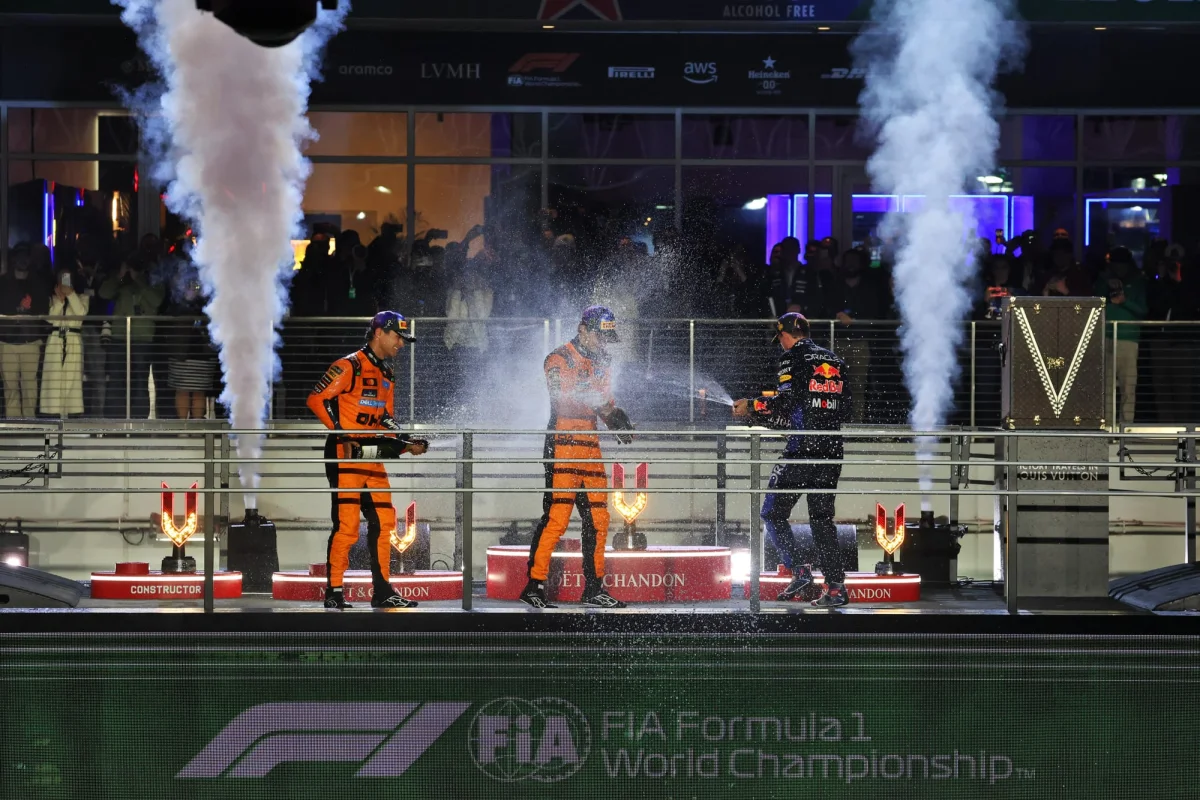
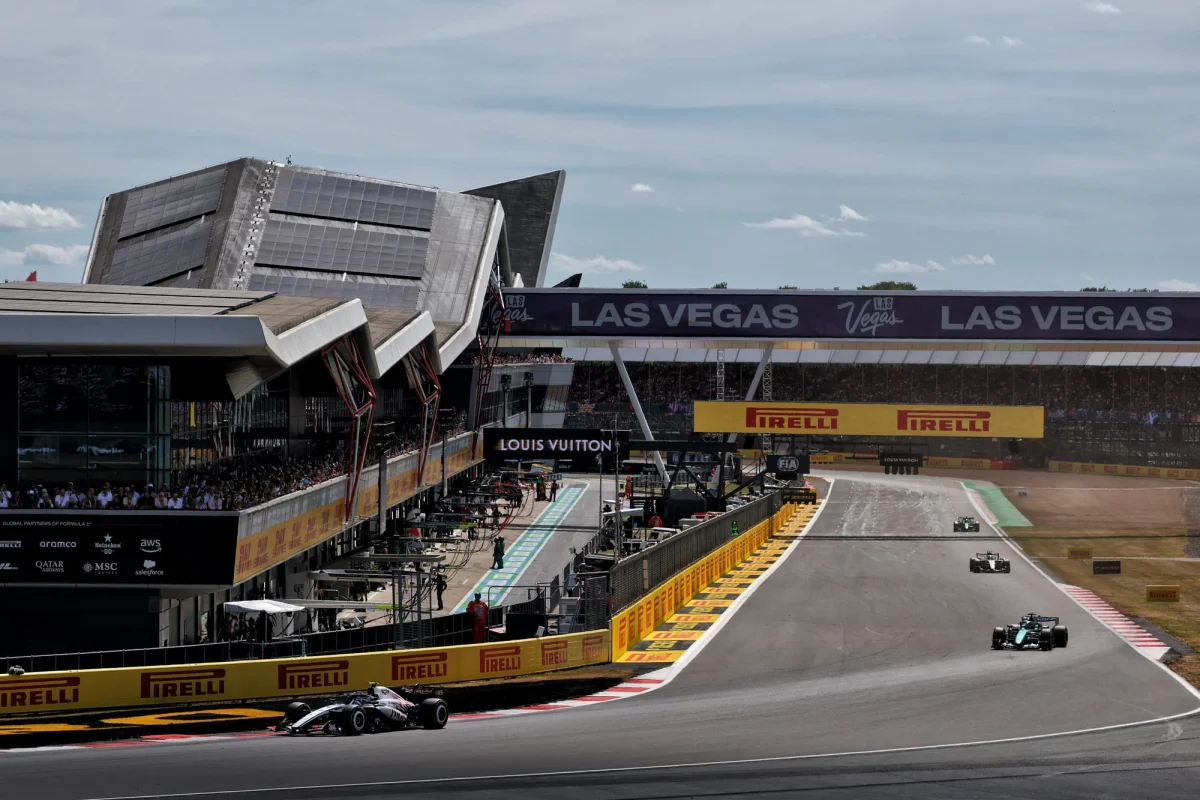
Formula 1 has a smaller US television audience than NASCAR, yet broadcaster Will Buxton argues that viewership alone misses part of its appeal. F1’s presence in popular culture, from advertising screens in Times Square to Max Verstappen’s face on a drink can, gives it a kind of recognition that the raw race figures don’t capture.
That distinction matters as F1’s US broadcast home shifts to Apple TV. Buxton was asked about the move at The Race x Axios’s Beyond the Race: Investments in Innovation and Leadership event in Las Vegas. He acknowledged that F1 isn’t the country’s most popular motorsport by audience, with NASCAR and IndyCar ahead. Its advantage, in his view, is “cultural relevance and cultural cachet.”
The available 2025 figures show the gap in television audiences. ESPN averaged 1.3 million viewers per F1 grand prix, a record for the series on the network and roughly level with IndyCar. NASCAR averaged 2.45 million viewers per race on television. Those numbers put F1’s relative position in context: it has a smaller weekly audience than NASCAR, while still matching IndyCar’s reported average.
Buxton’s argument is that a broadcaster and a racing series can value more than the number of people watching a Sunday race. Visibility outside the broadcast, brand recognition and a place in popular conversation can all contribute to how a sport is perceived. That broader presence may help explain why F1 can command attention among people who don’t follow every event closely.
He pointed to F1 advertising in New York City’s Times Square in 2026, and contrasted Verstappen’s visibility with that of NASCAR drivers. As Buxton put it, a can of Red Bull in a convenience store features Verstappen, rather than NASCAR drivers such as Connor Zilisch or Shane van Gisbergen. His point wasn’t that those drivers lack sporting credentials; it was that F1’s leading names have become more familiar beyond the audience that follows motorsport closely.
Buxton compared that kind of recognition with the staying power of the Kardashian family. He noted that the television audience for Keeping Up with the Kardashians is smaller than it once was, yet Kylie Jenner remains prominent in American popular culture. In his analogy, cultural visibility can outlast a show’s peak audience and bring value that a viewer count by itself doesn’t measure.
Digital access widened F1’s reach
Buxton’s view of F1’s growth comes from working across different eras of the sport’s media strategy. He presented on F1TV from 2018 to 2024 and became Fox Sports’ lead IndyCar commentator in 2025. Earlier, he commentated on the GP2 Series and worked for Fox Sports and NBC Sports. That experience has given him a view of the shift from Bernie Ecclestone’s leadership to the period after Liberty Media took over.
He cautioned against treating Netflix’s Drive to Survive as the sole explanation for F1’s increased reach. The series’ success depended partly on the circumstances surrounding its launch, he said, while F1 had also made a substantial push into digital media. The organization created a YouTube channel and accounts on Facebook and Twitter, opening routes to content and conversation that it had not previously built out.
Buxton described the earlier approach under Ecclestone as focused on removing online videos rather than publishing them. He said a department had been dedicated to finding and taking down material posted by fans. The contrast he drew is clear: F1 later began treating online platforms as a way to put its racing and personalities in front of audiences, rather than mainly as places to police the use of its footage.
Drive to Survive also changed how the sport was presented to viewers, Buxton said. Instead of centering the story on technical detail, the show foregrounded personal and emotional narratives. That approach gives new viewers characters and relationships to follow alongside the competition. The series became part of a wider change in how F1 tells its story, rather than a standalone explanation for its audience growth.
Apple TV’s measure of success may be broader
For Apple TV and F1, Buxton argued, the return on the US deal may include recognition and visibility as well as race-day audiences. His point echoes an earlier view from Liberty Media CEO Derek Chang, who also described the deal’s value in terms beyond the number of people watching on a Sunday. The shift in broadcaster makes the audience question immediate, but Buxton’s wider measure asks whether F1 stays visible between races and reaches people who may not yet consider themselves fans.
That distinction offers a useful way to read the 2025 audience figures. F1 remains behind NASCAR in average television viewers, while its public profile may travel further than those numbers suggest. The test for its US strategy will be whether that cultural recognition continues to bring people closer to the racing and sustains interest across the season. Buxton’s central claim is that F1 has built a place in American culture that can matter even when its weekly audience isn’t the largest.