Pernell Spohn’s Custom Classics Put Modern Chassis and Drivability First
- Cargo
- Electric Vehicles
- Shipped
- Shipper
- Eddy Eckart
- Readers
- 313
Pernell Spohn and his sons pair hand-formed metal bodies with modern GM hardware, building one-off classics designed for regular driving.
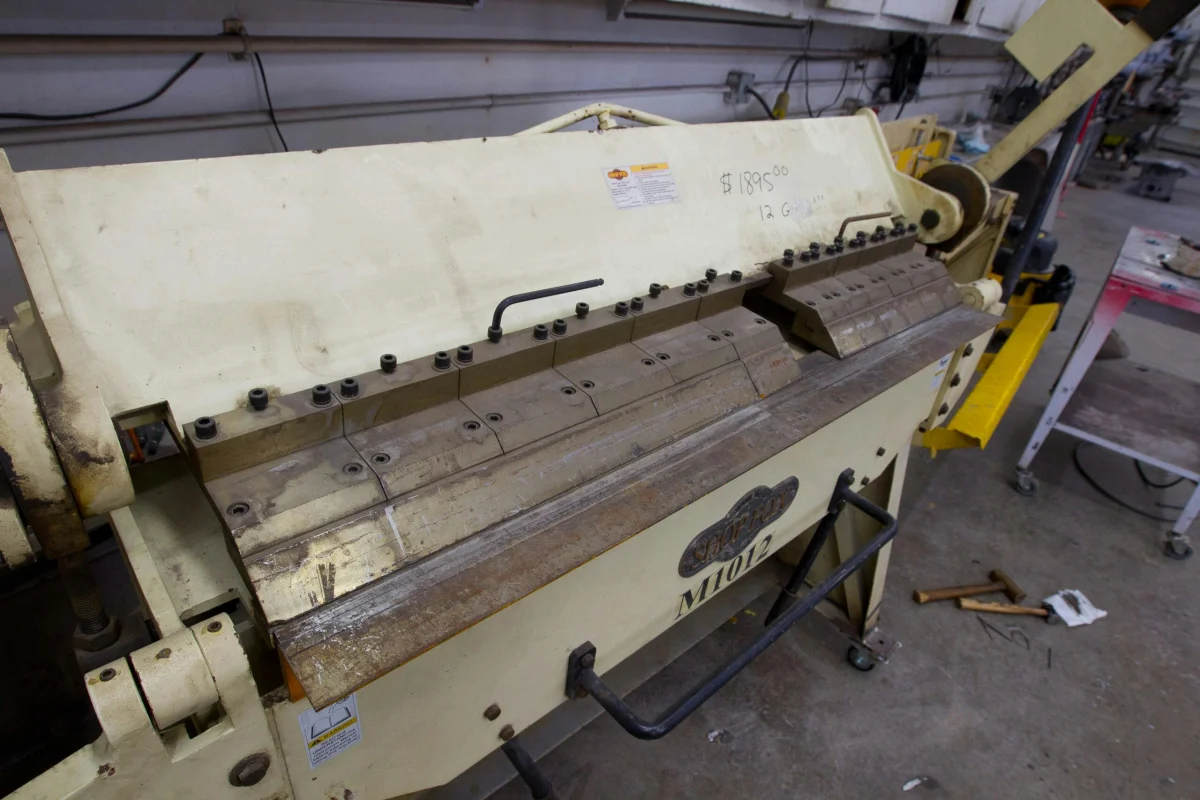
Pernell Spohn builds custom cars around a clear priority: they should work well on the road. His shop in Butler, Pennsylvania, reshapes classics around modern chassis, suspension and controls, then forms the surrounding metal to suit. The results can look dramatic, but the engineering is aimed at driving and everyday usability rather than awards.
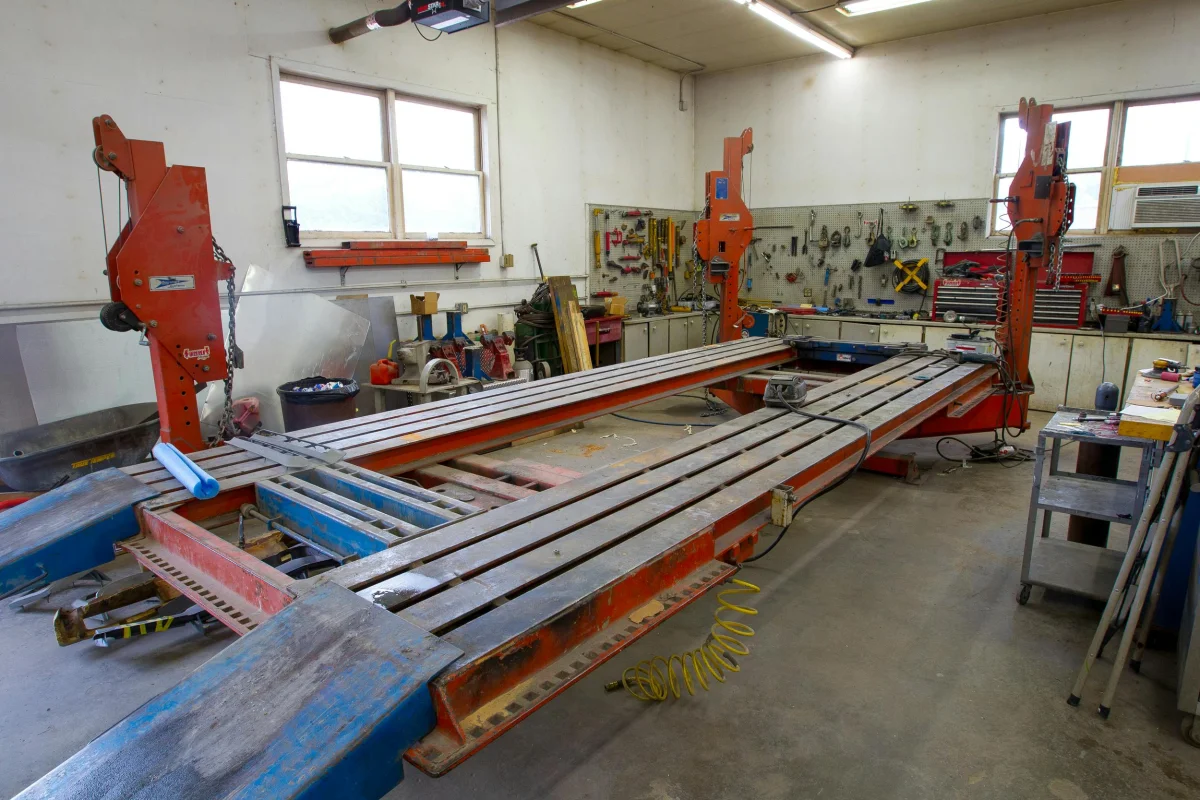
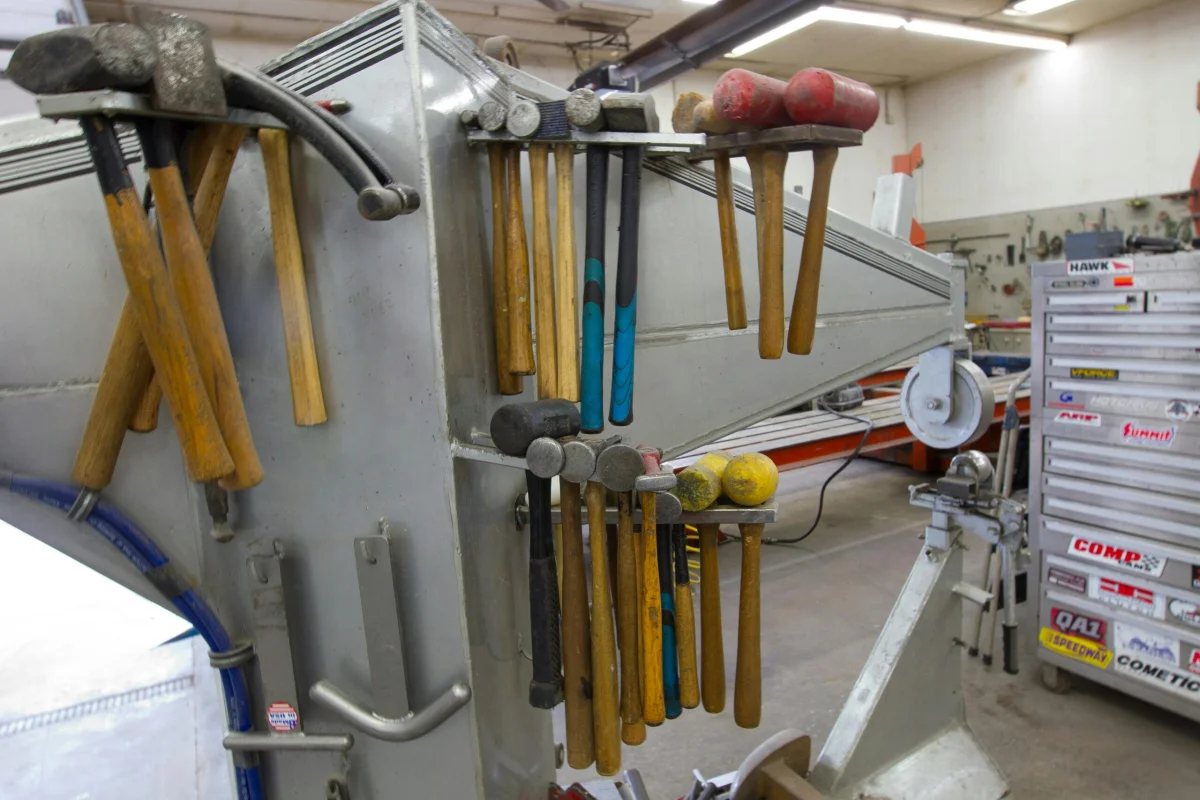
That approach grew out of a career spent fixing damaged cars. Spohn opened his shop in his mid-20s and became a specialist in frame straightening and collision reconstruction. He describes it as the last stop for cars others couldn’t repair; at the busiest points, he was straightening three frames a day. The work kept the business busy for decades, but it also wore down his enthusiasm for cars.
A 1967 Firebird brought the spark back. Spohn rebuilt it for himself, then drove the finished car around the seven-mile loop near his home. The experience left him questioning how rough older cars had seemed when he was young. He began building a car a year for personal use; after nearly a decade, a local consignor persuaded him to sell several from the growing collection. That made custom builds look like a viable next chapter.
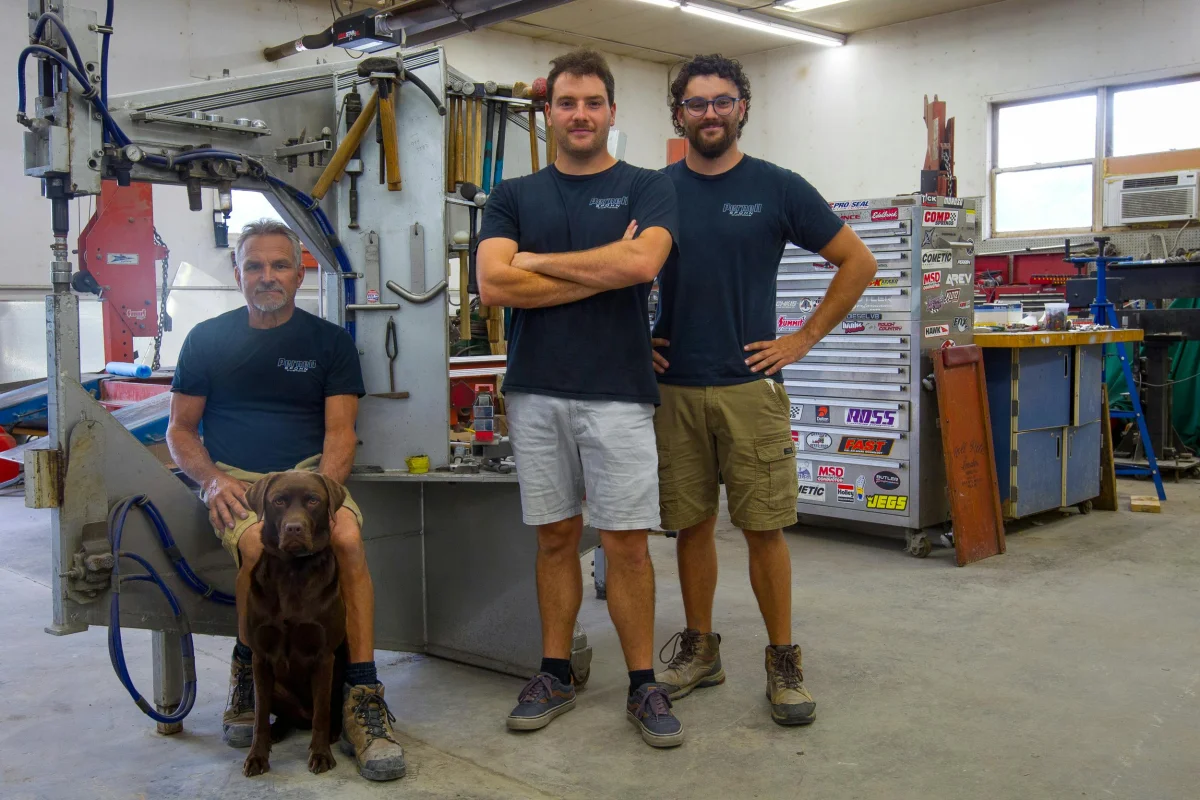
His sons Spencer and Jonah joined the work, giving Spohn a reason to pass on the metalworking and fabrication skills he had developed over years in the shop. The family business now turns out one-off cars that retain classic shapes while borrowing heavily from newer vehicle engineering.
Corvette structure beneath classic bodies
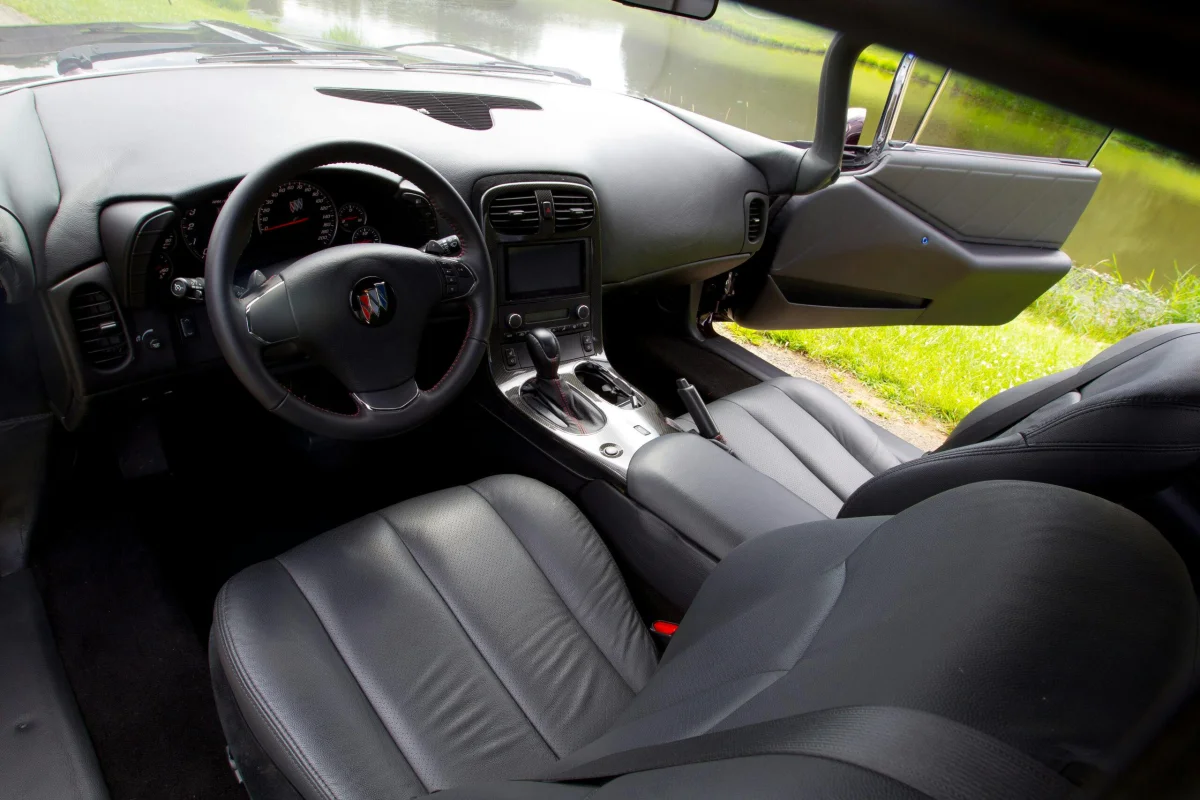
For many of the cars, the foundation is a C6 Corvette chassis, from model years 2005 through 2013. Spohn has fitted versions of it beneath a 1960 Buick, a Jaguar E-Type and a Citroën Traction Avant. Each conversion demands more than adapting mounting points: the rails may need resizing, the body needs reshaping, and the floor, transmission tunnel and firewall often have to be fabricated around the new package.

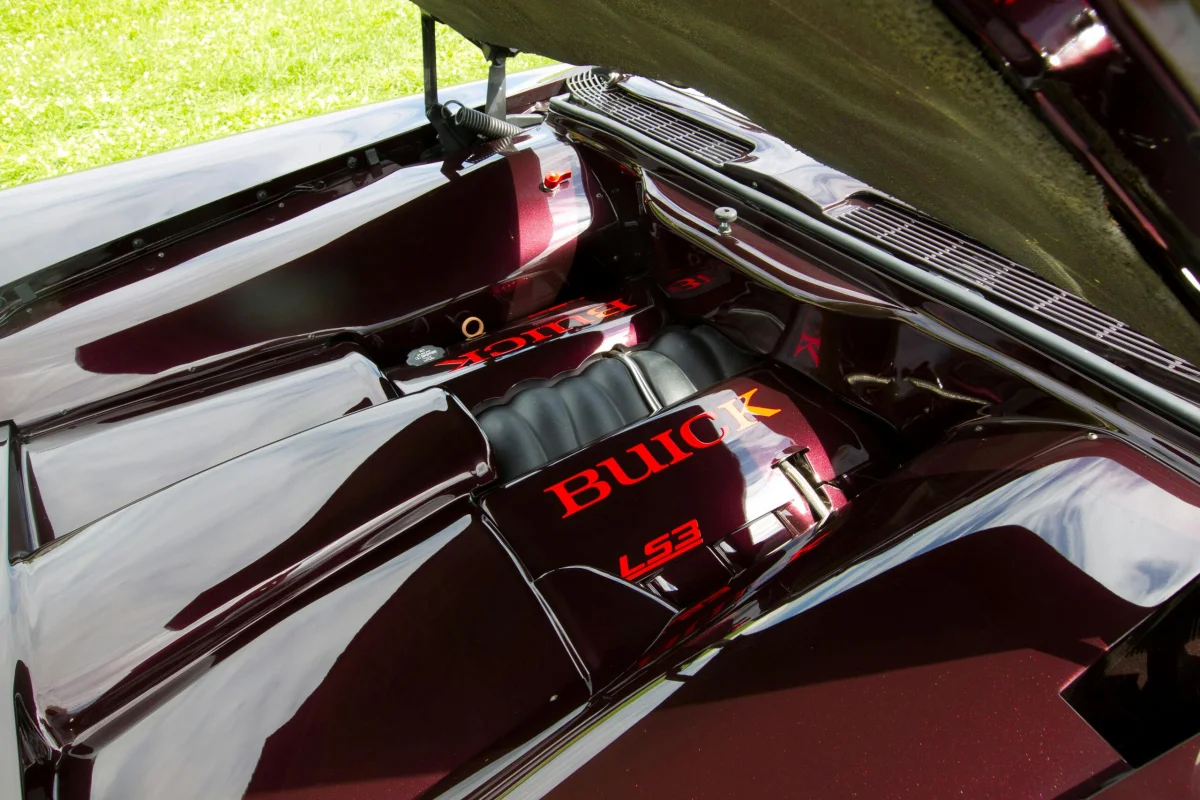
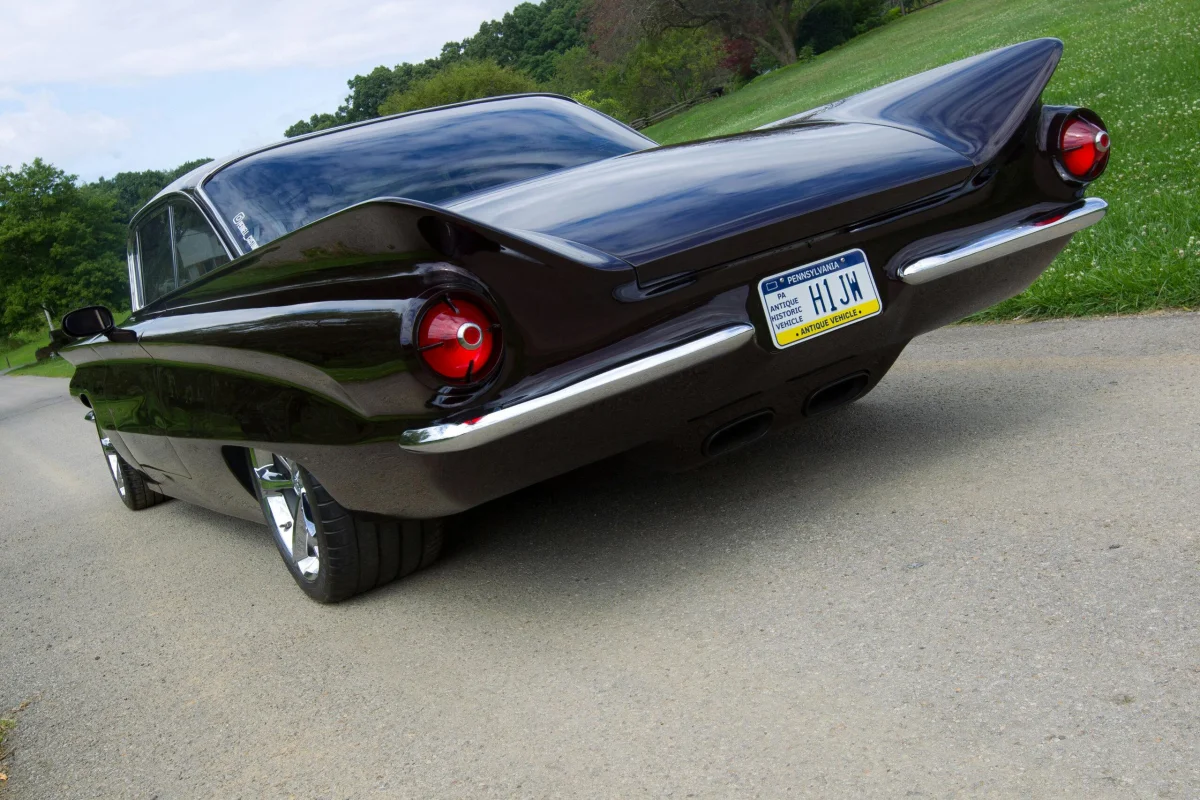
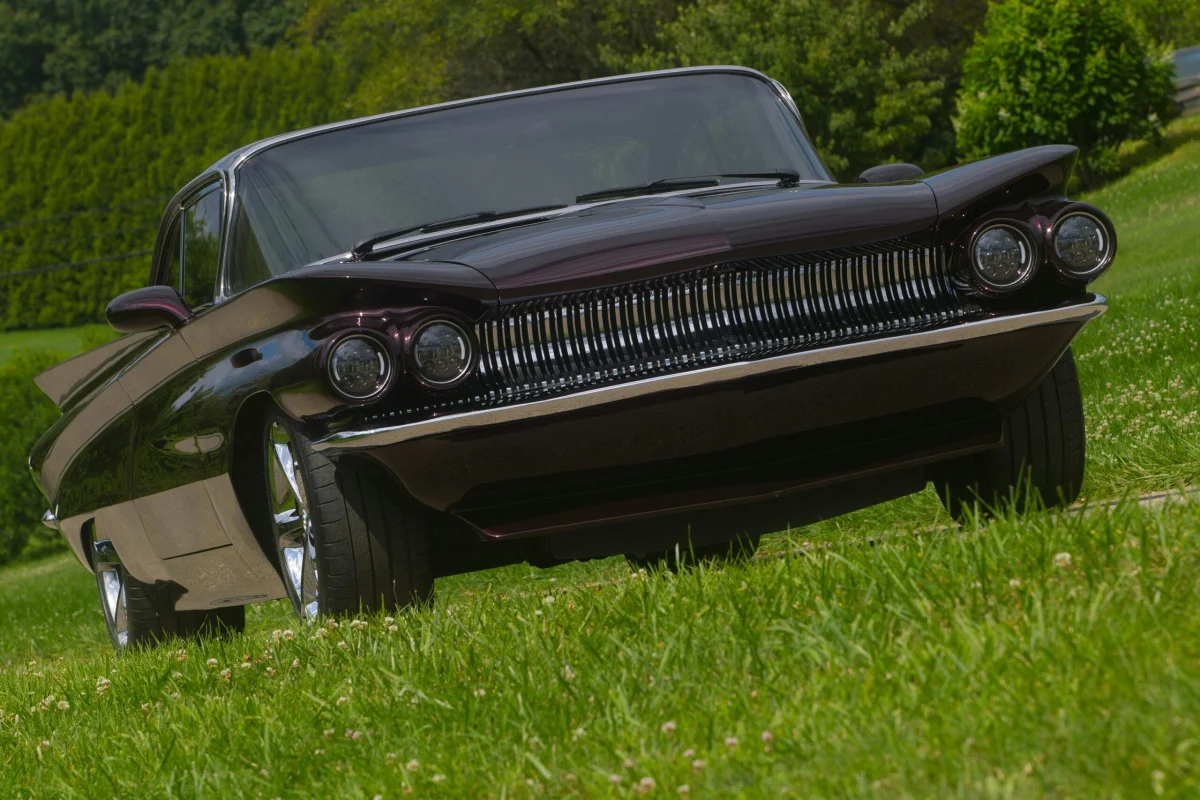
A purple 1960 Buick Invicta illustrates the scale of the work. Its donor is a 2010 Corvette Grand Sport, and the Buick body is about 22 inches longer. Spohn lengthened the frame and torque tube, built a new floor pan, tunnel and firewall, then joined the body and frame into a unibody structure. He says that integration reduces flex; the inner fenders and radiator support contribute to the structure as well.
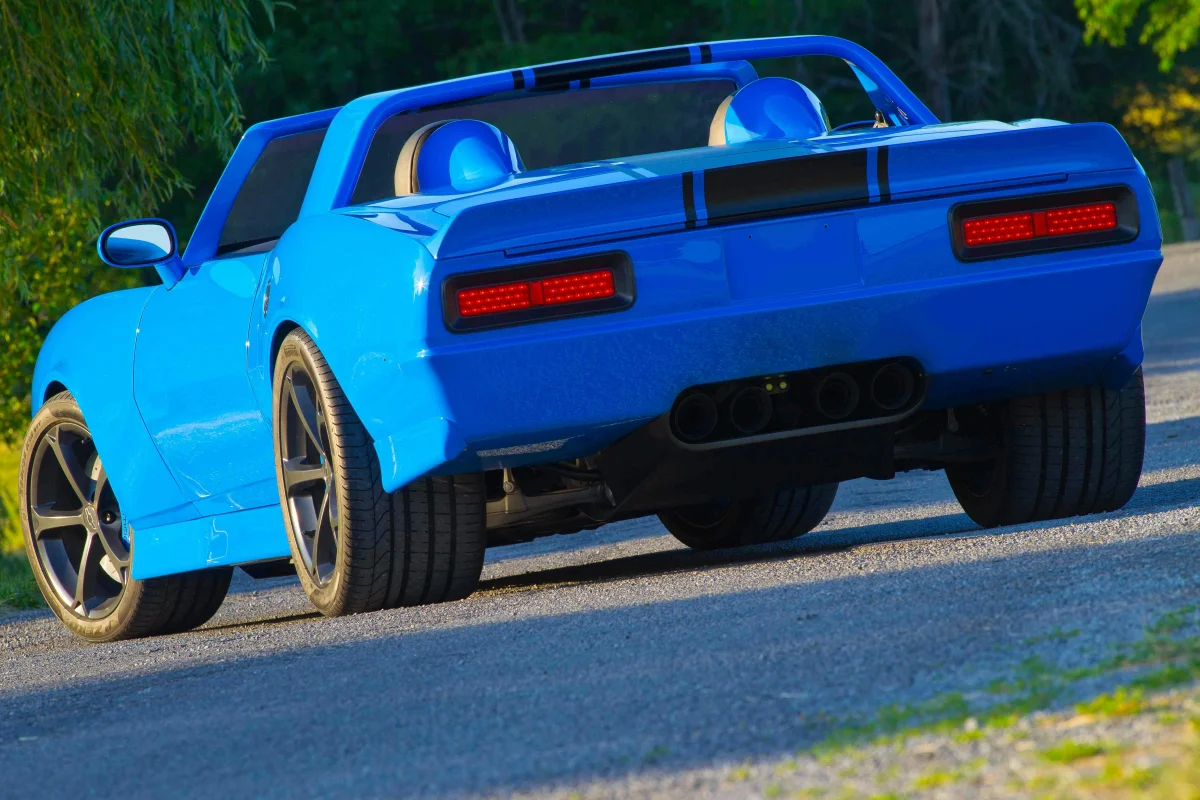
Wider track and tire fitment define another build, a two-seat, sky-blue 1968 Camaro. Spohn says it is 13 inches wider than stock at the rear and 12 inches wider at the front, with 355-section rear tires tucked just inside the fenders. He favors a low, wide stance for handling, but the tight clearances mean the tires can sometimes contact the body when he drives it hard. Stainless-steel tubing around each wheel opening helps protect the fender lip from damage.


Modern components keep the cars usable
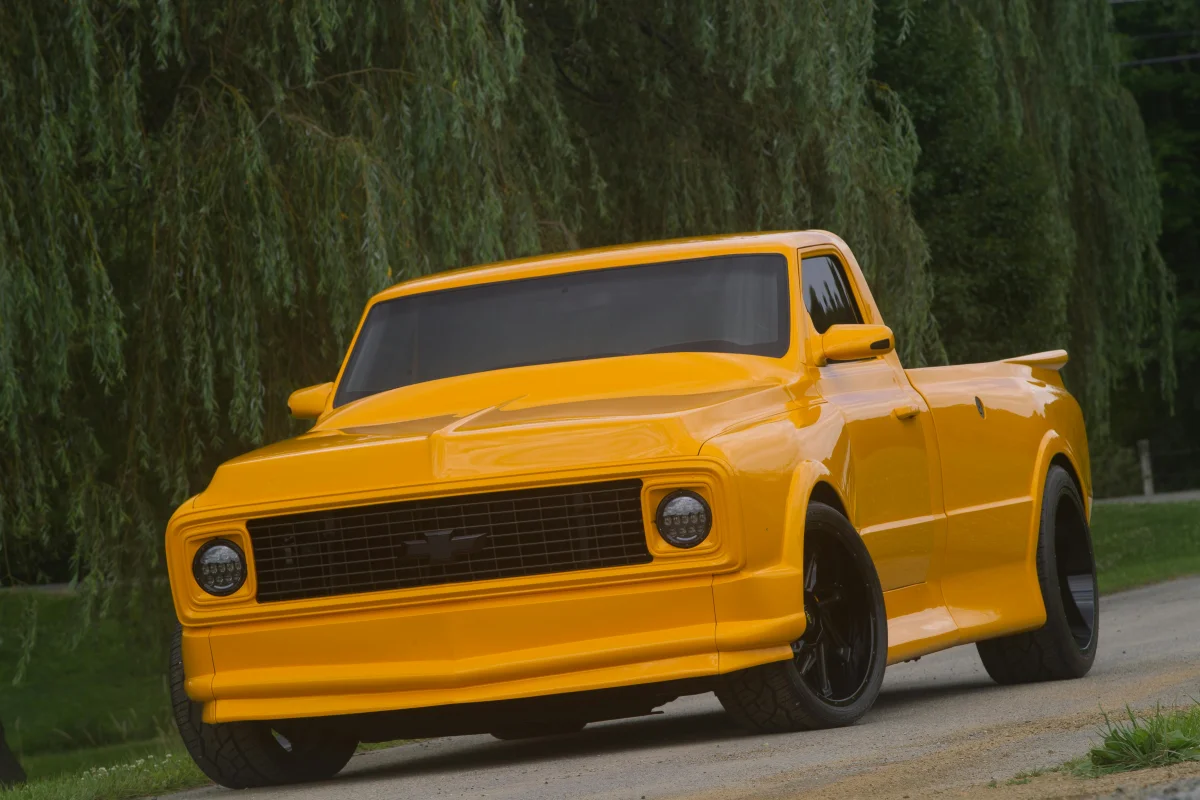
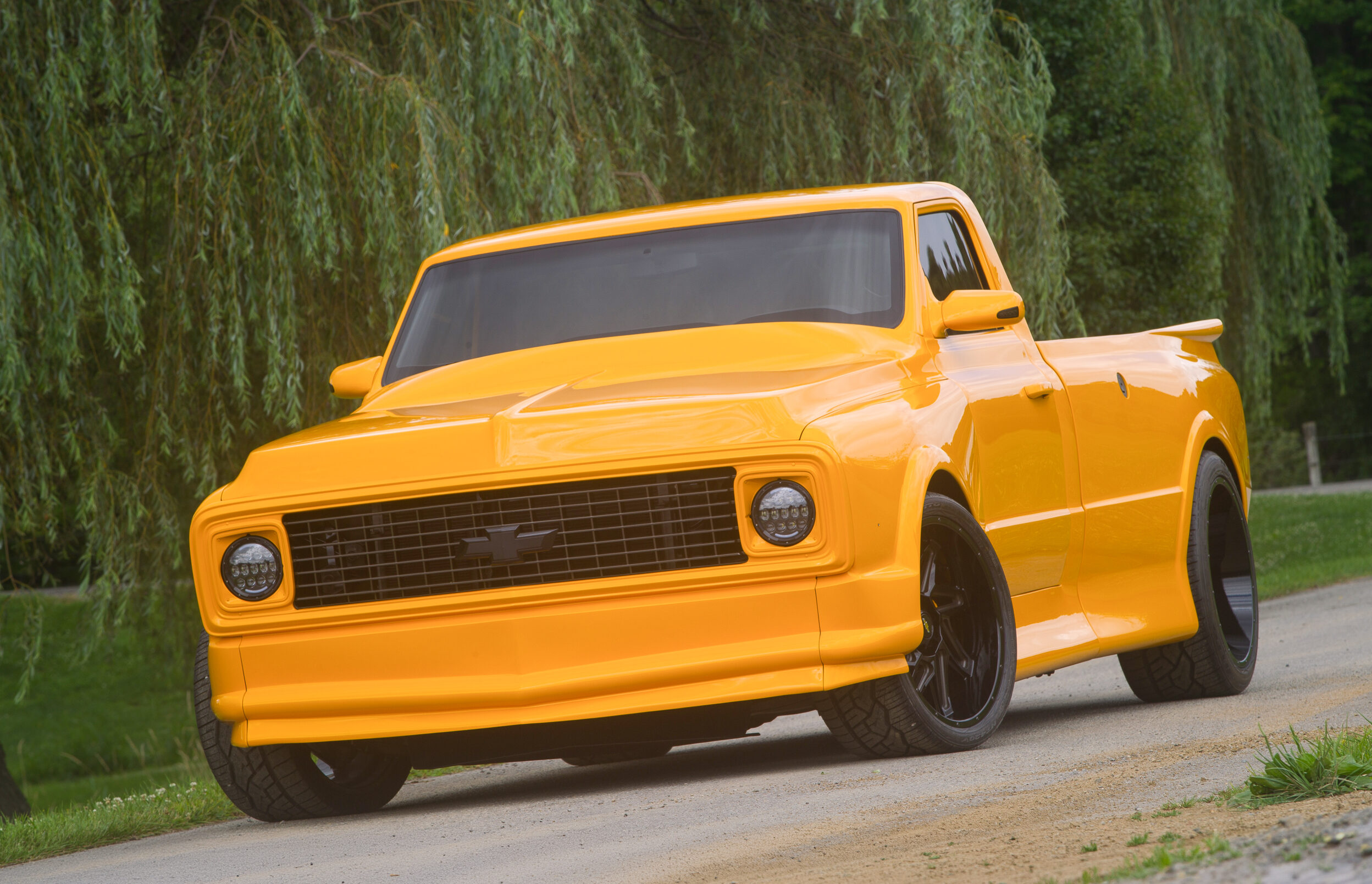
Spohn’s bright-yellow Chevrolet C10 follows a different route. His trucks use late-model GM truck chassis, along with the donor vehicle’s firewall and floor. Those sections provide factory mounting points for systems such as the brakes and HVAC, while the seats also bolt into their original locations. Spohn then blends the classic cab and cowl around these modern hard points.
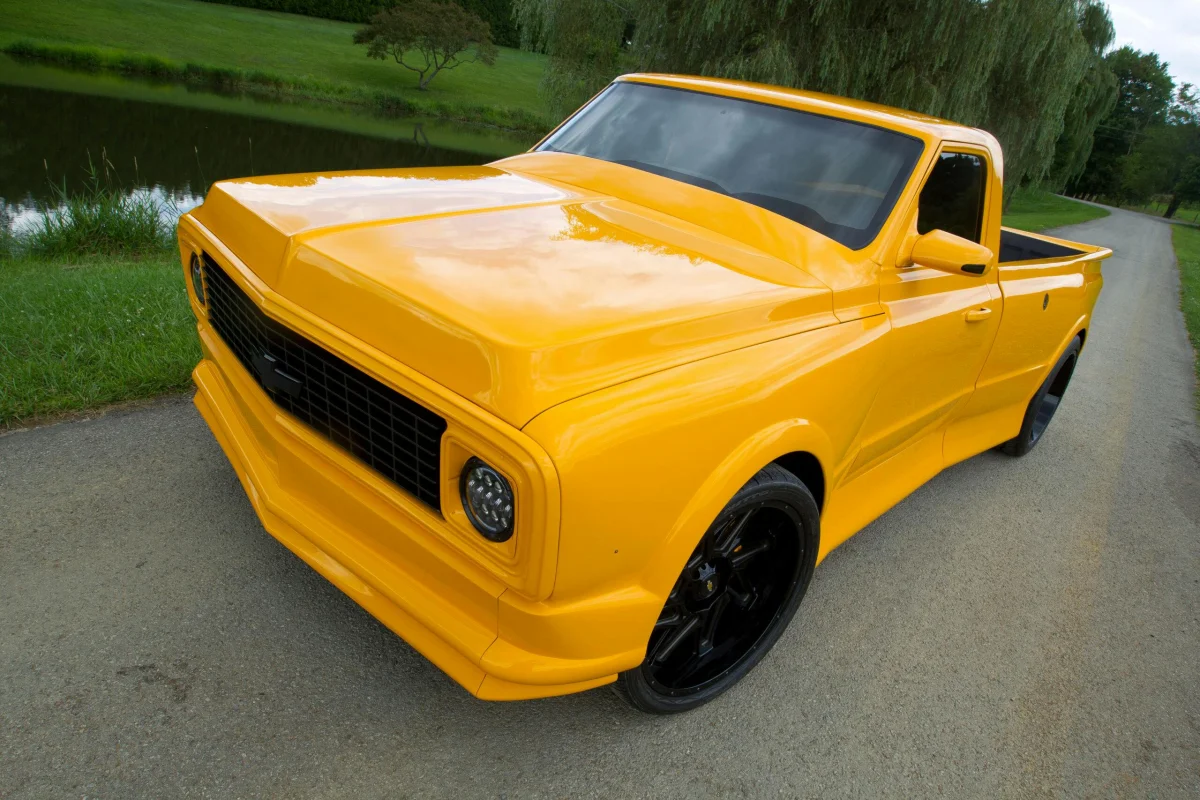
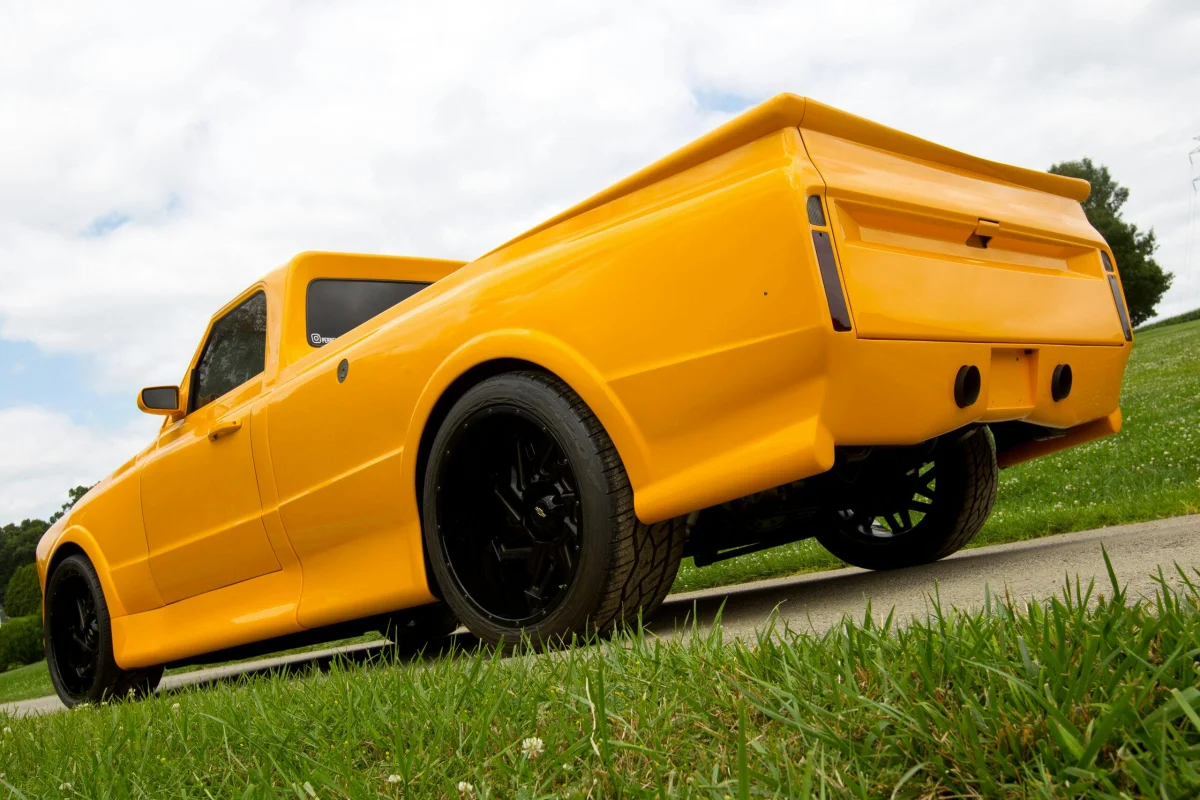
The C10 was built as a shop vehicle, so its drivetrain stayed comparatively restrained. It retains a 5.3-liter engine fitted with an LT4 supercharger, producing 480 lb-ft at the wheels. Keeping factory components also allows the systems to work through the donor vehicle’s body control module. Spohn prefers original equipment where it fits because, in his view, it carries years of engineering and is more likely to keep working over time.
The same method applies to a square-body Chevrolet Suburban built on a 2022 GM truck chassis with a 6.6-liter diesel. The tight engine bay made radiator packaging a particular challenge. Spohn also transferred components such as the window regulators and door latches from the donor, so the body control module continues to operate with the vehicle’s equipment.
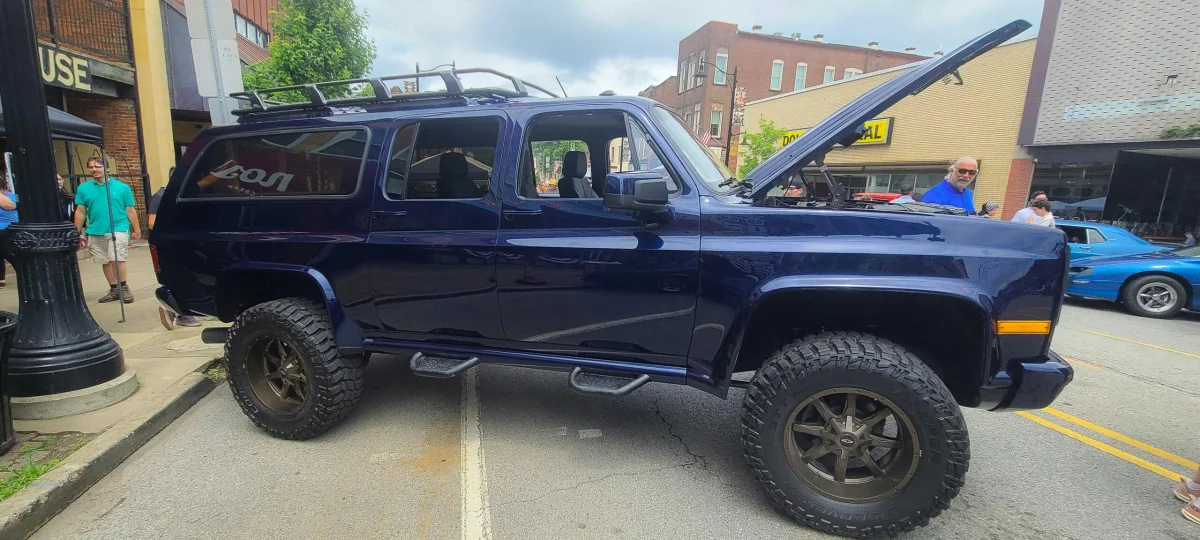
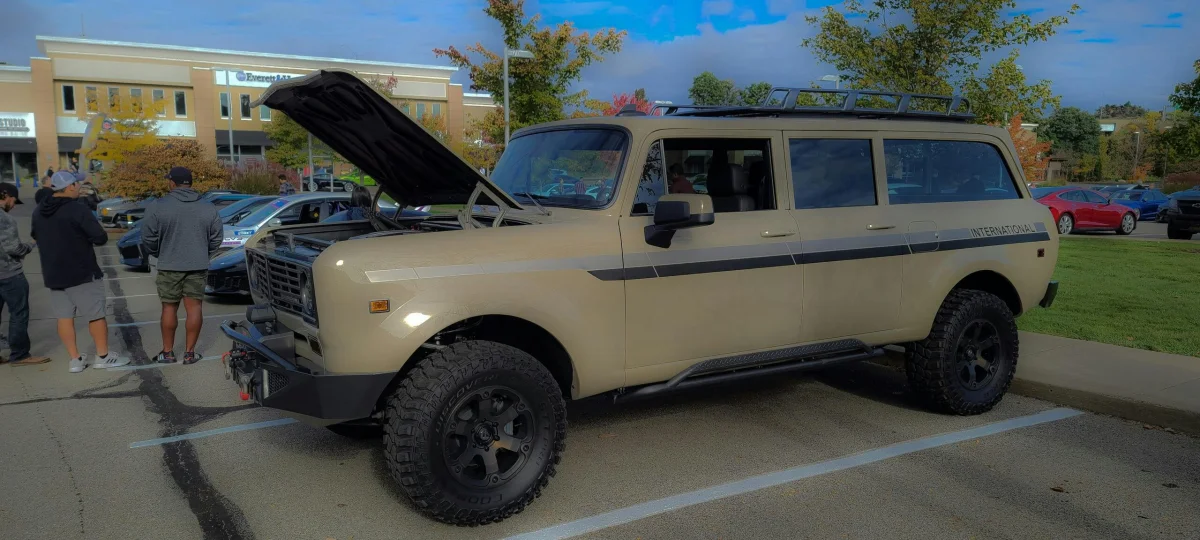
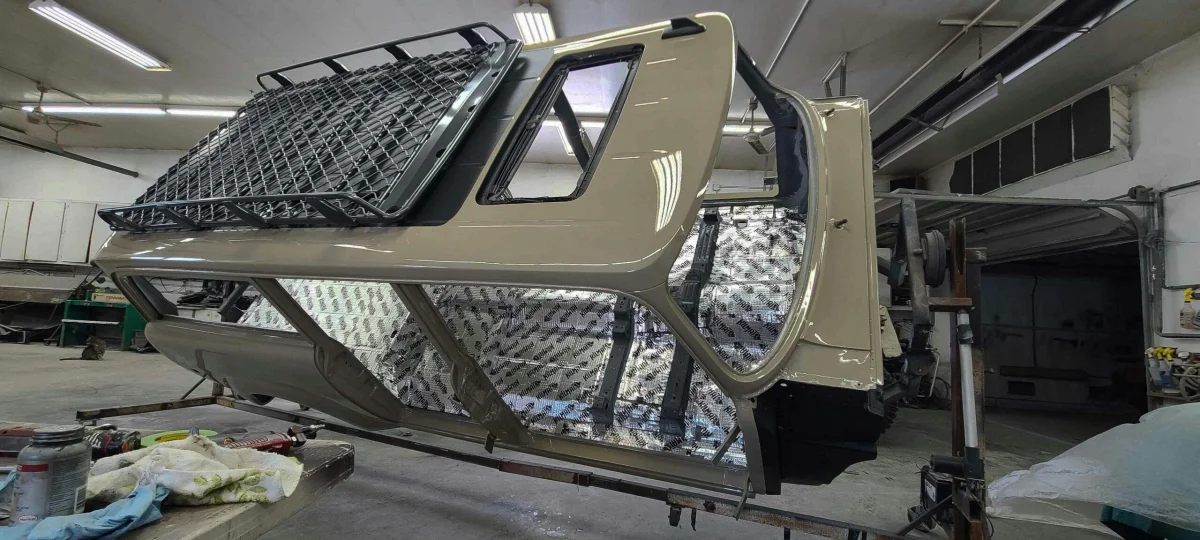
The Suburban had a buyer lined up before completion: an owner who already had one of Spohn’s builds, an International Travelall. Spohn began the project expecting that customer might want another, then agreed on the sale after the body was mounted to the new frame. Repeat customers help sustain the business, although the shop accepts new clients too. Spohn works exclusively in metal and turns down fiberglass projects, saying the material can change shape over time.
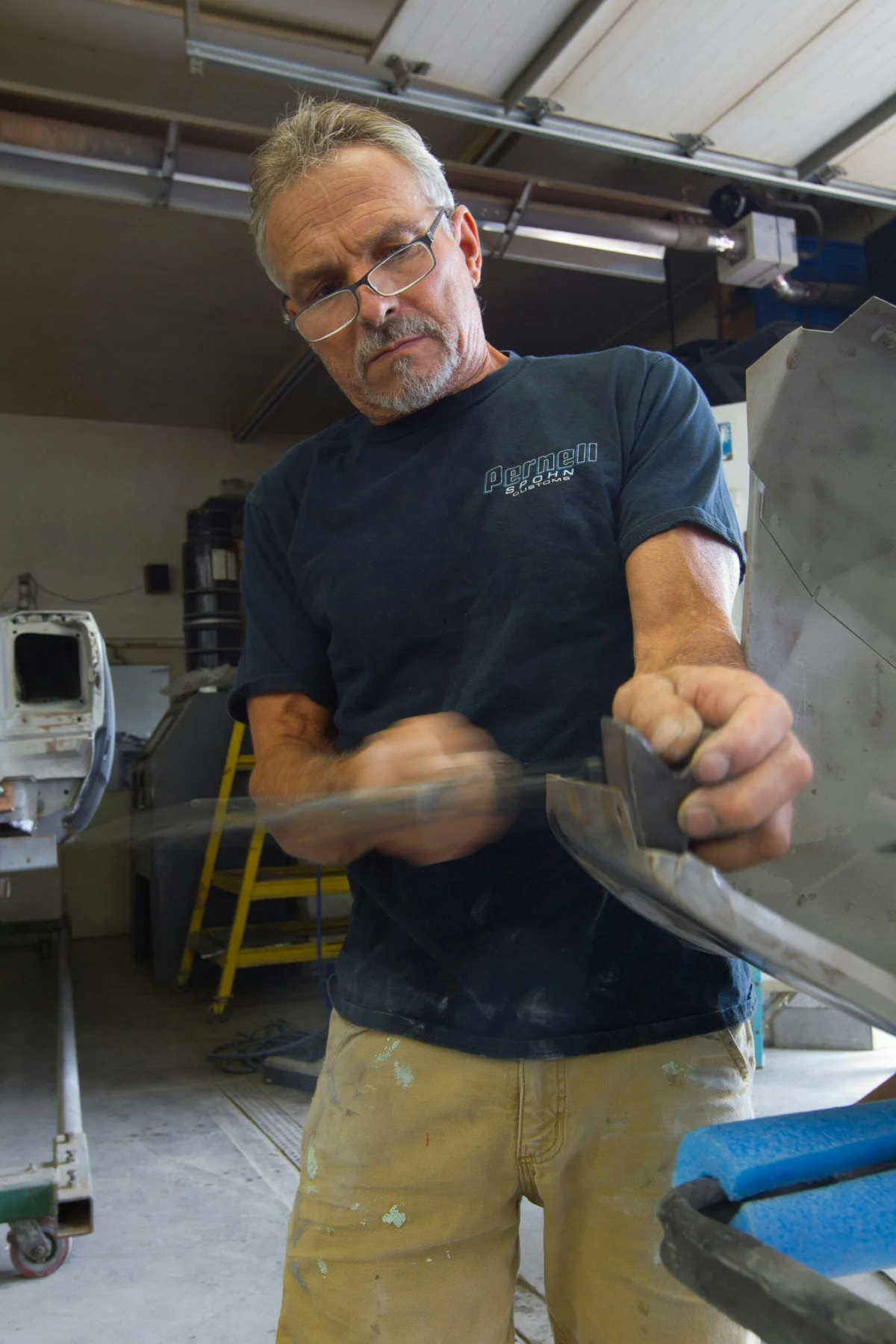
Handmade metalwork, with road use in mind
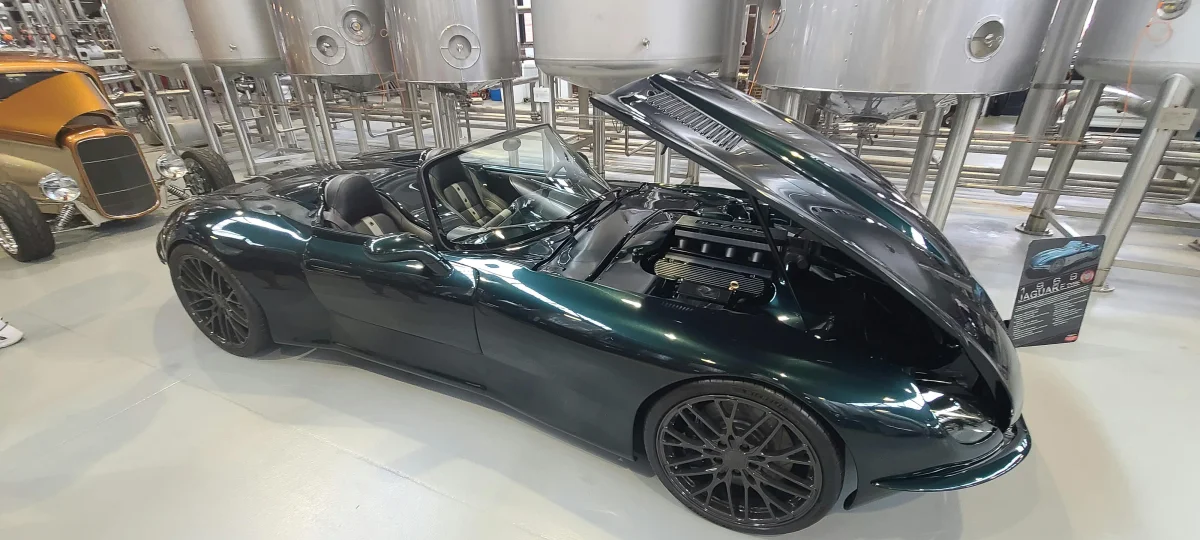
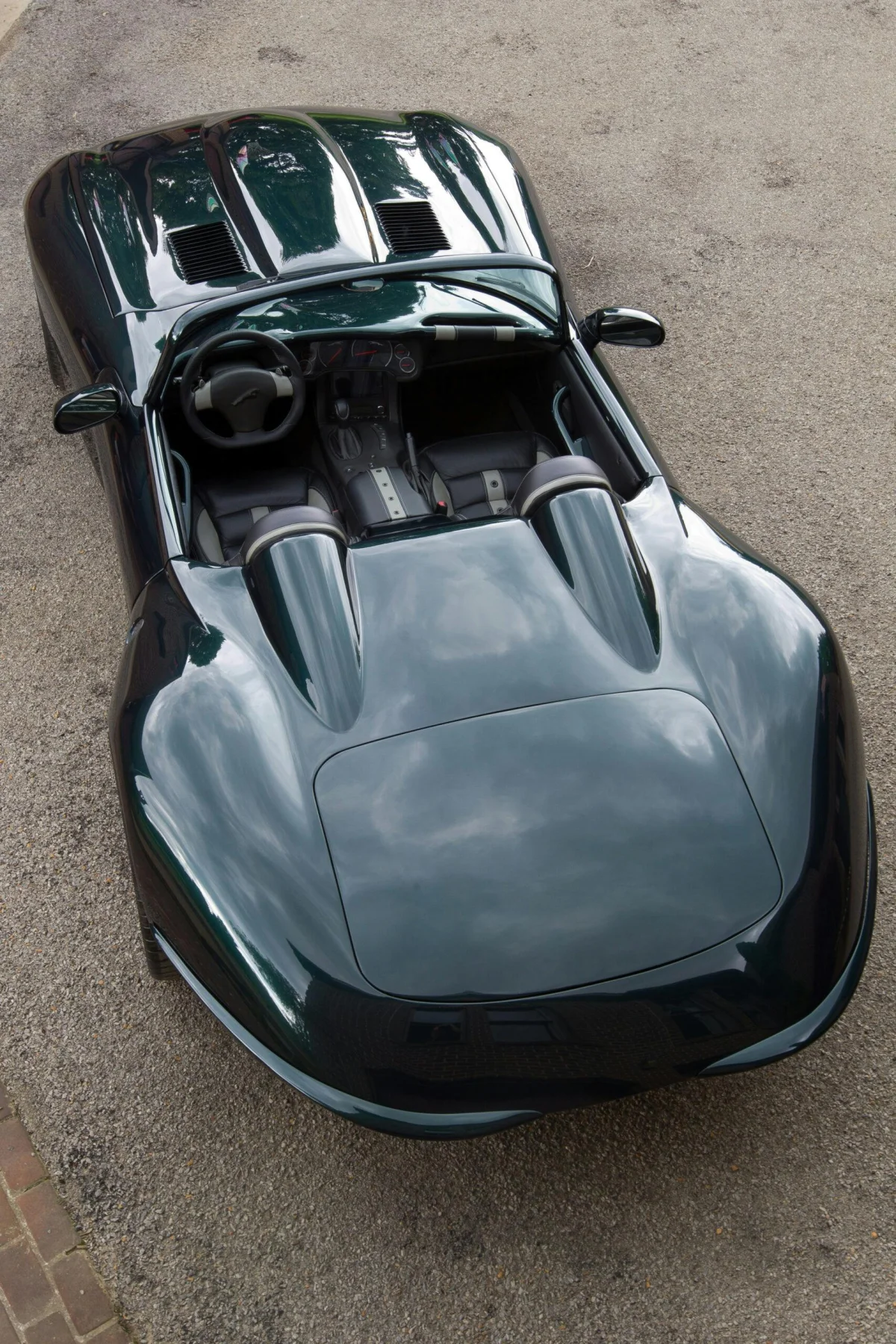
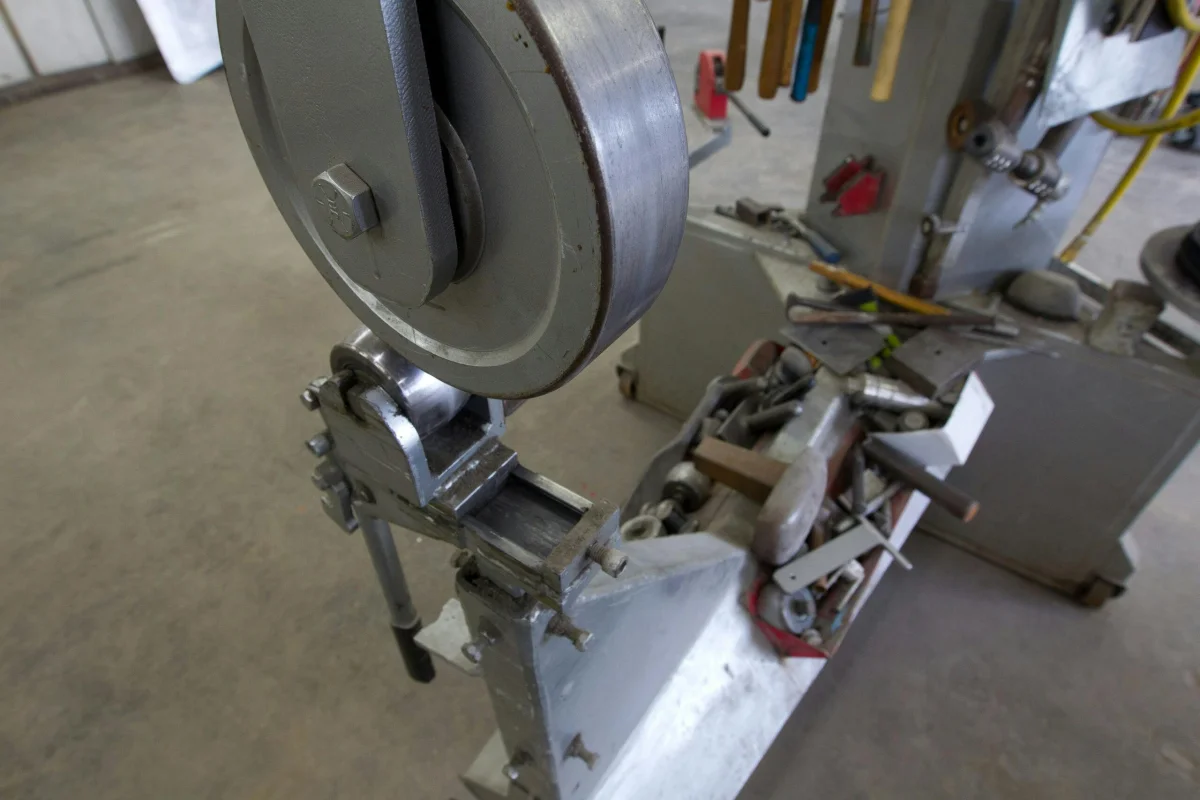
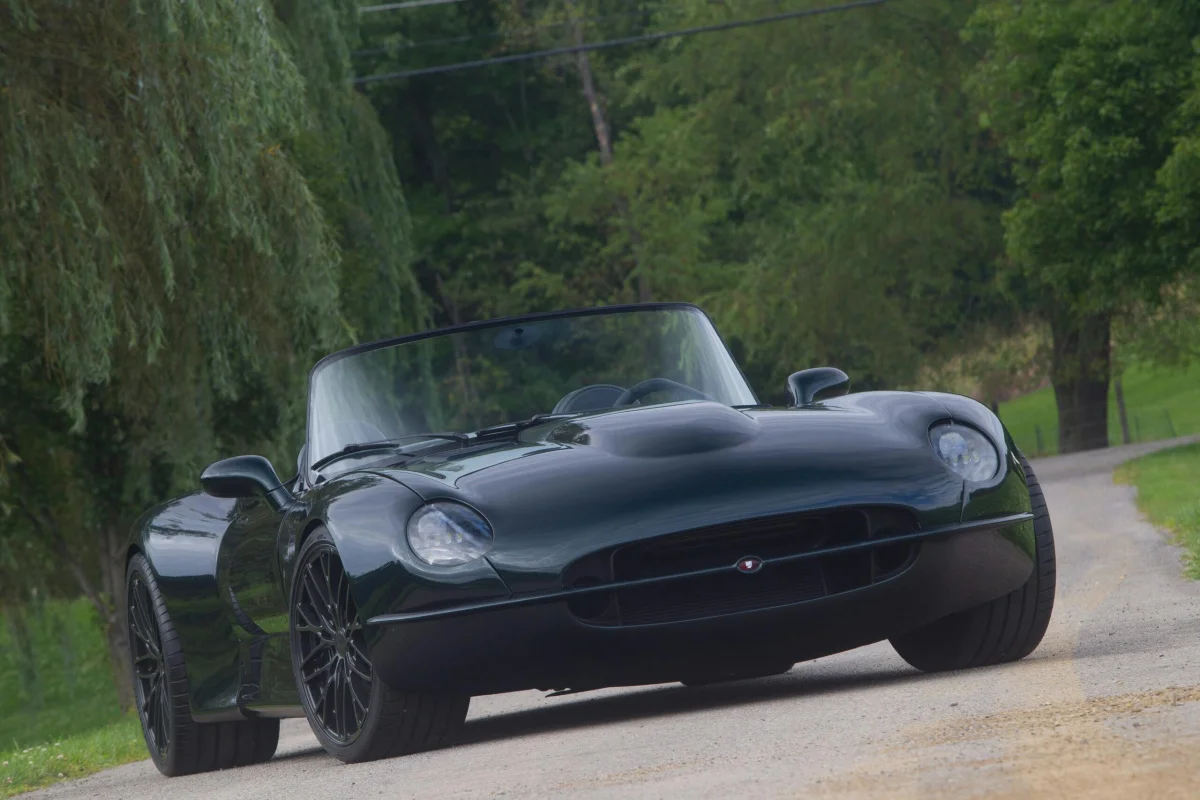
The most involved bodywork may be the 1969 E-Type. The car had already been modified from a hardtop into a convertible, so Spohn rebuilt the body rather than preserve that earlier project. He formed the body from 20-gauge steel and aluminum, including the windshield surround, and made custom hinges for the front section.
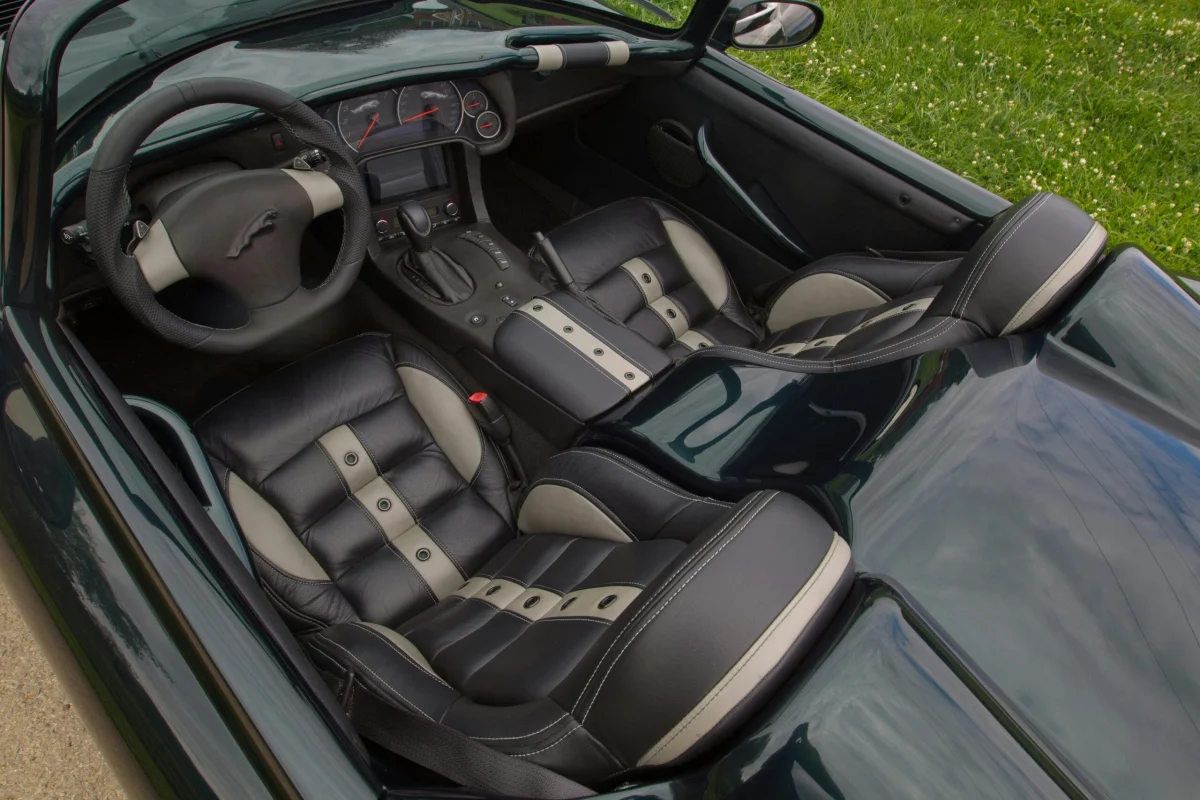
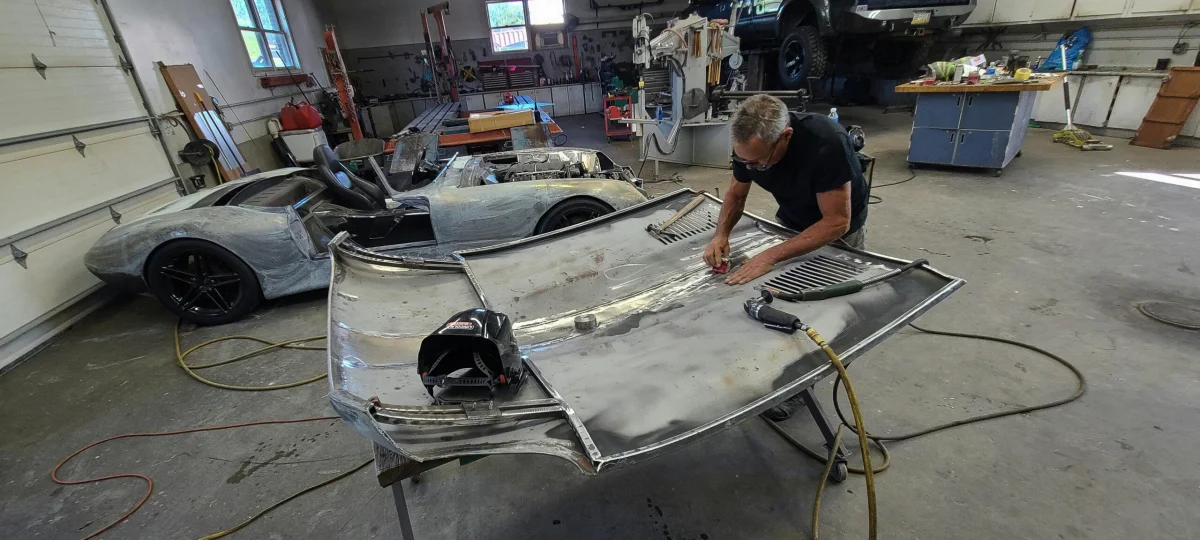
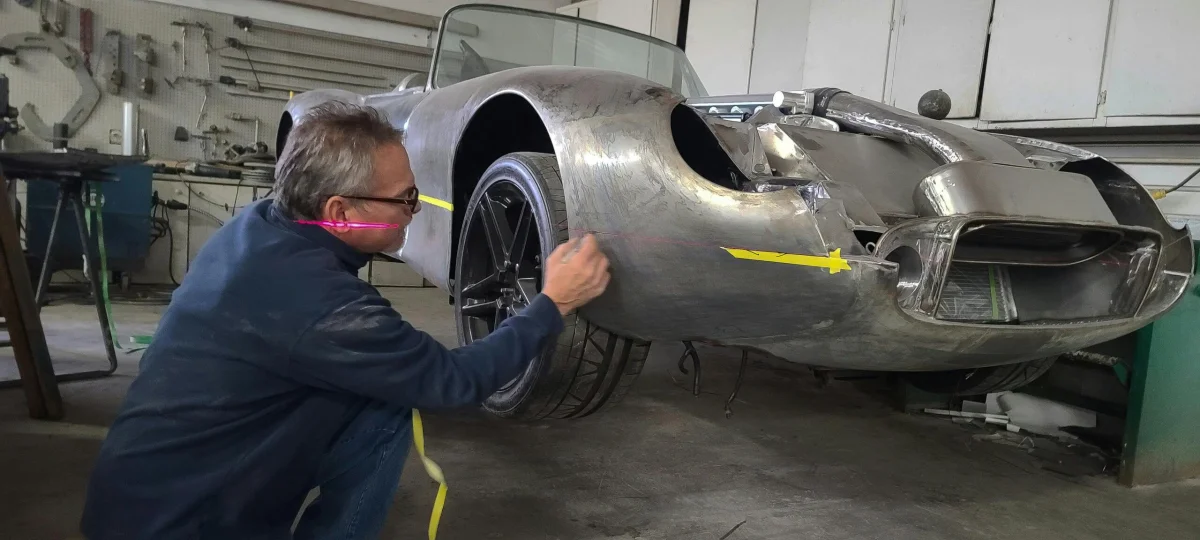
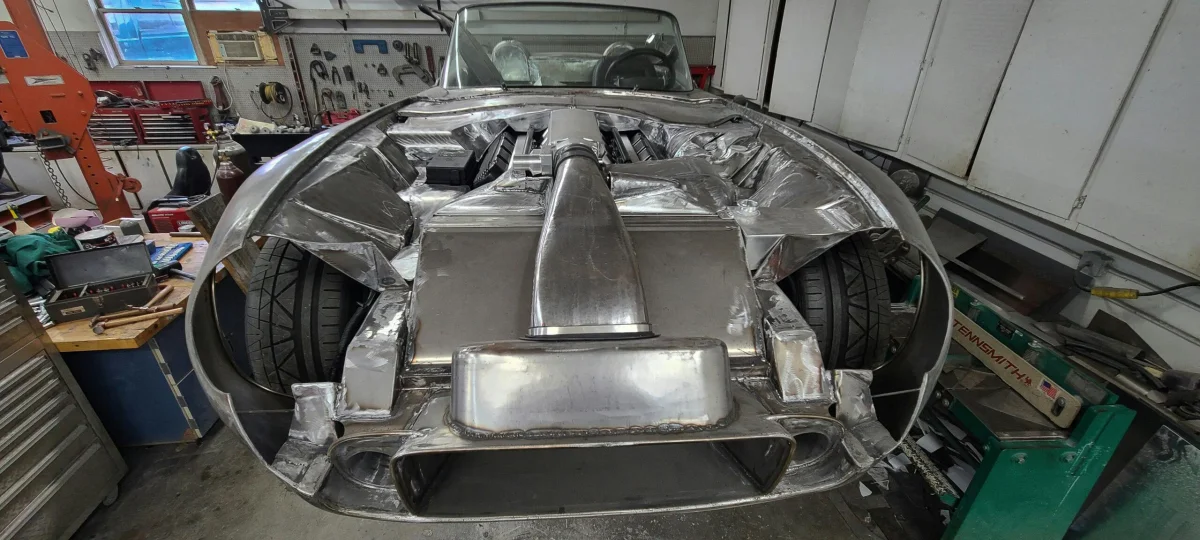
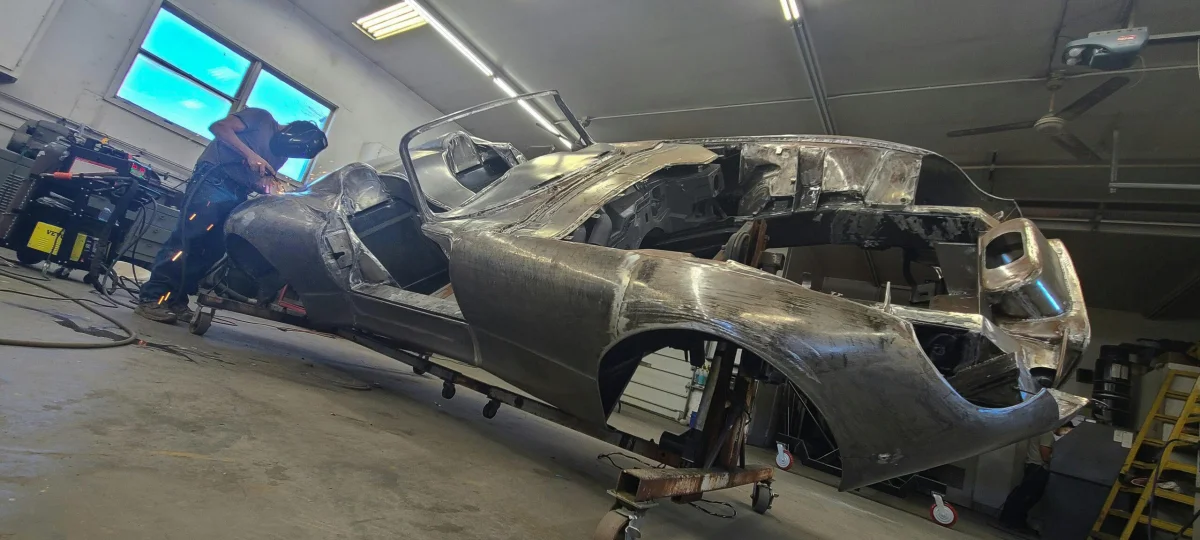
The hood design shows the tradeoffs in one-off fabrication. Spohn cut it to open above the headlights and later reckoned a single front piece would have saved about three weeks of work. The chosen layout, however, is now integrated with the body and operates through custom-made hardware. The finished E-Type keeps the model’s recognizable outline while adding a broader, more muscular profile.
In the shop’s newer building, a 1954 Citroën Traction Avant shows how far the formula can stretch. The front-wheel-drive French car is being rebuilt around front and rear sections of a C6 Corvette frame, with a fabricated center section connecting them. The floor was cut and pushed outward by about two feet, and a rear floor pan from a Subaru BRZ provides shaped recesses for the back seats.

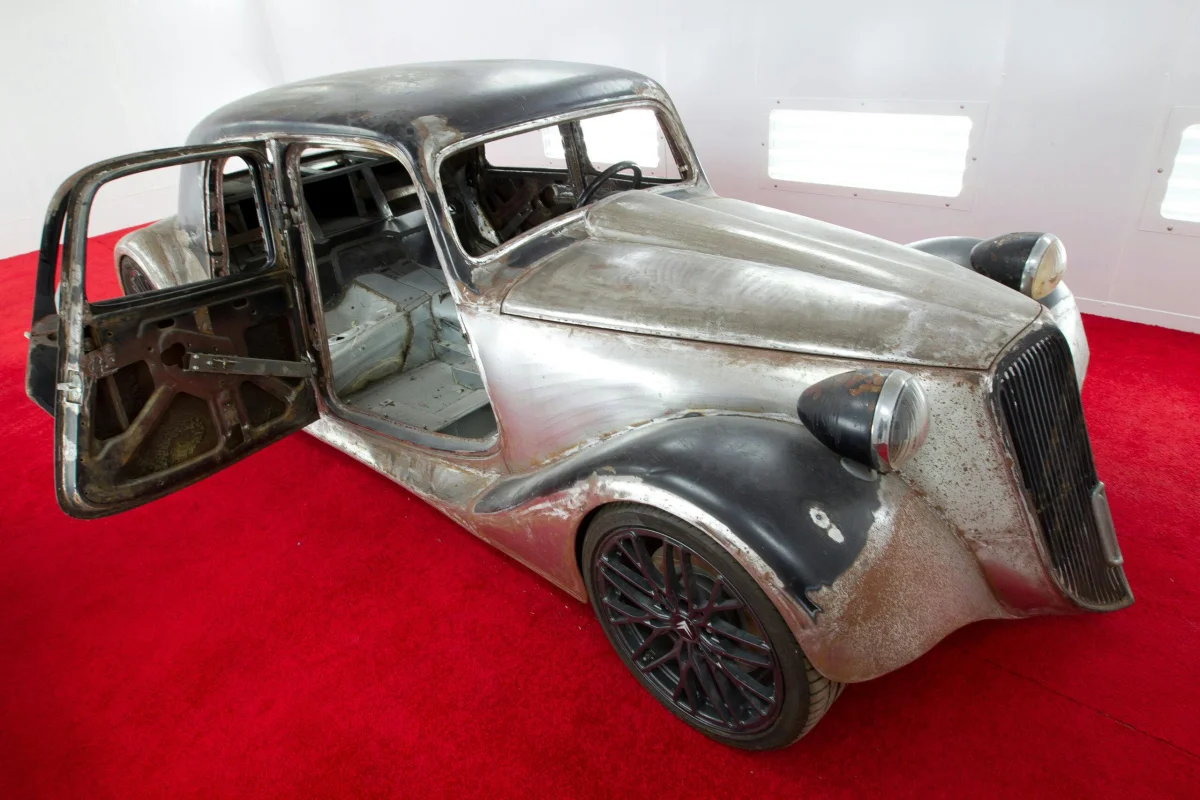
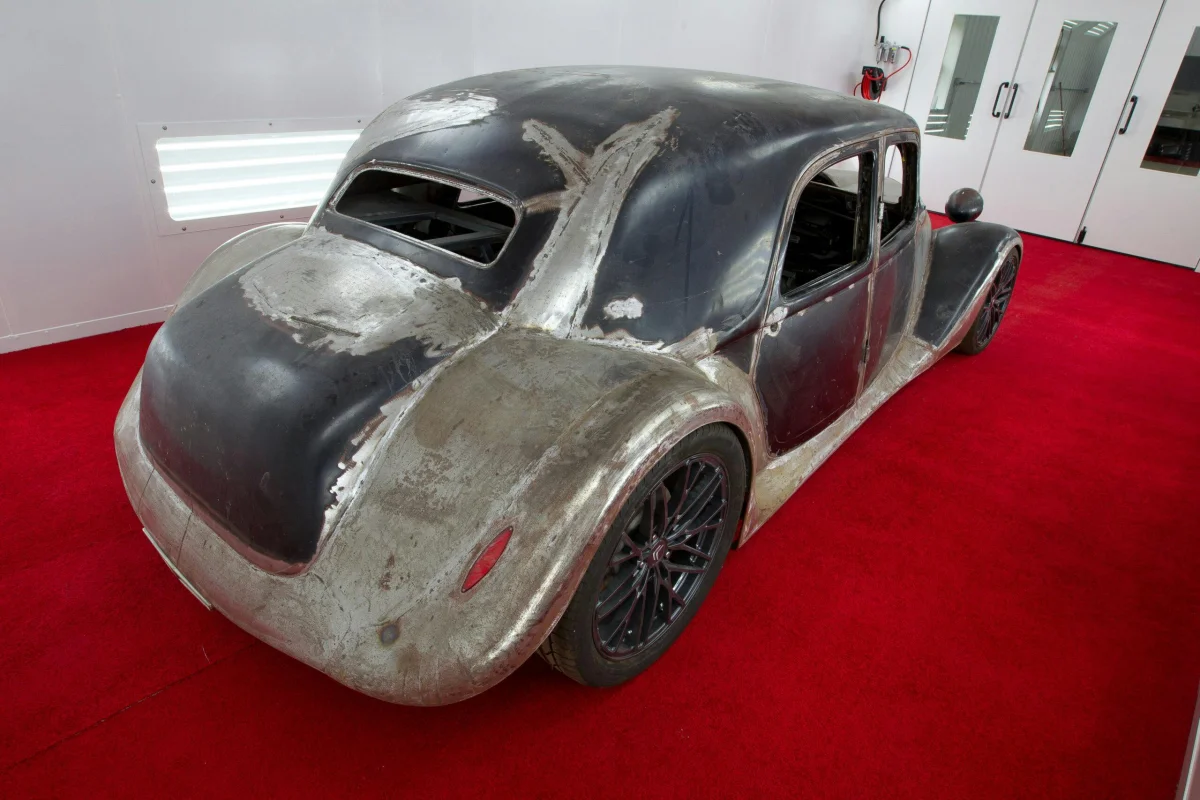

Spohn describes the original Traction Avant as a rigid, high-carbon-steel unibody with little room to package modern components. Fitting the windows and making the seals work have been difficult. A supercharged LS engine is planned, to meet the owner’s brief for a car that can carry the family for ice cream and still do a burnout.
Spohn sums up the priorities behind the builds in order: drivability first, livability second, appearance third. The styling follows the mechanical work and the metal shaping that make each conversion function. For buyers drawn to classic lines but unwilling to give up modern systems, his approach offers a distinctive proposition: a familiar body reshaped around contemporary underpinnings, with the finished car intended to see the road.