Stellantis Ends Peugeot WEC Programme and Sets Formula E Exit for 2027
- Cargo
- Electric Vehicles
- Shipped
- Shipper
- Samarth Kanal
- Readers
- 948
Peugeot’s endurance effort stops immediately, while Citroen and Opel will race in Formula E through the end of the 2027 season.
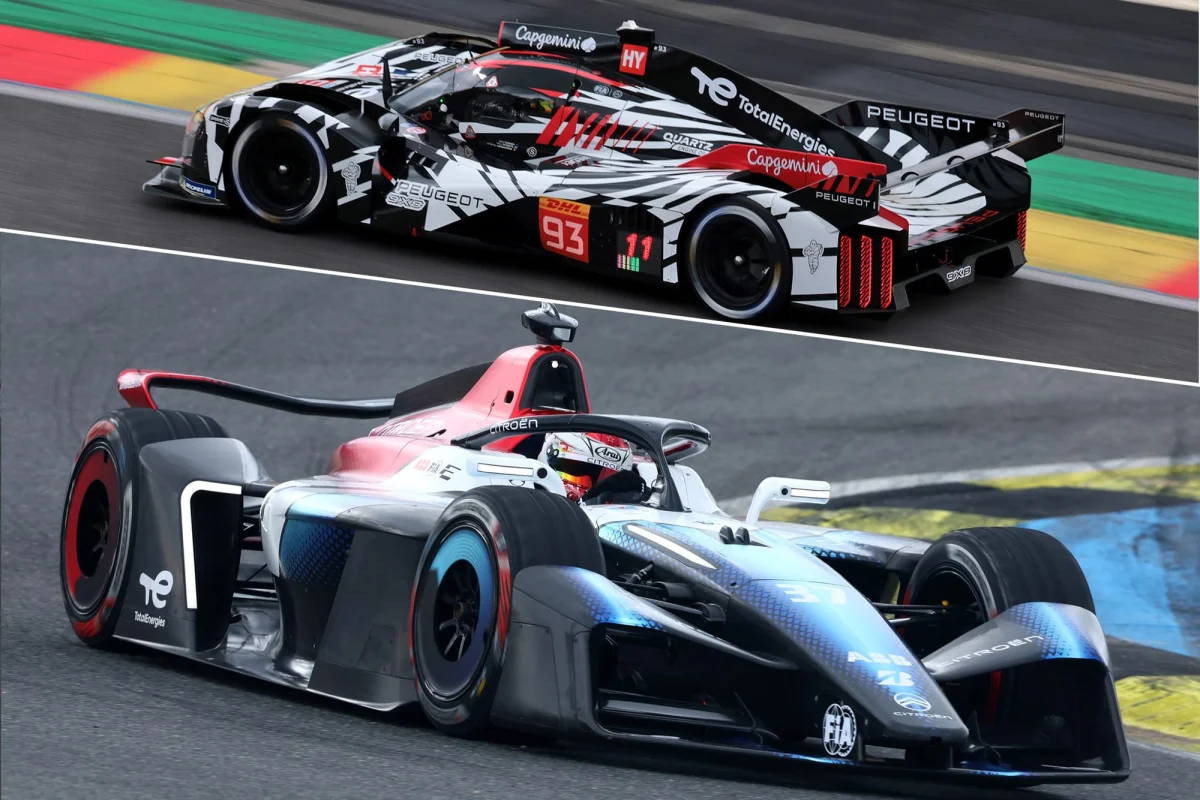
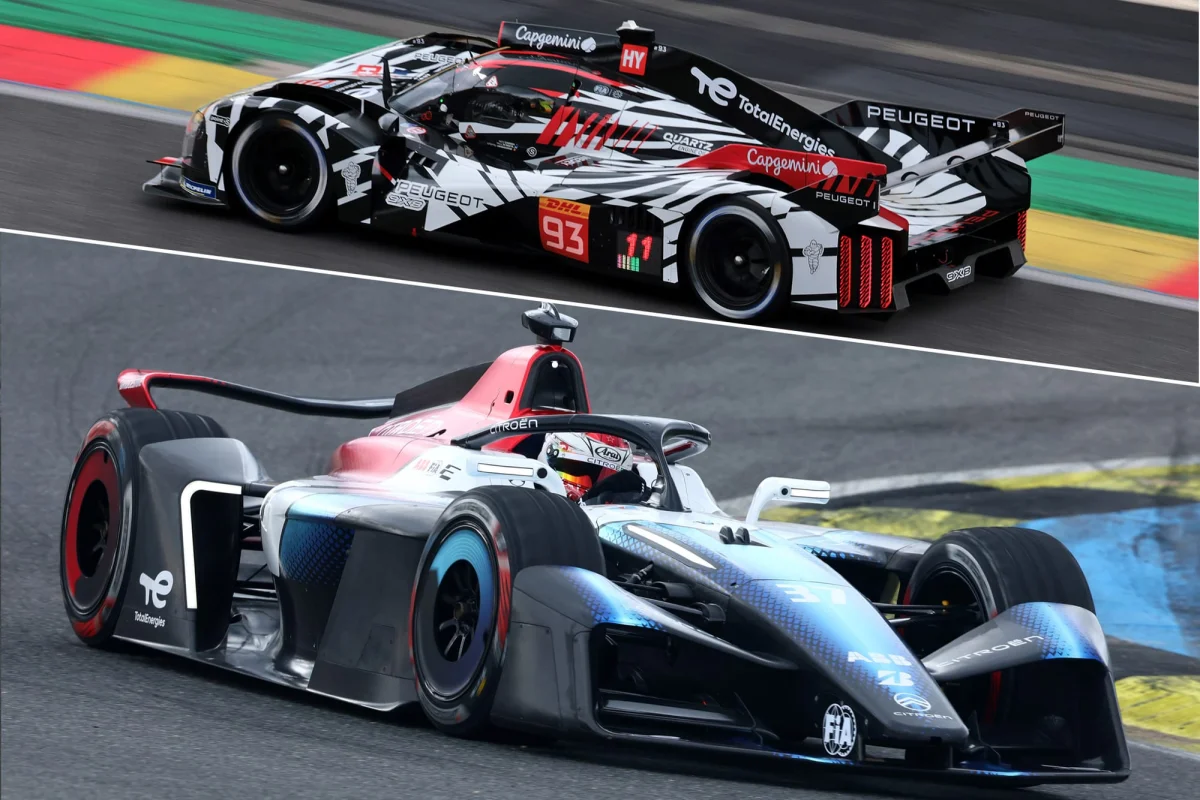
Stellantis is pulling back from two of its highest-profile factory racing efforts. Peugeot’s World Endurance Championship programme ends immediately, while Citroen and Opel will leave Formula E after its 2027 season, which concludes next August. The timing gives Stellantis one season of competition with the Gen4 Formula E cars it has developed, but brings the group’s planned expansion in electric racing to a close after that.
The decision reshapes team plans across both series. Peugeot had been preparing to develop its 9X8 Hypercar for the 2027 WEC season, while Opel was due to make its Formula E debut with a new team. Citroen’s Formula E squad, meanwhile, had recently begun racing under Stellantis’ direct stewardship. Those programmes now have sharply different futures: Peugeot stops now, and the Formula E operations get one final season.
Formula E loses a two-brand commitment
Opel’s arrival would have added a new manufacturer team to Formula E, with its own programme and team licence. Stellantis had also brought the Citroen-branded squad, previously run as Maserati by Monaco Sports Group, under its control at the group’s Satory base. For the series, putting two brands on the grid was a substantial commitment as it entered the Gen4 era. That commitment will now last only through the end of the 2027 season.
Citroen’s current line-up includes double champion Jean-Eric Vergne and Nick Cassidy, a two-time series runner-up. Cassidy secured the brand’s first win in only its second race last season. Opel had recruited Mitch Evans after his decade with Jaguar; Evans has been a Formula E runner-up twice and has won 16 races. His planned team-mate is Theo Pourchaire, the 2023 Formula 2 champion.
The changes follow the earlier departures of Audi, BMW and Mercedes from Formula E, along with the end of the McLaren programme that took over Mercedes’ entry. Once Stellantis’ teams leave, Porsche, Jaguar and Nissan will be among the series’ most recognisable manufacturers. The loss of Opel and Citroen also means Formula E will have less of the multi-brand backing that Stellantis had been preparing to bring into its next car era.
Peugeot’s endurance effort stops before its planned update
Peugeot’s exit is its second withdrawal from top-level endurance racing and the Le Mans 24 Hours. The brand left before the 2012 season over costs, then returned about a decade later after Stellantis was formed. In July 2026, team principal Emmanuel Esnault said Peugeot aimed to improve the 9X8 for 2027 and place it consistently among the leading Hypercars. The car had yet to win a race.
The planned work will not proceed as a WEC programme: Stellantis is ending the effort immediately. The team’s intended 2027 driver group had recently gained ex-Ferrari development driver Robert Shwartzman and promoted reserve driver Alex Quinn. The departure therefore changes the outlook for both the car’s development and the drivers who had been named for next season.
Stellantis’ motorsport retreat comes as the company reports losses of more than €22 billion per year in 2025 and 2026. Under CEO Antonio Filosa, it is seeking €6 billion in savings by 2028. The company said the racing decisions fit its FaSTLAne 2030 plan, which directs resources toward new products, quality and wider market coverage.
Le Figaro reported that 300 positions are tied to the programmes, including as many as 220 permanent roles. Stellantis said it would look for internal opportunities for affected employees in customer racing, high-performance vehicle development and other core activities. It also described its aim as strengthening customer racing, with particular attention to its multi-brand rally-car sales.
Customer racing remains central to the stated plan
The group’s retreat from factory-backed programmes does not remove its other motorsport activity. Citroen’s C3 Rally2 has competed since 2018 and ran in WRC2 this year. Lancia’s WRC2 effort, operated with PH Sport, won the teams’ title this year. Because that effort is less directly structured as a factory entry than Peugeot’s WEC team or the Formula E projects, outside funding could allow it to continue.
Opel also runs the ADAC Opel GSE Rally Cup, an electric one-make series that feeds into the European Rally Championship. Those activities fit Stellantis’ stated focus on customer racing and rally-car sales, though the company’s direction does not by itself confirm the future of each individual programme.
Dodge’s planned return to the NASCAR Cup Series in 2027 is unaffected. A Stellantis North America spokesperson told The Race that there are “no changes” to its programmes in the United States. For buyers and fans tracking the group’s racing presence, the clearest distinction is between the factory efforts being wound down and the customer-focused activities that Stellantis says it intends to strengthen. The next concrete marker is Formula E’s 2027 finale, while Peugeot’s WEC withdrawal takes effect now.