Morio Nitta Ends Three Decades in SUPER GT at Motegi
- Cargo
- Electric Vehicles
- Shipped
- Shipper
- Jamie Klein
- Readers
- 530
Three-time GT300 champion Morio Nitta will leave SUPER GT after this season, closing a 30-year run. Manabu Orido and Masaki Jyonai are also stepping away.
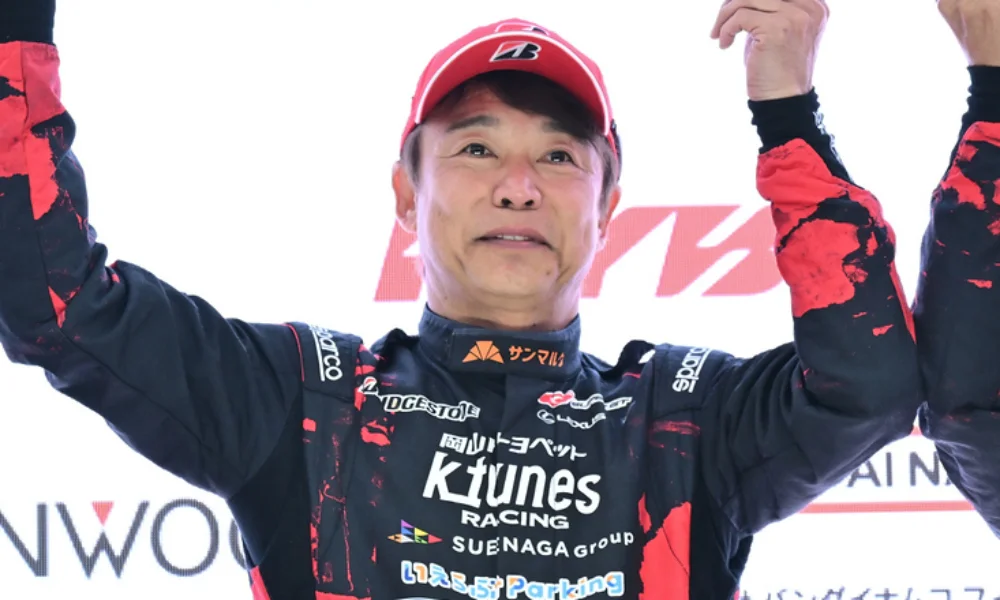
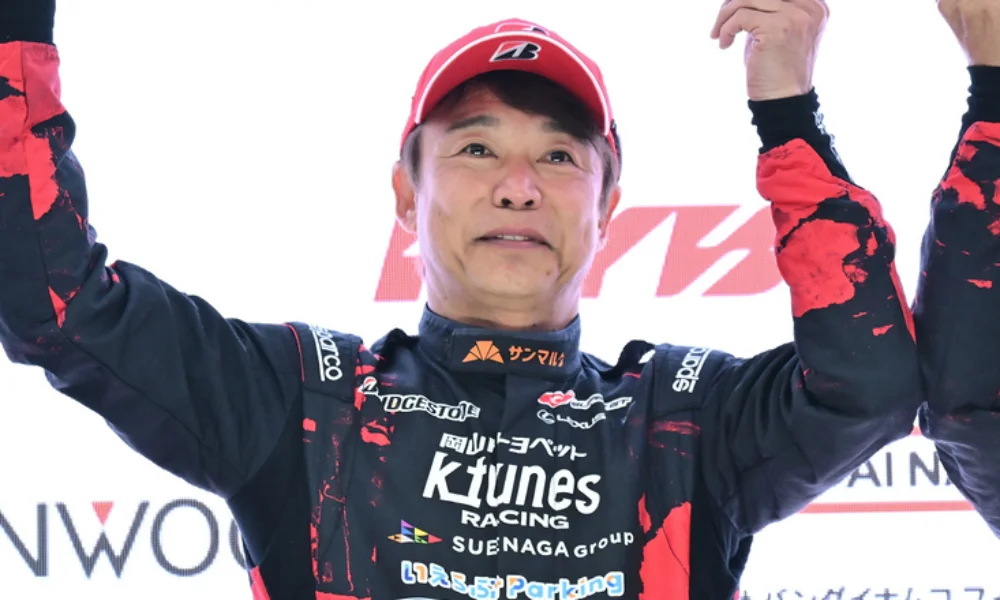
Photo: SUPER GT
Morio Nitta is leaving SUPER GT at the end of 2025, and the timing is hard to ignore. He made the announcement on Wednesday, days before the season-closing double-header at Motegi, and only weeks after a win at Autopolis that ended a seven-year drought. For a driver who has been in the series since 1996, it's a farewell that arrives with the momentum still going.
A career built in one class
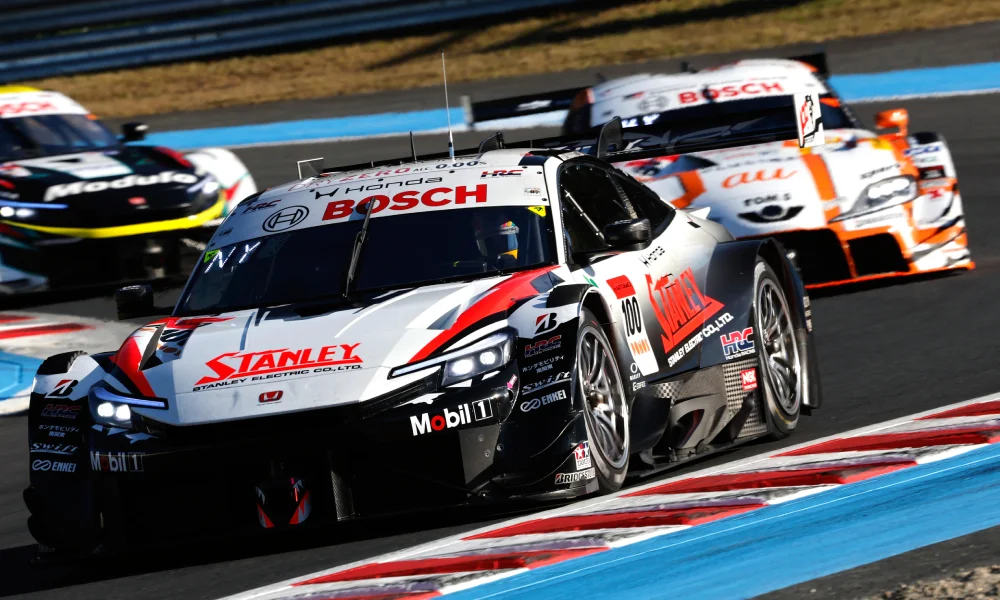
Nitta is 59 and has never left GT300 in three decades of SUPER GT competition. That's a rare thing in a series where drivers often move up to the GT500 headline class when results allow. He won the GT300 title in 1996, 1999 and 2002, and his tally of 23 class victories is the most of any driver in the category. His co-driver Shinichi Takagi, who sits one win behind him, is the only other driver close to that number.
The Autopolis win last month came alongside Takagi in the K-tunes Racing entry. Before that, the pair had managed just one podium together, also at Autopolis, in 2024. Reaching the top step at the same circuit a year later suggests the car and the pairing still had something left, which makes the timing of the announcement feel deliberate.
The team history behind the longevity
Nitta's first title came in his first full season sharing a Team Taisan Porsche 911 RSR with Keiichi Suzuki. The defining chapter started in 1999, when he joined A'PEX, now known as apr, in a Toyota. Takagi didn't arrive until the second round that year, and Nitta still took the championship as a solo driver in the standings. The two shared the title in 2002 and remained co-drivers through 2010, a stretch that gave the partnership its identity.
The ARTA split in 2011 changed things. Nitta stayed with apr for four more seasons before moving to LM Corsa in 2015, a team run by Inging. That move led him to K-tunes in 2018. In 2019, he shared the squad's Lexus RC F GT3 with Sena Sakaguchi and finished as runner-up in the GT300 standings, his best result since the final ARTA year with Takagi. The Okayama-based Toyopet-owned operation went fully independent in 2020, and Takagi rejoined the team in 2022.
Here's the thing about a driver with this kind of record: the results are only part of the story. Staying competitive across more than two decades means adapting to new cars, new tire rules, new co-drivers and a series that has changed its technical framework several times. Nitta's career shows that longevity in GT300 usually depends on a stable team structure and a co-driver who can match your pace.
Orido's final weekend
Nitta isn't the only veteran heading for the exit. Manabu Orido, 57, also announced late last month that he will step back from active driving. He's a two-time GT300 champion, winning in 1997 and 2009 with Racing Project Bandoh. Unlike Nitta, he also spent the 2000 to 2007 seasons in GT500, where he picked up two victories in Toyota machinery.
Orido has been a fixture at apr since 2018. He became part of the driver lineup for the No. 30 Toyota GR86 GT in 2022, but this year he moved into a third-driver role, supporting Hibiki Taira and gentleman driver Hiroaki Nagai. For the two Motegi races, he'll drive the No. 30 car alongside Taira, with Nagai stepping aside for the weekend. It's a neat way to bring his time with the team to a close on track.
Orido's career has also been tied closely to Yokohama tires. That link carries more weight now because the brand is preparing to leave SUPER GT as the championship moves to a single tire supplier for 2027. Tire changes like this tend to reshape grids and team strategies, and drivers who built their reputations on a specific compound often find the transition harder than they expected.
Jyonai also steps away
Masaki Jyonai has also said he will step down from SUPER GT after the Saturday race at Motegi, where he drives for R'Qs Motor Sports. Taken together, the three announcements mean the end of the 2025 season will mark a generational turn in the GT300 field. Each driver has spent years in a class that rewards consistency as much as outright pace, and each has a different connection to the paddock, whether through a single long-running team, a famous pairing or a manufacturer relationship.
What to watch at Motegi
The final two rounds will be framed by these departures, and the grid will feel different for it. Nitta has said he wants to have fun until the last lap, and that sentiment fits a driver who has made GT300 his whole career. For buyers and enthusiasts who follow the series, the more useful question is what these exits mean for the teams and tire strategies heading into 2026 and beyond. Watch who fills the seats, how the teams plan around the tire switch, and whether the GT300 pairings that defined the last decade start to fracture or stay intact.