Miyamoto Volkswagen: The 1972 Beetle Hiding a 572-Cubic-Inch Chevy V8
- Cargo
- Electric Vehicles
- Shipped
- Shipper
- Paul Stenquist
- Readers
- 649
Ernie Miyamoto’s sleeper Beetle pairs a 672-hp crate engine with a steel chassis, hydraulic body lift and more than 40 years of family history.
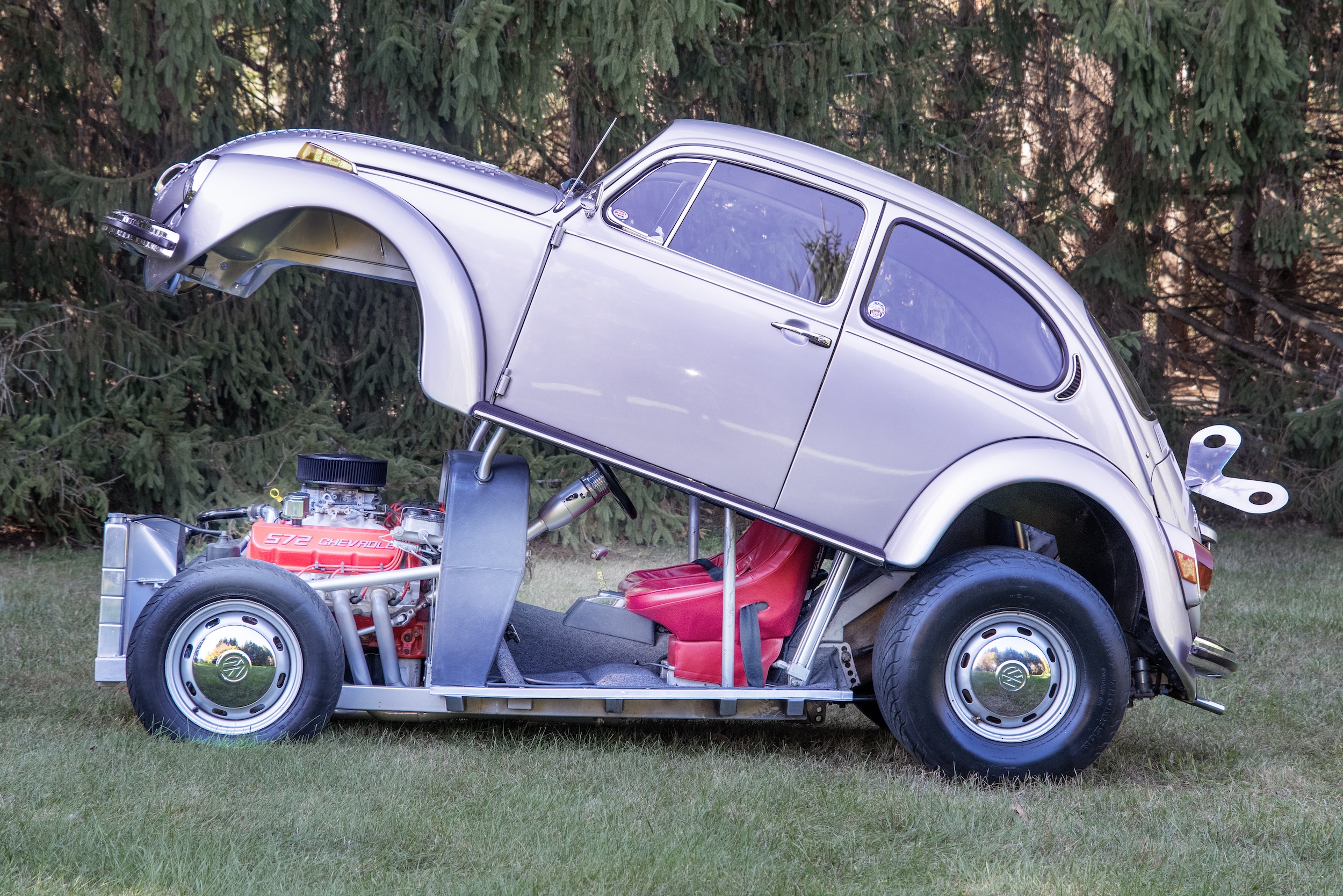
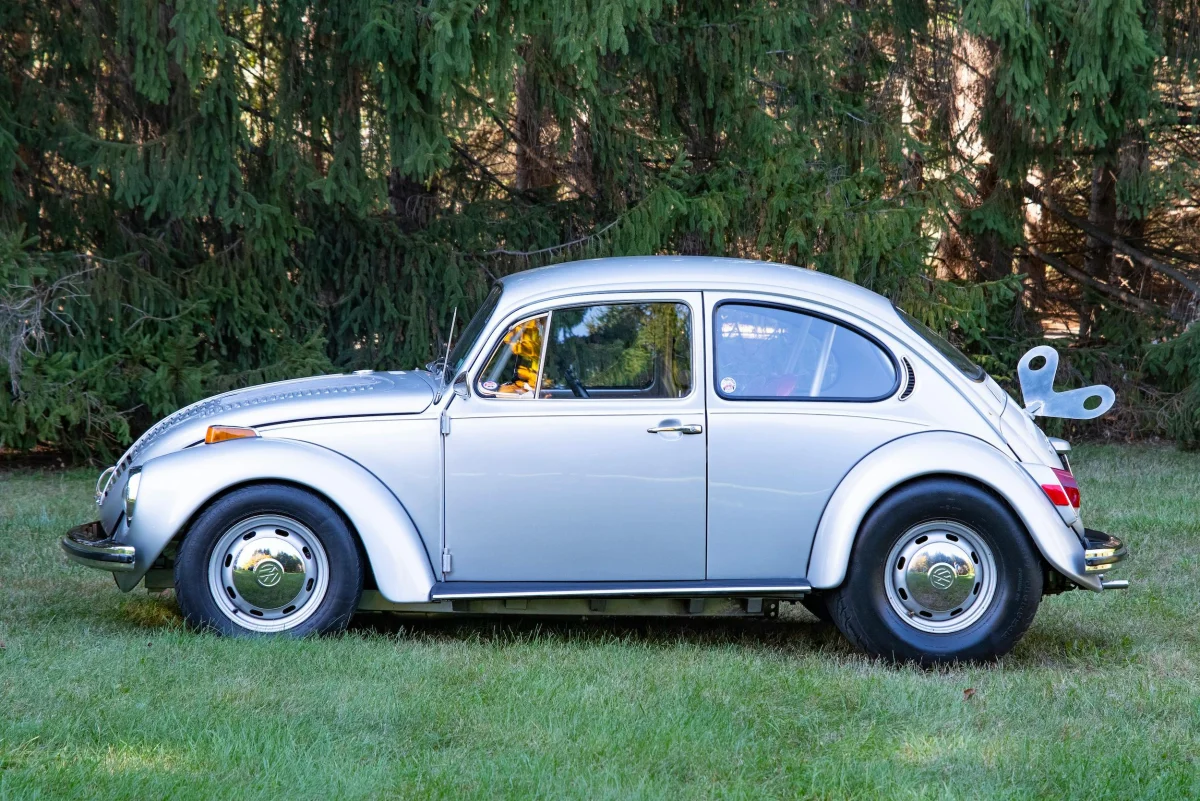
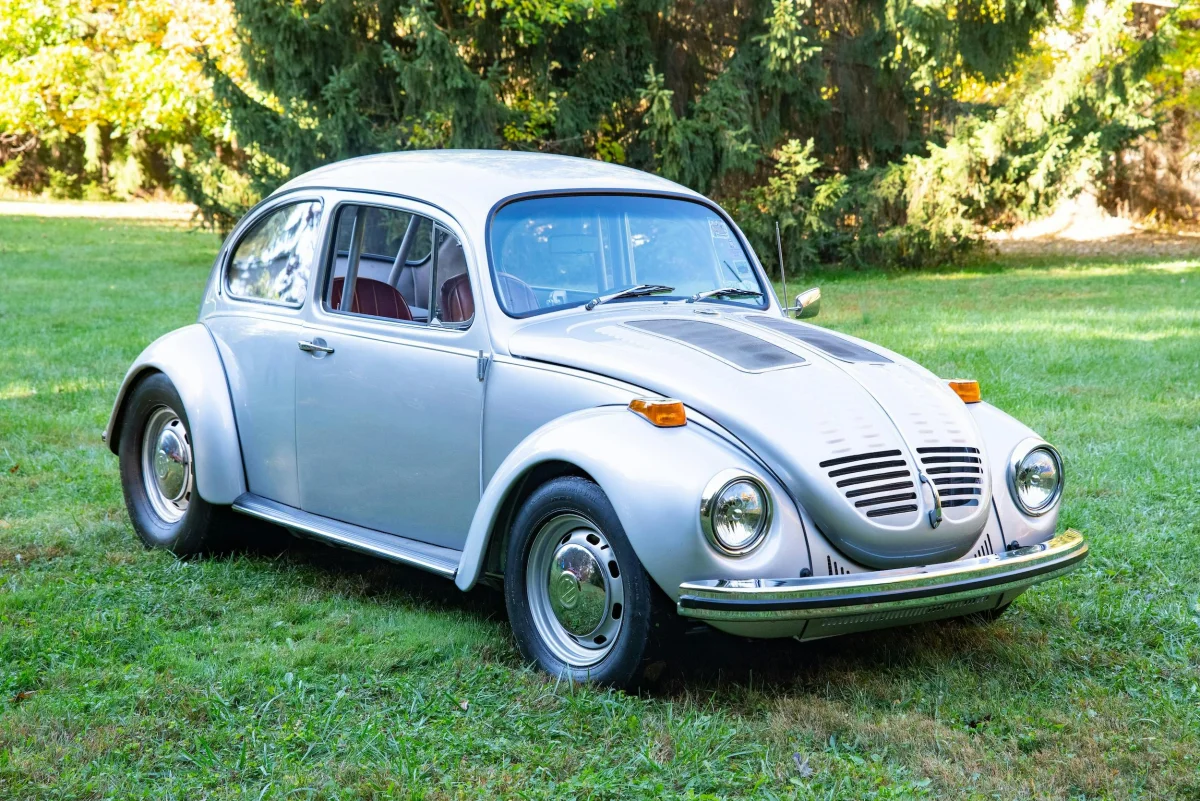
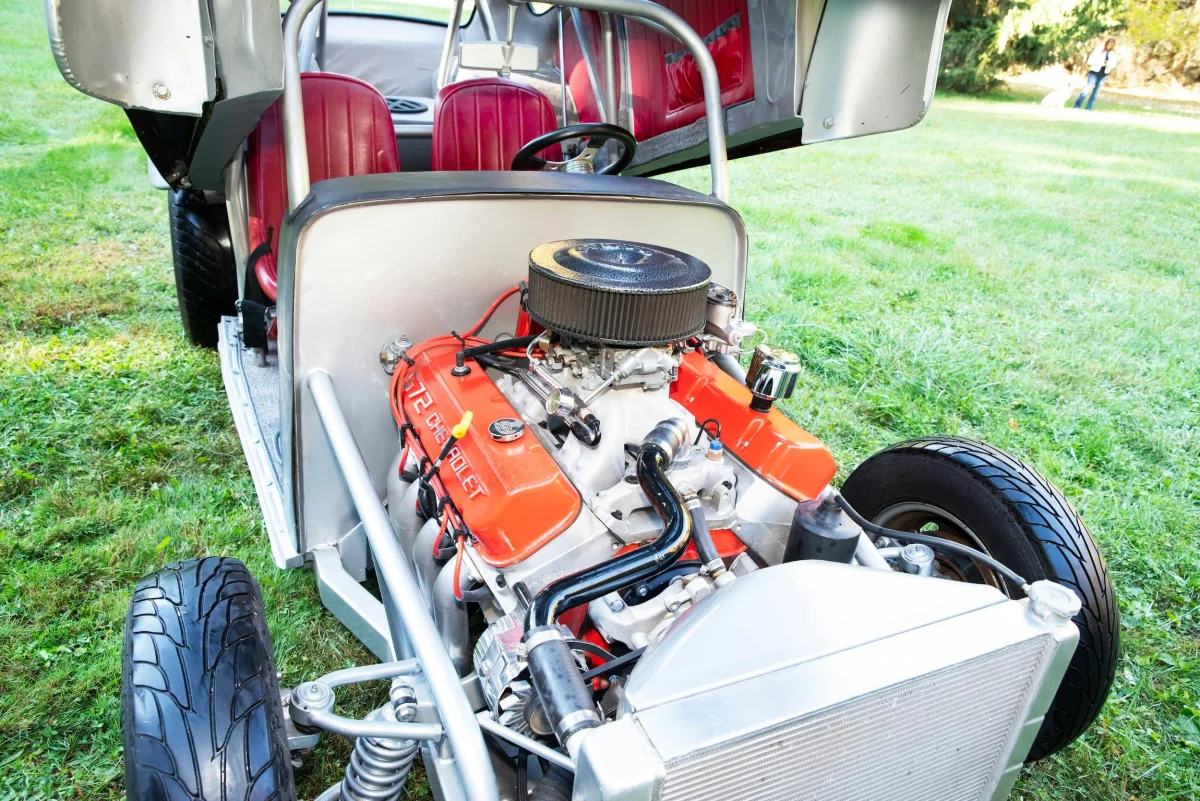
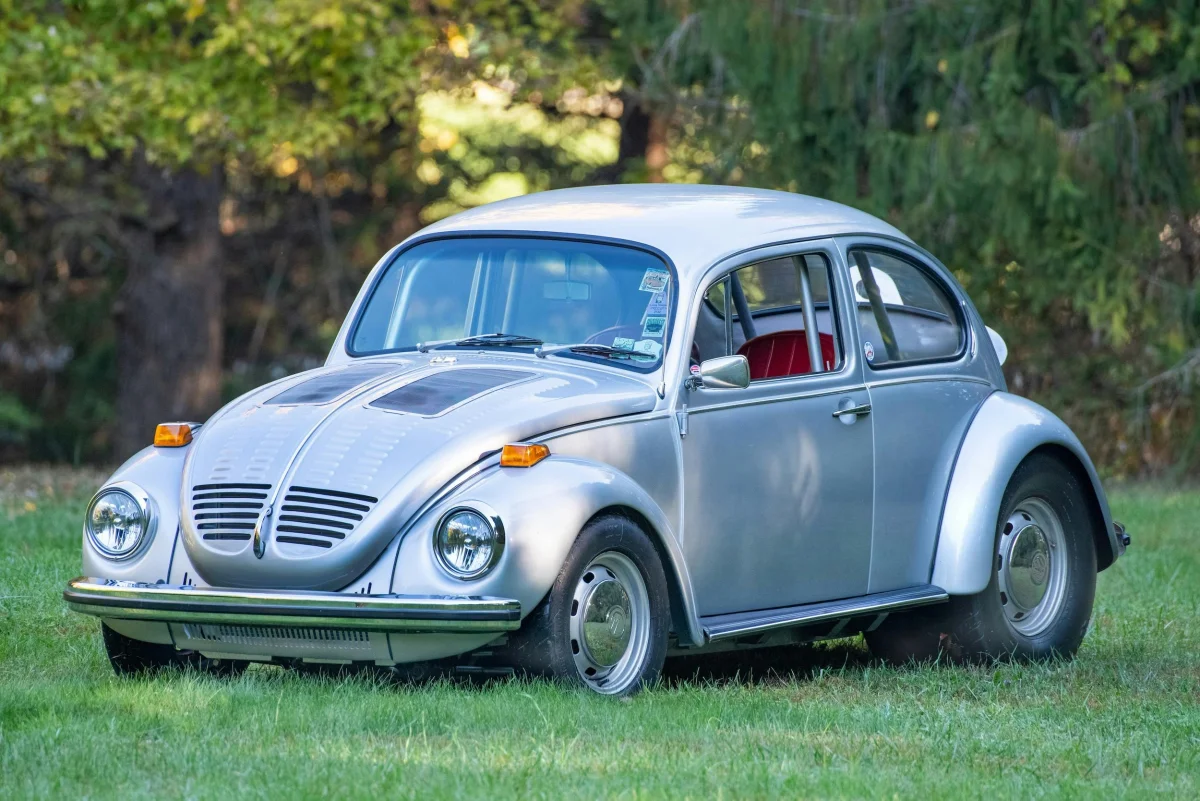
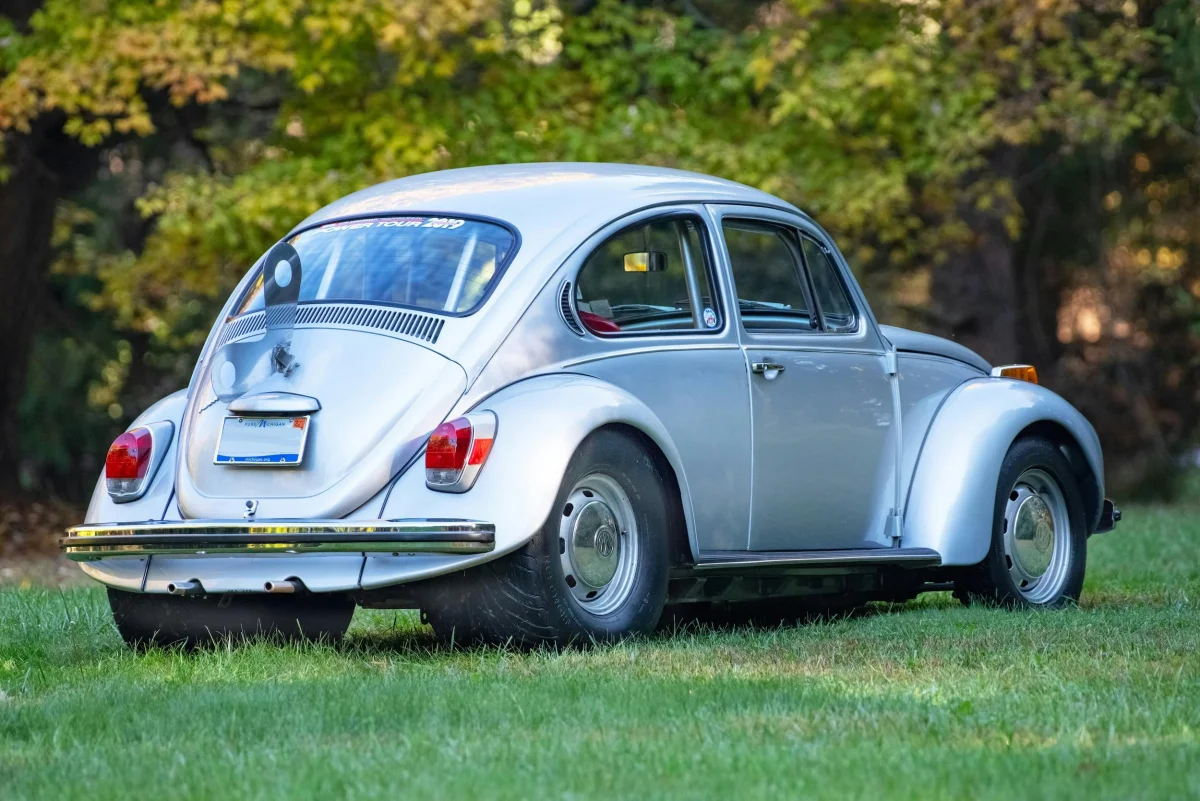
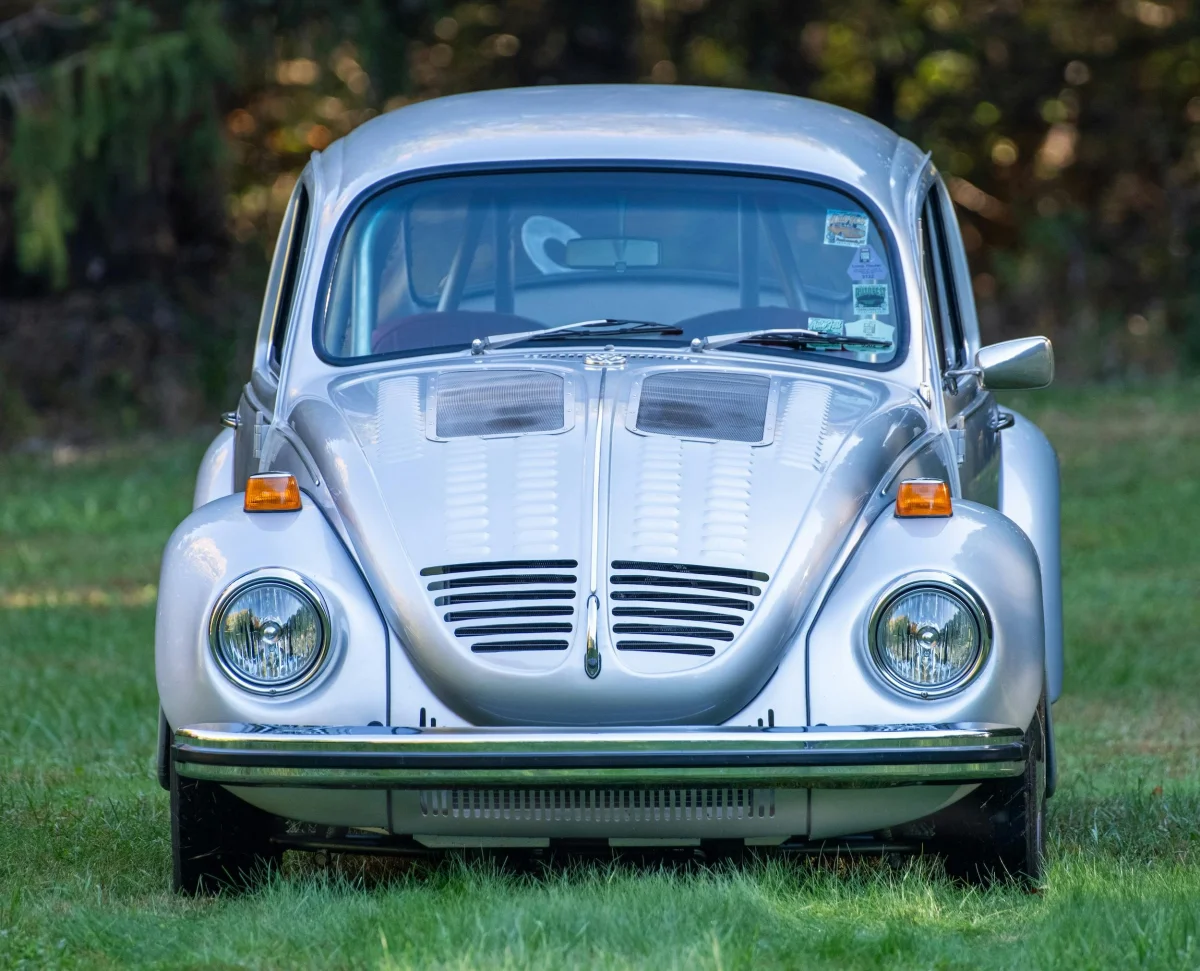
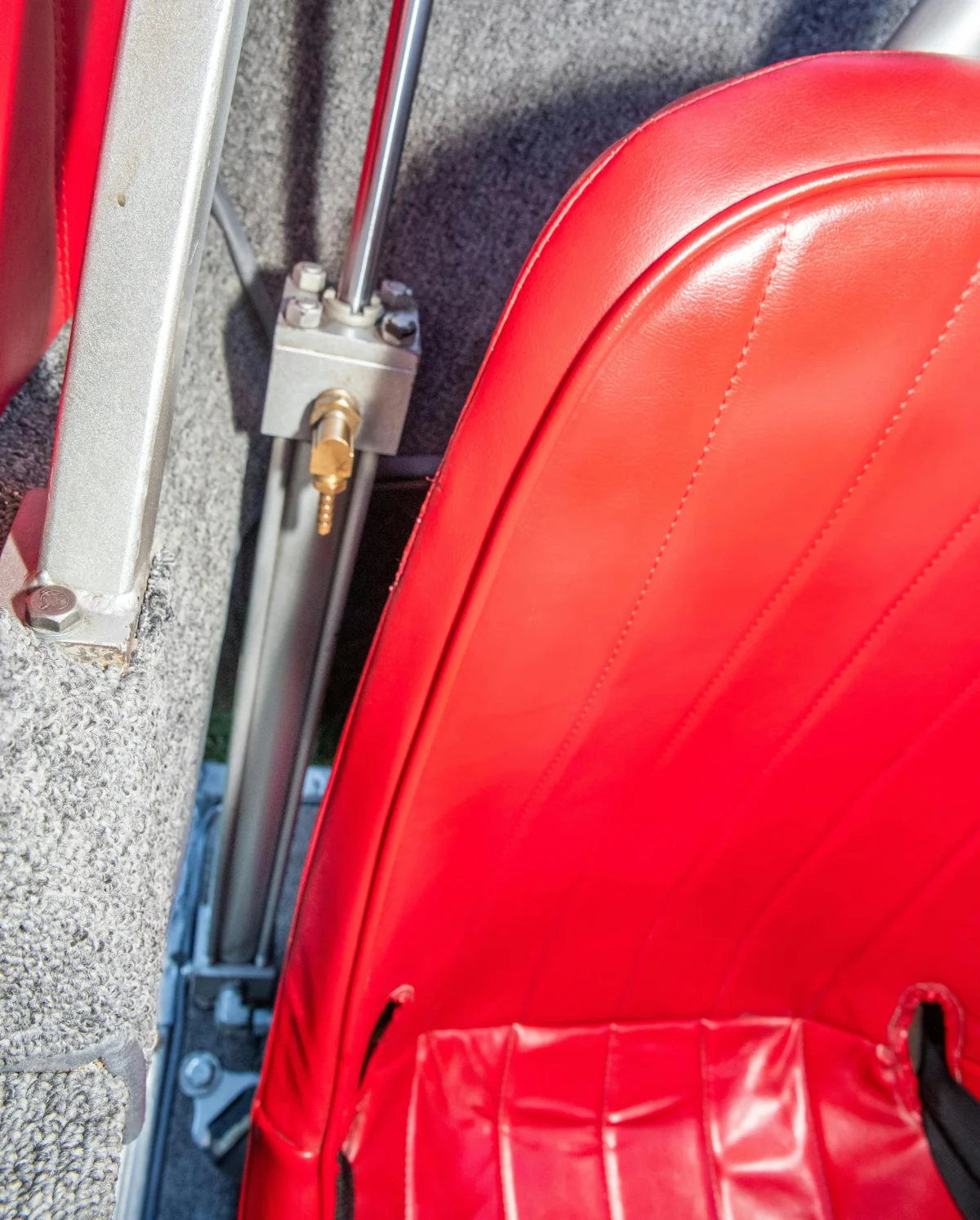
The Miyamoto Volkswagen works because its most dramatic feature stays hidden until the moment it matters. At a glance, this 1972 Beetle looks like a well-kept old VW, complete with seemingly ordinary wheels and a windup key on the trunk. Its 18.5-inch-wide rear tires are tucked out of sight. A switch activates a hydraulic pump, lifting the body to expose a steel chassis, a roll cage and a Chevrolet V8 with far more muscle than the modest shape suggests.
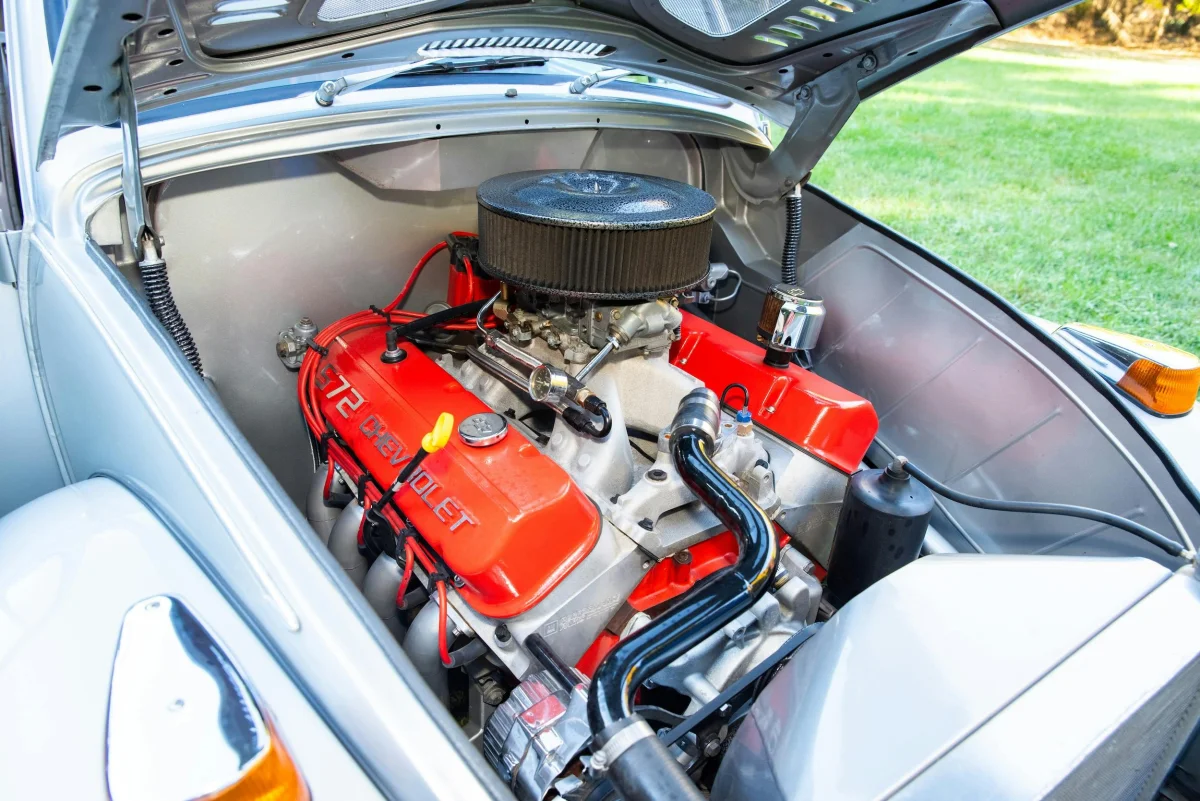
The car has been on the road for more than 40 years, first built by San Miyamoto and now maintained by his son Ernie. Its current 572-cubic-inch Chevrolet Performance crate engine produces 672 horsepower and 645 lb-ft of torque. That makes this family-built Beetle less a conventional restoration than a carefully packaged hot rod, with the surprise reveal central to its character.
A family history built around horsepower
Ernie took over care of the Beetle from his brother Larry about two decades ago. The family’s interest in fast cars goes back further: Ernie remembers riding with Larry in the back of the family’s Hemi-powered Mopars as children, while their father San and uncle drove around Waterford and Pontiac looking for street races.
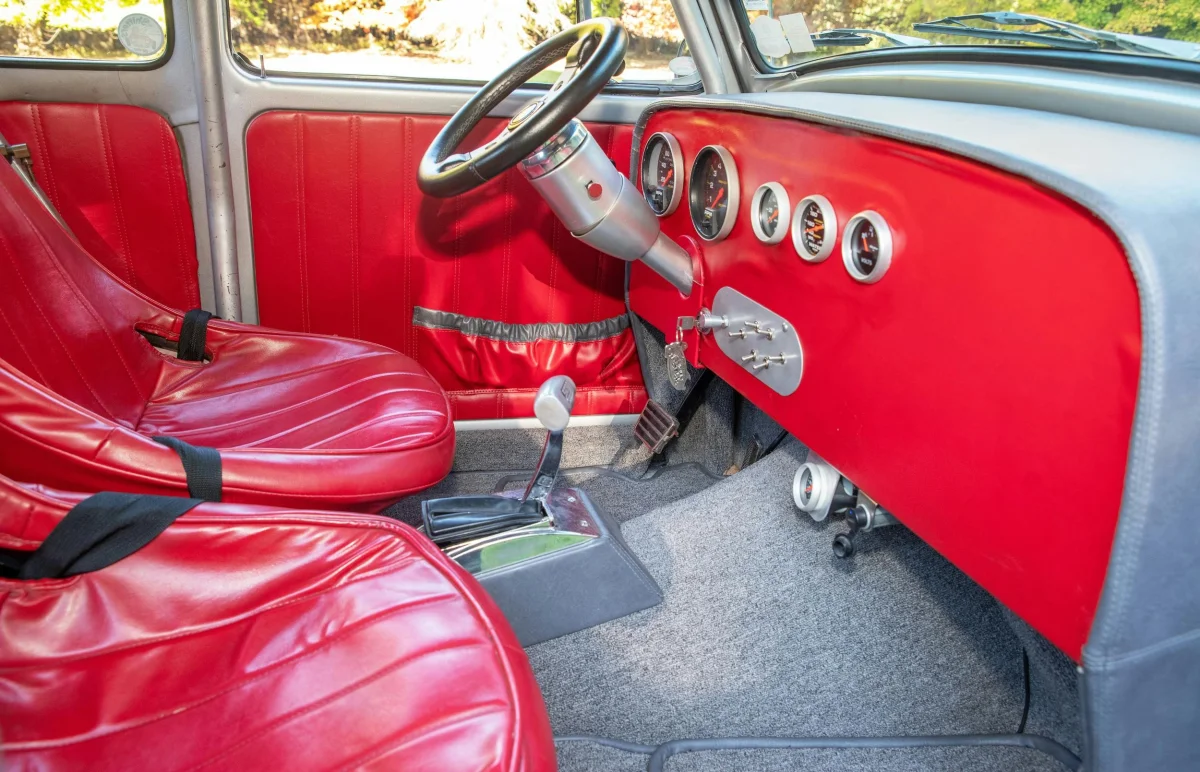
San brought machinist’s skills and racing experience to his own project. In 1985, after years spent with muscle cars, he decided to build a Volkswagen hot rod. Friends doubted the idea. San bought a 1972 Beetle and kept little beyond its body, then designed a compact chassis sturdy enough for a large engine while preserving the car’s lightweight proportions.
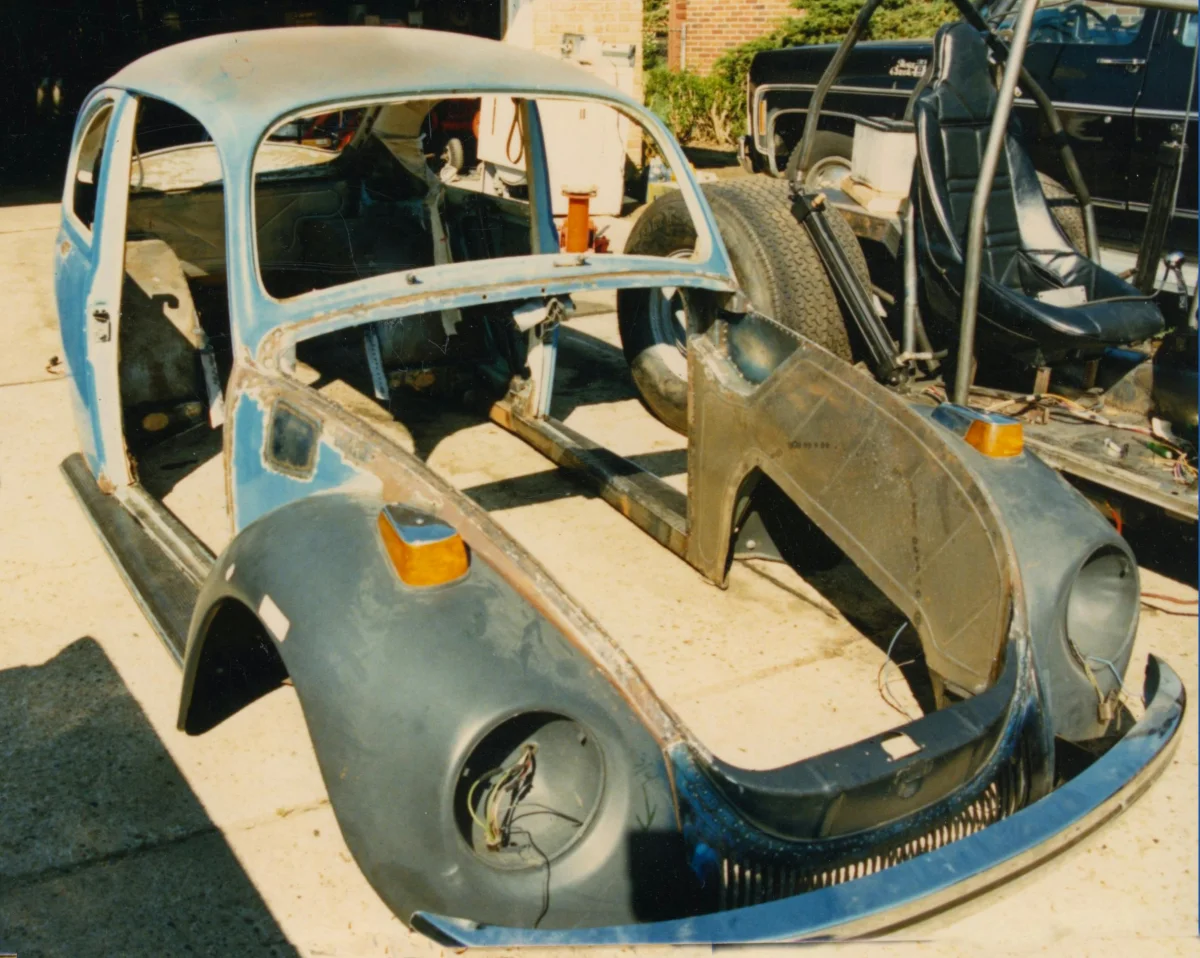
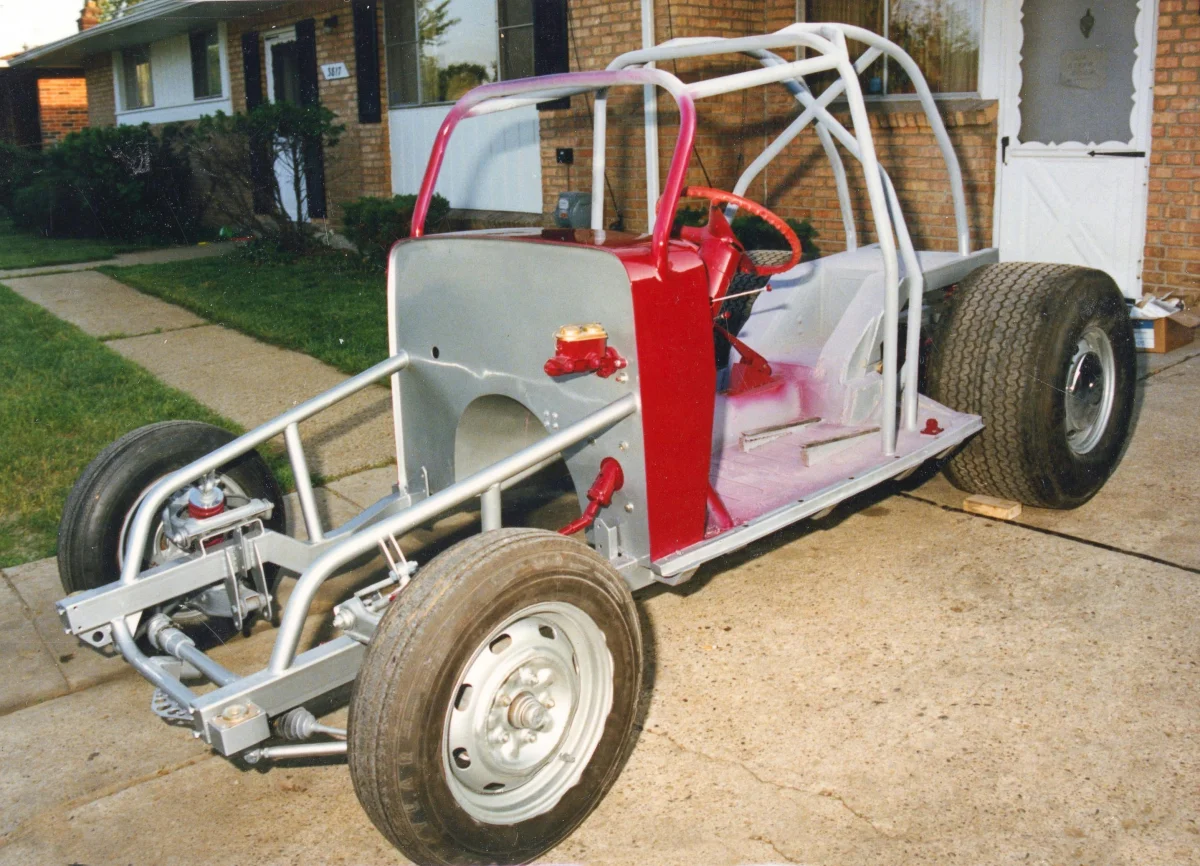
The structure uses 2-by-3-inch steel rails running from front to rear, with a cage made from 1.5-inch steel tubing. Both use 1/8-inch-thick walls. The result is a stout foundation contained within the Beetle’s small footprint.
Big-block power in a compact package
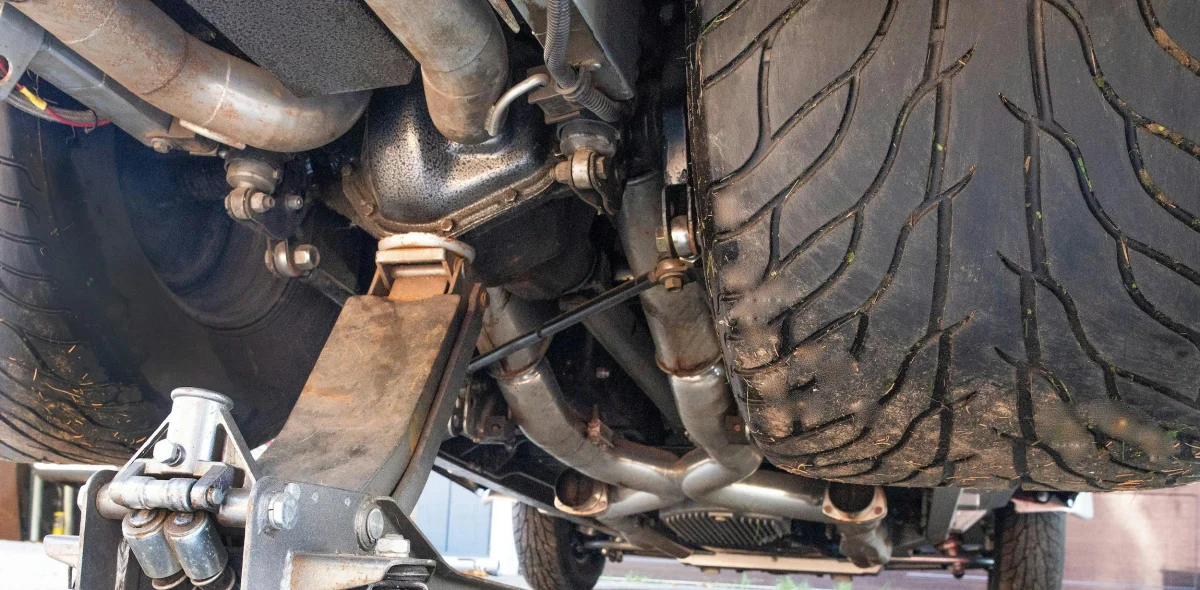
San’s original setup used a 454-cubic-inch Chevrolet big block paired with a GM THM400 automatic transmission. A short driveshaft sends power to a narrowed Dana 60 rear axle with 4.10:1 gearing. The 15-inch wheels preserve a stock-looking detail, though the rear wheels were cut and welded to accommodate much wider tires.
Ernie helped his father with fabrication while also working on a 1967 Nova of his own. San enjoyed the Beetle for years, then Larry drove and maintained it before passing it to Ernie. Since taking charge, Ernie has continued updating the car while keeping its original visual trick intact.
The present engine is a Chevrolet Performance 572-cubic-inch crate motor. The stated output is 672 horsepower and 645 lb-ft of torque, replacing the earlier 454. Ernie has also refreshed the car’s appearance and fitted a Heidts front suspension, described as a substantial handling improvement. The front tires are 26 inches tall and six inches wide; the Mickey Thompson rears measure 31 inches tall, with 18.5 inches of tread width. All are mounted on Volkswagen wheels.

The disguise is part of the engineering
Opening the body turns the car into a mechanical display, but the understated exterior is just as deliberate. Vents in the hood help manage radiator airflow and engine heat. Ernie’s custom exhaust routes gases from the Chevrolet engine through 3-inch pipes to the rear, while the original VW exhaust tips remain in place as decoration. That contrast, like the comically large rear rubber beneath a nearly stock-looking body, is the joke and the warning at once.
San, now in his ninth decade, still enjoys cars and takes road trips in a restored Checker cab with the Classic Legends car club. Ernie runs MotoFab, his fabrication business in Davisburg, Michigan, building and restoring hot rods and race cars, with exhaust and header work among its specialties. The Beetle carries that family skill in every hidden rail, custom pipe and hydraulic cylinder. After four decades, its strongest statement remains the same: the sleeper look only lasts until someone presses the switch.