Cadillac F1 Stake Sale: What Fenway's Interest Could Mean
- Cargo
- Electric Vehicles
- Shipped
- Shipper
- Darren Cox
- Readers
- 650
Cadillac's owner is reportedly weighing a stake sale, with Fenway Sports Group linked to a majority deal. Control rights and GM's position will decide what it means.
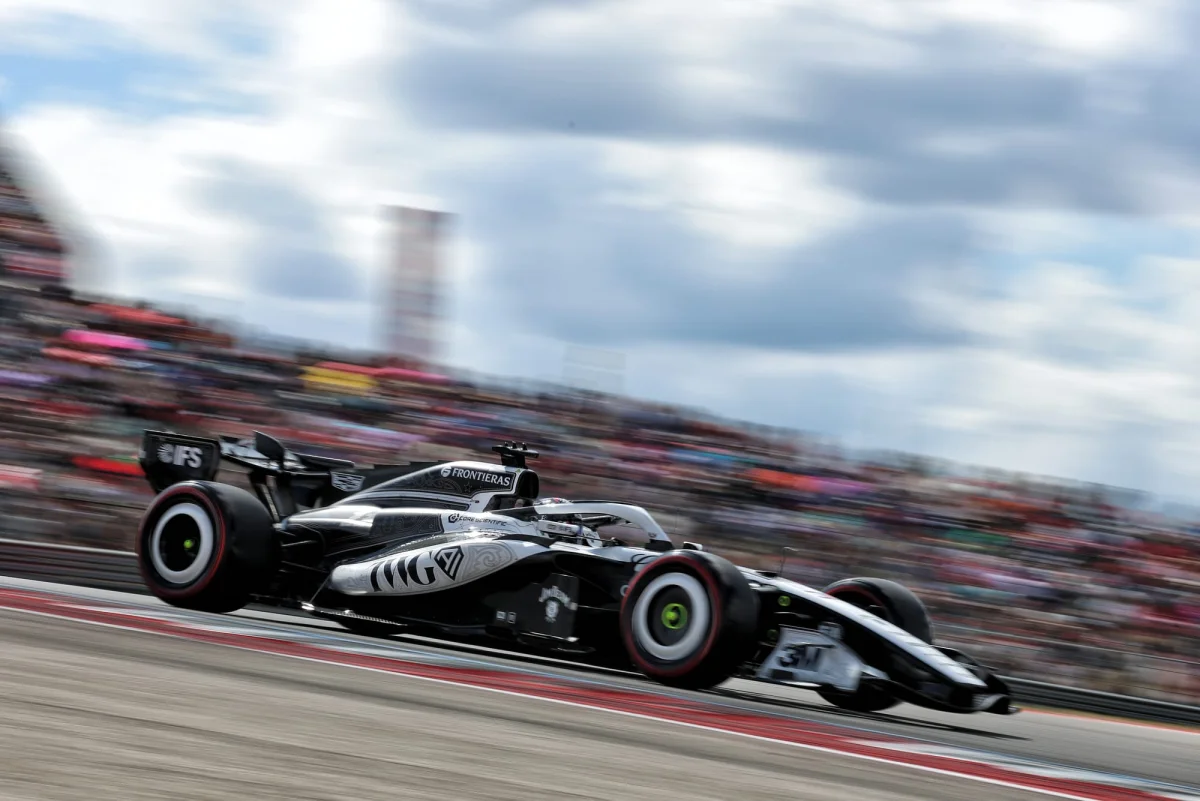
Ownership in Formula 1 used to be easy to follow. You knew the person running the team, the name on the garage, and the person writing the cheques were the same. Those days are gone. Today the team principal, the company branding the car and the people who control the money can all be different entities, and that gap is exactly why the reported talks around Cadillac's F1 team deserve a closer look.
Ask who is buying into Cadillac and you may get a shrug. The negotiations appear to be handled personally by Mark Walter and a very small circle around him. Staff at Silverstone, at the American facilities or in the Interlagos garage could reasonably know very little. That doesn't mean nothing is happening. Cadillac's line that nothing has changed is technically accurate, but it doesn't rule out a sale process already under way.
The reporting that has pushed this story forward has come mostly from American sporting and financial outlets, Sportico first and the Wall Street Journal after. Confirmation has been harder to come by, which is typical when a stake is being shopped quietly. The open question isn't whether someone wants in. It's what the final structure looks like.
Why Walter might be selling
Walter has been reducing his sporting interests, including stakes in the Lakers and Chelsea, and Cadillac is a team that needs stability. It has a struggling racing side and urgent on-track problems to fix. An owner juggling other commitments may find a minority investor appealing, both for the cash and for the expertise.
There's also a simple market reality. Plenty of capital is looking for a way into F1, and very few teams are available. Teams in this position often find that prospective investors come to them, and in Walter's case those conversations would be hard to ignore. Being approached and deciding to sell are two different things, though.
Fenway and the majority question
The Guardian has reported talks about a majority purchase by Fenway Sports Group, the company behind Liverpool FC and the Boston Red Sox. According to the same reporting, Walter would prefer a minority sale that lets him keep control. A preference isn't a completed deal, and the gap between a majority and a minority transaction changes everything about who makes the decisions.
Lawrence Stroll offers a useful model. At Aston Martin he has brought in successive investors while keeping commanding voting and governance rights. Economic ownership and control are separate things, and an owner can sell a large share of the money while still choosing who sits in the second seat.
That's why the percentage sold tells only part of the story. The rights attached to those shares could tell us much more. Walter is reported to hold 67%, Dan Towriss 3% and General Motors 30%. Those figures have not been publicly confirmed, and they say nothing about what approvals or protections GM has. That is the biggest unknown here.
Flavio Briatore's comments on Alpine's stake sale make the point well. Even with a formal veto window, the practical question is who would commit hundreds of millions of dollars to a minority position without a workable relationship with the majority shareholder. A contract date passing doesn't remove the need to get along with the people in charge.
GM's situation at Cadillac differs from Renault's at Alpine, and nobody should assume identical rights. Still, any buyer would need to understand how it works with the manufacturer whose name, investment and long-term commitment anchor the whole project.
What the drivers say
Sergio Perez addressed the speculation in Brazil. He pointed to GM as "one of the biggest manufacturers" and wondered whether the current investors wanted to "get some of their investment back". Then he added: "But I don't think it will change any structure at all."
Perez had just signed a new long-term contract, so he had good reason to ask what a sale would mean before committing. He sounded less sure about why the investors would sell than about what would happen afterwards. That's a telling distinction.
Other names are circulating in the rumour mill, Christian Horner among them. Wilder suggestions have also surfaced involving prominent paddock figures. None has turned into a firm outcome so far. Of the names reported, Fenway looks the most likely to progress.
The American angle
Fenway's American identity matters here. Cadillac's audiences have responded strongly when the team leans into its American roots, and GM and senior management have reportedly been pleased by that reaction. It has strengthened the appetite for an American driver, with Colton Herta increasingly central to that plan, and for an American investment partner. Herta would still have to deliver on track. Even so, the logic is easy to follow: an American manufacturer, an American driver and an investor with experience in American sport make a coherent story for sponsors and fans.
Herta's path into the team has also exposed questions about sporting decision-making inside Cadillac. That's a separate discussion, and it becomes more pressing if he is confirmed as the second driver for 2027, as seems increasingly likely. For now the seat remains unresolved, and Valtteri Bottas has reportedly been told there is still a route for him to stay.
For Walter, the task is to realise value while keeping as much influence as possible. For GM, it's to make sure funding and stability are secure for its long-term plans. The talks that settle those points will say far more about Cadillac's future than anything heard in the paddock this weekend. Watch the governance terms, not just the headline percentage.