Coyote V8 and Mustang Electronics Go Into a '63 Falcon Sprint
- Cargo
- Electric Vehicles
- Shipped
- Shipper
- Jim Campisano
- Readers
- 321
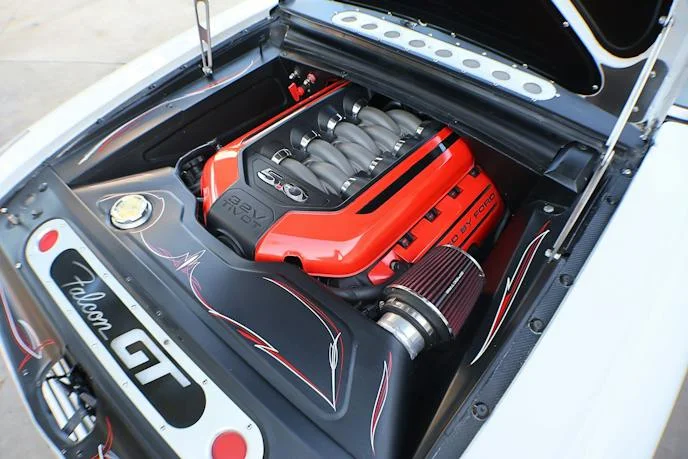
A Florida fabricator grafted a wrecked 2014 Mustang GT's Coyote V8, drivetrain and electronics into a '63 Falcon Sprint, building most of the car himself.
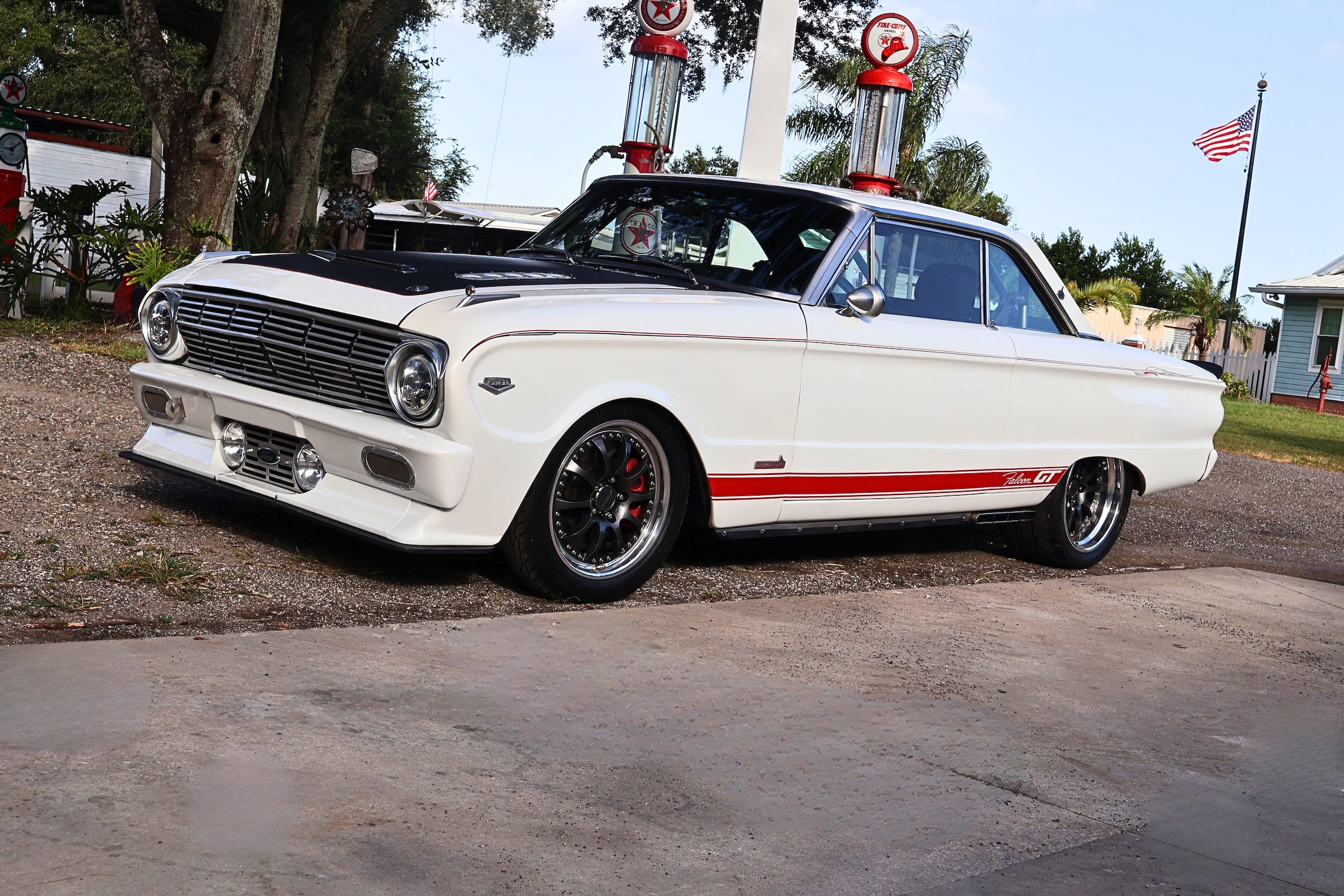
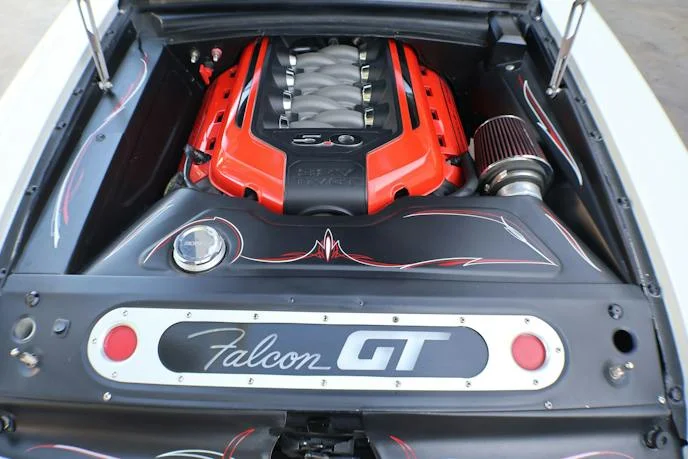
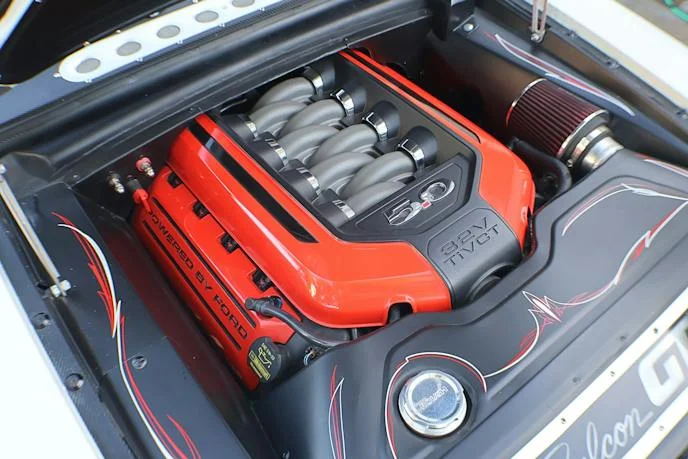
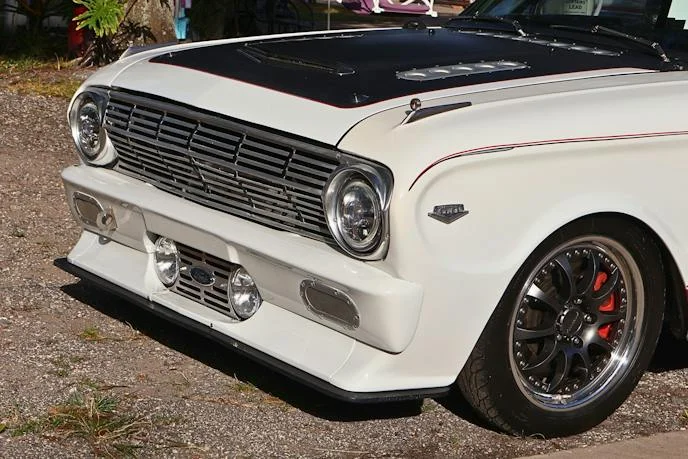
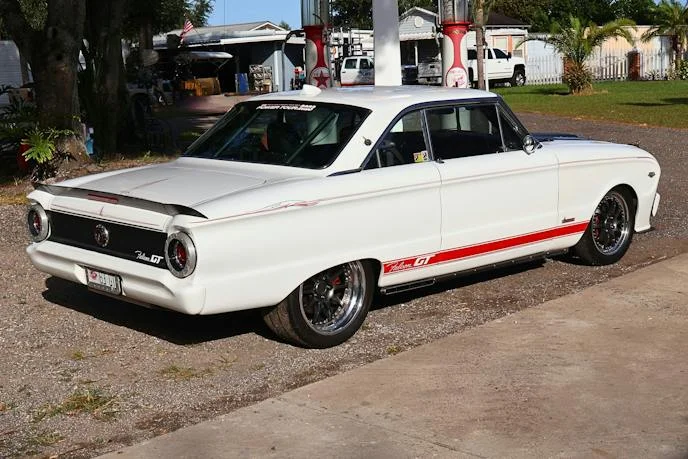
Most engine swaps follow a predictable script: pull the donor motor, bolt it to a compatible transmission, and spend the next few months sorting the wiring. Dean Varnadore's project went somewhere else entirely. The Florida sheetmetal fabricator started with a wrecked 2014 Mustang GT, cut out nearly everything he didn't need, and built the rest of the car around the 5.0 Coyote V8 and six-speed manual. The result is a '63 Ford Falcon Sprint with a modern ponycar's heart, and it may well be the only example of its kind.
More Mustang Than Falcon Underneath
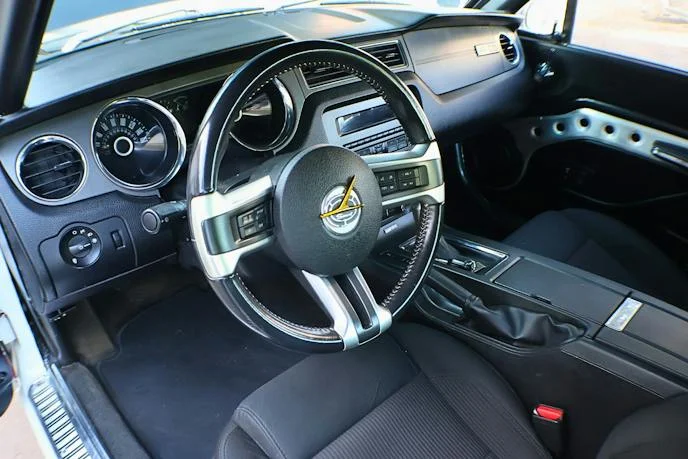
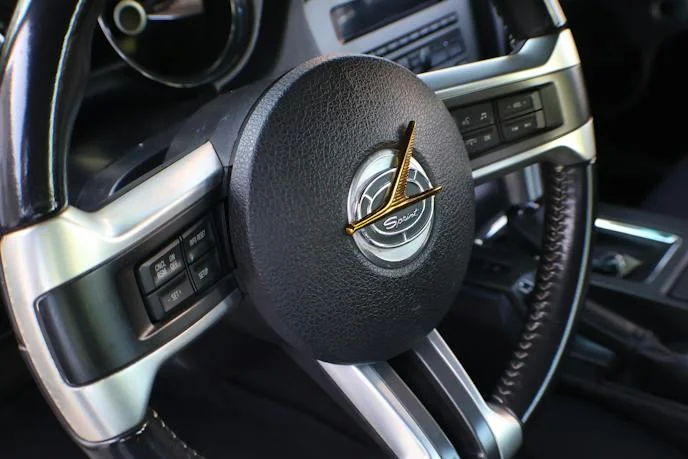
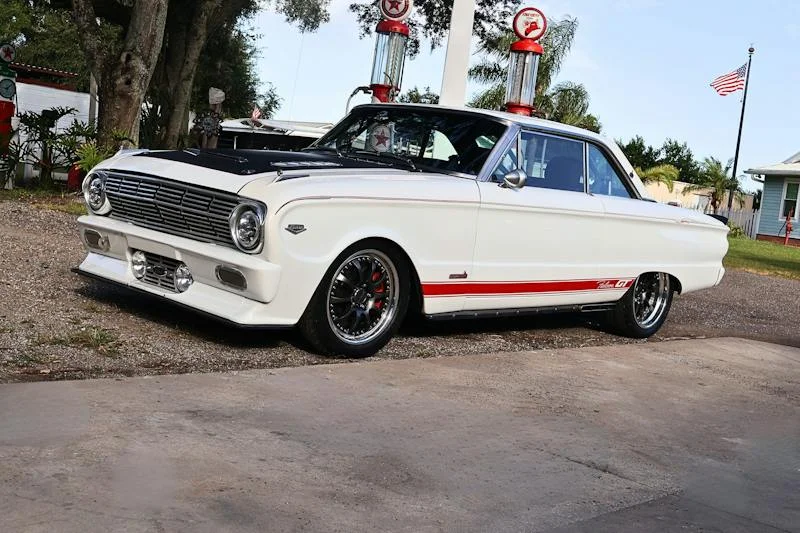
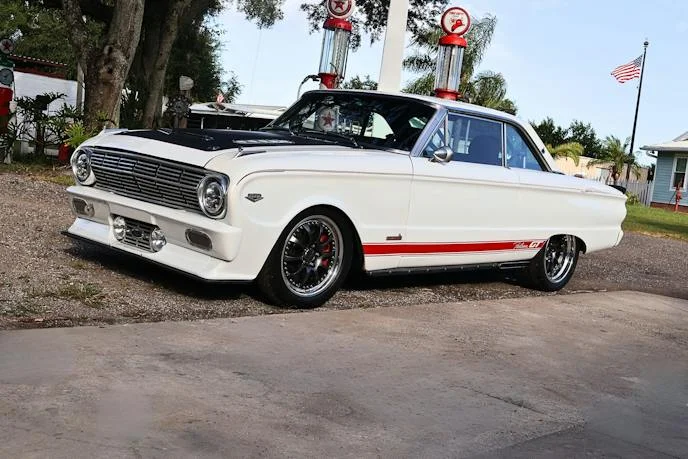
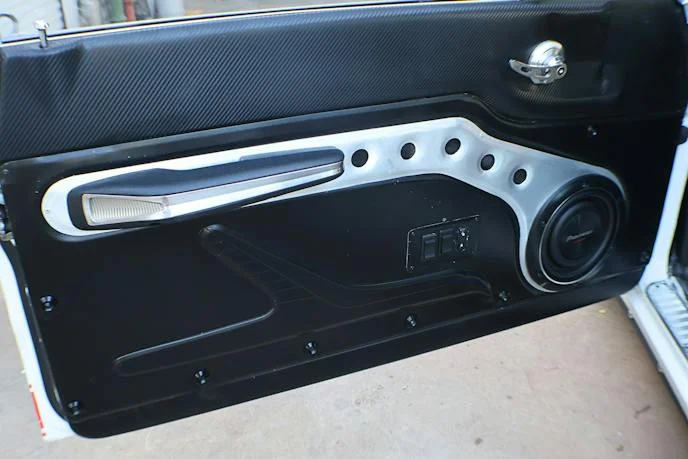
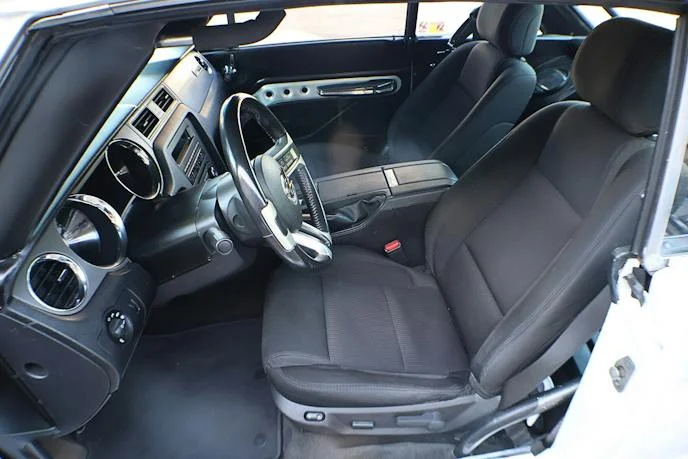
Calling this a Falcon with a Mustang engine undersells how much of the donor car ended up in it. Varnadore used the Mustang's floor pan, cut and narrowed to fit inside the Falcon's body, along with the seats, pedals, firewall sections, dashboard and steering wheel. The interior now runs on the newer car's electronics and layout, while the Falcon's exterior does the talking.
Under the body, he fabricated a full square-tube frame with a roll cage, then built his own four-link rear and front suspension on coilovers. The rack-and-pinion steering and front control arms are off-the-shelf race car parts. The front spindles began life as early 1970s Granada parts, which Varnadore cut and welded to a Mustang MacPherson strut spindle to create a single unit that works with upper control arms in place of the strut.
He also kept the Mustang's wiring harness, computer and brakes. Traction control, cruise control, the trunk release and intermittent wipers all work as they did in the donor car. Varnadore said the only job he handed off was the wiring, which went to an employee, Mike Pogo, because it sat outside his comfort zone. Even the Mustang's anti-lock brakes function on the Falcon.
Power, Weight and Stance
The 2014 Mustang GT's 5.0 Coyote was rated at 420 net horsepower and 390 lb-ft of torque. Varnadore kept the stock exhaust manifolds, removed the catalytic converters and had the engine tuned, so output is higher than the factory figure, though he hasn't published a new number. The car's weight is the real story here: about 2,900 lbs, which Varnadore says makes the stock engine more than adequate. Standing on that power-to-weight ratio, he describes the acceleration as modern muscle-car quick.
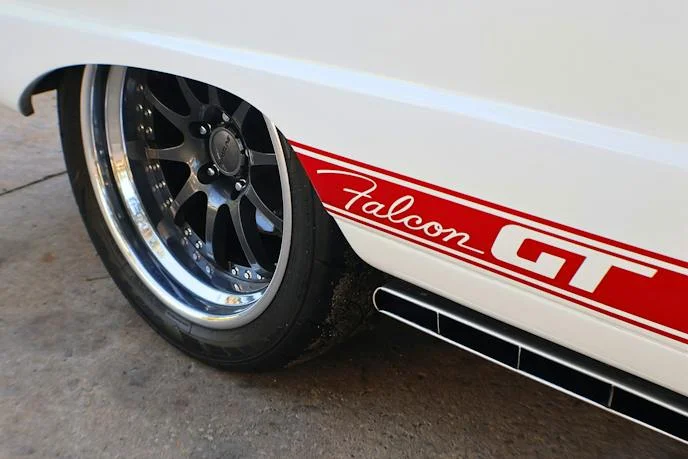
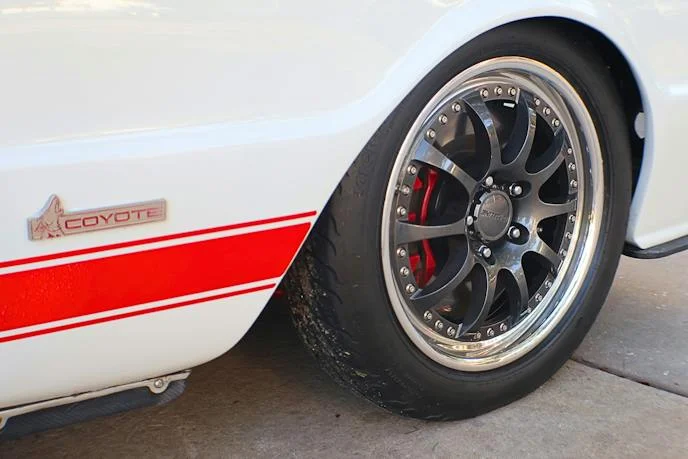
The wheels and tires required the most creative body work. Custom Forgeline wheels measure 18x12 inches at the rear and are wrapped in 305/35 Nitto 555G2 tires, so the rear tubs had to be modified to fit them. The front runs 17-inch wheels. Everything clears the stock 2014 Mustang brakes, which says a lot about how the car was packaged. Varnadore also reported that the driveshaft bolted in without cutting or lengthening, and that he only needed to notch the doors to clear the dash.
Exhaust, Build Process and Road Time
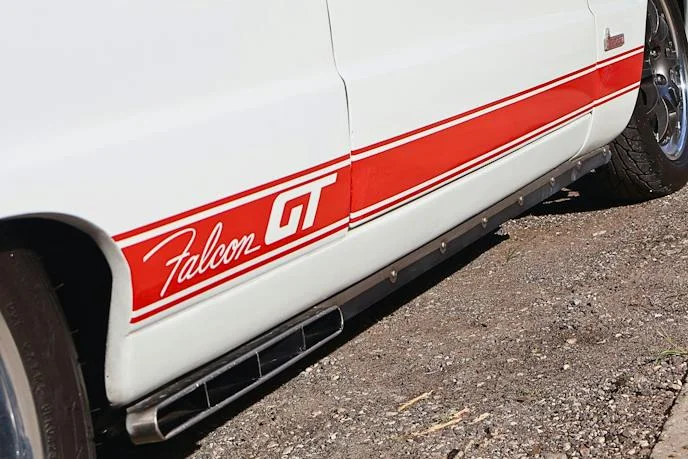
Varnadore fabricated the stainless exhaust himself, including the side-exiting pipes that double as the car's cutouts. He used Borla mufflers on the 2.5-inch system. The bodywork and paint were also handled in his own shop, so the car never left the building during the build. He estimates the whole project took exactly one year.
He's a sheetmetal fabricator first, and that shaped the approach. "I'd rather build it than try to make it back to stock," he said. For a builder whose previous projects were race cars, this was his first street car. He did have to narrow the Mustang's rear, but he already had the fabrication skills to handle the rest, and it made sense to reuse the donor's seats, console and electronics instead of buying new parts.
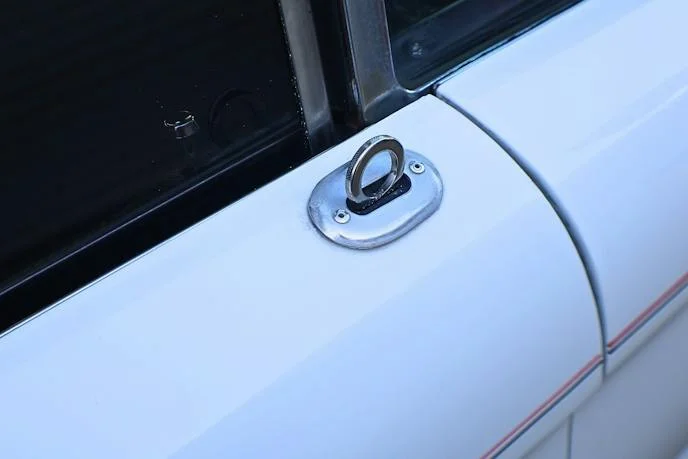
He also drives the thing. Varnadore runs it on public roads, including North Carolina's Tail of the Dragon. He made the full run both ways with the cutouts open, which covers 318 turns in 11 miles one way. He said the exhaust echoed off the mountains, and he reports that the car handles better than a stock Mustang.
Where the Falcon Fits
The original Falcon was Ford's economy car, built to take on the imports of its era. It was practical rather than quick, and even the 260 V8 Sprint never really chased down GTOs or Mustangs. This build flips that history, and it does so with a donor car from a much later generation. It won't be the only Falcon with a V8, but it may be the first to combine a modern Coyote, a Mustang-derived chassis electronics package and a fabricated frame in one body. For anyone who wonders what a '60s compact would have looked like in the Mustang era, this is a strong answer.