Cambridge Honda Faces Class Action Over AI Robocalls to Non-Customer
- Cargo
- Electric Vehicles
- Shipped
- Shipper
- [email protected] (Andy Kalmowitz)
- Readers
- 529
A Massachusetts driver says Cambridge Honda's AI-voiced calls asking to buy his car reached a number on the Do Not Call Registry. He's seeking class status.
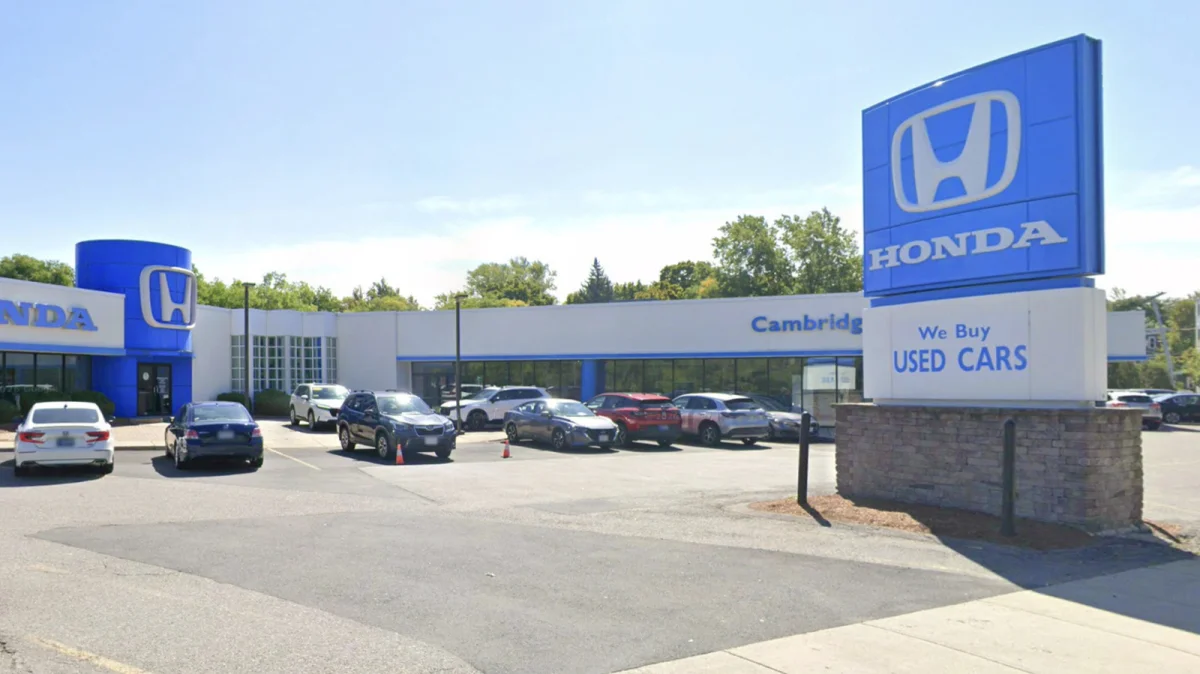
Most dealership outreach is a nuisance. An AI-voiced call that asks a stranger to sell a car it never sold, from a dealer he never visited, is something else. A Massachusetts driver has filed a proposed class action against Cambridge Honda over that exact kind of call, and the case puts a spotlight on how dealers use automated outbound calling.
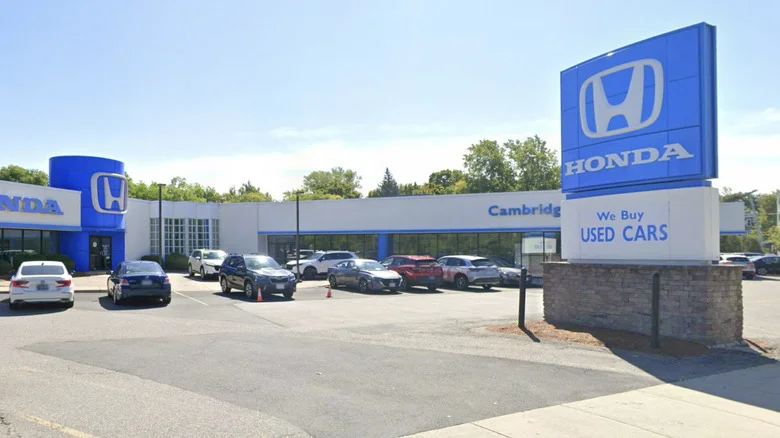
The plaintiff, Jonathan Kamens, says he has never bought or serviced a vehicle at Cambridge Honda. His cell number is on the National Do Not Call Registry, according to Automotive News. Even so, he says he received pre-recorded messages asking whether he'd consider selling his car. The complaint describes a caller with a "robotic and artificial voice" who addressed him as "Timothy," then pitched an instant cash offer because his model was supposedly on a list the dealer wanted to buy.
What the calls allegedly said
The script is the part that stands out to me. It doesn't pretend to be a salesperson who looked up a prospect. It leans on a generic "you're one of our customers" line, which is a red flag in itself when the recipient has never been one. Kamens also says he got follow-up texts from the same "Roger" persona inviting him to sell, which suggests the outreach wasn't a single misdialed campaign.
Then there's the callback. Kamens phoned the number back and asked whether he was speaking to a real person. The reply, he says, was that it was AI. Automotive News ran the same test and got the same answer. That matters because it moves the question from "was this a sloppy dial" to "was this a deliberate automated system with a sales goal." Dealers that run AI outreach tend to treat the voice as a tool, not a disclosure problem, and this case tests whether that approach holds up when the recipient isn't a customer.

Why this is a class action, not a single complaint
Kamens isn't asking for relief just for himself. The complaint argues those recipients lost use of their phones while lines were tied up, may have been charged for the calls, and had their privacy intruded on. It also describes the calls as "frustrating, obnoxious, annoying and a nuisance" and says they disturbed his solitude.
The filing was made in the U.S. District Court for the District of Massachusetts. It asks the court to certify the class, award damages, and bar Cambridge Honda from making non-emergency calls to cell numbers using an artificial or pre-recorded voice in the future. The complaint invokes the Telephone Consumer Protection Act, which is the statute most often used against automated sales calls to mobile phones. Whether the claims succeed is a question for the court, and nothing in the filing has been tested yet.
The dealership hasn't commented publicly. A lawyer representing the store said she wasn't authorized to discuss the case.
What's still unknown
The biggest open question is scale. Nobody has said how many times Kamens was called or how many people received calls. If the outreach was a list-based campaign, the class could be large. If it was a narrow test, the number could be much smaller. The plaintiff's own framing, that the group is not "a few," is a claim about scope that the case will need to prove.
The dealer's side is also unclear. Did Cambridge Honda build the calling list itself, or did a third-party vendor supply the numbers and the voice tool? That distinction will shape who ends up responsible and how dealers across the industry think about outsourced AI outreach. Dealership groups have been adding automated tools to lead generation and used-car acquisition for a while, and this case is a reminder that the compliance rules for calling consumers haven't changed just because the caller is software.
What buyers and sellers should take from it
If you're getting unsolicited calls or texts offering to buy your car, a few practical habits help. Check whether your number is registered on the Do Not Call Registry, since that doesn't stop every call but does matter for enforcement. Don't rely on a voice to tell you whether you're speaking to a person; ask directly, and if the answer is an automated one, treat the offer with caution. Keep records of the date, time, and number of each contact, and note any texts or voicemails. And if you do want to sell, get a written offer from a dealer you've chosen to contact.
My read is that this case is less about one dealership than about where AI outbound calling goes next. Dealers have strong reasons to chase used inventory, and AI voices make that cheap and fast. The question is whether the calling rules catch up before the volume gets even bigger. Watch how the court handles the consent and class questions, and whether other dealers quietly change their scripts or drop automated outreach while the case plays out.