Suzuki's GSX-10R and SV-7S Rebuild Old Favorites in New Packaging
- Cargo
- Electric Vehicles
- Shipped
- Shipper
- [email protected] (Amber DaSilva)
- Readers
- 925
Suzuki's EICMA pair runs on engines 21 and 27 years old. The SV-7S is a refined twin, and the GSX-10R is a faired literbike aimed at everyday riding.
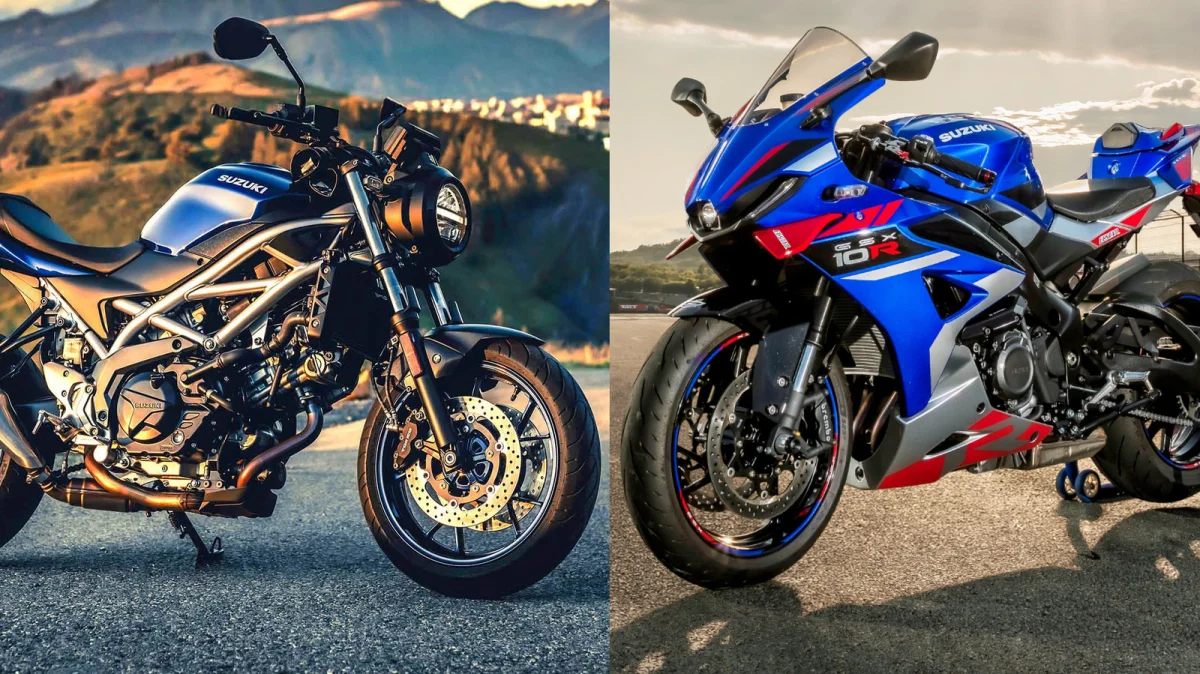
Suzuki's two headline bikes at EICMA are built on engines that have been around longer than many current riders have held a license. The SV-7S uses a 27-year-old SV650 powerplant, and the GSX-10R draws on a K5-era GSX-R1000 motor that's 21 years old. For buyers, that's less a red flag than a clue. Proven hardware usually means well-understood maintenance, deep parts availability and a known set of quirks, and that's a real selling point when the alternative is an unproven new engine.
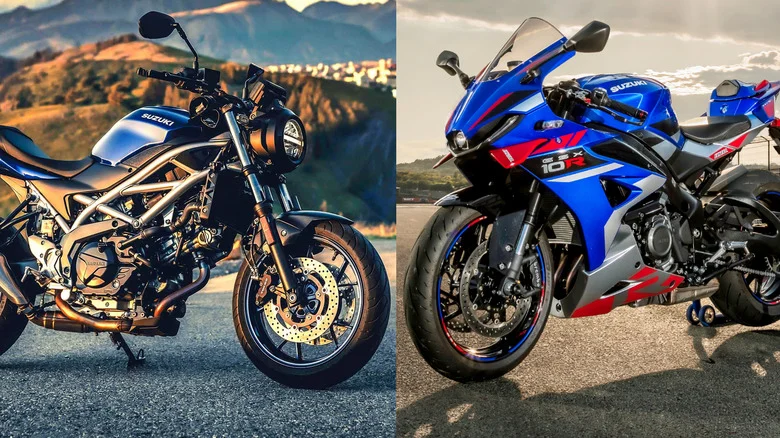
The SV-7S keeps the twin alive
The SV-7S is the more straightforward of the two. Suzuki is treating it as an update to the outgoing SV650 rather than a new machine, and the changes are concentrated in the places a rider notices every day. There's new lighting, revised emissions equipment, a quickshifter and a ride-by-wire throttle. The frame and engine carry over, which keeps the bike's character intact.
The emissions work matters most in practice. The 645 cc V-twin is being offered in Europe under Euro 5+ standards, which means the engine stays in the lineup rather than being retired. Ride-by-wire is the quieter enabler here. It's what allows a manufacturer to add electronic rider aids and smoother throttle mapping on an engine that otherwise hasn't changed much, and it often makes an older design feel more refined without touching the core hardware.
Suzuki hasn't published power figures for the new bike on its site. The outgoing SV650 is commonly quoted at around 73 hp, and if the SV-7S carries that output forward, it stays in the same performance bracket. That's an expectation rather than a confirmed number, though, and anyone comparing it against rival middleweight twins should wait for official specifications before drawing conclusions. The SV has long been valued for approachable power delivery and low running costs, so the bigger question is whether the updated bike keeps that formula while meeting tighter emissions limits.
The GSX-10R is a different kind of literbike
The GSX-10R is the more interesting of the two, and the one that asks buyers to rethink what a Suzuki literbike is for. It's largely a faired version of the GSX-S1000 naked bike, so the underlying package is familiar. But despite the matching displacement, it isn't a stripped-down GSX-R1000. Suzuki's top-tier sportbike is aimed squarely at track performance. The 10R sits closer to the spirit of the K5 GSX-R1000 from the mid-2000s, a bike that made a name for itself as a usable, reliable sport machine rather than a spec-sheet trophy.
The naming is the strategy. Placing the 10R alongside the GSX-8R tells you where Suzuki sees it in the lineup. The company says it's meant to be more streetable than the highest-spec Gixxer, with lower footpegs that suit real riding positions, USB power for phones and accessories, and a torque-rich engine that doesn't need to be wound to redline to feel quick. That's a deliberate move toward riders who want a fast, comfortable bike for commuting and weekend roads, not just a track day.
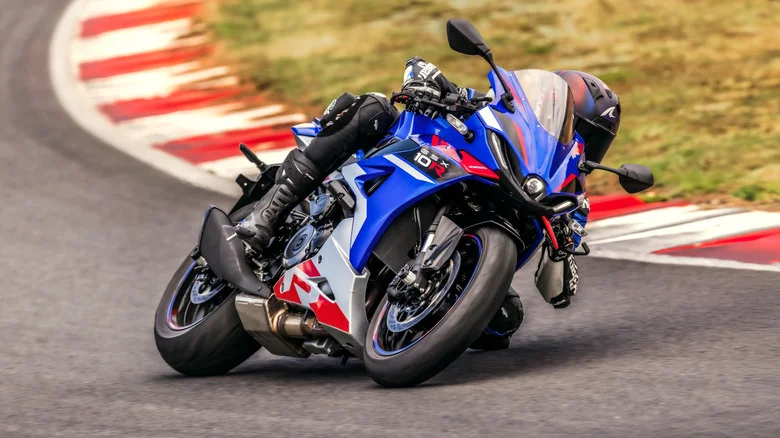
Electronics fill out the picture. Suzuki describes a full suite of rider aids covering traction control, braking, launch control, engine braking, hill-start assistance and cruise control. For a bike meant for daily use, those features matter more than peak horsepower. They're what make a big-displacement engine manageable in traffic and on wet mornings, and they're increasingly the difference between a bike people ride and one they keep in the garage.
What to watch next
Here's the thing: the two bikes tell the same story from different angles. Suzuki isn't chasing a clean-sheet engine. It's extracting more value from powertrains it already understands, then tuning chassis, electronics and ergonomics around the riders who will actually use them. That approach keeps development costs contained and gives owners a familiar mechanical base.
My read is that the GSX-10R is the one to follow. If it delivers the torque-focused, comfortable, electronically assisted package Suzuki describes, it fills a gap between the approachable GSX-8R and the demanding top-spec GSX-R1000. The open questions are pricing, regional availability and final performance numbers, none of which have been pinned down yet. The SV-7S will likely be judged on value and continuity, and the 10R on whether it earns the GSX-R badge's reputation for everyday usability. Those answers will shape how buyers weigh two engines that are older than some of the riders considering them.