Senna's Red 1991 Honda NSX Sets a First-Generation Auction Record at $1.17 Million
- Cargo
- Electric Vehicles
- Shipped
- Shipper
- [email protected] (Ryan Erik King)
- Readers
- 717
Ayrton Senna's personal 1991 Honda NSX sold for $1.17 million at RM Sotheby's London, the highest price a first-generation NSX has fetched at auction.
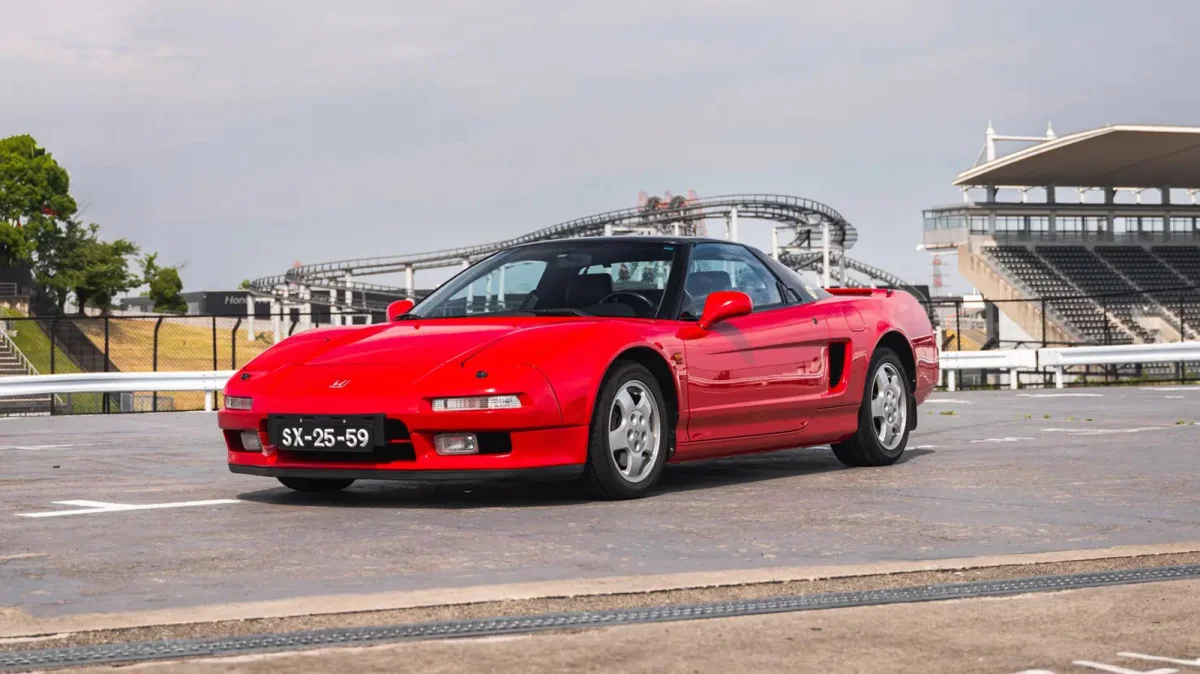
Collectors have paid plenty for first-generation Honda NSXs over the past few years, but Ayrton Senna's personal car just reset the ceiling. The red 1991 coupe sold for $1.17 million at RM Sotheby's in London last week, making it the most expensive first-generation NSX ever sold at auction. It beats the $1.06 million that a 2003 NSX-R brought at auction last year. For a car that was never meant to be a trophy, that's a remarkable number.
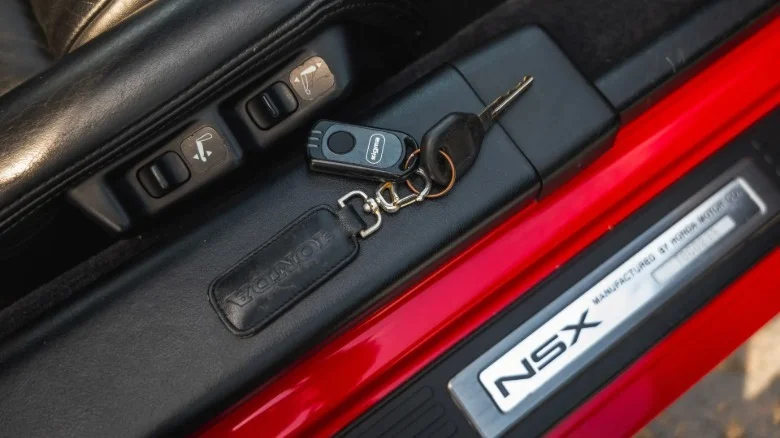
What pushed it so high isn't mileage or condition alone. It's the story bolted to the chassis. Provenance tied to a three-time Formula 1 champion who also helped shape the car's dynamics is about as direct as a collector connection gets.
A car built around a driver's contract
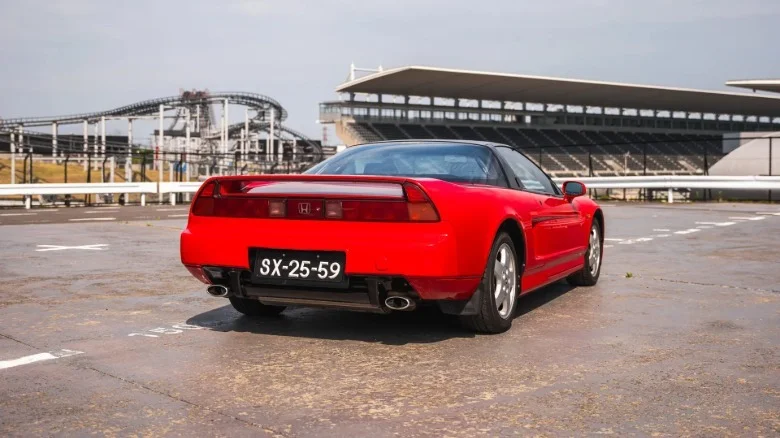
Honda had a contractual obligation to supply Senna with an NSX for his own use. The Japanese automaker provided three examples: two in black and one in Formula Red. The red car is the one now sold. It was kept in Portugal and handed to Senna when he visited the country. It's the same NSX he was photographed washing with a garden hose, and it appears in the 1992 documentary "Ayrton Senna: Racing Is In My Blood," where he spins the wheels on it.
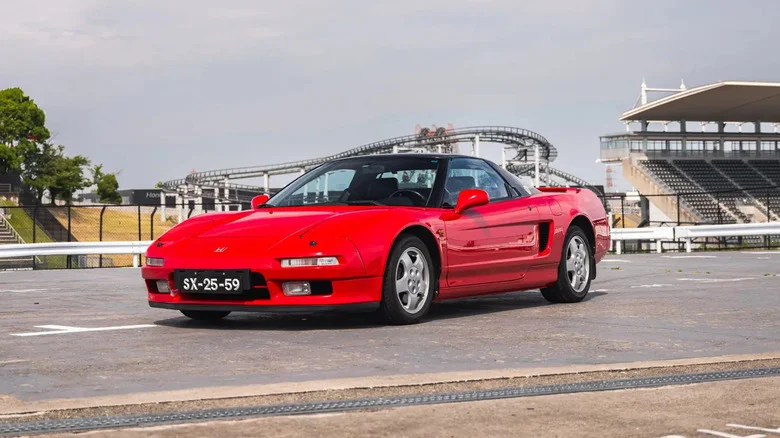 Ken Saito / RM Sotheby's
After Senna died in 1994, the car stayed with the Portuguese dealership that had owned it. It remained there until 1997. That gap matters to buyers. A car with a documented, single-owner history and a clear chain from factory to dealer to auction is a different proposition from one that passed through several hands with unclear records. Auction houses usually weigh that kind of paperwork heavily, and it likely helped justify a figure this far above the usual first-gen market.
The test lap that changed the NSX
The NSX's link to Senna goes deeper than endorsement. Senna's most successful stretch in F1 came with McLaren from 1988 to 1993, when he won three world championships and 35 races. Honda supplied the engines, and the relationship ended after the 1992 season. The timing is what makes the NSX story unusual. McLaren ran a preseason test at Suzuka in February 1989, just as Honda's R&D team was finishing a month of NSX testing. Engineers let Senna run laps in the sports car.
His verdict was blunt. As Road & Track reported, he said he wasn't sure he could offer useful advice on a mass-production car, but that he felt it was a little fragile. Plenty of manufacturers would have quietly filed that feedback away. Honda went back to the drawing board and raised the NSX's chassis stiffness by 50%. It then invited Senna back to test at the Nürburgring and help tune the suspension.
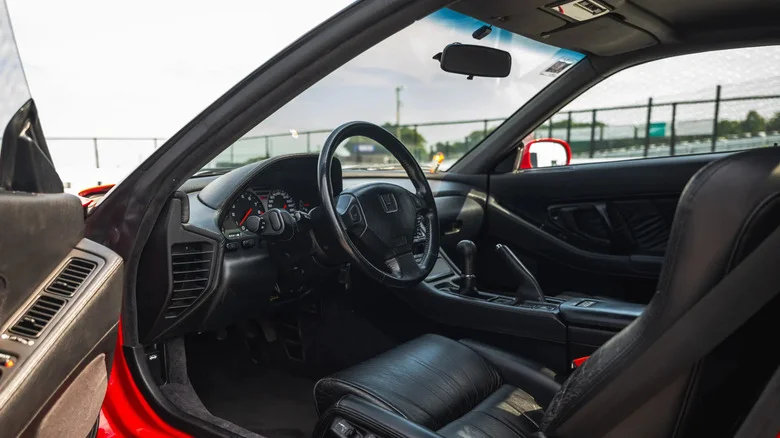 Ken Saito / RM Sotheby's
Here's the thing: a 50% stiffness increase is the sort of change that's hard to dial in from a spreadsheet. Chassis rigidity controls how quickly a car responds to steering input and how it settles over bumps and through fast corners. A driver who has spent years at the limit of grip can feel those differences in a way that instrumented testing sometimes misses. That's why the NSX's reputation as a usable, precise sports car owes so much to a few demanding laps at a test track in 1989 and later at the Nürburgring.
What it means for NSX owners
Most enthusiasts won't be bidding seven figures on a Senna car, and Honda seems to know that. Its heritage program now produces more than 3,000 official reproduction parts for first-generation NSXs. For anyone running one of these cars day to day, that matters more than the auction headline. Age-related wear is the biggest headache for cars of this vintage, and secure access to parts is what keeps a usable car on the road rather than in a garage waiting for a rare component.
This kind of sale also tends to influence the rest of the market. A record result gives sellers and buyers a new reference point, and it draws attention to cars with strong documentation. Owners of well-kept first-gen NSXs with clear histories may find that paperwork carries more weight than before. The car that just sold was special because of who drove it and how it was tested, but the broader lesson is simpler: the NSX's appeal was built on engineering that a demanding driver helped sharpen, and that's a story collectors are still willing to pay for.