Reader Wishlist: The Cheap, Light Cars Buyers Want When Budgets Tighten
- Cargo
- Electric Vehicles
- Shipped
- Shipper
- [email protected] (Amber DaSilva)
- Readers
- 752
Readers want small, cheap, efficient cars for hard times. Slate's $24,950 starting price and the Chevy Bolt's pre-incentive price point show how close that's getting.

Most of the hard-times car wishlists we've seen have been about cost. Ask a group of drivers what they'd want if money got tight, and you won't hear much about heated seats or 0-60 times. You'll hear about small cars, low prices and fuel that doesn't hurt. That's what came through in the responses to a recent reader question about what automakers should build to get everyone through a severe downturn, and the ideas were more specific than I expected.

Bring back the affordable sedan
The most concrete proposal was a midsize sedan that starts in the low $20,000s and tops out around $30,000 fully loaded. The reader wanted it in plenty of trim levels, with manual transmissions and optional larger engines that could be paired with a manual too. Wagon and coupe body styles, plus all-wheel drive for roughly $1,000 more, rounded out the pitch. The reader's nostalgia for the family sedan of the 2000s is hard to argue with. Those cars were roomy, plain and built to be used, and the price band the reader describes would be a sharp contrast to where many midsize sedans sit today.
Here's the thing: the sedan segment has been shrinking in the U.S. for years, and automakers have been moving buyers toward crossovers. A sedan at that price would need a very lean spec sheet to make the margins work, which is probably why the reader mentions manuals and no frills.
Go small, or go electric and lighter
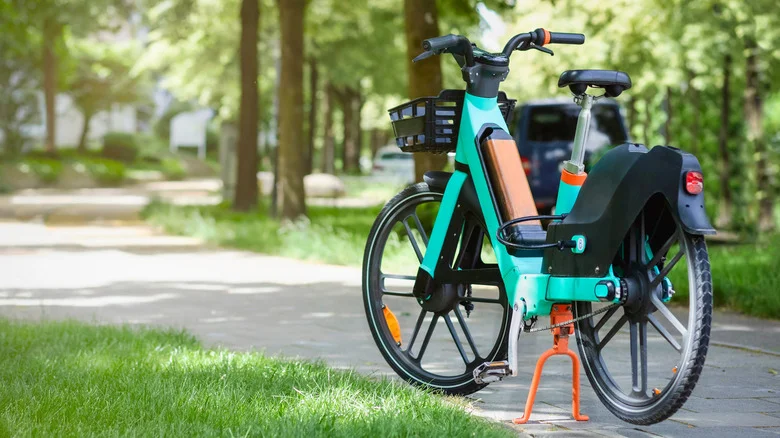
A second thread was simply efficiency. One reader argued that a recession paired with high fuel prices, or a real fuel shortage, would make the smallest and most efficient vehicles the only sensible choice. Another went further, pointing to e-bikes and e-scooters as the most practical way to get around if fuel climbed toward $8 a gallon. That's a hypothetical scenario, but it captures the mindset. When the cost of a tank of gas becomes the main constraint, the car with the best fuel economy wins, and the car with the best fuel economy is usually the one that weighs the least.
Several responses returned to weight. A reader asked for something that doesn't weigh two tons to start, and asked for non-turbo four-cylinder engines that don't need more than 300 horsepower to merge onto the highway. Anyone who has driven a modern full-size SUV on a highway on-ramp knows the appeal of that request. Lighter cars need less energy to move, which matters whether the energy comes from a pump or a plug.
Slate, the Bolt and the price-point problem
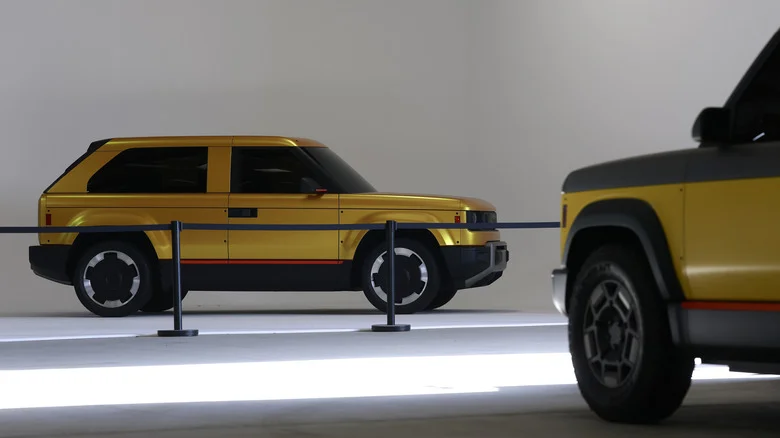
The Slate Auto pickup and SUV came up more than once, and for good reason. Slate's bare-bones electric models are listed at $24,950, and the company says deliveries could begin in December 2026, with more through 2027. The startup, backed by Jeff Bezos, has reported more than 180,000 refundable deposits and over 10,000 nonrefundable preorders. Those numbers suggest plenty of buyers want a stripped-down vehicle. One reader's suggestion was to take the smaller half of each automaker's lineup and offer a real base trim with no infotainment system, no advanced driver assistance features and no leather or fake leather. That reader's point was that a Slate-style car from a legacy brand might be the one new thing worth considering. Another reader joked that automakers should sell a Slate for more money, which is a good summary of where the industry sits.
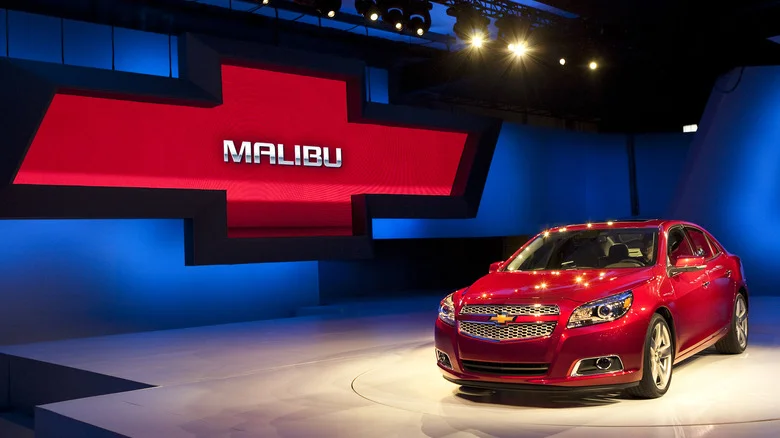
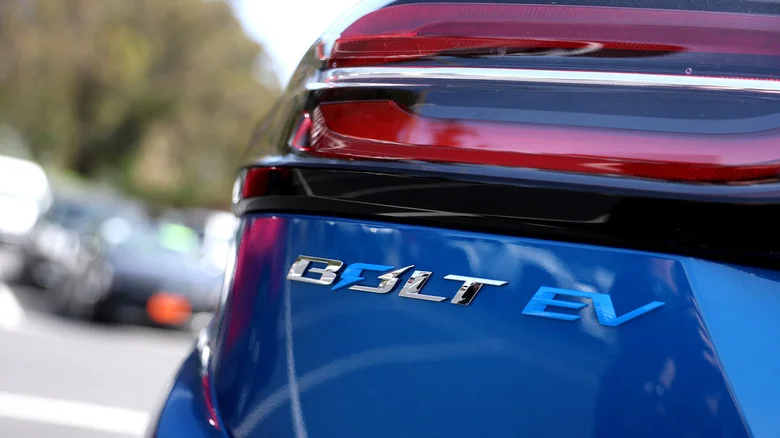
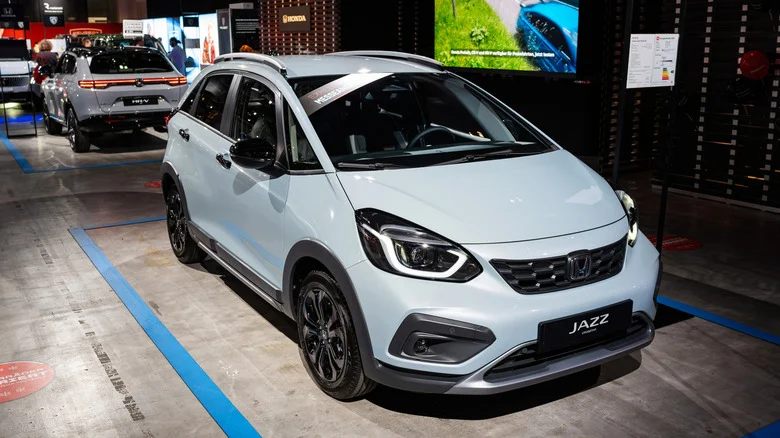
The Chevy Bolt drew a similar argument. One reader noted a starting price of $28,000 before incentives, with room for four, hatchback versatility and crossover-style looks, and said an electric car like that is insulated from oil-price swings. The image accompanying the discussion also notes that Chevrolet has announced plans to phase out Bolt production, so the reader's wish is a bit of a eulogy. The idea still holds. A small, affordable electric hatchback sits close to the sweet spot for budget-minded buyers, and the pricing gap between it and a fully equipped crossover is wide.
Cheap cars, cheap trucks and a $15,000 line
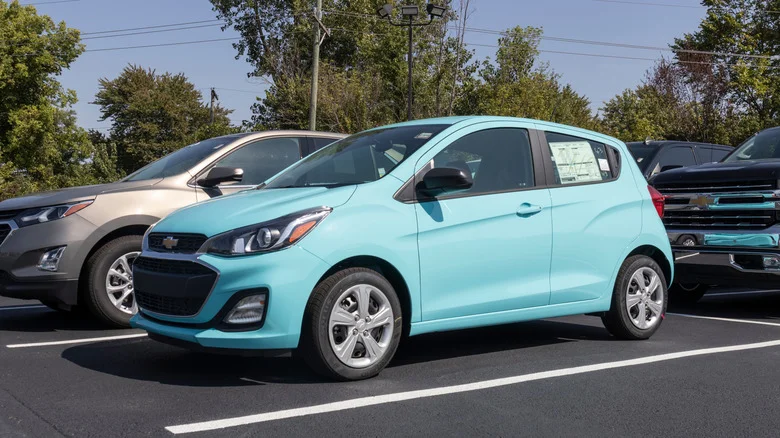
One of the most specific suggestions asked every domestic manufacturer to offer basic subcompact two-door and compact four-door cars, along with a compact regular-cab pickup, all with non-turbo three- or four-cylinder engines and manual transmissions. The target price was $15,000 or less. The reader's argument was that small cars and trucks don't sell in America only because they aren't priced correctly. That's a debatable claim, since buyer habits have shifted for many reasons, but the price discipline is the real point. A $15,000 entry car would reset expectations across the segment.
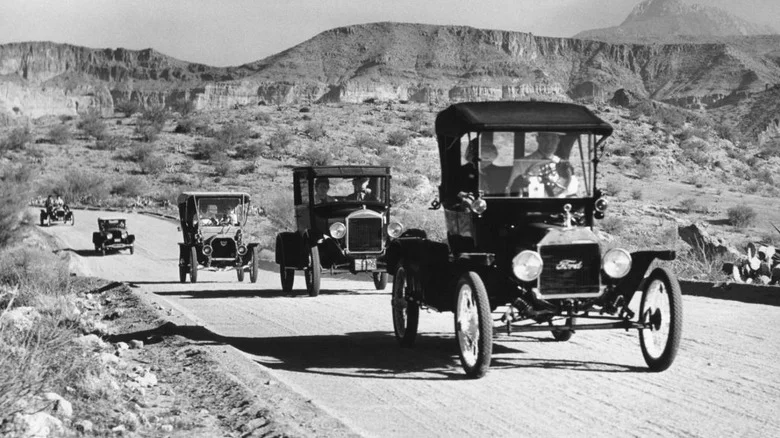
Another reader pushed the same idea with a sharper name: a modern Model T. The argument was simple. Build something light and cheap, skip the excess, and stop treating a basic commuter as an afterthought. That's a fair point for a market where the average new vehicle has grown heavier and more expensive over the past decade.
Budget brands and cheap EVs abroad
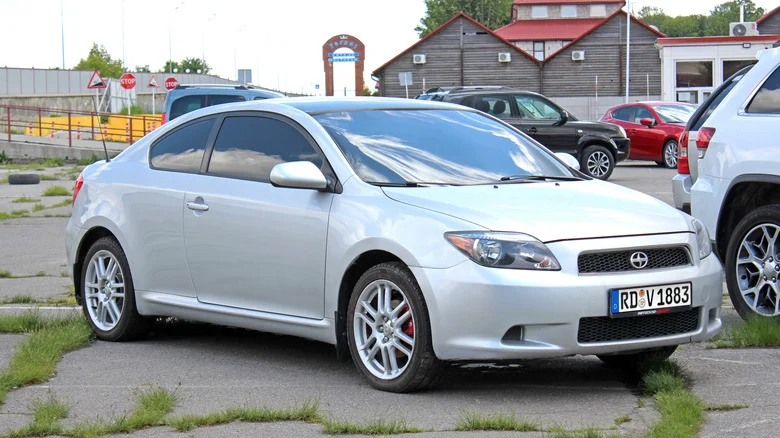
A few readers floated structural ideas. One suggested that Toyota revive Scion as a budget, hybrid-only brand, using Prius and Camry platforms with quirky, boxy bodies for maximum utility. The model is familiar. General Motors once ran Saturn as a lower-cost brand, and a dedicated budget label can keep costs down by sharing hardware across lineups. Another reader wanted the rest of the world to build inexpensive EVs and be loud about the fuel savings. That argument is less about one automaker and more about where the cheapest electric cars are being built, which is increasingly outside North America.
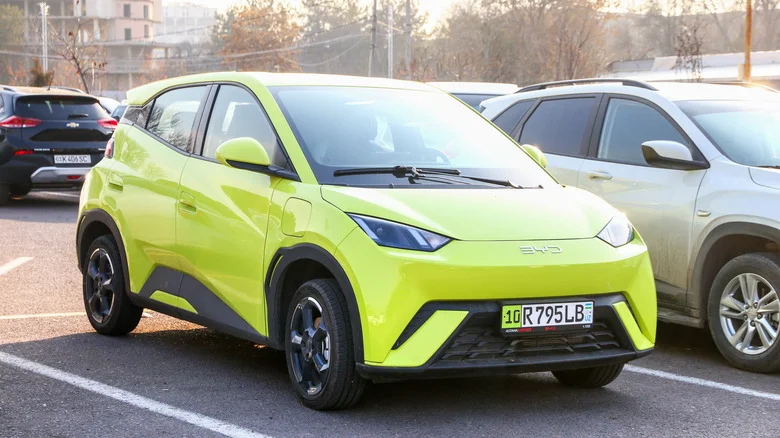
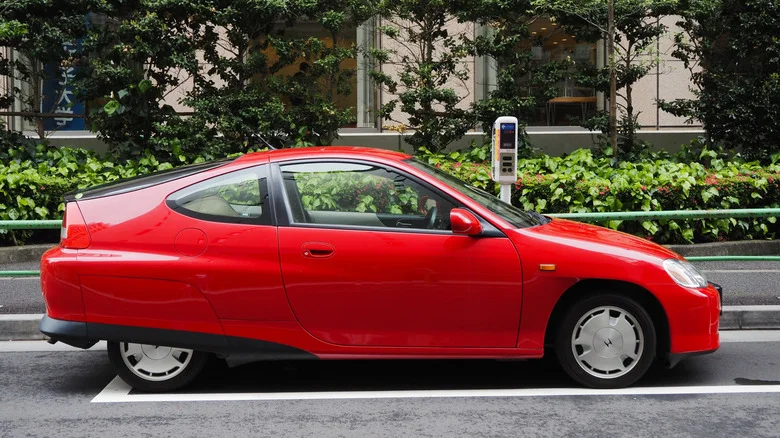
The Honda Fit drew one of the more specific data points in the discussion. A reader pointed to a 2027 Honda Fit base price in Japan of ¥1,806,200, or about $11,394.47, with the all-wheel-drive version starting at ¥2,026,200, or about $12,777.67. Those figures show how much cheaper a small car can be in some markets, and they make the U.S. price gap look even wider.
What to watch
The common thread is clear. Readers aren't asking for exotic technology. They want low prices, light weights, simple controls and efficiency that holds up when fuel costs spike. Automakers have some of those pieces already, in small hatchbacks, budget EVs and the handful of new entrants aiming low on price. The question is whether any of them will commit to a true base trim without the features that drive up cost. My read is that the first manufacturer to sell a genuinely stripped-down, well-engineered small car at a clear price advantage will get plenty of attention, and that's the signal to watch.