Nvidia's CEO Scandal Rattles AI Chip Stocks, Tesla Slides, and Dealers Get Chatty
- Cargo
- Electric Vehicles
- Shipped
- Shipper
- [email protected] (Amber DaSilva)
- Readers
- 313
Nvidia's CEO affair probe, Tesla and SpaceX's midterm-driven slide, AI in dealer finance offices, and Toyota's bid for tariff relief.
Three stories this week have something in common: they all put money at risk for companies that have been riding high on the AI boom. Nvidia's problems are the biggest, and they have less to do with chips than with a boardroom investigation that nobody expected.
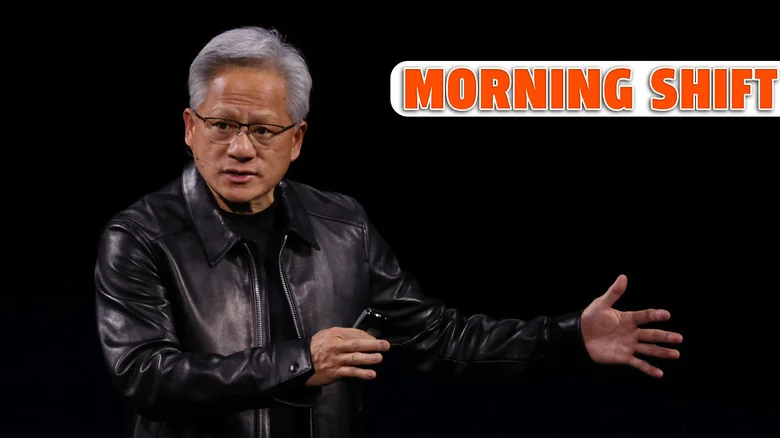
Nvidia's CEO affair becomes a governance problem
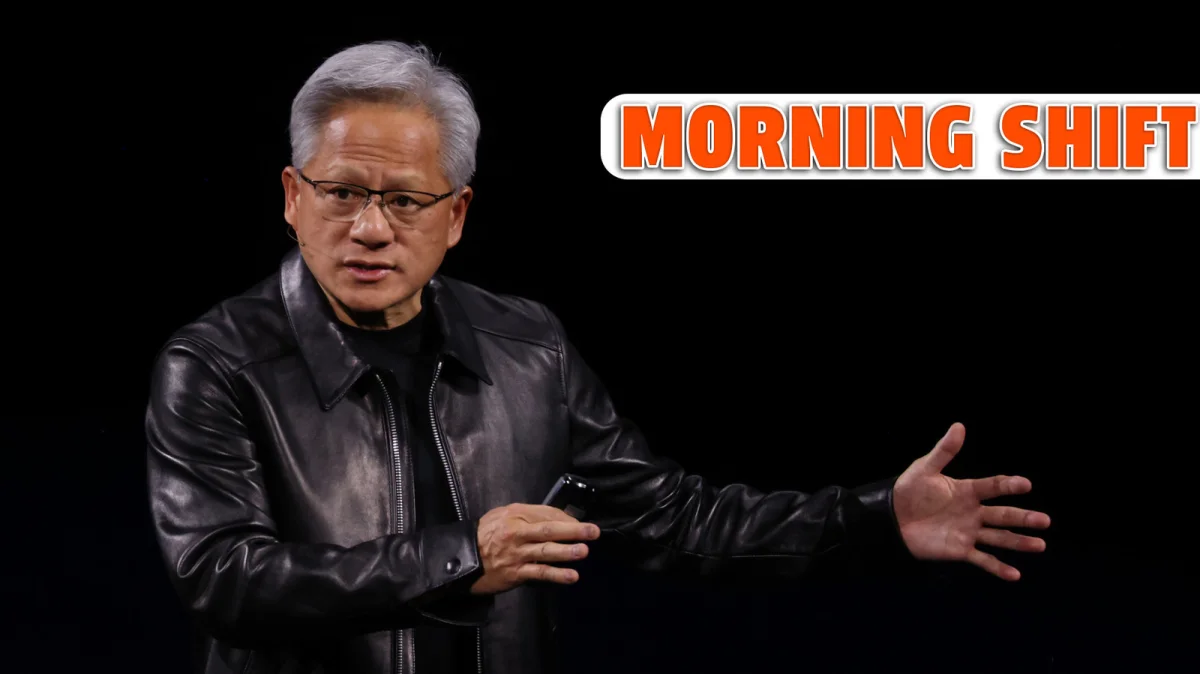
Jensen Huang has disclosed a romantic relationship with a woman who is alleged to be a Chinese spy. He told employees in a memo, and the open question now is whether she was sent to gather intelligence on Nvidia's advanced chip work. Nvidia's board is assembling a committee of independent directors, working with outside counsel, to look into the matter. Shares slid about 5% in premarket trading after the memo, a drop that would mean roughly $225 billion in lost market capitalization, according to Bloomberg's reporting.
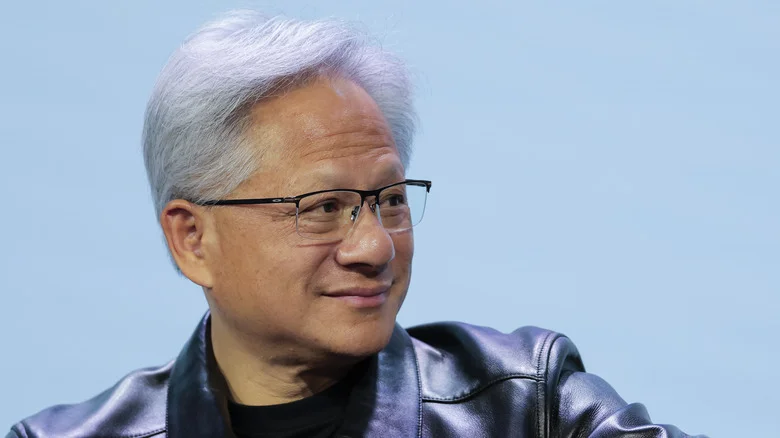
The market reaction is the easy part. The harder question is what happens to the CEO of the company that makes most of the AI accelerators the industry depends on. Nvidia has used its balance sheet to back a long list of major players, from frontier labs like OpenAI to cloud providers such as CoreWeave. Huang has also been one of the loudest advocates for AI in both Washington and on Wall Street. If the probe turns up anything serious, the damage won't stay inside one company's org chart.
My read is that most of the near-term risk is reputational and tied to investor confidence rather than product. Chip demand doesn't vanish because a CEO's personal life became a board matter. But the AI trade has been built on a few names carrying enormous weight, and that concentration makes any leadership question look bigger than it might for a typical large-cap tech company. Watch whether the board's process is public enough to calm investors, and whether the company's major partnerships stay unchanged.

Tesla and SpaceX give back their merger rally
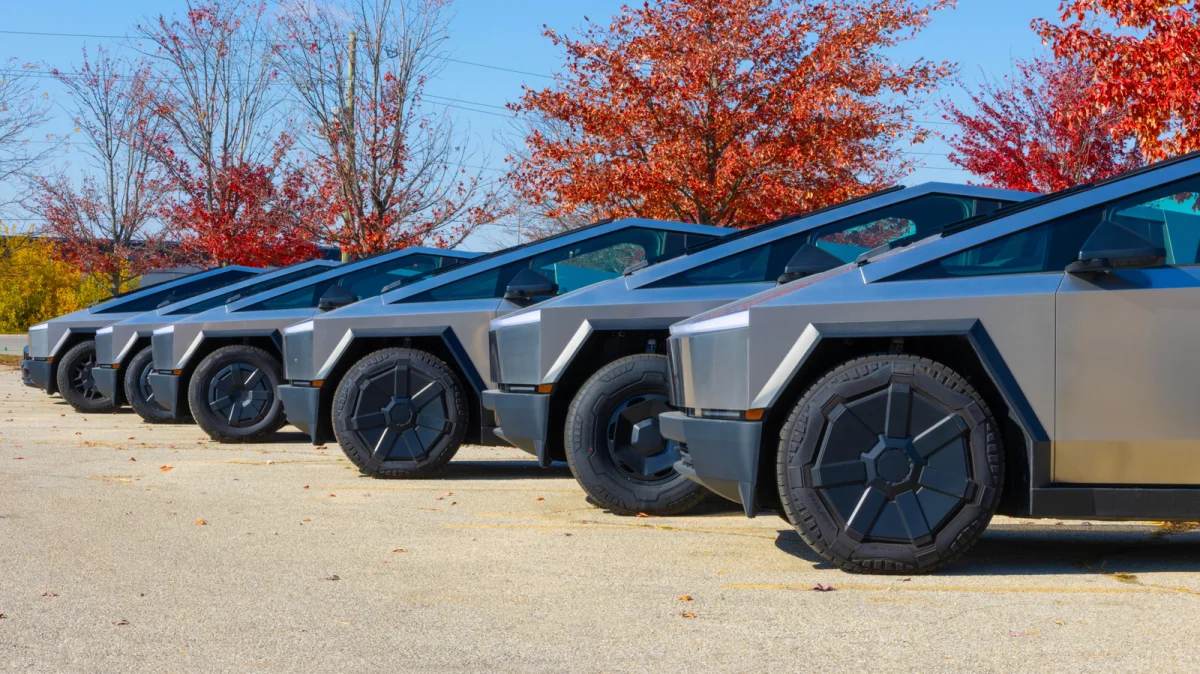
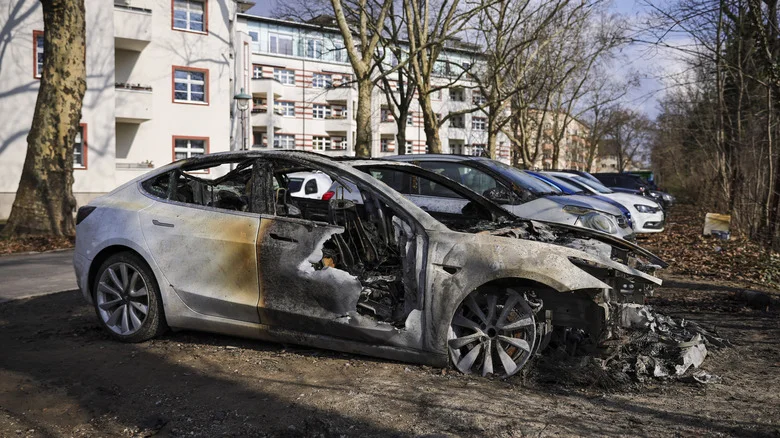
Tesla and SpaceX have been floating the idea of combining Elon Musk's major companies, which include Tesla, SpaceX, X and xAI. Shares climbed in anticipation of a deal, but the midterm results appear to have shelved that idea for now. Reuters reported that both stocks slumped as investors worried Democratic gains could slow data center build-outs and bring tougher scrutiny of Musk's businesses. Democrats picked up key statewide races in Texas, where both companies are headquartered, and Musk had spent heavily backing Republican candidates.
Tesla has since recovered some ground, rising more than 5% at the time of writing, though it remains below its pre-midterm highs. SpaceX has moved along a nearly identical path, sitting slightly higher. Neither move tells us much about vehicle demand, which is what most Tesla owners and prospective buyers care about. The market is pricing political exposure and the AI infrastructure story, not the next Model Y order book.
Dealers are recording finance office conversations
Some dealerships are now recording F&I conversations and running them through AI software. Automotive News reports that Len Stoler Automotive Group, which previously sold about one product per vehicle in its finance offices, is now closer to two. The group credits employees who are coached in part by artificial intelligence. The software acts as both a training tool and a compliance coach, giving sales staff feedback on how to present a product's value rather than push extra purchases.
The dealer's framing is that this is a productivity win and a way to lift per-deal earnings. I see it differently. Finance offices are where buyers are most likely to feel pressured, and layering real-time analysis over those conversations raises the stakes on how that data is stored, who can access it, and how long it's kept. Even if the upsell results are modest, the recordings contain sensitive financial details that become a breach risk later. Buyers walking into a finance office should expect that conversation may be captured and analyzed, and it's worth asking how a dealership handles that data before signing anything.
Toyota wants the tariff deal Audi got
When Audi committed to building an assembly plant in Georgia, it reportedly received tariff relief from the Trump administration. Toyota is now asking the Commerce Department whether that same offer applies to it. Automotive News reports that Toyota paid more than $8 billion in tariffs in its last fiscal year, which ended March 31, a bill that dwarfs what other automakers paid under the duties imposed in early 2025.
Toyota's case rests on investment. Audi's planned Georgia plant is about $4 billion, while Toyota said in July it would build a $3.6 billion factory in Texas. Its bargaining position is weaker than it looks on paper, since the Texas plant was committed without any tariff arrangement attached. Still, a request costs little, and the administration may be more open to deals that produce favorable headlines. Automakers in this position typically keep pressing for relief through every available channel, and this won't be the last we hear about it.
Gas prices and a song worth hearing
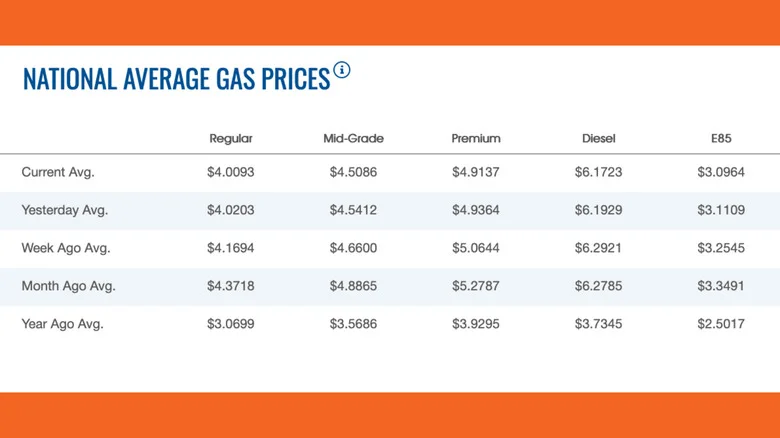
Gas prices have nearly dropped back below $4 per gallon, a level that looked out of reach only months ago. For drivers budgeting for winter travel, that's the most tangible number in this roundup.
Finally, SOPHIE's "MSMSMSM" has been stuck in my head since I heard it in an off-Broadway production of "Degenerates." It's a strange, bright track to be hearing in a theater, and it's worth a listen on its own.