George Russell's GR63 Karting Academy Funds 25 Seats for 2027
- Cargo
- Electric Vehicles
- Shipped
- Shipper
- Fleur Mealing
- Readers
- 503
Russell's GR63 Karting Academy at Silverstone will fully fund 25 young drivers in a 2027 championship, with entry starting at £25 in December 2026.
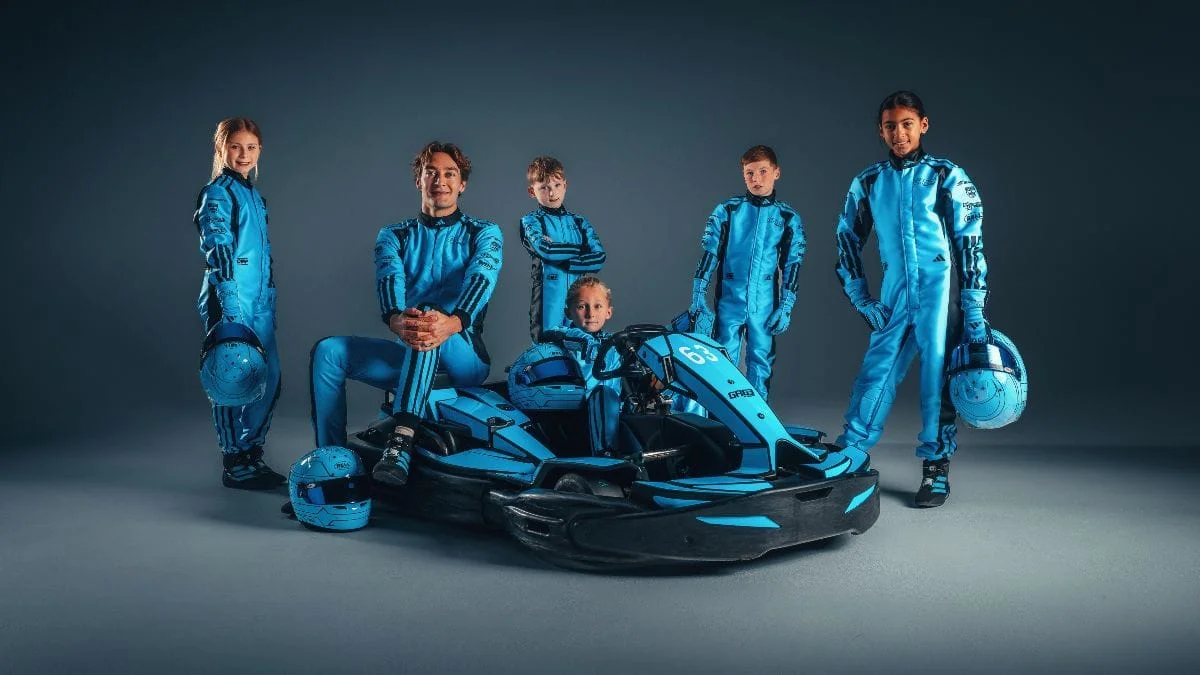
George Russell is putting his own money and time where his mouth is on talent development. The Mercedes F1 driver has launched the GR63 Karting Academy at Silverstone, and the headline figure is 25 places in a 2027 championship that the academy pays for. For a sport where the cost of getting a child competitive can close the door before the first race, that's the number that matters.
Who can enter and what it costs
The academy is open to boys and girls aged eight and nine. Entry starts with arrive-and-drive qualifying sessions at Silverstone Kart Track between December 6 and 31, 2026, at a cost of £25 per driver. The 80 fastest from those sessions go through to a shootout on January 31, 2027, which costs £75 to enter.
Eligibility is limited to citizens of a Commonwealth country, which is worth knowing before anyone books a session. Families should check the academy's booking page for the full details rather than relying on secondhand summaries.
Those upfront fees are the only part of the programme that isn't covered. From the championship stage onwards, the academy pays participation costs, so the financial barrier sits almost entirely at the front door. That's a deliberate design choice, and it's the most interesting part of the scheme. Most grassroots talent programmes ask families to fund the early seasons and hope the talent proves itself later. This one reverses that order.
The structure: four stages, one clear route
The academy runs in four stages. The December qualifiers are open access and used as a filter. The January shootout narrows the field, and from there 25 drivers are selected for the GR63 Championship. That series is eight rounds from March to November 2027, with each round held on a different circuit configuration at Silverstone. Running a single championship across varied layouts at one venue is a practical way to test drivers on different corner types without the logistics of travel.
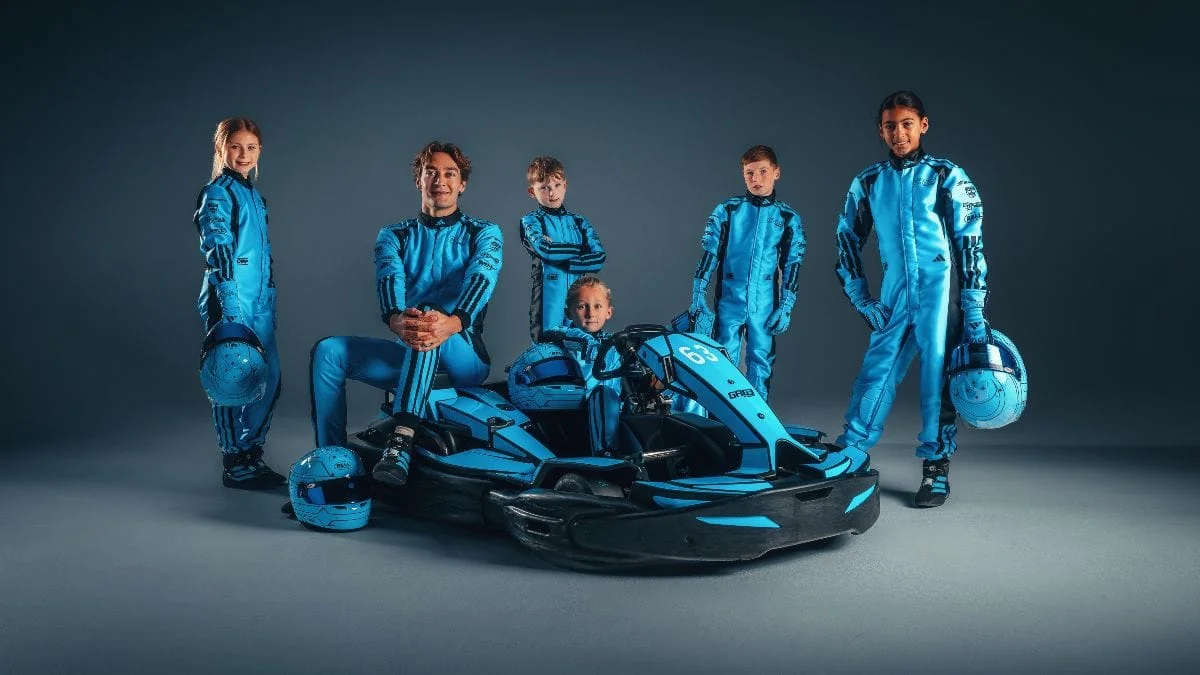
Selected drivers also receive a full set of academy equipment: racing overalls, a helmet, gloves and boots. For a family, that kit is a meaningful line item. Karting gear that fits a child properly, and is safe, isn't cheap, and removing it from the household budget is a real help.
The programme finishes in December 2027, when the top five championship finishers race in a final at Silverstone. The eventual winner gets a fully funded karting season in 2028. Judging isn't just about the stopwatch. Drivers are assessed on talent, lap times, fitness, racecraft and media skills. The media element stands out. It signals that the academy is thinking about what a modern racing career demands beyond the car, and young drivers who can handle sponsors, press and cameras are more useful to teams later on.
Russell's role and the wider backing
Russell will mentor and guide participants throughout the programme. His framing is personal. "Karting is where it all started for me, and it taught me everything I've relied on throughout my career," he said. He also pointed to the core problem: "I know how hard it is for talented young drivers to get that first opportunity, especially when budgets are tight."
His aim, in his words, is to "give something back by finding those hidden talents and giving them the support and platform they need to reach their potential." Whether the academy delivers on that depends on how the selection process treats children who are quick but don't come from well-resourced families, and that will only become clear once the first intake has finished its season.
Silverstone and the British Racing Drivers' Club are supporting the initiative. BRDC president David Coulthard welcomed the chance to invest in Britain's motorsport future. "The GR63 Academy captures that ethos perfectly, and we are delighted to work with George to support the next generation of drivers here at Silverstone," he said. Having a circuit and a established national racing body behind the project gives it infrastructure and credibility that a single driver's initiative might not have on its own.
What to watch as the programme starts
Here's the thing: karting academies live or die on their selection process and on what happens to drivers after the scheme ends. A funded championship is valuable, but the real test is whether the 2027 cohort gets a clear next step, whether that's a funded 2028 season for the winner or pathways for the rest. Watch for how many of the 25 drivers stay in karting or move on to the next rung, and whether the academy publishes any breakdown of who got through and from where.
Also worth tracking is the scale. Twenty-five places a year is a meaningful number in a single UK programme, but it won't solve the wider cost problem in junior motorsport. It's more useful as a proof of concept. If the shootout and championship produce drivers who progress, expect other teams and drivers to copy the model. For families weighing whether to enter, the practical advice is simple: the December qualifiers are the cheapest entry point, so it's worth getting a child on track early and seeing whether they can make the cut.