Apple TV Could Bid for F1 Rights Beyond the US, Says Domenicali
- Cargo
- Electric Vehicles
- Shipped
- Shipper
- Samarth Kanal
- Readers
- 869
F1's CEO says Apple will likely chase broadcast rights in other markets, and Liberty Media sees that interest as useful for demand.
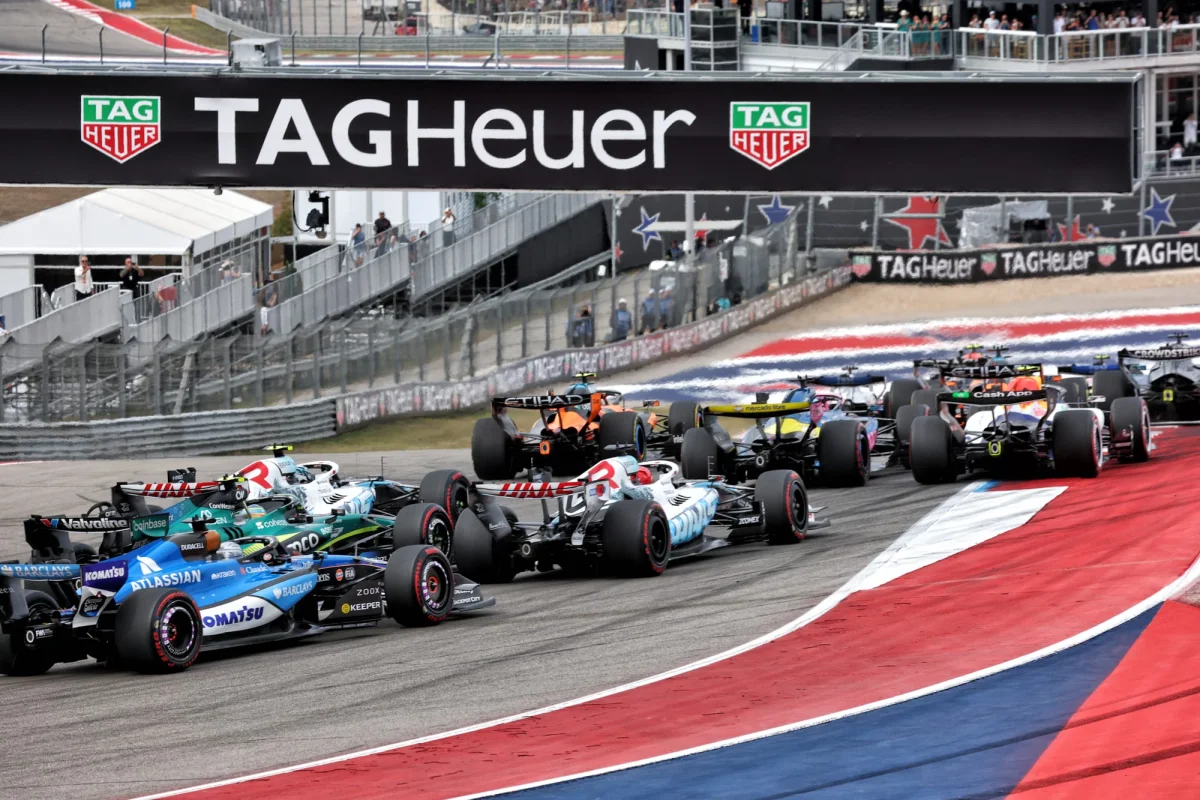
Apple's US deal with Formula 1 has barely settled in, and F1's chief executive already expects the tech giant to bid for rights elsewhere. Stefano Domenicali says Apple will go after broadcast contracts in other countries as they open up. That's more useful to watch than the usual pre-season optimism. My read is that F1 wants a market-by-market model, and Apple looks like a serious candidate for a slice of it.
What the US deal looks like so far
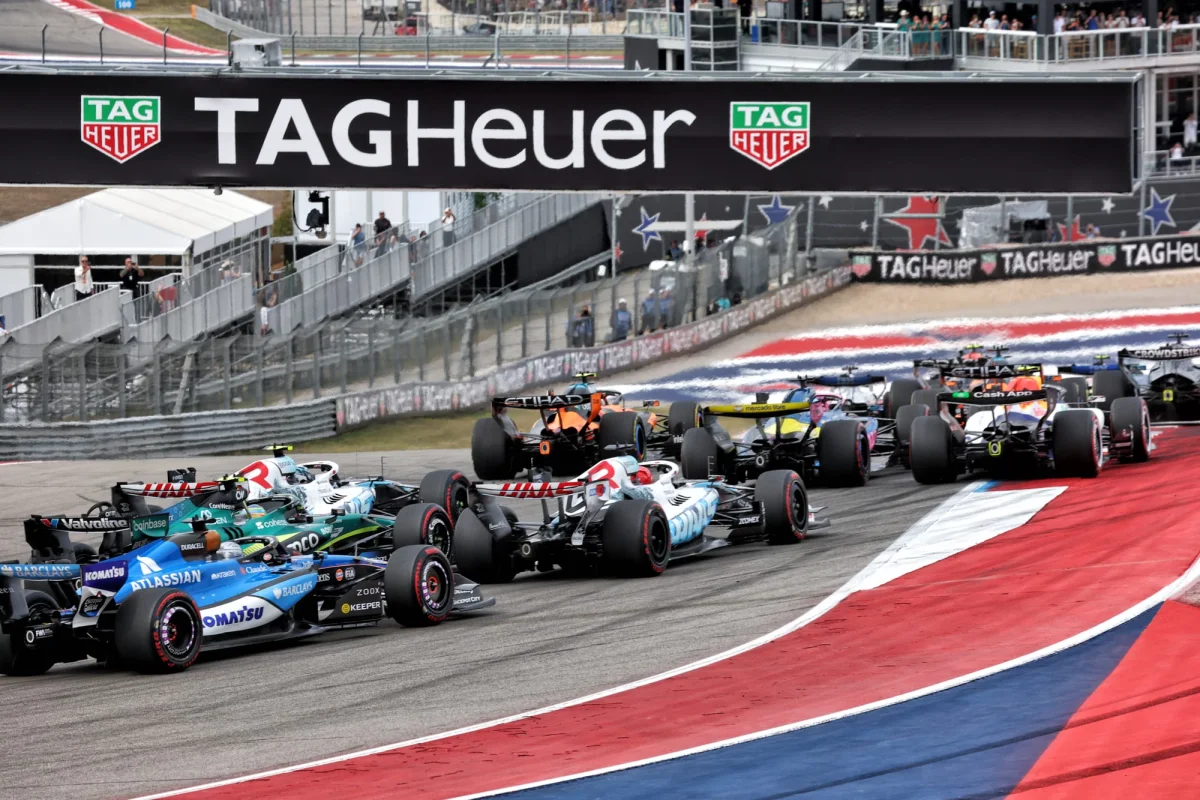
Apple TV and F1 started a five-year partnership this year. Every F1 race is broadcast exclusively on Apple TV for US customers. That's a long runway, but it's still early enough that the real verdict is some way off.
Domenicali has pointed to the 18-24 age group in the US as the main prize. He describes the Apple arrangement as an "incredible opportunity" to tap that audience. Younger viewers are a group that sports rights holders have found harder to reach through conventional TV packages, so the appeal is easy to understand. Whether the streaming model actually brings those viewers in and keeps them is the question that will shape how other deals get structured.
Why Apple could bid elsewhere
Asked whether Apple would pursue F1 rights in other countries, Domenicali didn't hedge. "The answer is yes," he said. In his telling, Apple sees that any opportunities in other markets are worth chasing, and it will move as soon as a market opens to it.
The more interesting part is how F1 plans to handle those openings. Domenicali was clear that the sport doesn't intend to hand all of its global media to one partner. The aim is to get the most out of each market separately. That approach fits how sports rights are typically sold: local broadcasters know their audiences, and a single global streamer can leave money on the table in territories where a national channel has deep sporting roots.
That said, a platform that wins in one country tends to come back with a stronger case in the next. Domenicali's comments suggest F1 sees Apple's US performance as evidence that the company can deliver the product, and that's likely why the sport is comfortable letting Apple compete in other places.
Liberty Media's view: more bidders, tighter markets
Derek Chang, president of F1's parent company, spoke at 'Formula One's Premium Playbook', an event hosted by The Race and Axios in Austin. He said the partnership has gone better than expected. "We anticipated having a great partner. They performed exactly the way we thought and frankly even better," he told Axios correspondent Sara Fischer. He also described the five-year deal as one the company intends to honour and hopefully extend beyond its current term.
On the Q3 conference call, Chang went further on the wider bidding picture. He said Apple's interest in bidding for contracts in other countries is "helpful" to Liberty Media as it puts those rights up for tender. He framed the brand match as complementary, pointed to the product as exceeding expectations, and made a point about demand: even if Liberty doesn't end up choosing Apple in a given market, having Apple at the table tightens the field. More serious bidders usually mean more competitive tension, and that tends to work in the rights holder's favour.
The existing contracts and their timelines
F1 has been locking in its European and Asian deals in the meantime. In May 2026, the sport announced a five-year contract extension with Sky for the UK and Ireland, and Sky Italia's contract now runs to 2032. BeIN Sports extended its Asian contract to the end of 2030, while its Middle East, North Africa and Turkey contracts run through 2033.
Other broadcasters are also tied in for the medium term. DAZN's contract for Spain, Andorra and Portugal runs through 2030, and Viaplay holds the Netherlands and Nordic rights until the end of 2029.
Those end dates matter for Apple's ambitions. Because the contracts expire at different points, the openings will arrive piecemeal rather than all at once. That staggered pattern fits Domenicali's market-by-market language, and it means Apple's bidding will probably be a series of targeted pushes rather than one large move.
Audience signals behind the strategy
Domenicali also pointed to audience momentum. He said growth in global TV audiences continued into the third quarter, with several events, including the Italian and Dutch rounds, recording double-digit percentage growth. Percentage gains are encouraging, but they don't say much on their own without the underlying viewing numbers, and the sport hasn't put those figures on the table in these remarks. Still, a rising audience strengthens F1's hand in any negotiation, which helps explain why the sport can be selective about who it lets in.
What to watch next
The next useful signal will be which market opens first and whether Apple takes a contract outside the US. If it does, the question becomes whether the Apple TV model, with its emphasis on a streaming-first product, works for audiences that already have strong local broadcasters. For drivers and fans in markets where F1 is on free-to-air or established pay TV, the practical effect may be modest in the short term. For the sport and the platforms bidding for it, though, the next round of tenders will show whether Liberty's plan to create competition across markets pays off.