Austin's Grand Prix Shows How Deep F1's American Roots Now Run
- Cargo
- Electric Vehicles
- Shipped
- Shipper
- Samarth Kanal
- Readers
- 540
Record Austin crowds and a wave of sponsor deals show F1's North American business has moved well beyond its shaky past.
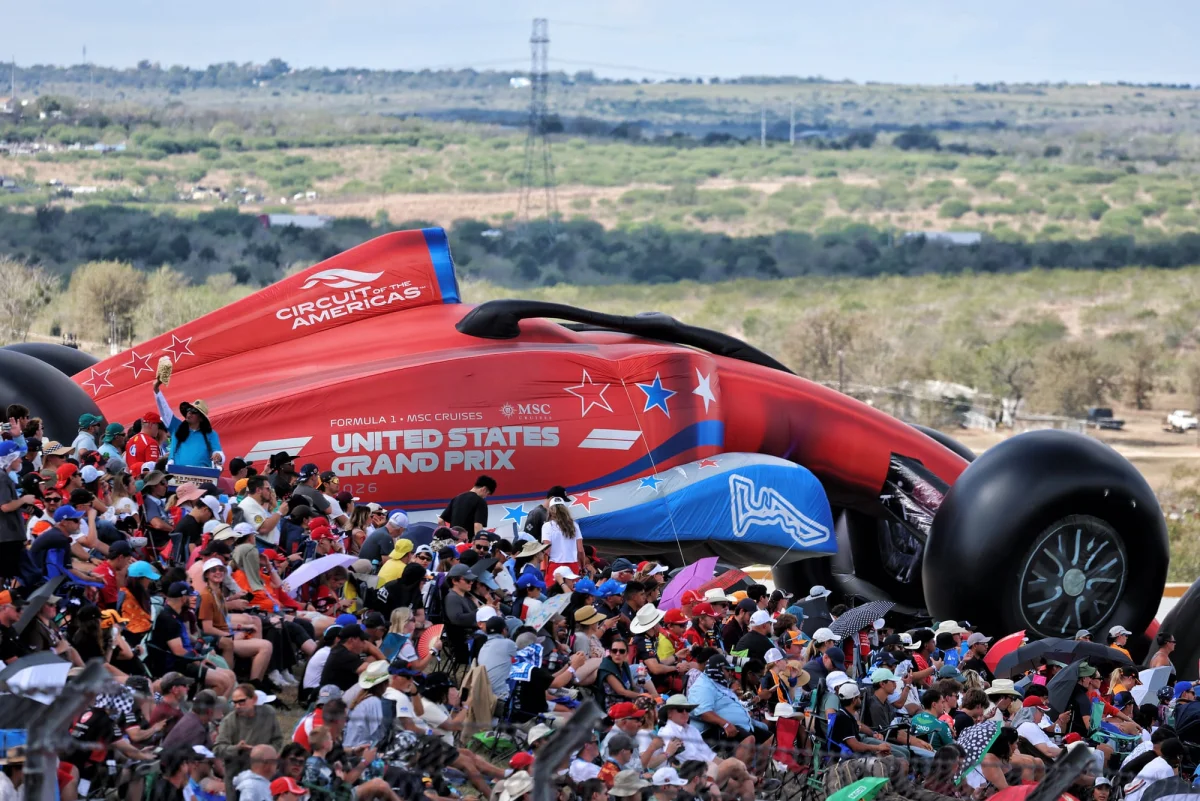
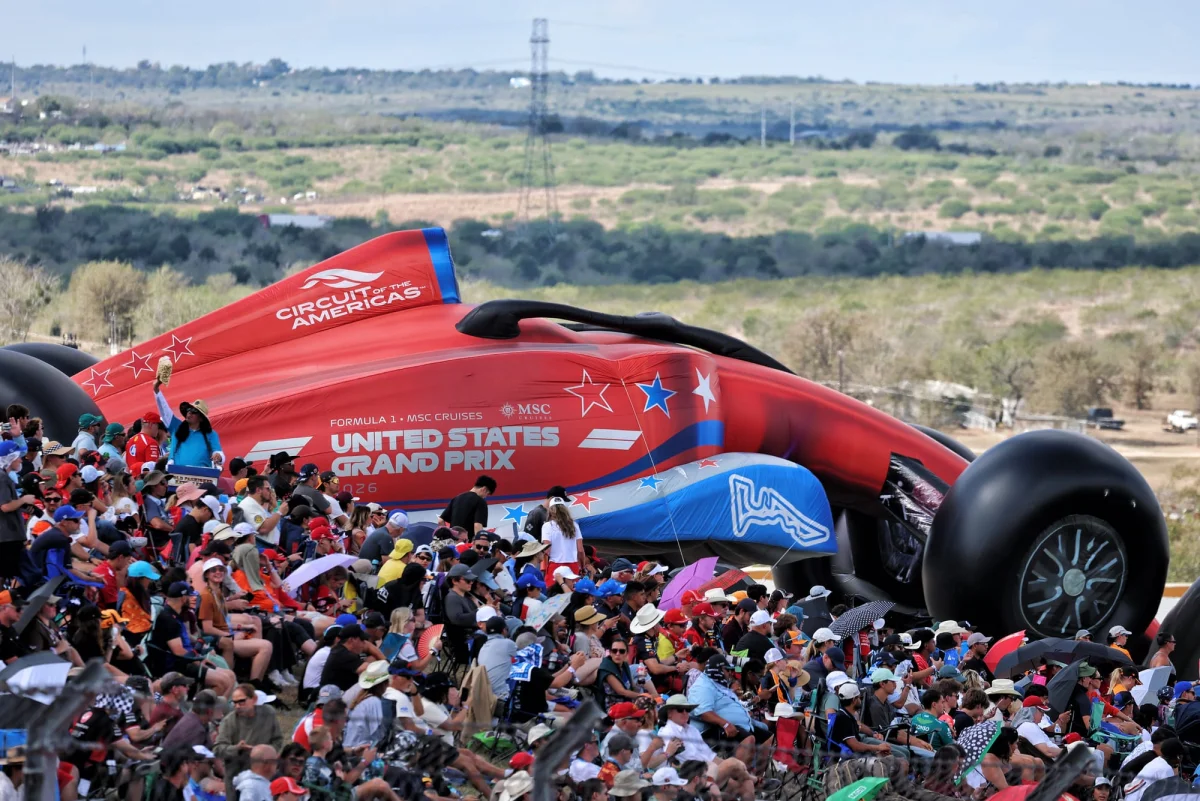
Austin is the clearest evidence yet that Formula 1's position in North America is no longer fragile. A three-day attendance of 467,000 is the headline figure, but the commercial activity around the event tells the fuller story. Packed grandstands are one thing. Brands lining up to be seen at the track is another, and that's what stood out this year.
A sponsor wave before the flag dropped
The announcements in the lead-up to the race came thick and fast. Cadillac, the new American entry, added Houston-based energy company Fronteiras. Audi said AI-focused software company Elastic will join its books from 2027, and it showed off activations with Revolut that will later land in Sao Paulo.
Mercedes announced a partnership with fintech platform Stripe starting in 2027. Team principal and CEO Toto Wolff appeared on Stripe cofounder John Collison's Cheeky Pint podcast to discuss it. The team also named astronaut Reid Wiseman as an ambassador and gave its livery a new look to promote Mercedes-Benz personalisation wing Manufaktur.
The rest of the grid was busy too. McLaren revealed a deal with pharmaceutical company AbbVie. Williams brought in tech company Klaviyo, and Racing Bulls signed cybersecurity firm ThreatLocker. Aston Martin reworked its livery to mark five years of its Cognizant tie-up.
Adobe and Alpine's 2027 deal was announced at a Formula One's Premium Playbook event held with Axios, where Pierre Gasly and Adobe's Marissa Dacay discussed the arrangement. Liberty Media CEO and president Derek Chang also sat down with Axios Media Correspondent Sara Fischer to cover F1's past and future in the US, including the reasoning behind its Apple TV deal. MotoGP had a visible presence across the weekend at COTA as well, and APEX CEO and founder Antonio Cacorino offered analysis on the future of Liberty Media's flagship properties.
Taken together, that's a lot of brands spending money in one place within a few days. Teams in this position usually announce partners in clusters around a marquee event, because that's when executives, media and guests are already in the same city. Austin just happens to make that clustering easy.
Counting the black SUVs
Darren Cox, who spoke to Cacorino for that segment, took a more personal angle. He started from the sound and smell of the sport, the feeling of standing on spectator banks as a kid. That came back to him on Friday in Austin, when the historic Formula 1 cars fired up in the pitlane. Debates about bringing V8 engines back to the sport have only sharpened that memory for him.
The noise he'll remember most, though, wasn't the engines. It was the sirens. Motorcades escorted what must have been one of the highest concentrations of black SUVs ever assembled, carrying team executives, partners and their large entourages of agency staff. Cox's point is blunt: if you want to measure the commercial health of the sport, maybe you should just count the cars.
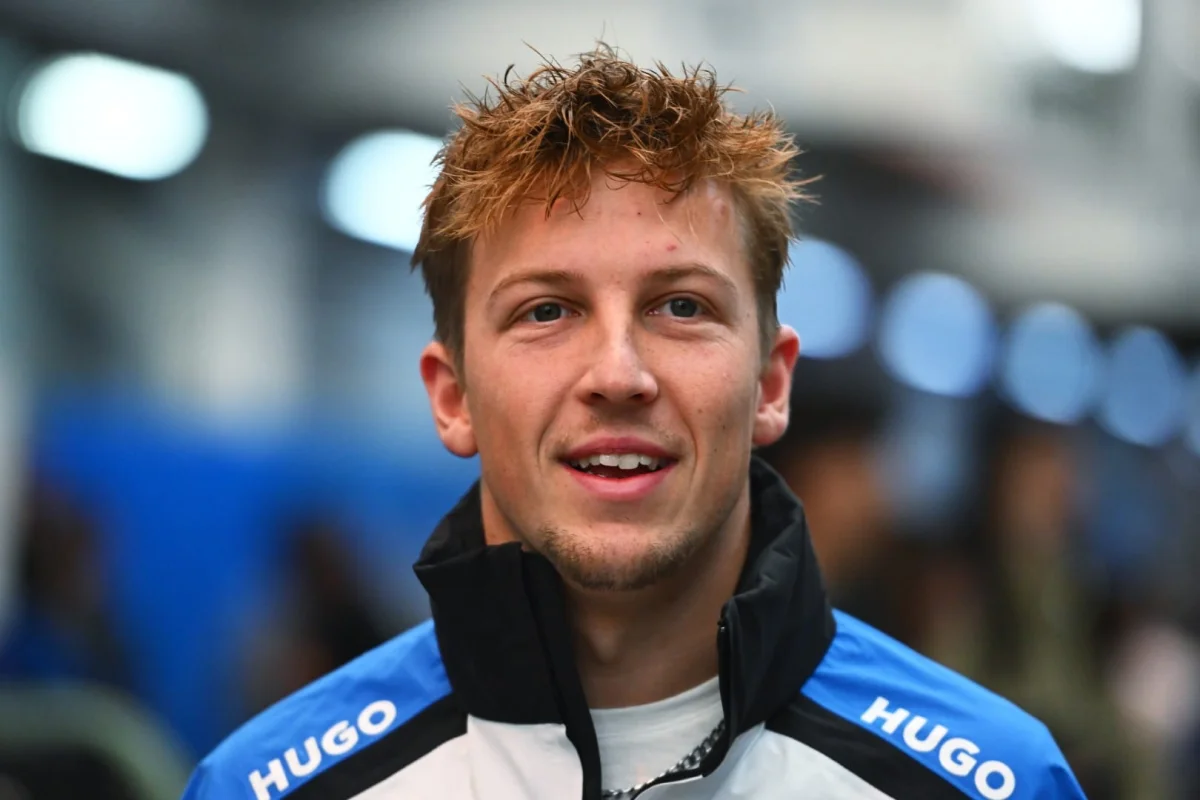
The joke lands because it's accurate. Austin has become a commercial hub for F1, and the sport has become a useful business for the city. Cox noted that you could barely move around town without running into a partner activation. The range was wide, from Liam Lawson playing guitar to a more substantive session at the Axios event, where Adobe and Alpine went into real detail about what their partnership involves.
That detail matters more than the spectacle. A brand that wants to explain a technology or an idea needs the right people in the room and enough time to do it properly. Austin offers both. Guests want to attend, and the people those guests want to meet are there too. For a sponsor, that combination is harder to find than a big crowd.
Why the current position isn't a given
It wasn't always this way. After the rain-affected 2015 event, falling attendance and reduced public funding left the race's future uncertain. The organisers responded in 2016 by bringing in Taylor Swift, a move that shows how hard they worked to rebuild interest. Keeping the grand prix alive took persistence more than anything else, and Cox's word for it is grit.
That history is the reason the current numbers carry weight. Rebuilding a market after it has stalled is generally harder than growing one that's already healthy. If Formula 1 had dropped out of the United States again, the next attempt would have started from a much weaker position, with fewer fans, fewer sponsors and less media attention to work with. Austin kept the lights on, and that's worth acknowledging.
Here's what I'd watch next: whether the 2027 wave of partners, including Audi, Mercedes, Adobe and Alpine, delivers the kind of activity they're promising on the ground. Announcements are easy to make at a race weekend. Sustained presence across the calendar is the real test, and Austin has shown the sport has the audience to make that case.