Piastri's Gap to Norris Opens Up in the Races, Chandhok Says
- Cargo
- Electric Vehicles
- Shipped
- Shipper
- Kyle Archer
- Readers
- 670
Karun Chandhok sees Oscar Piastri's qualifying deficit to Lando Norris grow into a bigger problem over race distance in the 2026 MCL40.
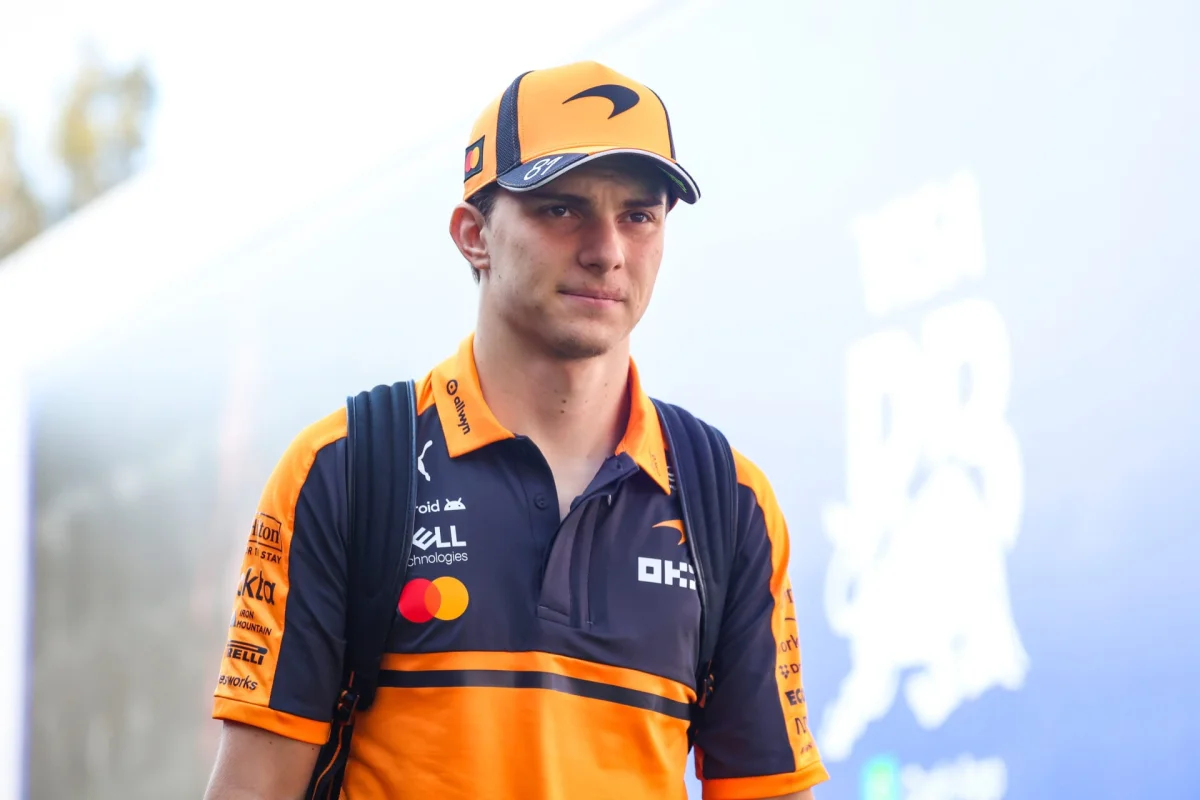
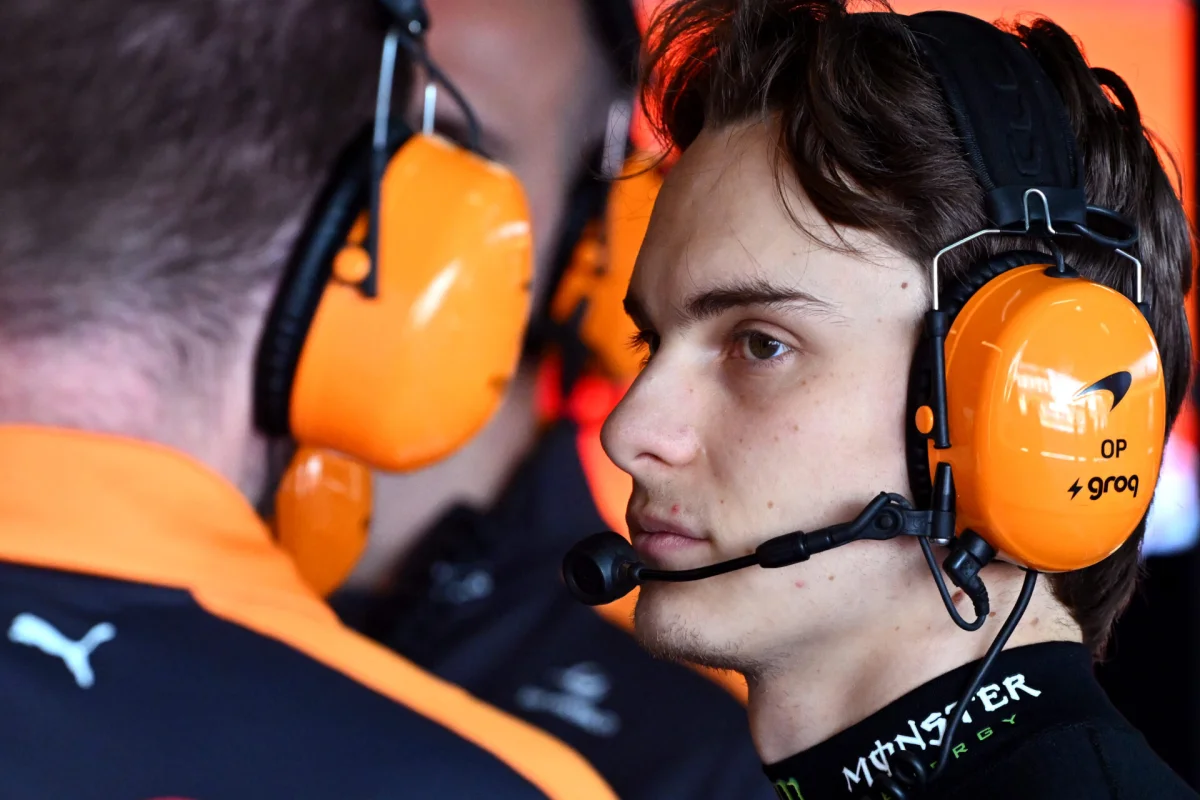
Qualifying shows a near-even contest between McLaren's two drivers. Race distance tells a different story, and that's where Karun Chandhok sees Oscar Piastri's real problem. Speaking on Sky Sports F1 during FP3 in Mexico City, he said the gap that looks small on a single lap keeps widening as the race goes on.
The numbers look closer than the season feels
On paper, Norris hasn't beaten Piastri by a wide margin in 2026. Norris leads 10-8 in Grand Prix results and 11-7 in qualifying head-to-heads. Those are tight splits, and they suggest the team's two drivers are running close to each other on raw pace.
The championship table tells a harsher story. Norris sits sixth on 211 points heading into round 19 of 23 at the Autodromo Hermanos Rodriguez. Piastri is seventh on 144. A driver who fought for the title only a year ago is now well outside the top six, and that gap is hard to explain away with qualifying results alone.
Why the races are where it goes wrong
Chandhok's point is specific. Piastri's average qualifying deficit to Norris across the season is about four hundredths of a second. That's almost nothing. Over a race, though, Chandhok said the same small deficit turns into a tenth, sometimes a tenth and a half, and it compounds on every lap. A car that's slightly unsettled on a single flying lap becomes a car that's constantly fighting its driver over a full stint.
That pattern matters because race pace is where the points come from. A driver who can extract a lap in qualifying but can't keep that rhythm through tyre wear, fuel burn and traffic is going to lose positions steadily. Teams see this in the data first. Engineers can point to the right setup changes and driving inputs, but the driver has to be able to execute them consistently, lap after lap, with the car behaving the way the simulator or practice run suggested it would.
The MCL40 asks for a different style
The 2026 regulations changed the baseline. Smaller wings produce less downforce than the ground-effect cars that suited Piastri's approach, and that means the rear of the car has a tendency to slide through corners. McLaren's MCL40 is a tricky car to drive in that respect, and the team knows it. The fix Chandhok and most observers would expect is a new chassis and a longer wheelbase, which McLaren isn't expected to introduce before 2027.
That timeline matters. A driver who has to live with a difficult car for most of a season has to find a way to make it work, not wait for the next package. When the rear is moving around and the front-end confidence isn't there, drivers often end up doing more corrective input than they'd like, and that costs time and tyres. It's a hard loop to break mid-season.
Braking confidence and the mental side
Chandhok said Piastri's difficulties were visible well before the race. During the Friday practice sessions in Mexico City, he noticed the driver lacked confidence with McLaren's braking, and that left the pundit worried. Braking is one of the places where a driver's trust in the car shows up fastest, because it's where the car's behaviour under load is most exposed.
The mental angle is the part Chandhok seems most concerned about. He described being in a "tough place" as a driver when the data says one thing and the car won't deliver it on track. That's frustrating in any season. It's harder when your teammate is getting the performances out of the same machine. Confidence is hard to rebuild in the middle of a round, and every race that goes badly makes the next one harder to approach with a clear head.
This isn't a sudden problem
Piastri has been here before in a sense. After the Dutch Grand Prix at Zandvoort, which was round 12 of the season, he acknowledged that Norris's win there exposed his issues with race pace. He finished sixth, 32.332 seconds behind the winner. So Chandhok's read isn't a fresh observation. It's a pattern that has been visible for months, and the Mexico City weekend simply made it clearer.
My read is that the fix isn't a single setup change. It's a combination of car development, a driving style that can adapt to a rear that wants to slide, and rebuilding the braking and corner-entry confidence that the team's data can't supply on its own. For a driver who was in the title conversation not long ago, that's a difficult list to work through with only a few rounds left in the season.
What to watch next
The next few races will show whether Piastri can close the race-pace gap or whether it stays locked in place until the new regulations and a new chassis arrive. Watch his lap-by-lap deltas to Norris in the longer runs rather than his qualifying gap, because that's where Chandhok says the story is being written. If the gap stops growing through a stint, that's the first sign the adaptation is working.