Richard Hammond on Whether Top Gear Could Work Today
- Cargo
- Electric Vehicles
- Shipped
- Shipper
- William Rodriguez
- Readers
- 983
Richard Hammond doubts a format like the original Top Gear could launch today, and he's wishing the new Grand Tour presenters well as they find their own style.
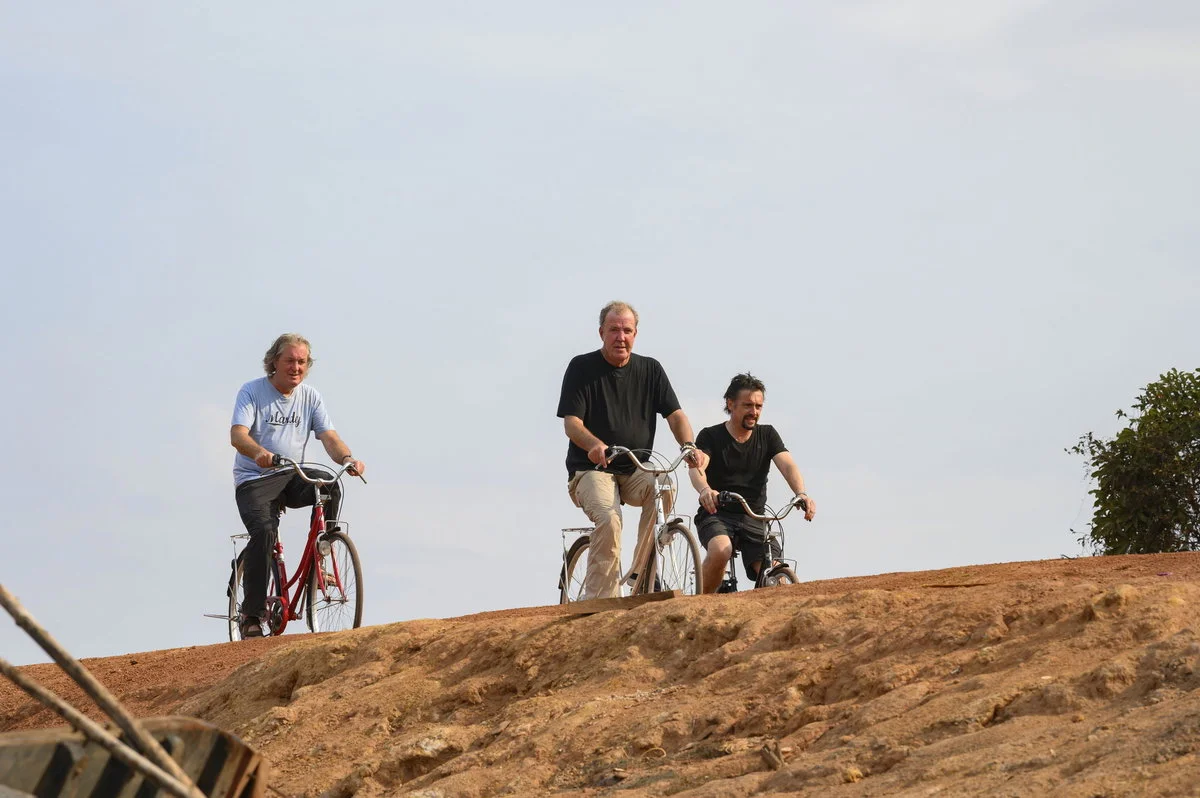
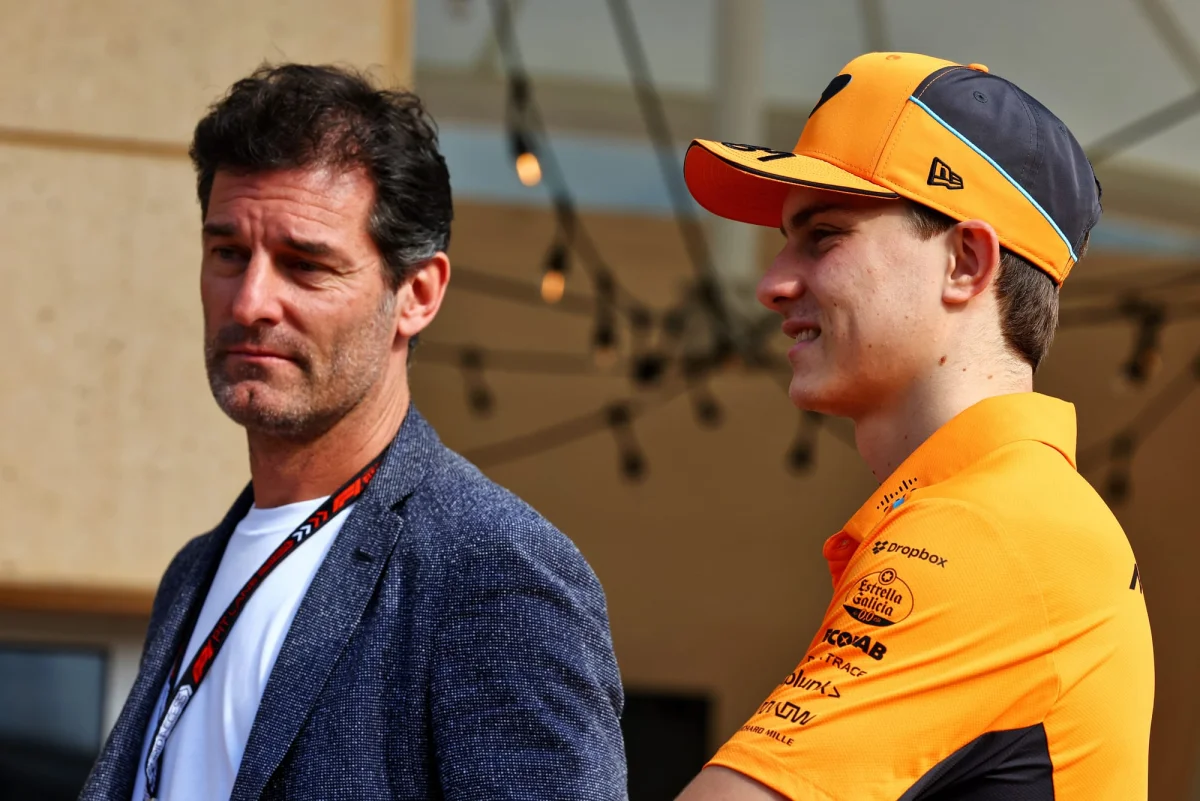
Richard Hammond isn't sure the Top Gear that made him famous could be built again. Speaking to The Telegraph, the former co-host, who fronted the BBC show alongside Jeremy Clarkson and James May from 2002 to 2015, credited much of its success to luck and timing rather than a formula anyone could copy.
Why the original worked, in his view
Hammond's description of the original show is blunt. He called it "a big car adventure show fronted by three misshapen idiots", and argued that audiences had an appetite for "a little window into how the average male brain works." That's a more honest read of the appeal than most retrospectives offer. Top Gear wasn't only about lap times and supercars. It was three presenters who clearly liked each other, bickering through challenges that looked like they'd been planned in a pub.
The format leaned heavily on personality and on a particular moment in television. Motoring shows on broadcast channels have since had to compete with a flood of car content on YouTube and social platforms, where a single driver with a camera can reach a huge audience without a broadcaster's budget. Hammond's pessimism fits that picture. If the show were pitched today, commissioners would face a crowded market and much higher expectations about who appears on screen and how they behave. That's why his line, "If we launched it now, there might be none," lands as more than a throwaway joke.
From the BBC to Prime Video
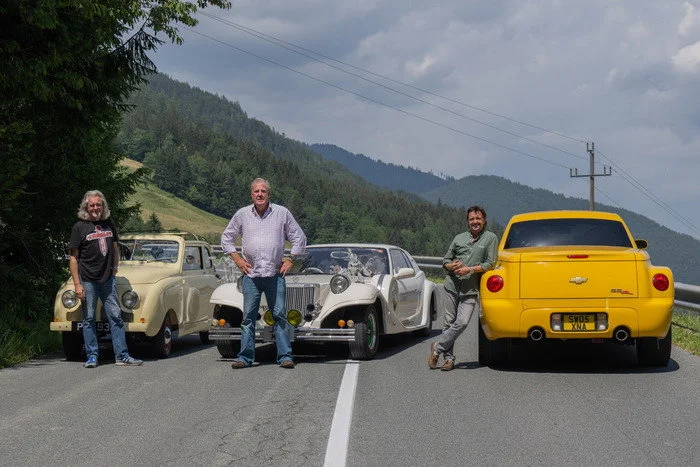
The trio's story after Top Gear is well known to the audience. Clarkson's departure from the BBC in 2015 ended the run that had made the show one of the broadcaster's biggest global hits. Hammond and May left with him, and the three reunited at Amazon's Prime Video, where The Grand Tour launched later that same year.
The new series kept the recipe that had worked before: supercars, long cross-continental road trips and the same banter. It also leaned on big-budget specials as a signature, which gave it a different rhythm from a weekly studio-and-track format. Streaming platforms tend to favour that kind of event-driven programming, because each special can work as a marketing peak instead of one episode in a long weekly schedule.
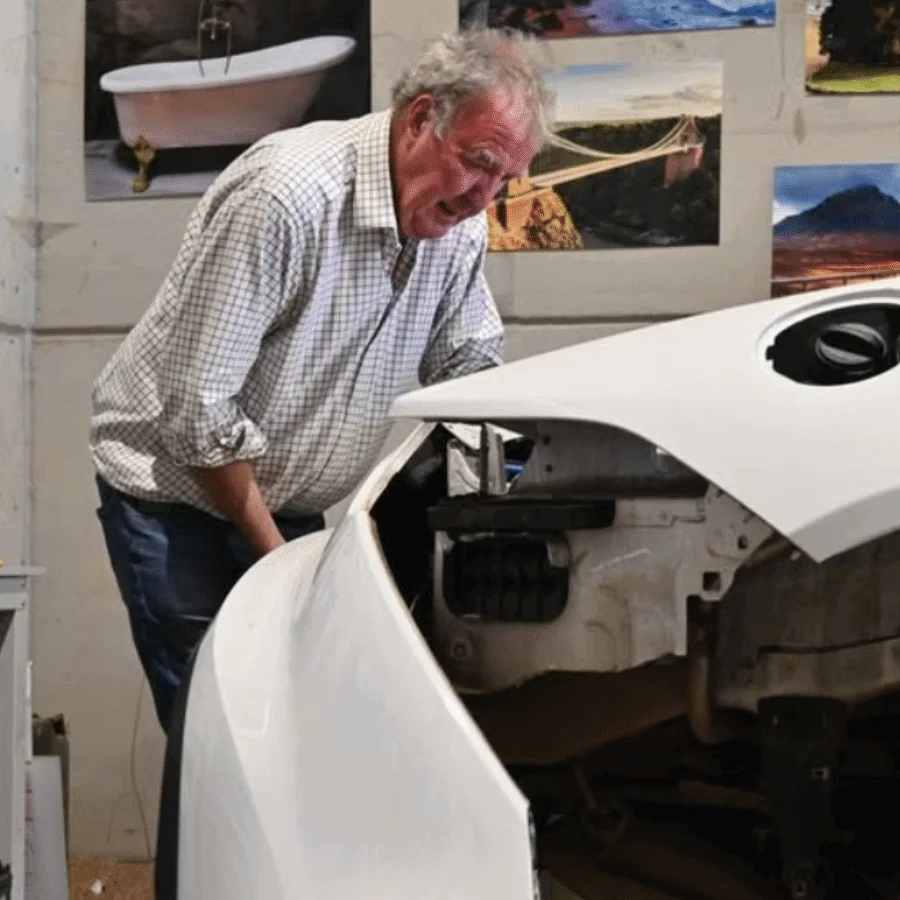
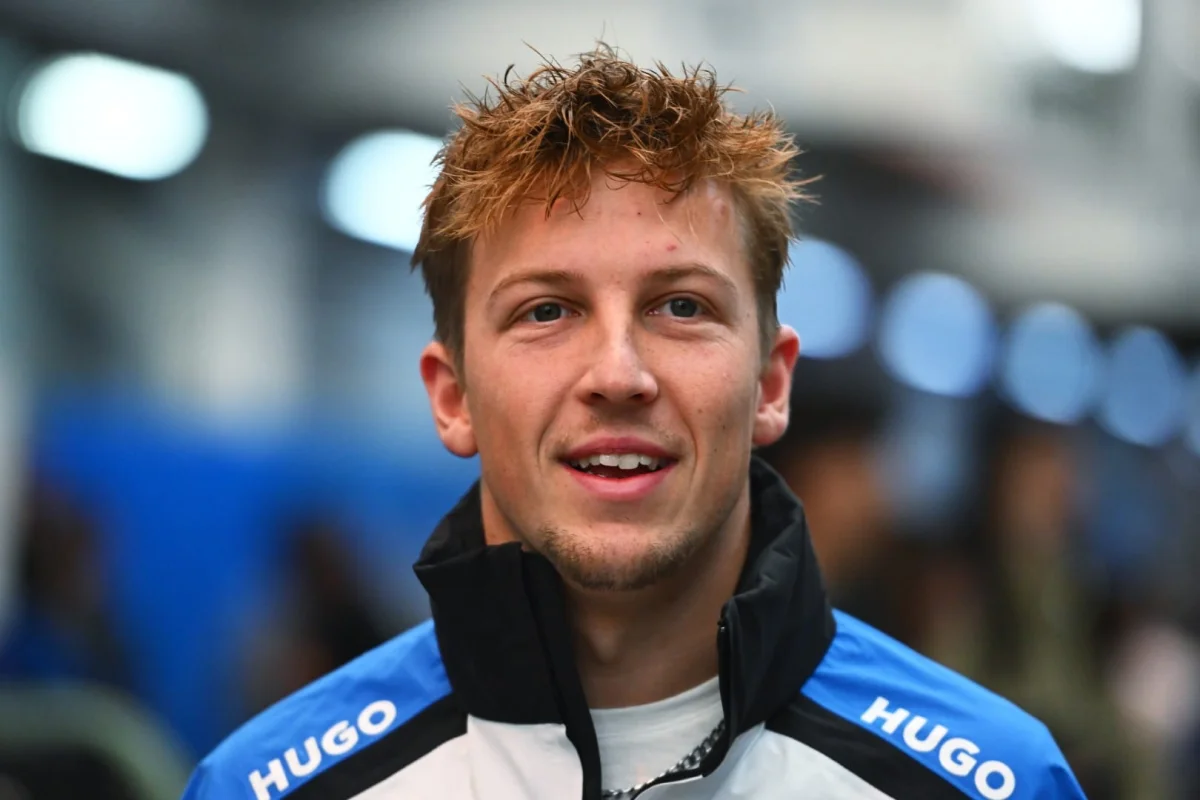
The Grand Tour ran for several seasons before the original presenting line-up left in 2024. Its relaunch in 2026 brings in a new trio: Thomas Holland, James Engelsman and Francis Bourgeois. Replacing three hosts who had spent years building a shared shorthand on screen is a hard brief, and it's one that rarely goes smoothly on the first attempt.
Hammond's advice to the newcomers
In a separate interview with Radio Times, Hammond was asked about the new hosts and kept it generous. "I wish them the very best," he said. "From what I can see, the audience is giving them space and time to find their own way of working, which is what they need. They have to find 'their' show. Good luck to them."
That last point matters more than it might sound. Successor presenters on long-running shows often get judged against the originals from the first episode, and the comparison can stall a new format before it has a chance to settle. Hammond's comment suggests the audience is being patient for now, which is the most useful thing a new line-up can get. Chemistry between presenters usually develops across a season, not in a single launch episode, and the shows that last tend to be the ones that let that happen.
Top Gear's own revival
The BBC has also announced that Top Gear will return in a rebooted form, with its new presenters yet to be named. That leaves two heavyweight motoring formats on different platforms, both trying to rebuild audiences around new faces. Anyone tracking the genre will be watching whether the two approaches diverge. One is leaning on a streaming model built around big specials, while the other has to work out how a legacy broadcaster sells a car show to viewers who grew up with clips online.
My read is that Hammond's comment about luck and timing is the real takeaway. Rebooting a famous name guarantees attention, but it doesn't guarantee the chemistry that made the original stick. The presenters who take on either show will have to build something recognisably their own, and the audience will decide over time whether it's worth following. For now, the most interesting question is which of these new formats still has room for the sort of unfiltered, personality-led car talk Hammond was describing.