Tesla Roadster Flies Over a Semi, But Buyers Still Have Questions
- Cargo
- Electric Vehicles
- Shipped
- Shipper
- Christopher Smith
- Readers
- 746
Tesla's Roadster shows thruster-assisted flight and claimed 0-60mph of 0.81 seconds, but pricing, range of uses and 2028 production remain open.
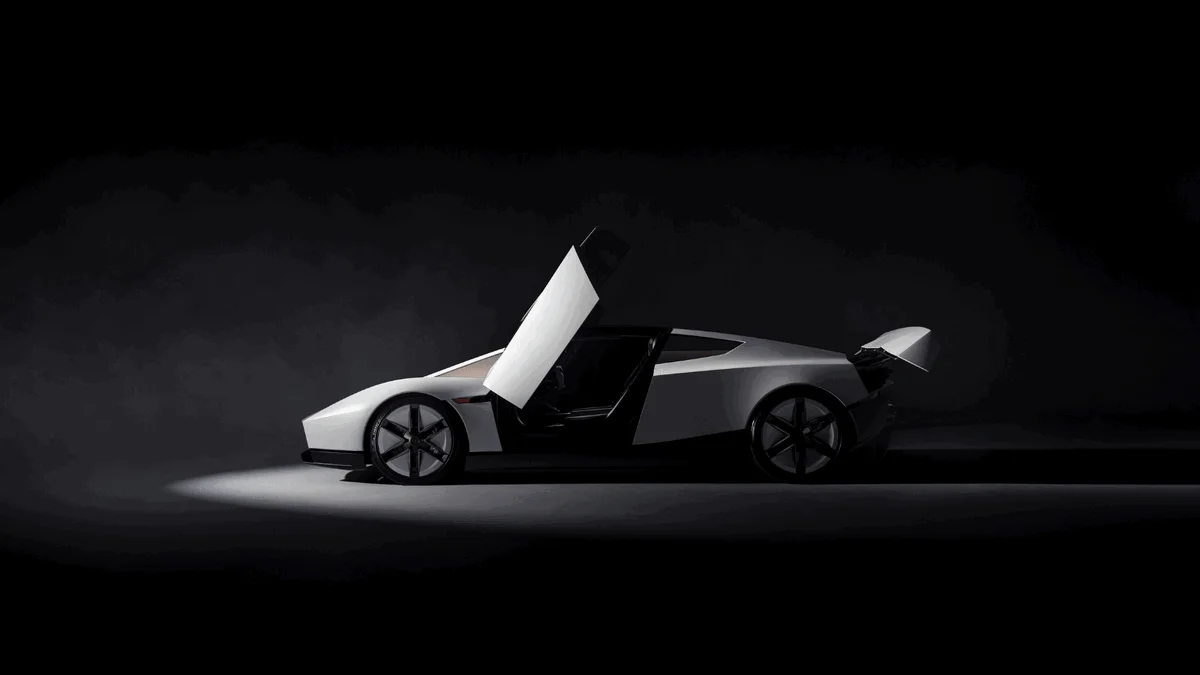
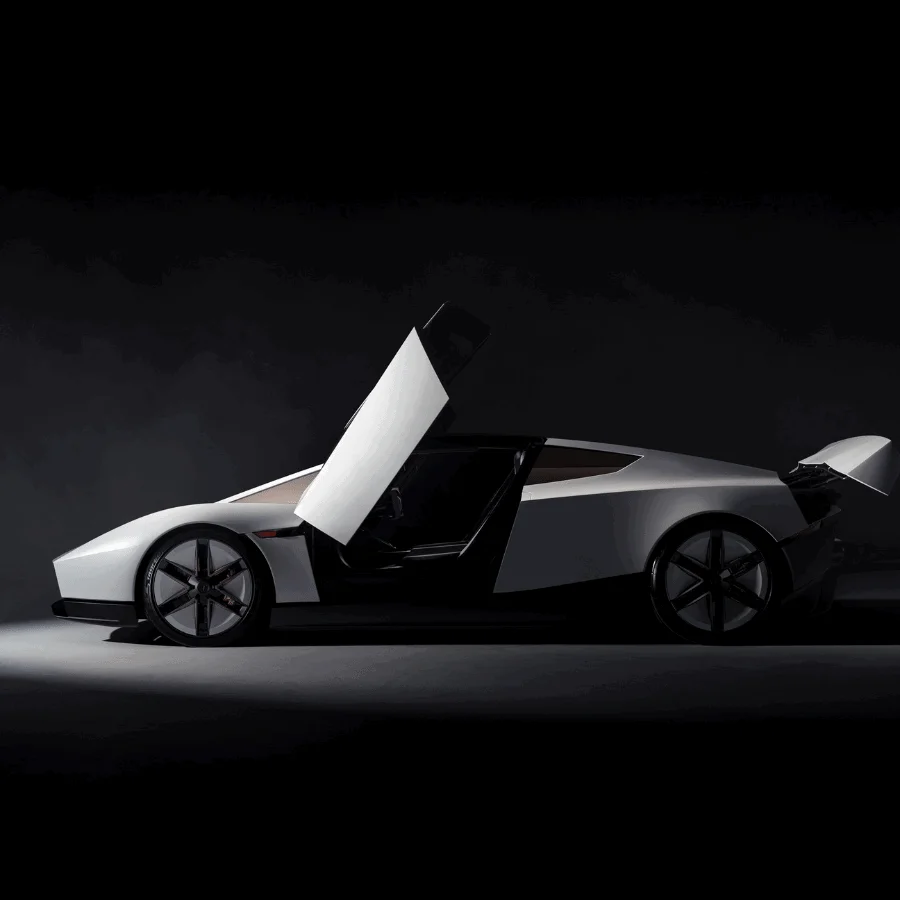
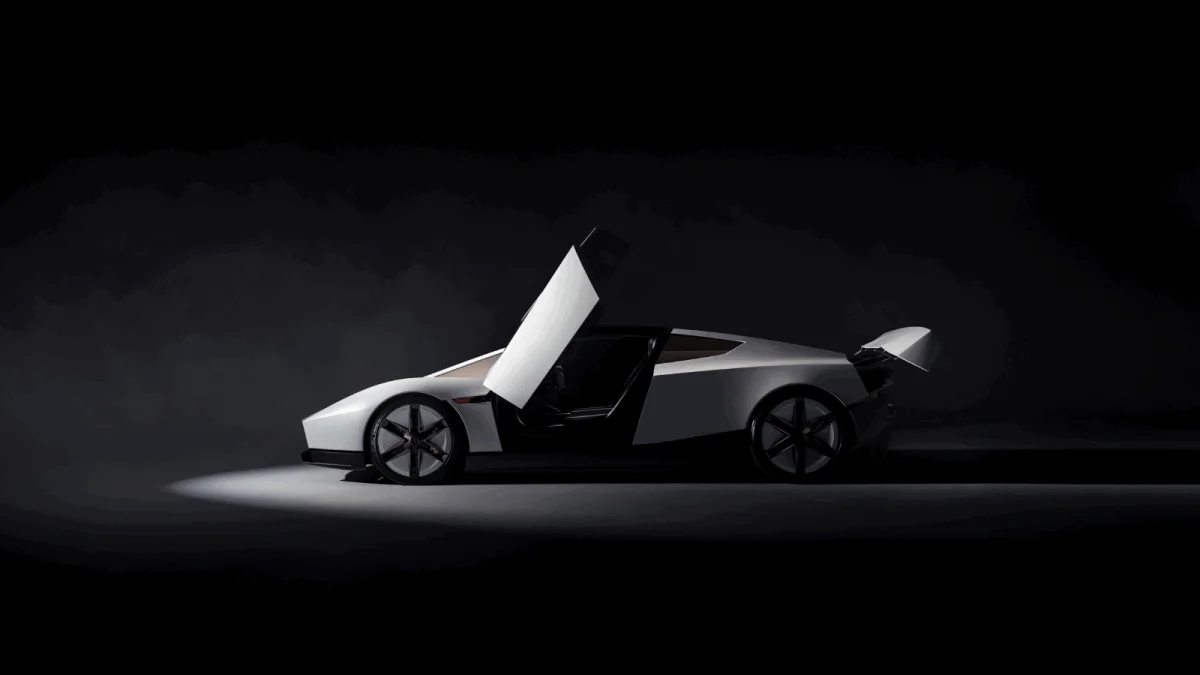
Tesla's Roadster has finally been shown in public, and the demo was more theatrical than most launches. On Thursday night, at SpaceX's Rocket Development and Test Center in McGregor, Texas, Elon Musk rolled one out on a 4,000-acre site that opened with a Raptor rocket engine static fire. Hard to think of a better warm-up act.
What the demo actually showed
The first run was a ramp. The car climbed a large curved structure, went upside down and launched off the end. It flipped in mid-air and landed on its wheels. Lars Moravy, Tesla's VP of vehicle engineering, said the result proved flying cars are real, and Musk called it a short hop before suggesting a longer one. Then came the stunt that got the attention: the Roadster cleared Tesla's Semi and the rest of the current lineup, barrel-rolling on the way. Musk's own reaction, "Well, it worked," says a lot about how unfinished this machine still is.
It's worth being precise about what's flying. The Roadster isn't a rocket in the conventional sense. It uses 10 thruster nozzles fed with compressed air rather than propellant, a system Tesla developed with SpaceX. Rear main thrusters provide the push, while separate attitude-control thrusters manage the car's angle in the air. That's a very different propulsion story from a rocket-powered vehicle, and it's a more interesting one for engineers.
Grip, control and the spec sheet
Ground performance is where the car looks more like a conventional hypercar. A fan underneath pulls the body toward the tarmac, and Tesla is claiming cornering forces above 2G. Musk says it will "crush every track record that has ever existed," which is the kind of statement I'd file under ambition until independent lap times arrive.
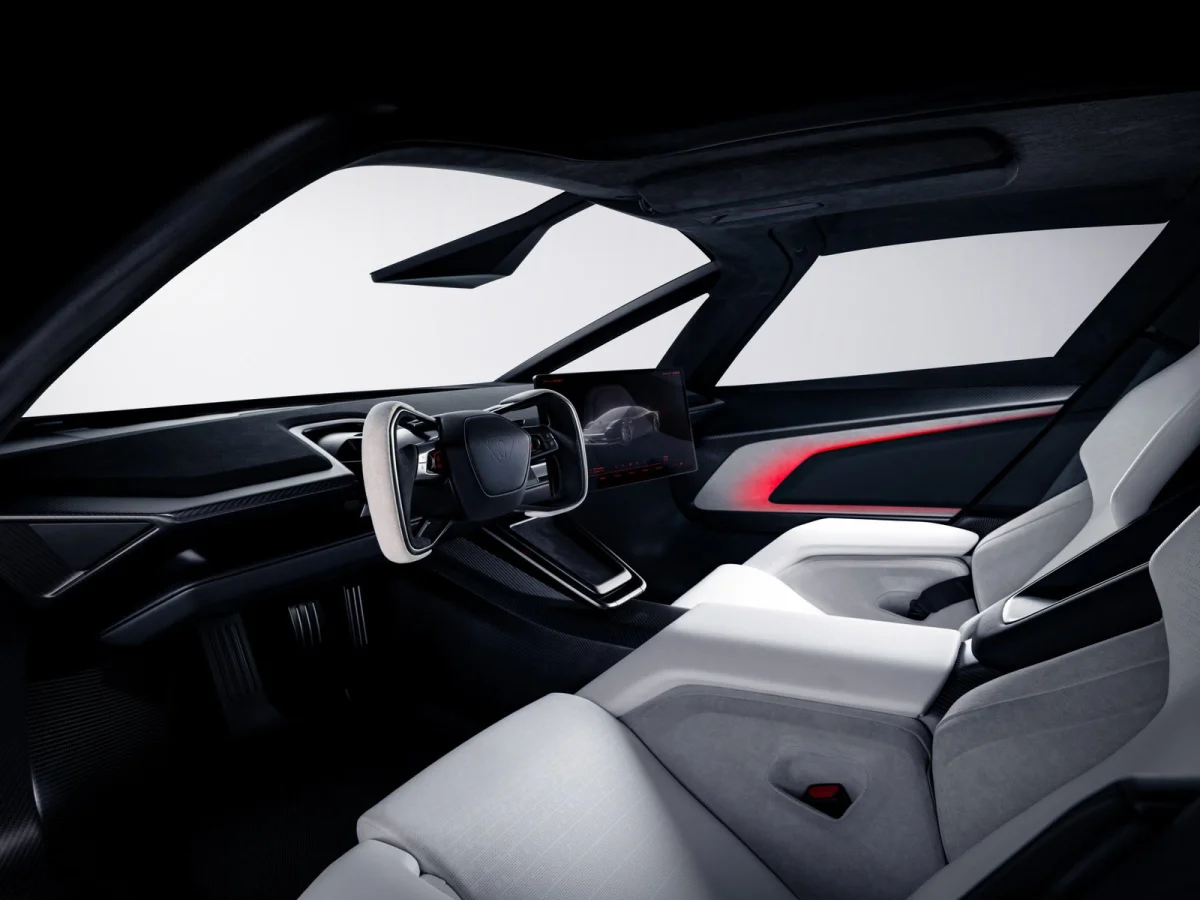
The underpinnings are unusual too. The car has by-wire steering, braking and throttle, a steering yoke rather than a conventional wheel, and a structure built from magnesium, titanium and carbonfibre. It has two rear motors, and reports put combined output above 1,500bhp. Tesla hasn't confirmed those figures in the way a manufacturer would normally publish a full specification, so treat that number as a reported figure rather than a homologated one.
Three trims, three very different buyers
The lineup is where this gets practical. The base Performance model has no thrusters and requires a £50,000 deposit. The Thrust version adds boosters for acceleration, with a claimed 0-60mph time of 0.81 seconds, and asks for a £250,000 deposit. The Rocket is the one that flies. It's invite-only, no price has been announced, and Tesla says it isn't approved for road use.
That ladder shows how Tesla is positioning the car. The first version is essentially a performance halo, the middle one is a statement, and the top one is closer to a showcase. Only the Performance trim looks like something a conventional buyer could plan around, and even that has a deposit structure rather than a published price list.
The road-use question
Even the non-flying Roadster may face limits. Musk has acknowledged the car might not be road-legal in every jurisdiction, and Tesla says the rocket features won't be offered in every market. For UK prospects, the news is blunt: the car will only be sold in left-hand drive. Anyone in that market who's keen should weigh that against the rest of the uncertainty before getting too excited.
That said, the market-by-market question is a reminder of how far these cars sit from typical production models. Thruster-assisted flight changes what "road-ready" means, and each territory will have its own view on what a manufacturer can offer on the road. Expect those conversations to take longer than the marketing does.
What's still unknown
The performance claims have already shifted. Musk first put top speed at 230mph, then said the car should manage at least half the speed of sound, roughly 383mph. Nobody yet knows how long it can stay airborne, and final pricing hasn't been confirmed. Tesla also says nothing has been carried over from the original 2017 Roadster, which means the new car is a clean-sheet project rather than a refresh. Production is pencilled in for 2028, and Musk insists the car is happening "actually, for real."

Here's the thing: the last nine years of Roadster timelines are a reason for caution, not a reason to dismiss the project. What's worth watching is whether Tesla moves from demo footage to published specs, a defined airtime figure and clear delivery criteria for each trim. My read is that a 2028 production date gives the company room to make those decisions, but it also means buyers and enthusiasts should judge the Roadster by documented numbers when they start appearing, not by the ramp.