Volkswagen's 75-Model Cull Is About Duplication, Not Just Decline
- Cargo
- Electric Vehicles
- Shipped
- Shipper
- Richard Martinez
- Readers
- 632
VW plans to halve its line-up by 2030 and cut 75% of model variants. Its brand boss says the 2035 combustion ban makes many overlapping cars redundant.
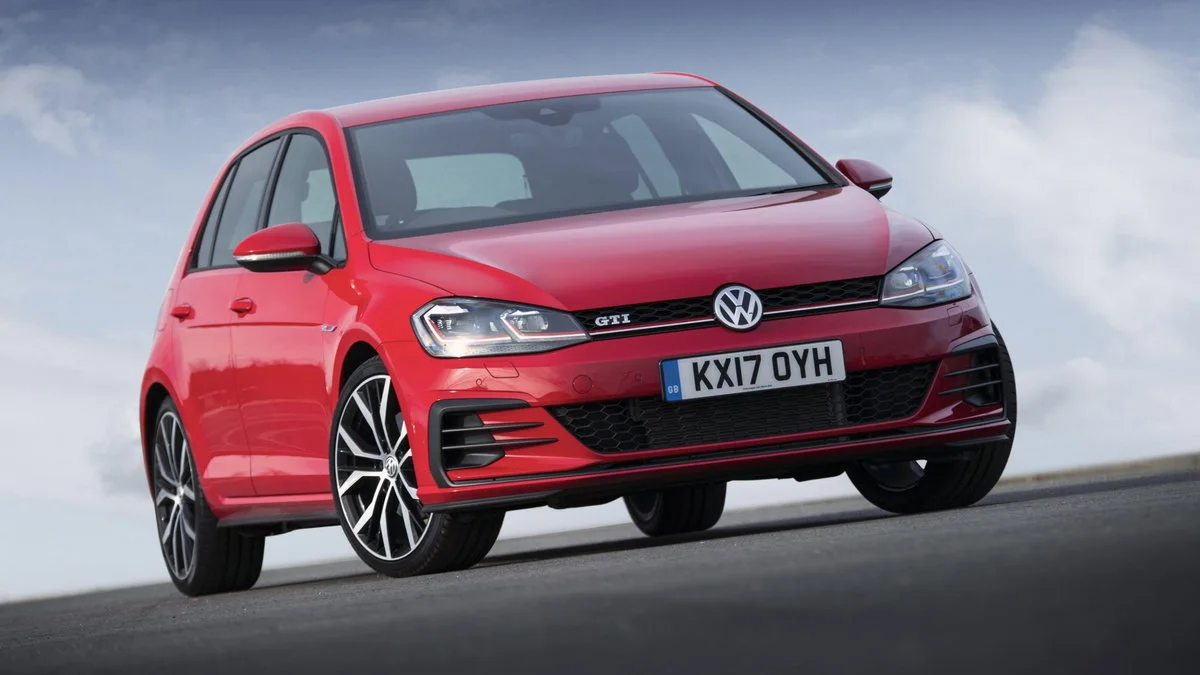
Volkswagen plans to cut 75 models from its range within the next decade, and the reasoning is more practical than it first sounds. Thomas Schäfer, CEO of the VW brand, calls it a "natural transition." Read the plan closely and it looks less like a retreat and more like a clear-out of cars that have been competing with each other for years.
The duplication problem
The strategy sits within "Future Plan 2030," which was signed off in September. The headline numbers are blunt: halve the model line-up, reduce model variation by 75 per cent, and trim 100,000 jobs. The stated aims are lower costs and a sharper focus on North America and China.
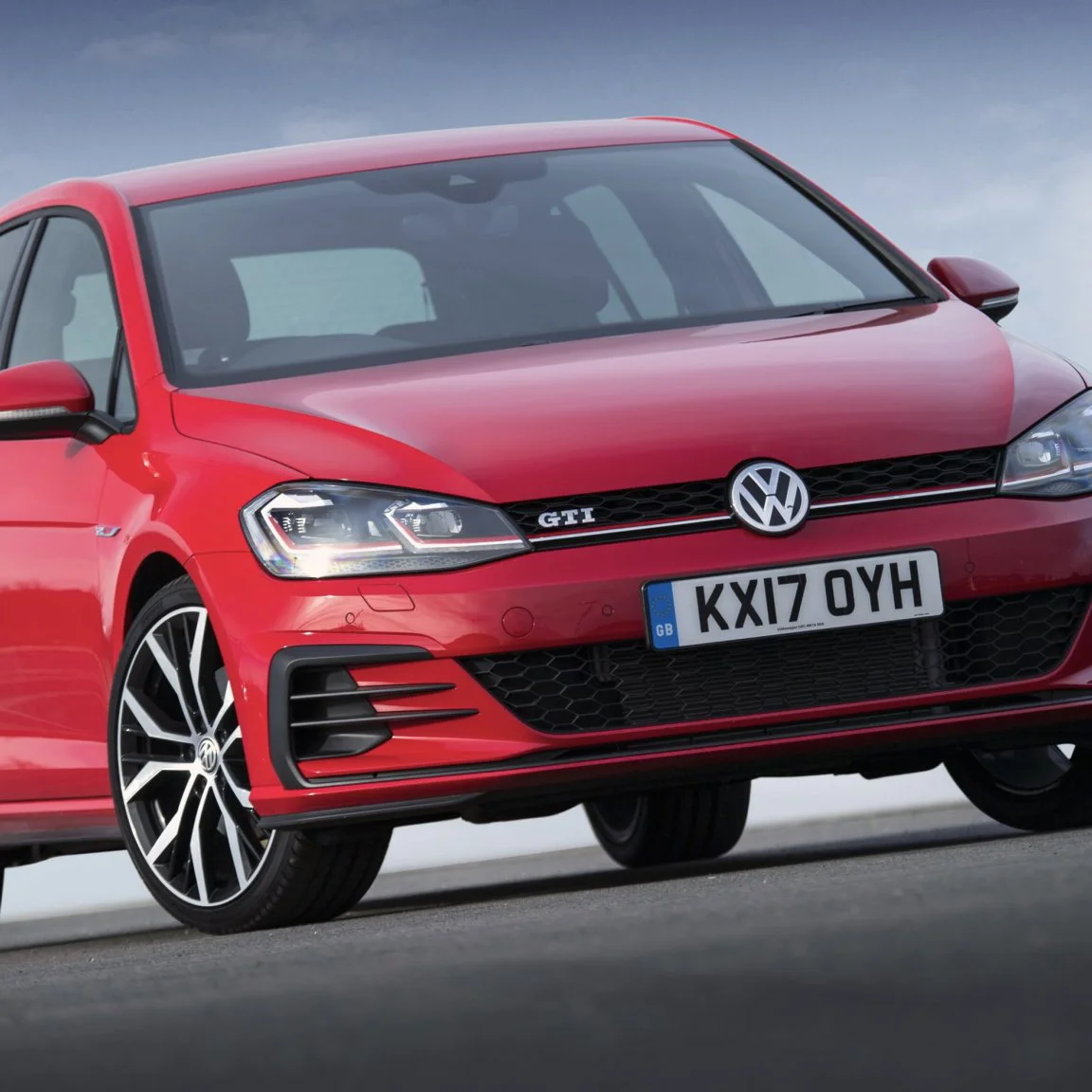
Schäfer's argument at the Paris Motor Show was simple. Combustion engines end in Europe in 2035, so there's little sense in running an ID. Polo alongside a Polo, or an ID. Cross next to a T-Cross. Choose one of each pair and the line-up shrinks by itself. That's the part worth paying attention to. Many of VW's cars grew up in parallel, with petrol, diesel, electric and crossover versions sitting on top of each other in the same segment. Once the combustion option disappears from Europe, that overlap stops making commercial sense.
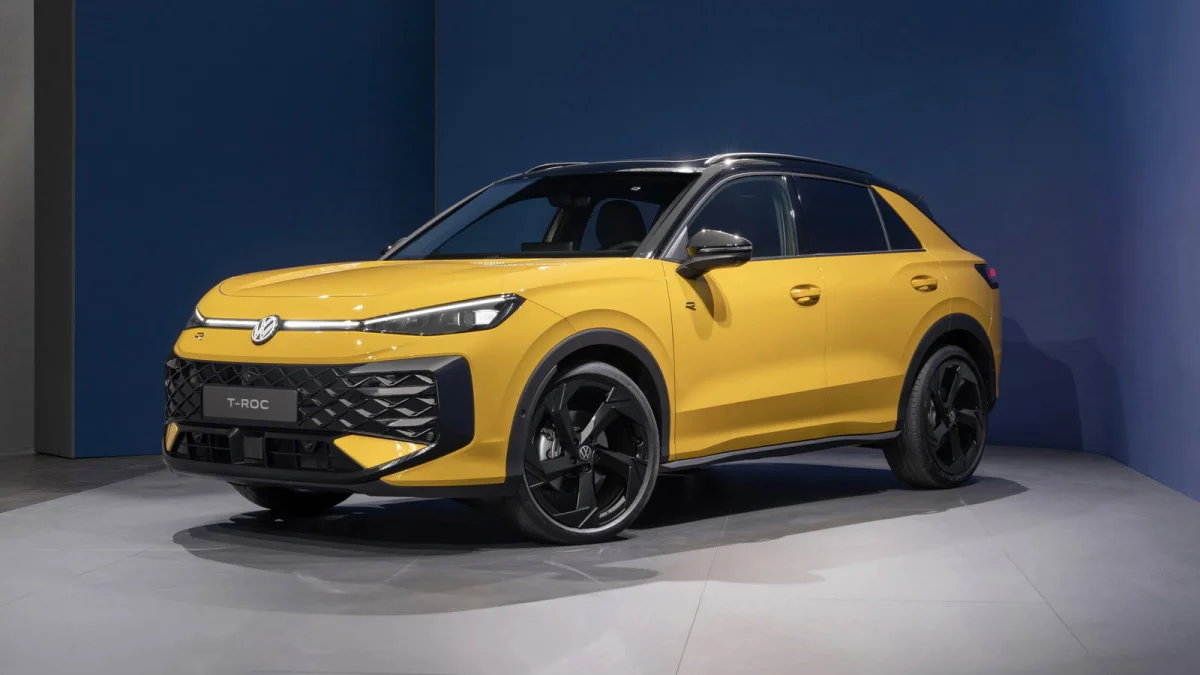
Skoda and Cupra have already been through a similar exercise, which suggests this isn't a one-off decision for one brand. The casualties include the T-Roc Cabriolet. Given how few of them sell, Schäfer doesn't appear to be losing any sleep over it. Niche convertibles with low volumes are usually the first things to go when engineering budgets get tight.
Where the 2035 date gets complicated
The tricky part is the premium end of the group. Audi, Porsche and Lamborghini don't face the same 2035 hard stop for petrol, which means their line-ups can't be pruned on the same timetable. That leaves the group with two different product logics running side by side: a mainstream range being simplified around electrification, and premium brands that need to keep combustion options open for longer. Managing that split without the brands cannibalising each other will be one of the harder jobs in the programme.
Synergy groups and shared platforms
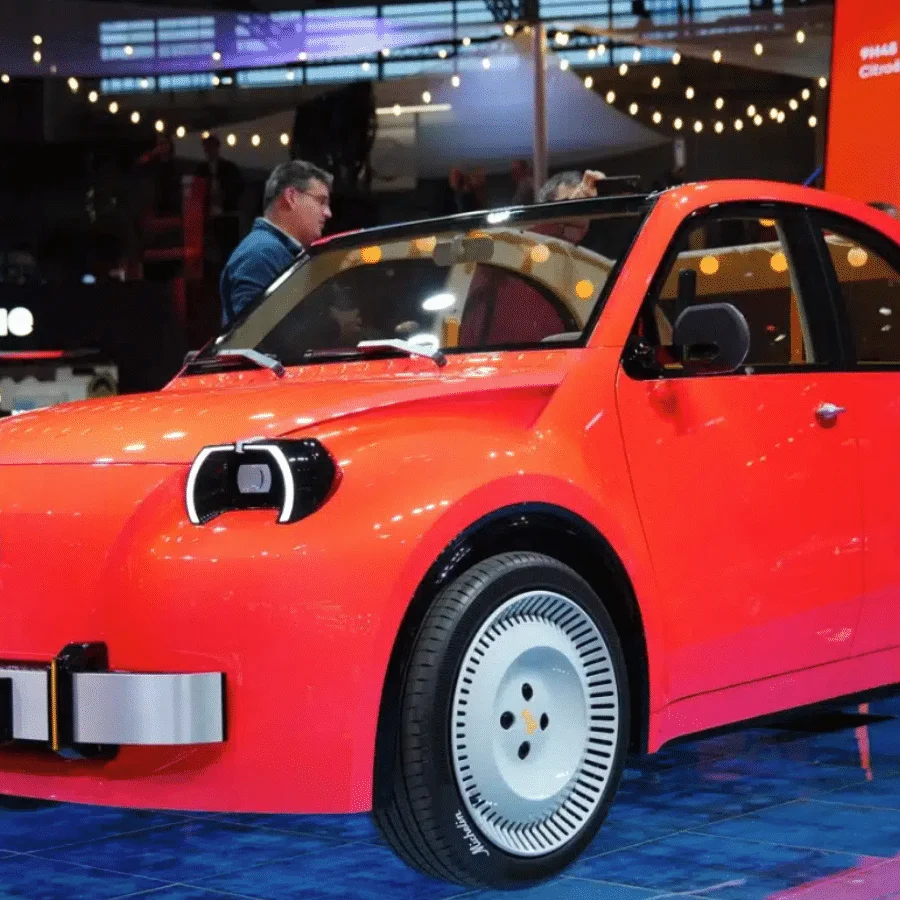
VW's answer is what it calls "synergy groups." When two or three brands want a car of similar size, one brand takes the lead on engineering and the others build variants on top of it. The Electric Urban Car Family is the template. The Cupra Raval, VW ID. Polo, Skoda Epiq and VW ID. Cross share more than 80 per cent of their parts, but each is meant to have its own identity. An electric ID. up! follows next year and will be VW's alone.
From a buyer's perspective, the appeal is obvious: cheaper development and, in theory, sharper pricing on small EVs. The risk is familiar too. Shared hardware only works if the brands can give their cars genuinely different styling, interiors and driving character. Otherwise customers see the same car with a different grille and make their decision on price alone. Watch how far the Raval and Epiq diverge in trim, software and ride tuning when they reach showrooms.
A restructuring with a human cost
VW boss Oliver Blume describes the cull as part of the "biggest transformation programme in our history." He set out the plan at a "For Europe" event on the eve of the Paris Motor Show. It includes tens of thousands of job cuts and possible factory closures, and it has met opposition from unions. Restructurings of this scale typically stretch over several years, with negotiations on each site, so the timing and scope of any closures will matter as much as the headline figures.
The pressure behind it is clear. Blume argues that VW, Stellantis and Renault, which together build more than 60 per cent of Europe's cars, face "enormous pressure" as Chinese brands arrive in record numbers. Chinese EVs have been gaining ground on price and features, and a legacy European maker can't match that with the same cost base and model count it had a decade ago.
Trade and the fight for Europe
Blume is also backing proposed "Made in Europe" rules that would reward local manufacturing. He welcomed a new EU-China deal that could cut Chinese plug-in hybrid imports by more than half. That's a notable endorsement from a manufacturer that has spent years warning about imports, and it shows how much VW now wants a level playing field with BYD and Leapmotor, both of which are building momentum in the market.
VW still sells roughly a quarter of all new cars in Europe, so it isn't a company in retreat. But it clearly doesn't intend to take that position for granted. Here's the thing: a smaller, more focused range may well be the only way to fund the EV development needed to keep that share. My read is that the 75-model cull will be judged less on the models that disappear and more on whether the remaining cars feel distinct, priced sensibly and ready for a market where the 2035 deadline is now a planning assumption rather than a distant target.