Pure Vision Design's '69 Camaro Keeps Its Classic Lines and Modern Running Gear
- Cargo
- Electric Vehicles
- Shipped
- Shipper
- Jim Campisano
- Readers
- 333
Pure Vision Design's '69 Camaro keeps classic styling and a 502 big-block while adding modern chassis, brakes and tires. Worth a closer look.
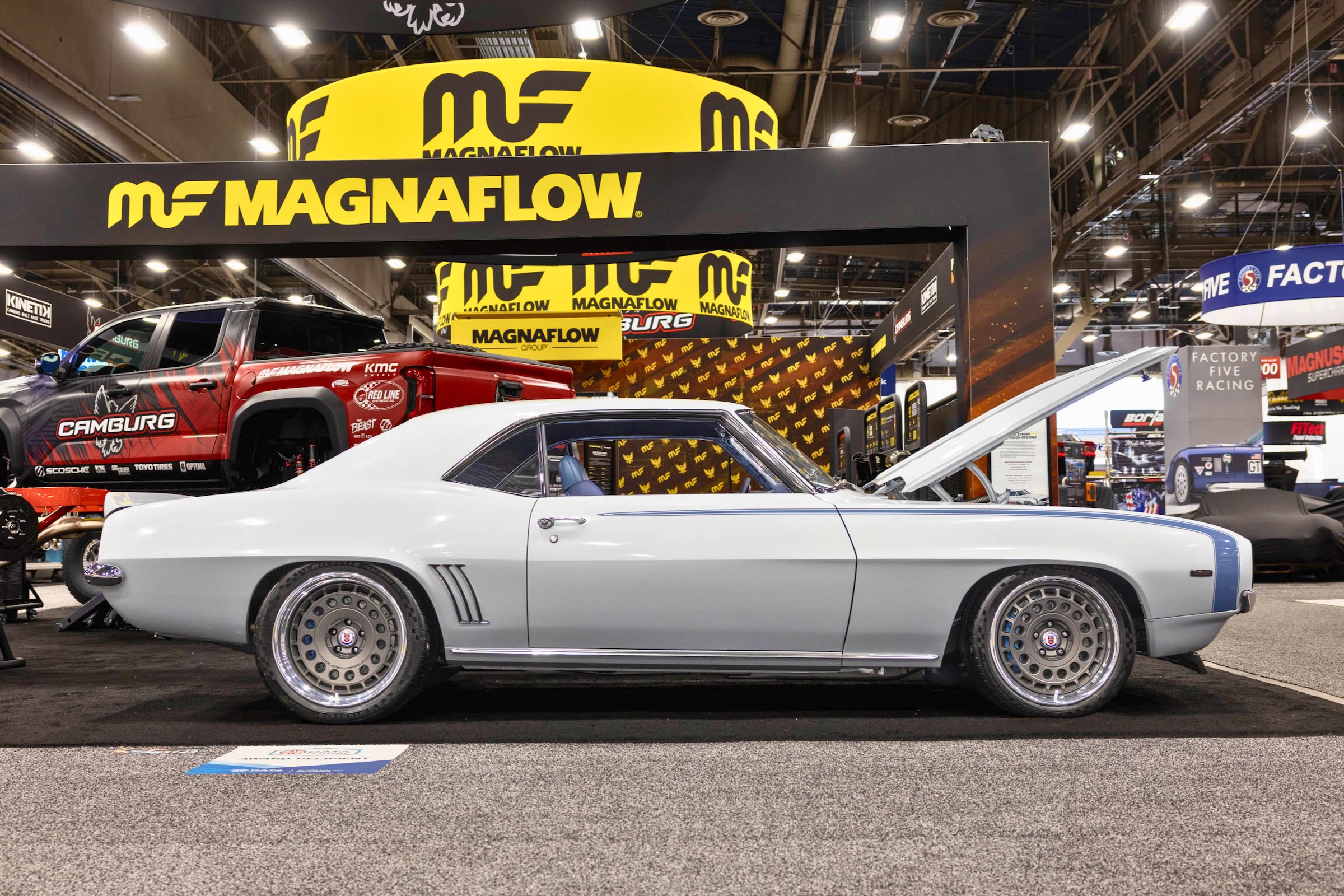
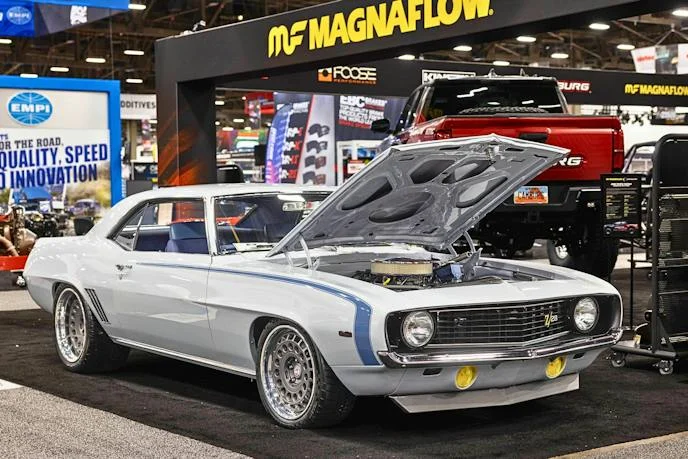
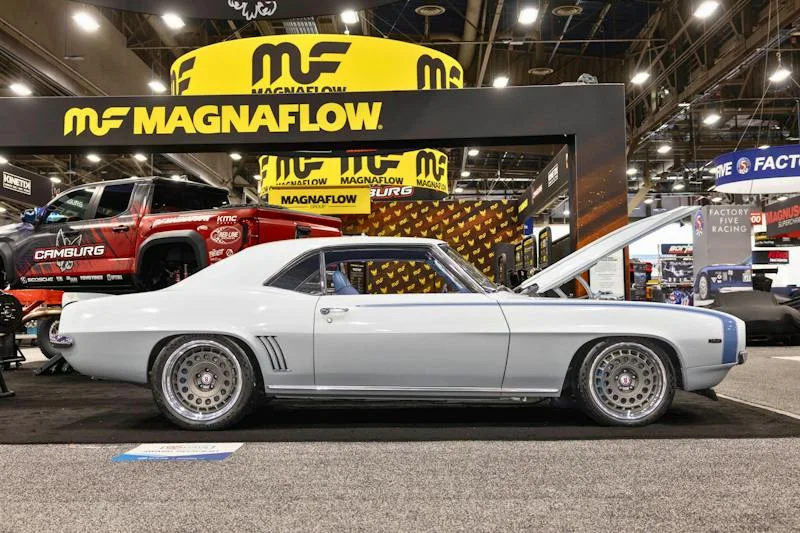
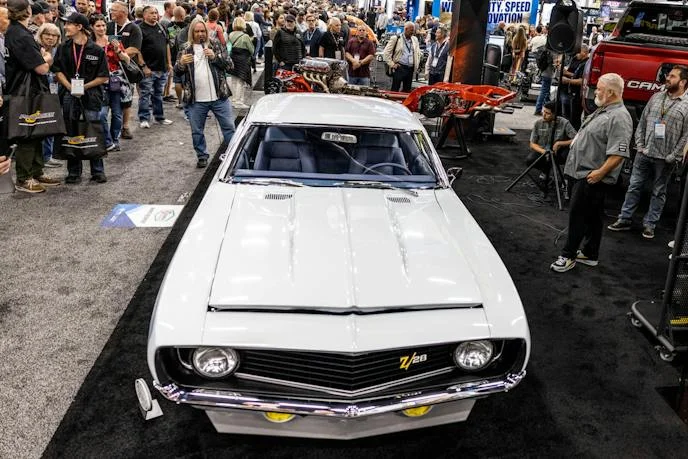
Most Pro Touring '69 Camaros lean so hard on modern parts that the original car gets lost underneath. Pure Vision Design took the opposite approach with this build, and the result looks like a factory car that has been quietly rebuilt from the inside out. The body sits lower on modern underpinnings, yet the profile still reads as a '69 from any angle.
Why the Styling Works
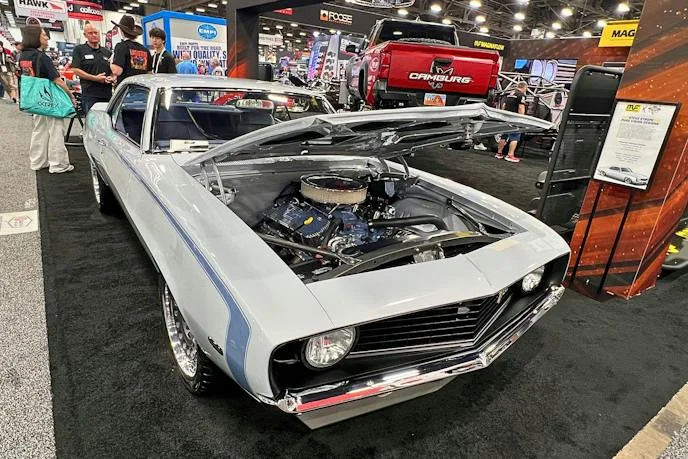
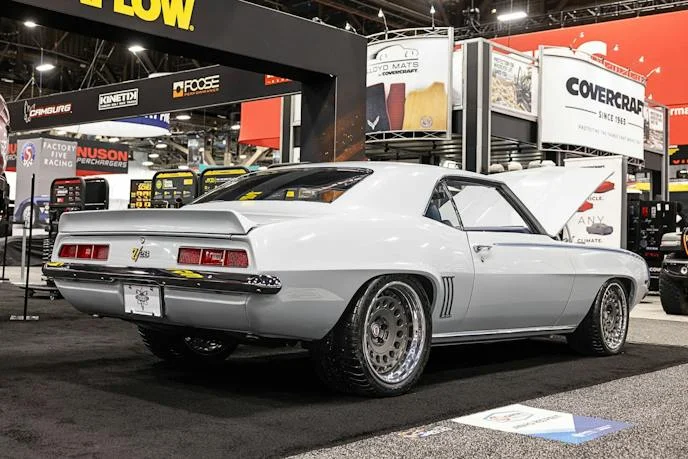
The exterior details do most of the heavy lifting. The cowl hood, the hockey stick stripe and a full-width Z/28 spoiler all carry the car's identity. The Z/28 badges aren't technically correct for this particular model, but they've never gone out of style, and the team clearly knew that when they chose them.
Steve Strope, who leads the build team at Pure Vision Design, framed the project as a response to a common assumption in the hobby. "I was challenged by the belief that there's nothing new that could be done with the build of a '69 Camaro," he said. He acknowledged why people feel that way, given how many heavily modified Pro Touring cars have flooded the scene. His team's answer was to go back to basics. "Not push, just nudge it."
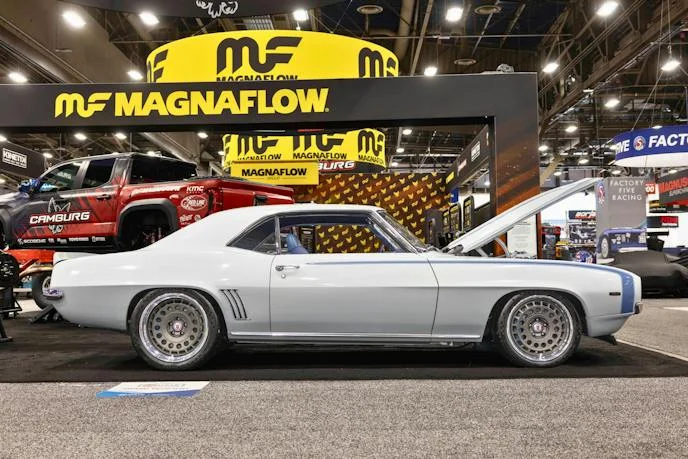
That restraint is the real story here. Plenty of builds chase attention with wild stances and loud graphics. This one keeps the visual language of the original and relies on proportion and detail to hold the eye.
A Carbureted Big-Block With an Old-School Gearbox
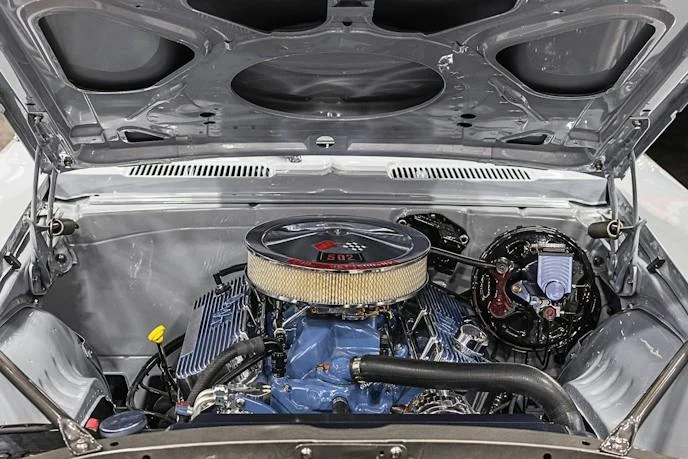
Under the hood, there's no modern LS or LT. Pure Vision went with a genuine GM Rat motor, a 502 big-block rated at 500 horsepower and fed by a carburetor. The M/T valve covers are a deliberate nod to the street machining that shaped this engine family, and they're one of the first details that tell you this isn't a typical swap.
The transmission is a Turbo 400 rather than a multi-speed automatic. That's a conscious choice. To keep highway revs manageable, the car pairs the three-speed with a Gear Vendors overdrive unit. For anyone who has driven a big-block cruiser with a tall gear and no overdrive, the appeal is obvious: lower engine speed, less fatigue and a more relaxed drive on long stretches of road.
The exhaust was engineered and fabricated by the Magnaflow research and development team. It runs four Universal Performance mufflers on a 2.5-inch stainless steel Custom Builder kit, with custom mid-length headers feeding it. A U.S. Air radiator handles cooling duties for the big-block, which matters when a carbureted engine is making this much power in a car that is meant to be driven.
Chassis, Brakes and Rubber
The suspension comes from Detroit Speed and uses JRI shocks. Baer brakes handle the stopping. That combination is typical of a well-sorted Pro Touring setup: the parts are proven, the components are matched to each other, and the car's behavior is predictable under hard use.
Wheels and tires show the modern side of the build most clearly. Fat HRE wheels carry Michelin Pilot Sport Cup 2 tires, and the rears measure an aggressive 345/30ZR19. Tire width at the back is what sells the stance in photos, but it also raises the stakes for wheel fitment, offset and suspension geometry, which is where a build like this lives or dies.


Inside the Cabin
The interior follows the same logic as the exterior. The factory console, steering wheel, gauges and horseshoe shifter are all still there, but the team updated them. The console carries early factory-style gauges that have been refreshed, and the steering wheel has a thicker wrap for better grip and better feel through the rim.
The Graphite Blue seats are the standout. They look close to what a factory might have fitted, but the upholstery is soft leather sourced from the same supplier that works with Ferrari. Gauges come from Dakota Digital, sound control comes from Dynamat and Kicker, and Vintage Air handles climate control, so the cabin is far more livable than its vintage look suggests.


The paint is Ice Grey Metallic, and the car ditches the expected Chevy Orange for Graphite Blue stripes that match the interior. That color decision ties the exterior and cabin together and keeps the palette restrained.
Where This Build Points
Rich Waitas, spokesman for MagnaFlow Group, summed up the philosophy. "As with all Pure Vision builds, there are plenty of Easter eggs to find, if you know where to look," he said. "But at the same time, you'll be shocked by the simplicity of things that traditional hot rodders revere. The car is a combination of old school and new tech, woven together in an organic design that keeps you coming back to discover the next detail you didn't see before."
For buyers and builders, the takeaway is practical. A carbureted big-block, a three-speed automatic with overdrive and a period-correct interior can coexist with modern brakes, suspension and tires in a car that is pleasant to drive every day. My read is that more builders will follow this restrained path as the Pro Touring market matures and people tire of the overdone look. The next question is whether those builds keep the same balance between the original car and the modern parts underneath.