F1 Returns to Africa for the First Time in 33 Years with Rwanda Deal
- Cargo
- Electric Vehicles
- Shipped
- Shipper
- Christopher Rodriguez
- Readers
- 498
F1 has signed a 10-year deal for a Rwanda Grand Prix on a purpose-built Bugesera circuit, with the first race earmarked for the early 2030s.
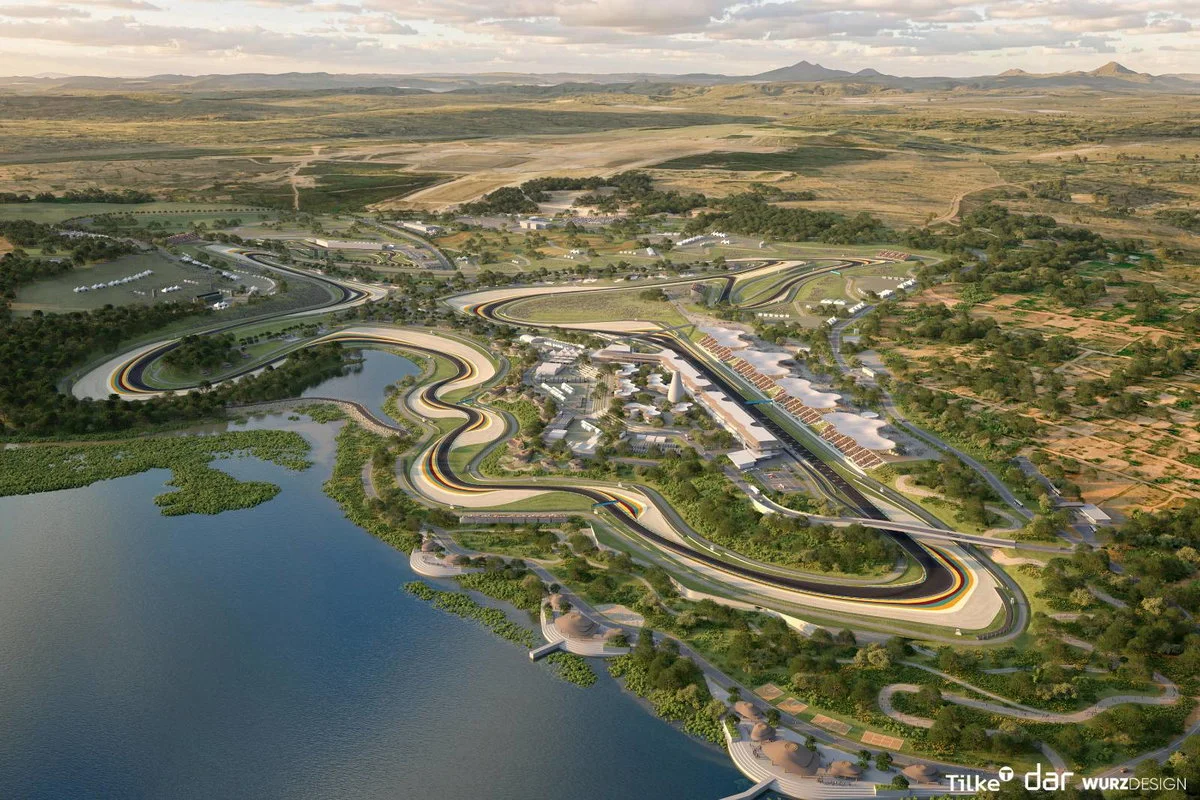
Formula 1 is going back to Africa, and the first stop is Rwanda. The sport has signed a 10-year agreement to host a Grand Prix in the country, ending a 33-year gap since South Africa's round in 1993. For a championship that now claims races on every inhabited continent, the omission of Africa has been the obvious hole in the map for a long time.

What's actually been agreed
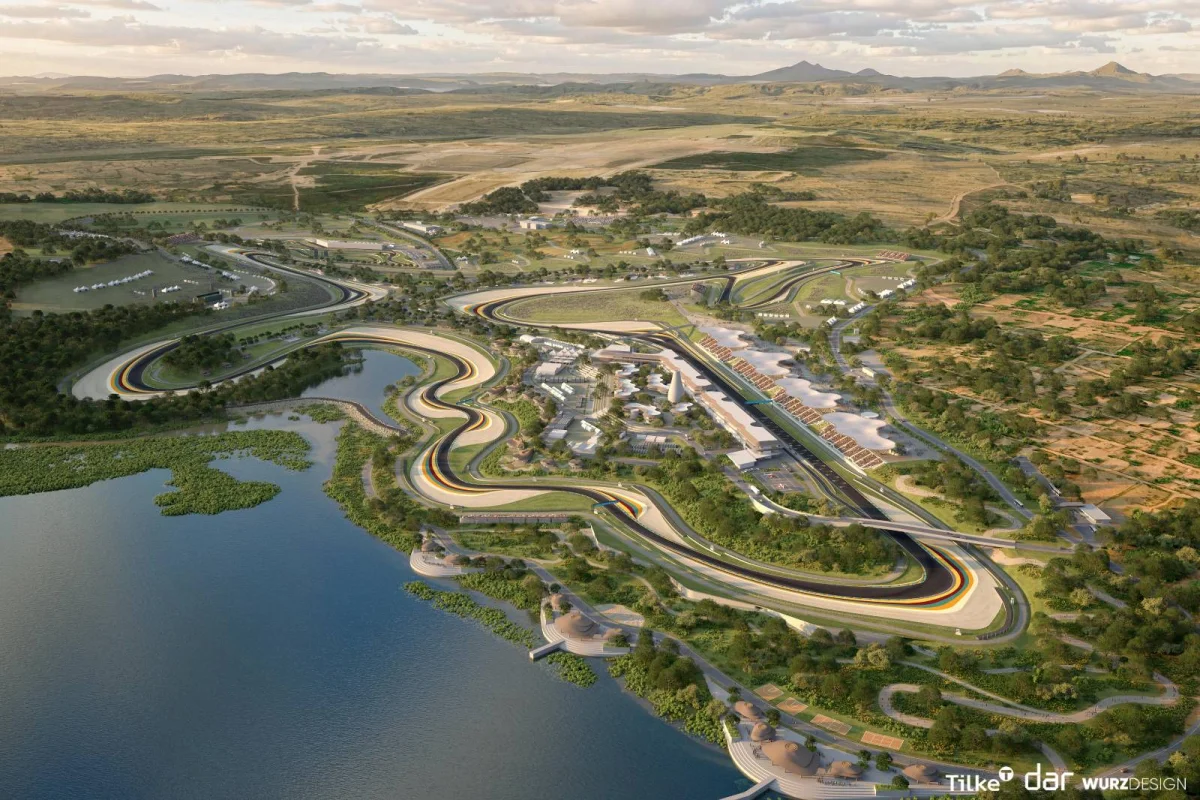
The headline commitment is the length of the deal: ten years. The race will be held on a purpose-built circuit in Bugesera, roughly 40 kilometres from the capital, Kigali. That detail matters. A dedicated venue means the track isn't being squeezed into existing city infrastructure, and it gives F1 a fixed home to build around rather than a temporary street layout.
There's no date yet. The first race has been earmarked for the early 2030s, which tells you how far off this is. Greenfield circuits take a long time to move from signed agreement to finished asphalt, and that's before you add the logistics of freight, hospitality, broadcast facilities and the hotel capacity a Grand Prix weekend demands. Expect the timeline to stay fluid until construction is well underway.
Why the sport is framing it this way
F1 boss Stefano Domenicali called the deal a "landmark moment for Formula One", and he was clear that the sport wanted to return to Africa for some time. His caveat was the interesting part: the return had to happen with the right partner and a proper long-term plan. That's a direct response to a pattern that has frustrated fans and promoters alike, where expansion announcements arrive quickly and the events that follow are harder to sustain.
Rwanda's president, Paul Kagame, put the market case in bold terms, claiming more than 100 million F1 fans in Africa. Treat that figure as the host's own claim rather than an independent measure. What it does signal is how seriously Kigali is treating the project as a national showcase, with the race tied into wider ambitions around tourism and international profile.
Hamilton's push and the Kyalami question
Lewis Hamilton has been the most visible voice for an African round, and his comments at the Dutch Grand Prix earlier in the year set the tone. He argued that the sport keeps adding venues elsewhere while ignoring a continent that, in his words, "the rest of the world takes from." He also pointed to the scale and beauty of the continent, which he said many people who haven't visited don't fully appreciate.
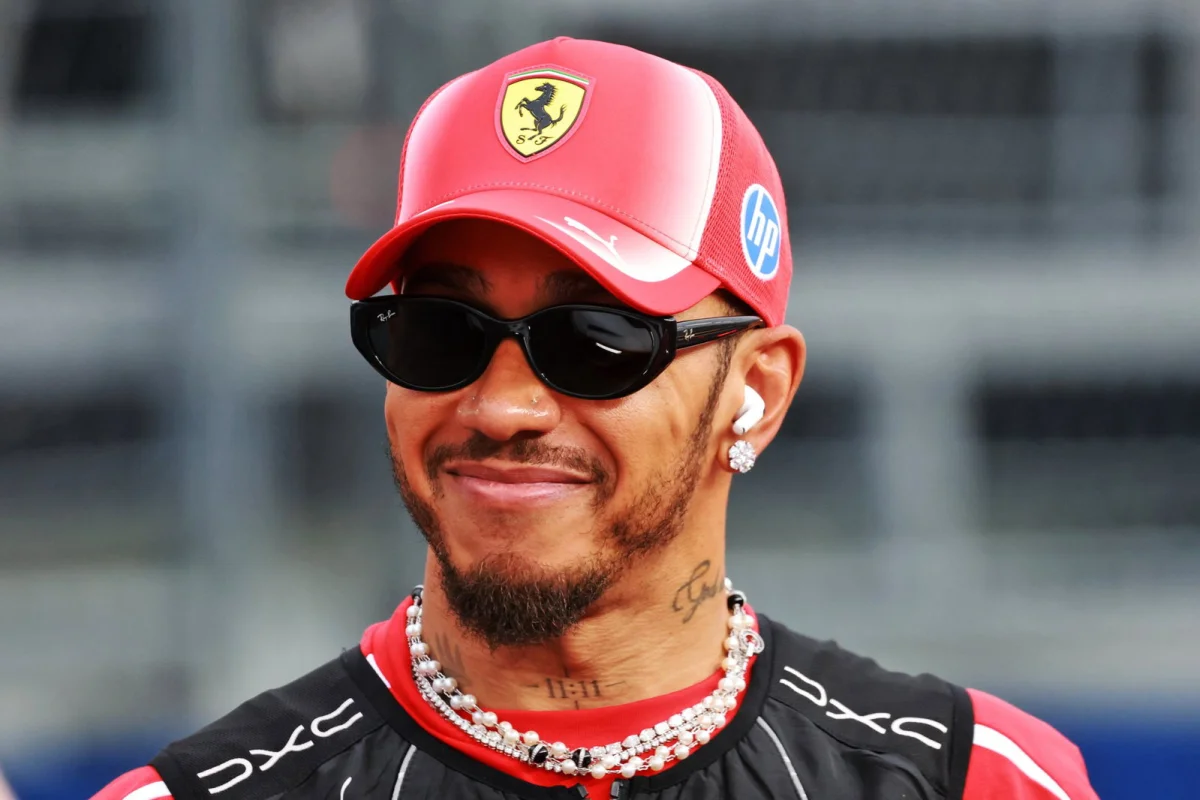
Hamilton tied the argument to tourism and to the simple question of why F1 wasn't already on the continent. He said he had been working in the background, speaking with people in Rwanda and South Africa, and described the Rwandan project as a long process that the country was nonetheless eager to pursue. He called Rwanda one of his favourite places he's visited.
Earlier speculation centred on South Africa's Kyalami circuit as a possible return venue, and Rwanda had also been hinted at as a candidate. The outcome lands on Rwanda, which means Kyalami's future on the calendar is now a separate question. For Hamilton, who has spent years making this case, the announcement is a clear win, even if the racing itself is still years away.
What to watch next
The practical questions are the ones that will decide whether this sticks. The first is construction: the purpose-built circuit has to be completed to F1 standards before any race can happen, and the schedule will hinge on progress there. The second is the calendar. A new venue usually needs a slot, and F1's existing races have their own contracts and renewal cycles, so Rwanda's arrival will reshape the schedule rather than simply add to it.
The third is the fan side. Kagame's audience figure is a headline, but the sport's real test will be whether a race in Bugesera builds a local following that lasts past the opening weekend. Venues that succeed usually pair the spectacle with a clear reason for people to come back, from transport links to ticketing that reaches beyond the wealthiest audiences.

My read is that this is a credible, long-horizon project with the right stated intentions, and the early 2030s target is realistic rather than optimistic. The more useful thing to track is whether the timeline, circuit design and calendar placement become firm over the next few years. Until then, Rwanda is a signed deal with a name, a location and a decade-long commitment, and that's a good start for a sport that has spent a long time talking about Africa.