Pennsylvania Leads America's Car Show Scene, but Classics Pull the Biggest Crowds
- Cargo
- Electric Vehicles
- Shipped
- Shipper
- Evander Espolong
- Readers
- 560
Pennsylvania tops the club-based rankings, antique searches beat muscle car searches in 40 states, and Rhode Island leads muscle interest. Here's the regional breakdown.
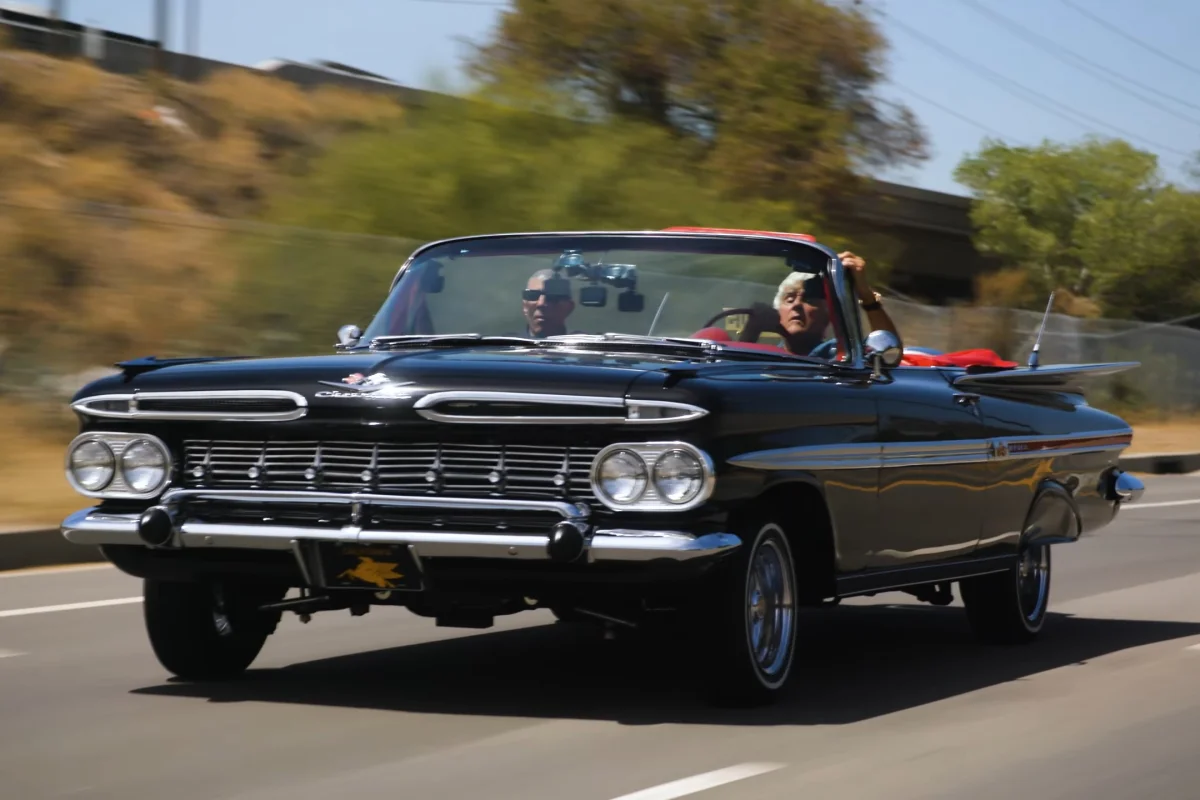
Ask a car show regular where the best events are and you'll hear a lot of loyal answers. The numbers tell a more specific story. Pairing club membership with search interest shows which regions have the deepest enthusiast scenes, and the picture splits cleanly between classic restoration fans and people chasing horsepower.
Pennsylvania's club network does the heavy lifting
Pennsylvania ranks first nationally for car show culture, with Florida and North Carolina close behind. Much of that lead comes from organized clubs. The Antique Automobile Club of America (AACA) has 32 chapters in Pennsylvania, more than any other state. Florida and North Carolina tie for second with 21 chapters each.
That chapter density matters more than it might seem. A club with a regular meeting schedule tends to produce a steady stream of cruise nights, swap meets, and judged shows, and those events give owners reasons to keep cars on the road and in good shape. A state with many active chapters usually has a calendar full of weekend options, which is exactly what a new owner or a first-time show attendee wants.
Classics dominate the search data
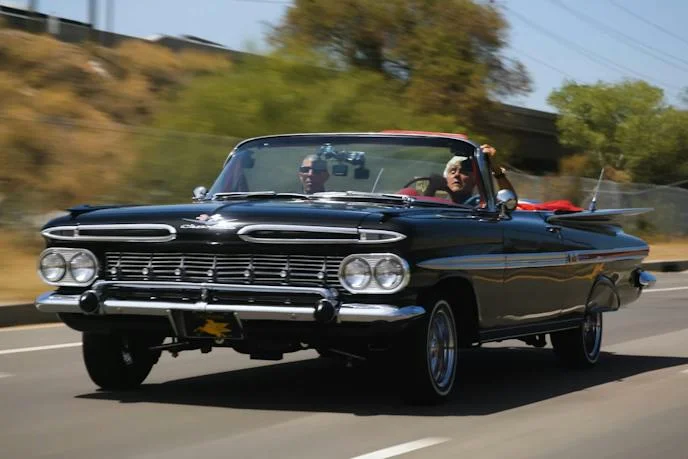
Here's the thing: the search data flips the expectation that muscle cars rule the show field. Antique car show searches outpace muscle car show searches in 40 states. Muscle cars lead in only 10. That's a lopsided result, and it suggests the broader public is still most drawn to pre-war and early postwar iron, chrome bumpers, whitewall tires, and cars restored to factory specification.
My read is that this reflects who's searching, not just what's exciting. Plenty of casual fans look up local events to find something to see on a Saturday afternoon, and a classic display is the easiest thing to recognize and enjoy without knowing much about engines. Late-model muscle draws louder crowds at certain events, but the search trend suggests classic shows have the wider appeal across most of the country.
Muscle country is more scattered than you'd think
Muscle car interest is where the regional story gets interesting. Rhode Island has the highest muscle car show search interest in the country, followed by North Dakota and Michigan. Michigan's result is easy to explain. The state's automotive manufacturing history runs deep, and Detroit's influence on American performance cars shapes the local culture in ways that carry into weekend meets and dealer-adjacent events.
Rhode Island is the bigger surprise. It's a small state, and a small footprint doesn't usually produce a national-leading figure. Its result shows that a compact area with a concentrated group of enthusiasts can generate outsized interest. For anyone shopping for a muscle car or planning to show one, that's a useful reminder that the best scene for your interests may not be in the biggest state.
Vermont and the case for grassroots scenes
Vermont shows what formal structure doesn't always capture. The state leads the country in antique car show interest and ranks seventh overall, yet it has zero AACA chapters. That means its enthusiast activity is running on something other than national club registries.
Scenes like this typically grow around independent builders, local cruise-ins, and small groups that meet informally and spread word through social media and local shops. They can be harder to find if you're relying on club directories, but they often have a more relaxed, community-driven feel. If you're new to the hobby, it's worth asking at local garages and parts counters rather than only checking national listings.
What this means if you're shopping or planning to show
For a prospective buyer, the regional data points to a practical question: where do you want to spend your weekends? A state with a large chapter network makes it easier to find judged shows, technical advice, and owners who know specific model years. A state with strong search interest in a particular style may offer more events built around that style, and more people who can help you source the parts that matter for a particular project.
Running costs and availability depend on the car, not the state, so this data won't tell you what a restoration or ownership will cost. What it does tell you is where the community infrastructure is strongest. That infrastructure is often the difference between a car you enjoy and one that sits in the garage because there's nobody nearby to talk shop with.
The bigger takeaway is that America's car show culture is not one scene. Pennsylvania's club depth, the national tilt toward classics, Rhode Island's muscle enthusiasm, and Vermont's grassroots energy each point to a different way of building a community. Watch for which states keep their event calendars full over the next few seasons, because that's where the scene is most likely to keep growing.