Ringbrothers' Billie Puts 650 HP Under a Widened 1965 GTO Convertible
- Cargo
- Electric Vehicles
- Shipped
- Shipper
- Jim Campisano
- Readers
- 338
Ringbrothers' Billie is a 1965 GTO convertible widened five inches, with carbon-fiber bodywork and a supercharged 6.2-liter LT4 making 650 hp.
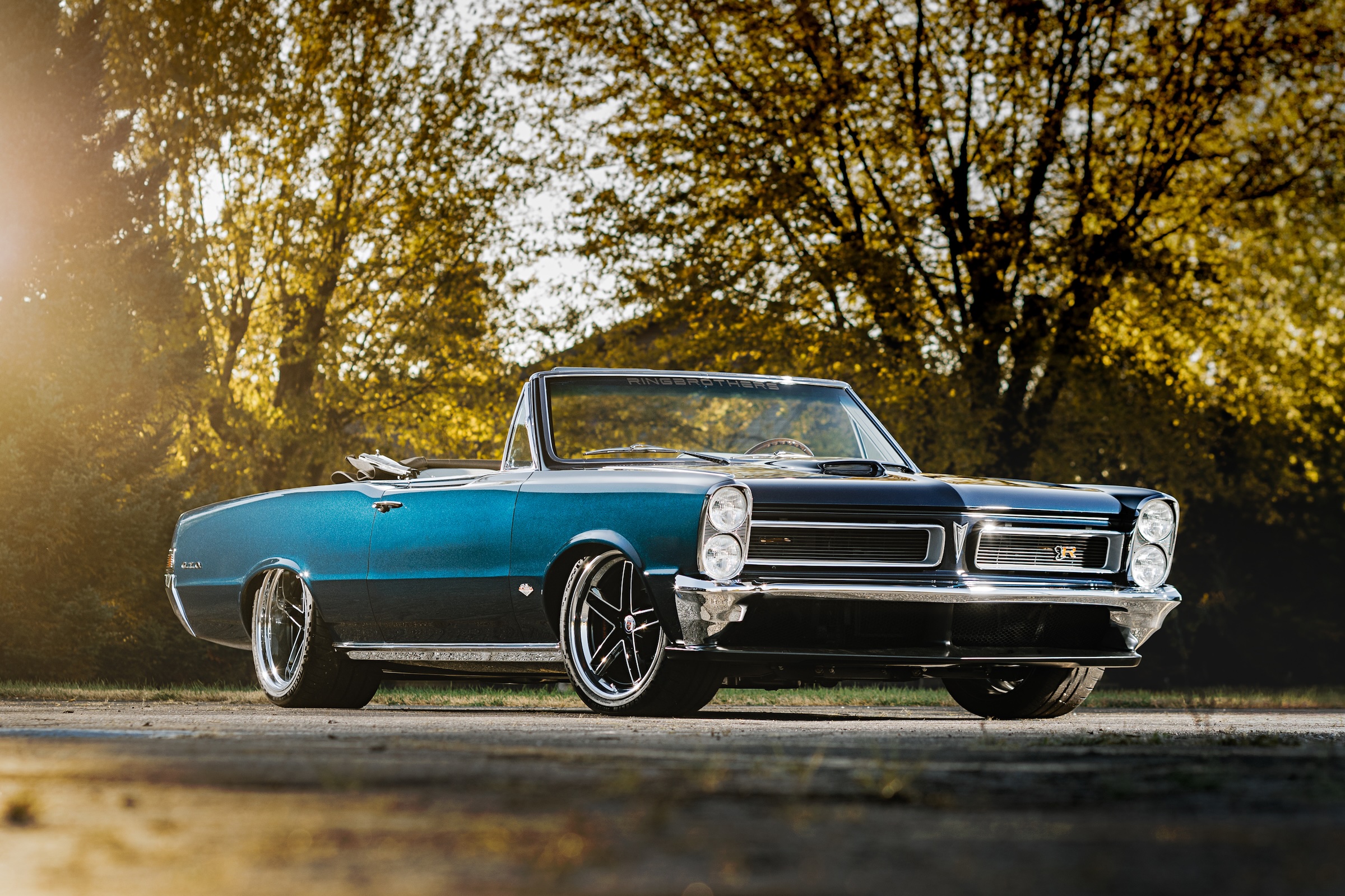
Ringbrothers has built a reputation on restomods that look like they rolled out of the factory decades ago, then reveal a lot more once you start poking around. Billie fits that pattern. It's a 1965 Pontiac GTO convertible tribute that the shop says took more than 5,500 hours to finish, and the work is concentrated in places most owners would never think to touch.
Widening the A-Body Without Losing Its Shape
The hard part of a build like this isn't adding width. It's making the extra width look like it was always there. Ringbrothers widened the body five inches, and the car still reads as a '65 GTO from a few steps back. That's the trick: the company reshaped the front fenders, widened the rear quarters and lengthened the rocker panels so each change flows into the next line instead of sitting on top of it.
Billie started life as a Pontiac Tempest convertible, a reminder of how closely the GTO shares its underpinnings with its A-body siblings. That shared platform is part of why a project like this is possible at all, though turning a stock shell into something this wide still means a lot of metal work. The doors are carbon fiber, and the color is a custom BASF Glasurit finish called "Billie Goat Blue," paired with polished chrome and black accents.
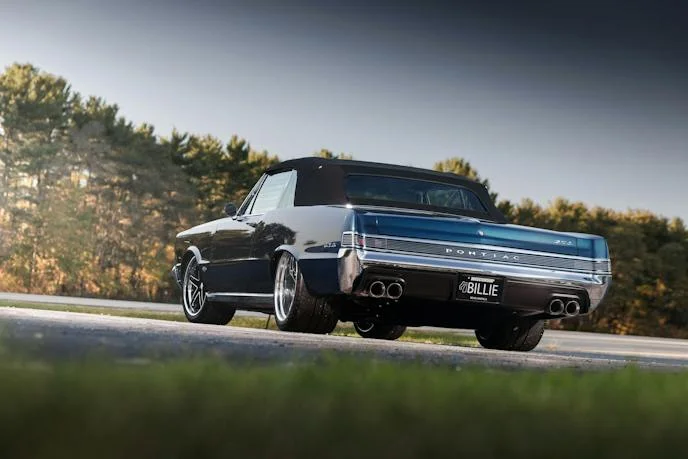
The naming has a story behind it. Ringbrothers co-owner Mike Ring explained that the car is a tribute to a GTO once owned by the client's mother, who received the original car as a gift. The owner first suggested "GOAT," and the shop came back with "BILLIE," a play on billy goat. That's a personal project first, and the goofy name is part of the charm.


Carbon Fiber Where It Counts
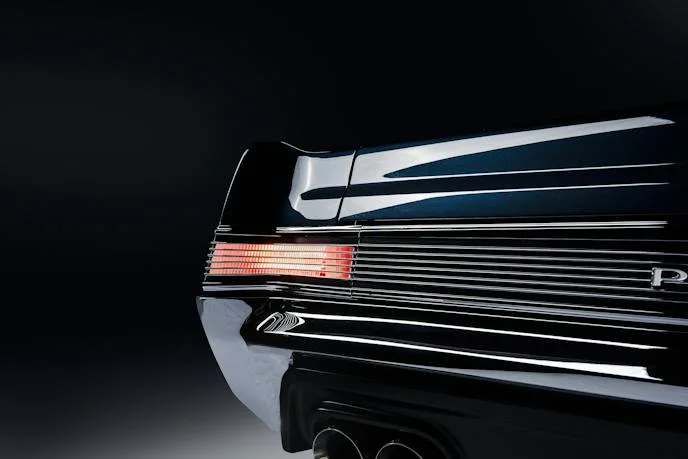
The exterior add-ons go well past the doors. A bespoke carbon-fiber hood carries an enlarged scoop with billet-aluminum inserts and functional vents. The front wheel tubs, lower front valance and a rear diffuser with integrated exhaust ducts are also carbon fiber. Custom bumpers, reworked headlight surrounds and a one-piece machined billet taillight panel finish the look.
Underneath, the fabrication runs through the floor, trunk, firewall and transmission tunnel. That's the part that matters if you're thinking about what a build like this actually means for the car. Reworking the structure to take a wider body and modern running gear is what turns a show car into something that can be driven hard, and it's also what makes the next owner's job of maintaining it more specialized.


Jim Ring described the design challenge plainly. "The challenge was widening the body five inches without losing the proportions that make a '65 GTO so recognizable," he said. "We spent countless hours massaging the factory lines, reshaping the fenders and refining how every panel transitions into the next." That kind of blending is slow, expensive work, and it's the reason builds at this level take thousands of hours rather than weeks.
The Driveline and Chassis
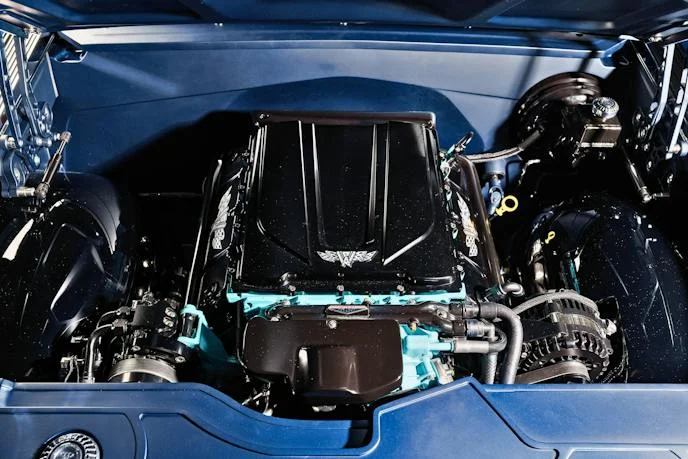
Power comes from a Wegner Motorsports supercharged 6.2-liter LT4 V8, rated at 650 horsepower and 650 lb-ft of torque. It's a GM small-block-derived engine with a long track record in modern performance cars, and that's why it's a popular choice for builders who want serious output without a custom engine program. The V8 feeds a Bowler Performance 10-speed automatic, which is a sensible pick for a car that's going to spend real time on the road rather than just on a dyno.
The exhaust is a custom Ringbrothers system that uses Flowmaster components. Handling comes from a Roadster Shop Fast Track Stage III chassis, Fox coilovers and six-piston Brembo brakes. Michelin Pilot Sport Cup 2 tires wrap staggered 19- and 20-inch HRE G-Code wheels. Staggered sizing gives the rear more grip for the power, and it also helps the wide body look planted rather than perched.


Cabin: Old Bones, Modern Controls
Inside, the gray-and-blue leather is bespoke, and the dashboard has been moved four inches forward and two inches lower. That changes the seating position and the sightlines, which matters more than the trim in a car you'll actually drive. The rest of the cabin mixes custom-machined aluminum trim with Dakota Digital instrumentation, Vintage Air climate control and a Gentex auto-dimming rearview mirror. Those are the kinds of modern pieces that make a restomod livable day to day.


The best detail may be the one you'd miss at first glance. A restored factory radio hides Bluetooth connectivity, so the car looks period-correct while still handling a phone. The shifter is an olive wood piece inspired by an espresso portafilter, which is a very Ringbrothers way of adding a handcrafted touch nobody expects. "Billie 6.2 Liter" fender emblems and "Raised by Ringbrothers" dash badging round out the tribute.
What to Watch Next
The coverage doesn't mention pricing or availability, so it's unclear whether Billie is a one-off for a private client or a template the shop plans to repeat. What's clear is that Ringbrothers is treating the GTO as a platform for heavy modification rather than a restoration subject. The combination of a wider, carbon-clad body, a 650-hp supercharged V8 and modern chassis hardware puts it in a different category from a standard resto-mod, and the price and build time reflect that.
Jim Ring tied the result back to the team and to the suppliers involved. "More than 5,500 hours went into bringing Billie to life, and the result speaks to the design and extraordinary craftsmanship of our team," he said. "We're also grateful to our trusted partners, including Gentex, HRE Wheels and BASF, whose support and expertise helped make this remarkable build possible." For buyers and enthusiasts, the lesson is that a project this deep is as much about the fabrication hidden under the skin as the paint and wheels on top.