Studs Versus Bolts: Where Each Fastener Earns Its Place
- Cargo
- Electric Vehicles
- Shipped
- Shipper
- Bill Holland
- Readers
- 328
ARP's engineers say the stud-or-bolt choice comes down to access and preload behavior. Here's how the two differ across head, main and accessory fastening.
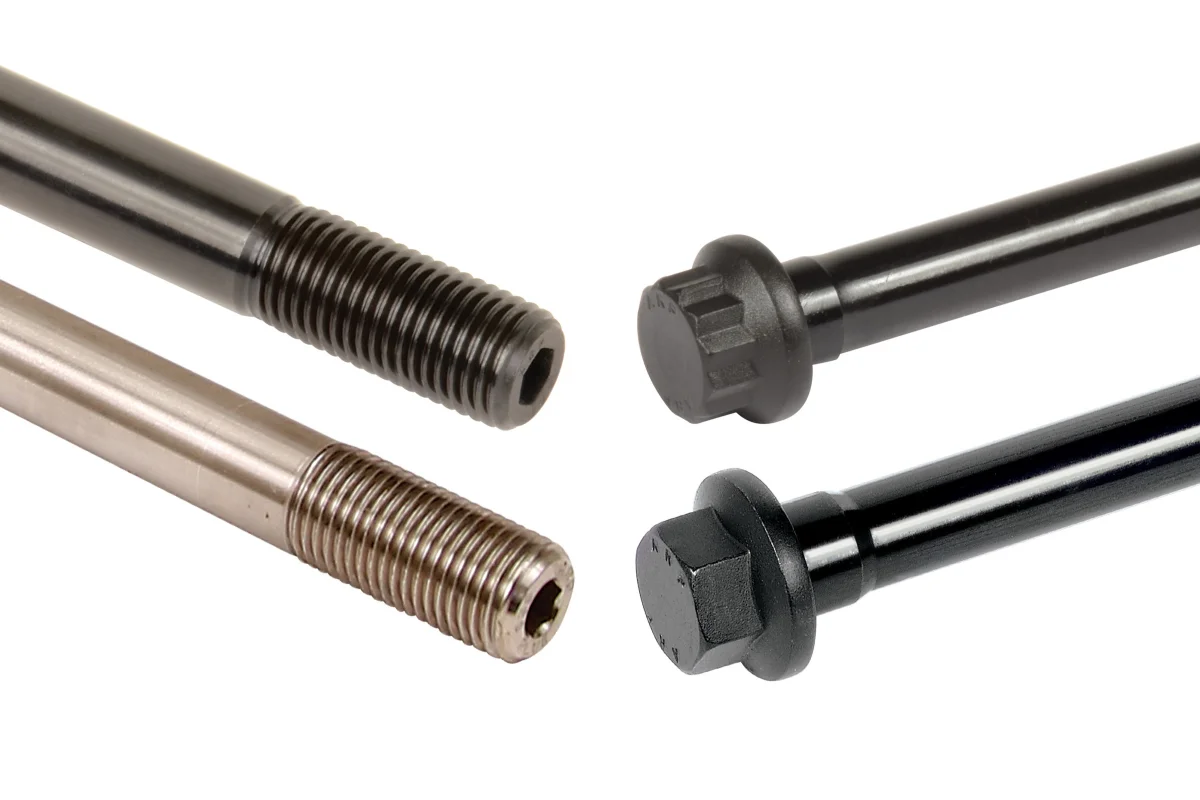
Ask an engine builder whether studs or bolts are better and you'll usually get the same answer: it depends on the application. That's not a dodge. Access is often the deciding factor, and once you see how each fastener loads up, the choice gets a lot clearer.
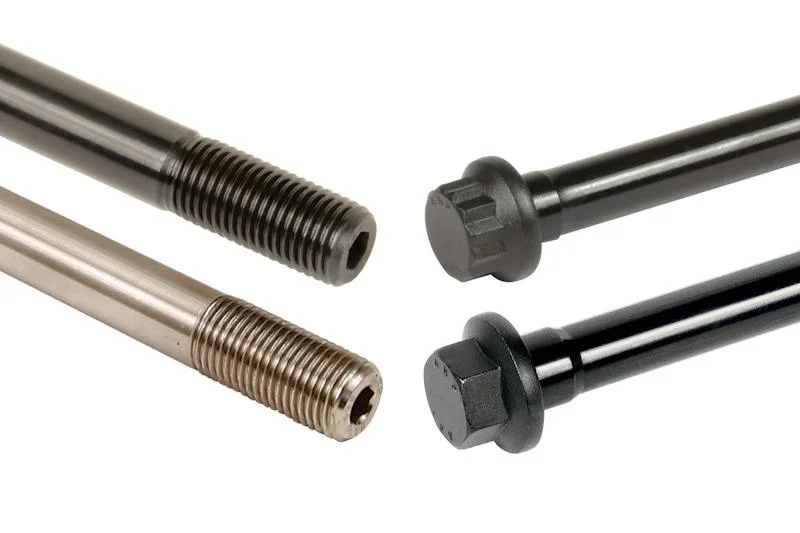
Access Often Settles the Argument
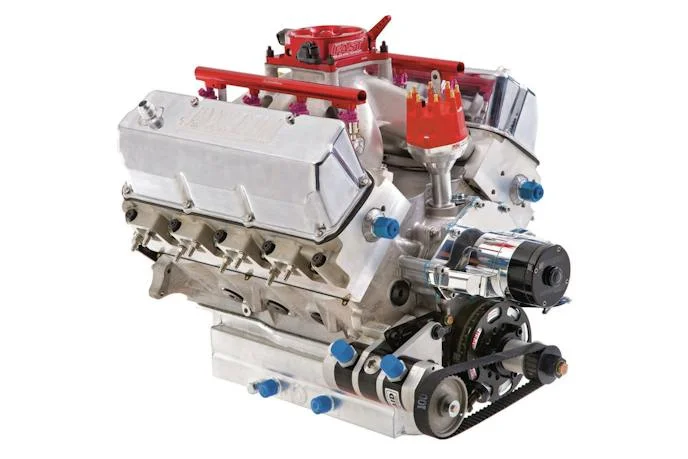
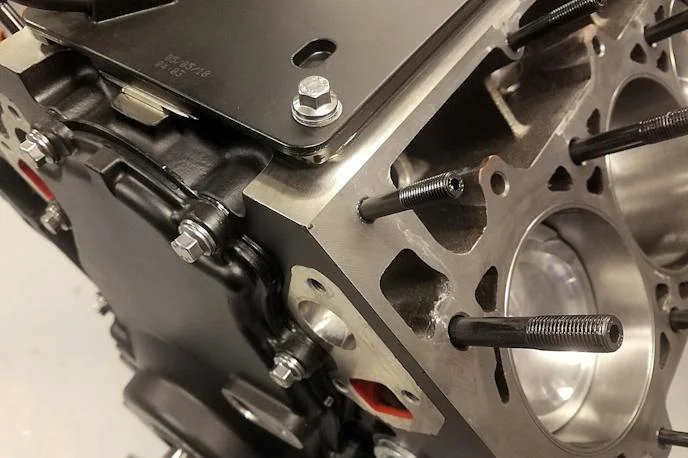
Most of the questions ARP fields involve sealing a cylinder head to the block. The goal is clamping force on the head gasket that's even and high enough to keep combustion pressure in the chamber. Studs make that job simpler because the head, gasket and components can slide straight down over them. Bolts can't do that, and when you're working around a brake booster, a heater or a tight firewall, the extra clearance a stud provides can matter more than anything else.
Preload Works Differently Than Most Builders Expect
This is the part that deserves more attention, especially on aluminum blocks. A head bolt is effectively twisted into the block while torque goes on, so the bolt is reacting to two forces at once: the friction at the threads in the block and the tension it's building. That's a lot to ask of aluminum threads.
A stud goes into the block finger-tight. The torque goes on the nut, and that pulls the stud upward to create preload. The threads in the block see far less abuse, and the fastener's preload tends to be more consistent. There's only one point of pressure, and it's under the nut.
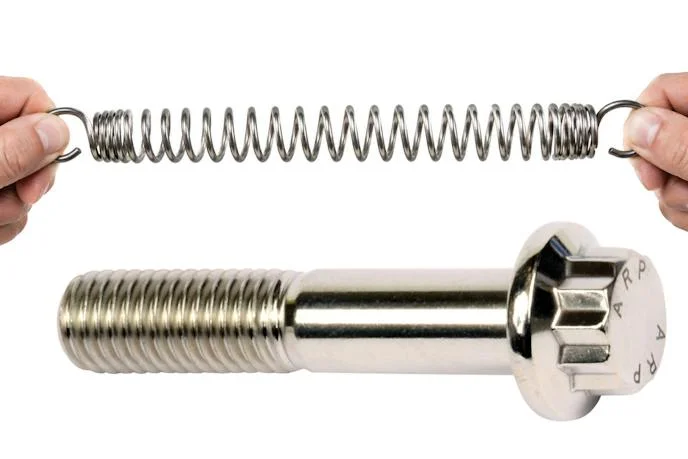
Think of both as springs. Neither one clamps just by being tightened. It has to stretch a specific amount to produce the rebound force that holds everything together. ARP's example is a 3/8-inch rod bolt made from 8740 chrome moly steel. To reach roughly 10,000 lbs of preload, it needs to stretch between 0.0055 and 0.006 inch. The exact stretch depends on the material, diameter and length of the fastener, so a figure from one application doesn't transfer neatly to another.
Five Alloys, Three That Matter Most
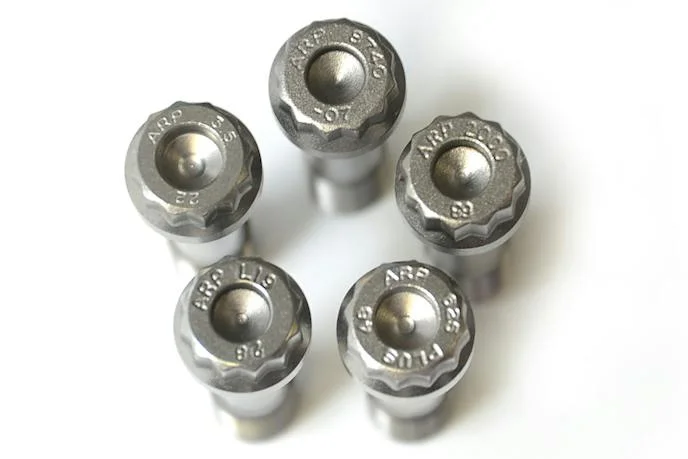
ARP makes studs and bolts in five alloys, but most builds land in one of three. 8740 chrome moly is rated at a nominal 190,000 psi tensile strength and covers the bulk of street and mild performance work. ARP2000 comes in at 220,000 psi. Custom Age 625+ runs 260,000 to 280,000 psi and is the choice for serious power. The other two alloys are reserved mainly for supercharged or turbocharged engines running extremely high combustion pressures.
Across all five, ARP says it uses high-purity alloys and holds itself to a standard well above commercial or aircraft grade. That claim is the manufacturer's own, so treat it as a sourcing statement rather than an independent rating. What you can check is the alloy stamped on each bolt head.
Head Studs and the Coyote Example
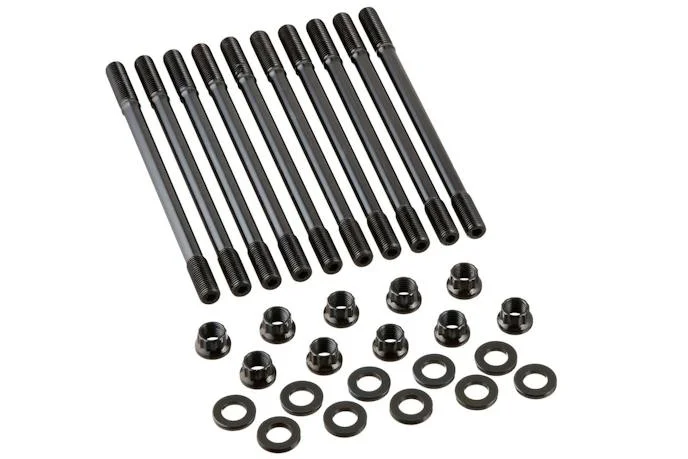
Head studs are where the stud argument is strongest, and ARP's hex-broached design helps. Broaching the studs makes them easier to install and remove, and it also makes threading them into the block more efficient. The company's upgrade for the 5.0L Coyote uses ARP2000 studs, and for highly boosted versions it offers Custom Age 625+ rated above 260,000 psi. That's the kind of setup where you'd expect the clamping demands to climb.
ARP also pays close attention to geometry. All head studs are centerless ground so they stay concentric, which helps the head seat cleanly. The studs are heat treated while standing vertically in special racks, which ensures full 360-degree penetration of the heat. Threads are rolled after heat treatment, when the material is harder, to improve fatigue life.
Mains, Headers and the Rest of the Engine
Main fasteners follow much the same logic. ARP does make special kits for late-model Chevy, Chrysler and Ford engines that combine main studs with side bolts.
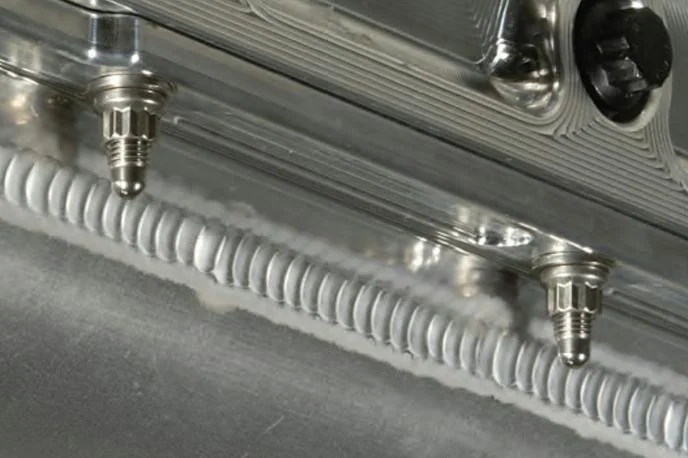
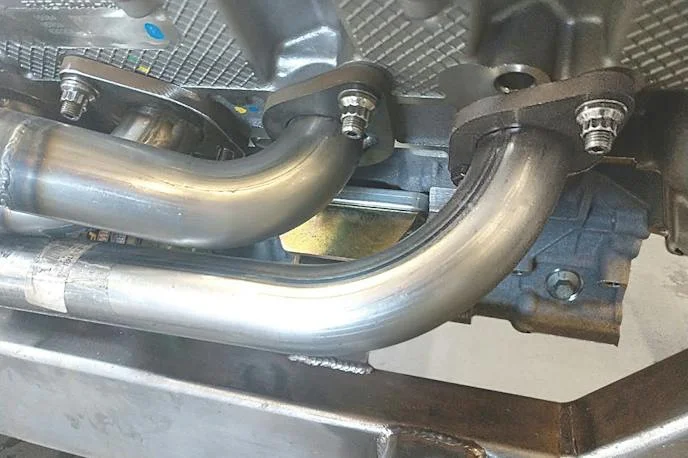
Headers are where studs really earn their keep. A stud guides the flange into position, and ARP's header studs have a nut-starter nose that lets you start the nut without cross-threading. Hex and 12-point nuts are both offered, and the 12-point version fits a socket into tight spots. For cramped layouts, such as large primary tubes, ARP has reduced-wrenching fasteners. Studs and bolts come in polished stainless or black oxide 8740 chrome moly.
Valve covers, oil pans and front covers can go either way. A stud holds the gasket in place while you install the main component, which is a real advantage on a gasket that likes to walk.
Kits, Loose Bolts and Driveline Studs
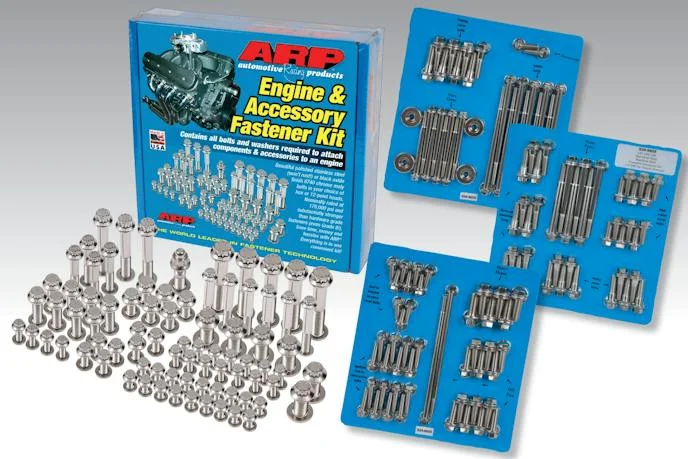
If bolts are your preference, ARP's Engine and Accessory Fastener Kits cover more than a dozen installations, from intake manifolds to oil pans. They're organized on skin-packed cards for easy identification and come in polished stainless or black oxide 8740 chrome moly with hex or 12-point heads. For anything the kits don't cover, ARP sells bolts in hand 5-packs by size, from #8-32 bolts 0.375 inch long up to 1/2-inch diameter bolts as long as 6 inches. Metric equivalents are available too. ARP rates these at a nominal 180,000 psi, which the company says is about 20 percent stronger than Grade 8 hardware.
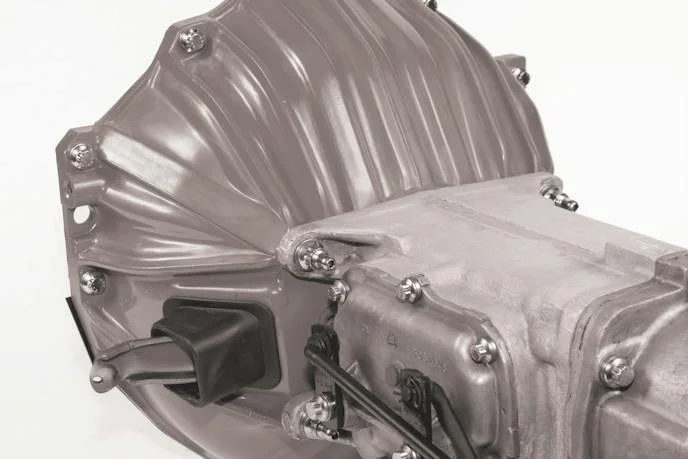
Driveline studs are a growing category. Bellhousing-to-block and bellhousing-to-transmission stud kits are hex-broached, come with nut-starter noses, and include washers and nuts in either 12-point or hex. Anyone who has muscled a transmission into place the old way will see the appeal.
Manufacturing Details Worth Knowing
Two points stand out in ARP's approach. First, all fasteners are made in-house at its California facilities, which gives the company direct control over quality. Second, threads are rolled rather than cut, to AS 8879D, which ARP describes as the industry's most stringent specification. Rolling work-hardens the thread and keeps the grain flow intact, while cutting interrupts it. You can often feel the difference in thread engagement against lesser fasteners.
For a full technical breakdown, ARP's current catalog is available at ARPcatalog.com, and a free printed copy can be requested. Personalized technical help is available by phone at 800-826-3045. My read: if you're building an engine that will see boost or high cylinder pressures, the alloy and preload math deserve as much attention as the stud-versus-bolt decision itself.