Isky's Cam Legacy: How One Hot Rodder Rewired Horsepower
- Cargo
- Electric Vehicles
- Shipped
- Shipper
- Jody Only
- Readers
- 539
Ed Iskenderian's homemade cam grinder grew into the integrated cam kit and SEMA's first presidency. A new streaming doc tells it in his own words.
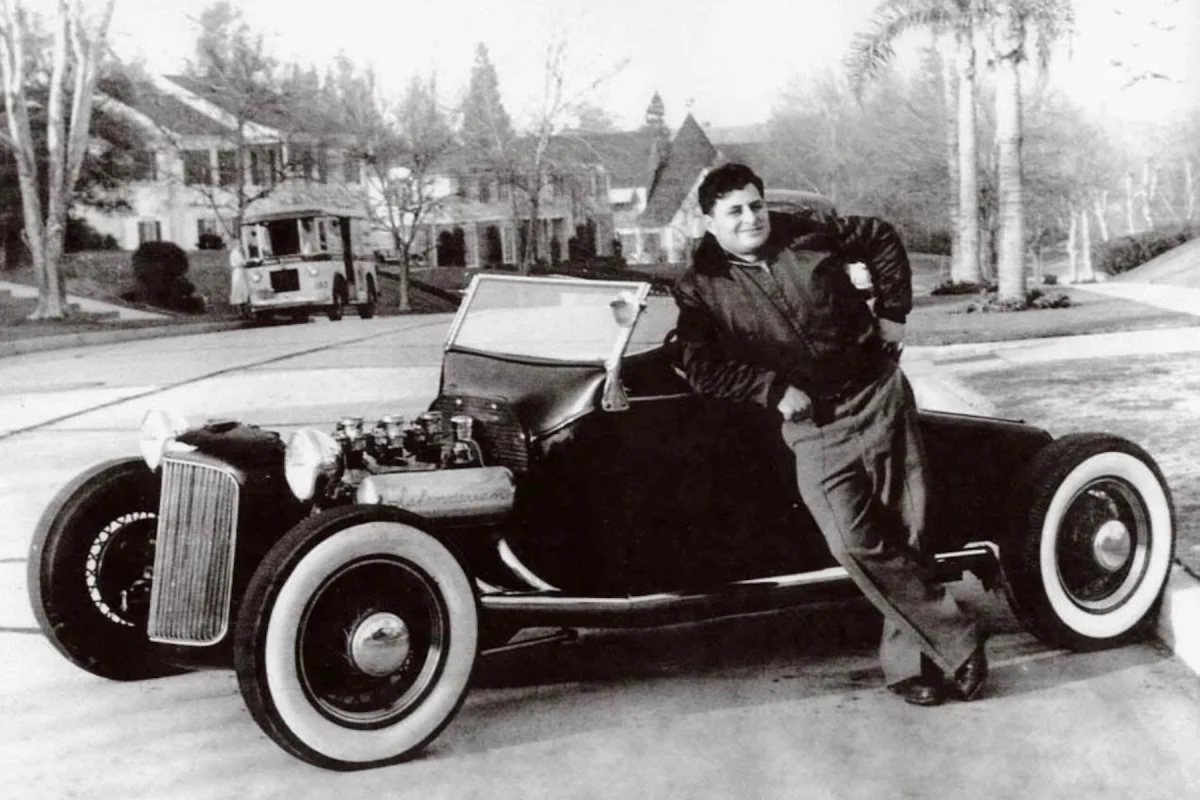
Most engine builders treat the camshaft as a line item. Ed Iskenderian treated it as the lever that decided how an engine breathed, and that's why his name still carries weight in speed equipment decades later.
Why the lobe is the lever
The cam's job is simple to describe and hard to get right. Each lobe pushes a valve open on a set schedule, and its shape controls three things: how fast the valve opens, how far it lifts, and how long it stays open. Change any one of those and you change how much air and fuel the engine can move at a given speed. Factory profiles are chosen to work across a wide range of driving, so they leave power on the table. Isky's grinds were built to pull that power back out, letting engines breathe deeper and rev harder.
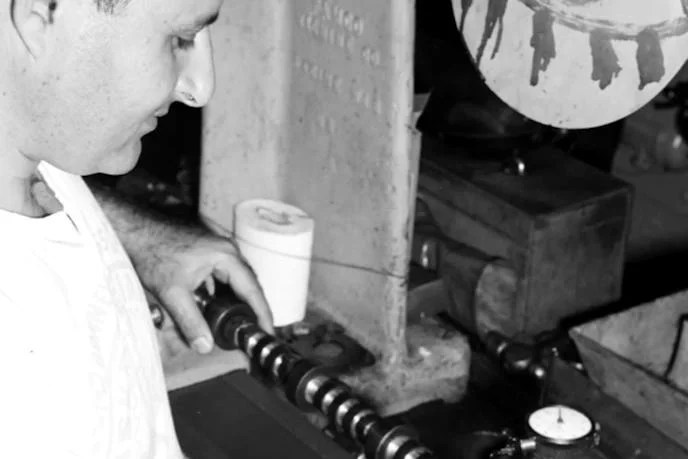
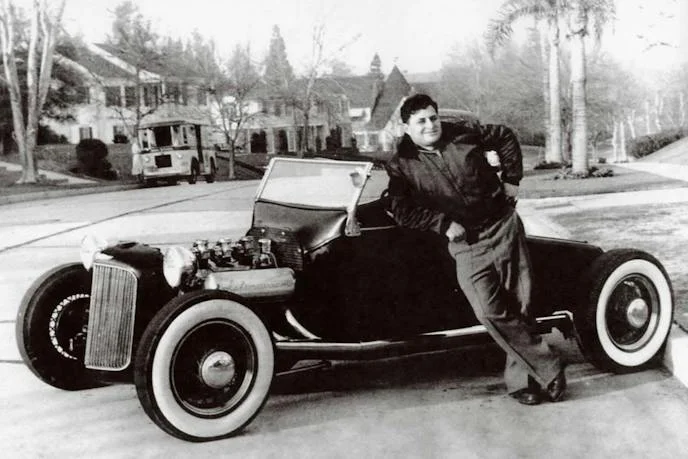
Here's the thing: that approach didn't require a factory. Isky started with a Ford flathead V8, a used grinder and a homemade cam-grinding attachment after waiting too long for a custom-ground cam. He ended up building the part himself, and the result was better than what he'd been waiting for. For hot rodders of that era, that was the real shift. The people who knew what they wanted could now get it without a machine shop's schedule dictating their build.
From grinder to computer-assisted design
What separates Isky from a talented garage tinkerer is how far he carried the work. He moved from hand-grinding into computer-assisted camshaft design, which let profiles be refined with far more precision than a grinder setup alone allowed. The product line expanded alongside it: hard-faced cam lobes for durability, high-density chilled-iron lifters, anti-cam-walk kits to keep the camshaft from drifting in its bore, and anti-pump-up hydraulic lifters to stop the lifters from losing their travel at high engine speeds.
That range tells you where his attention was. He wasn't content to make engines faster on paper. He kept chasing the failure points that show up when an engine is pushed harder, and solving them before they became the reason a build went wrong on the strip.
The integrated kit changed how people bought cams
Perhaps his most lasting contribution is the integrated cam kit. Cam, springs, lifters and related hardware came in one box for one price. If you've ever tried to match a cam to the right springs and lifters from separate catalogs, you know why that mattered. It removed guesswork and cut the chance of buying parts that don't play nicely together. For a buyer comparing options today, the idea of a matched package feels obvious. It wasn't obvious until someone built it.
Beyond the cam
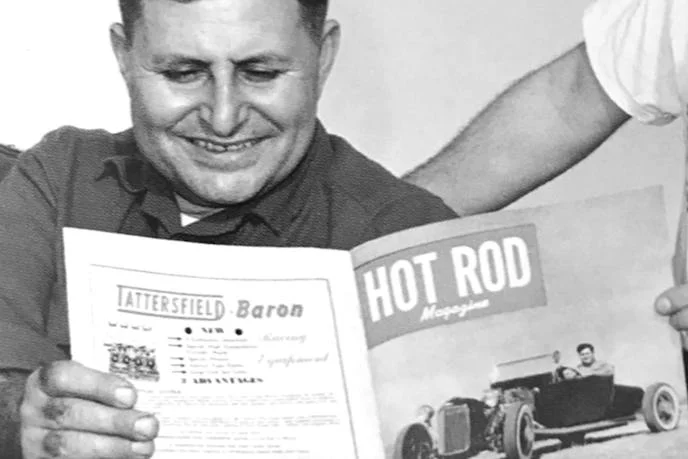
Isky's influence didn't stop at the engine. He was one of the key founders of the Speed Equipment Manufacturers Association in 1963 and became its first president. That gave a fragmented group of parts makers a shared voice for the aftermarket performance industry. The organization later evolved into what is now the Specialty Equipment Market Association, the body behind the SEMA Show. Industry groups like this rarely get the attention that a famous cam does, but they're often the reason an aftermarket category can grow into something with shared standards and a common stage.
The man behind the documentary
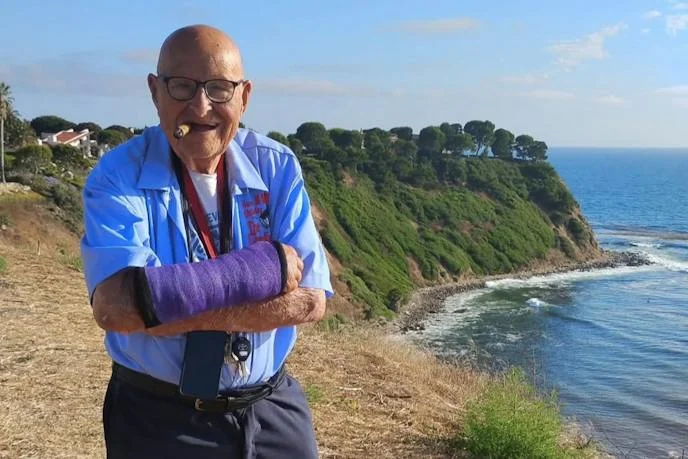
ISKY, the documentary, arrives with a unusual advantage: its subject is the one telling the story. Filmed shortly before his 100th birthday, it follows Iskenderian through the stories behind the horsepower boom he helped start. He passed away in February 2026, and the film is now streaming on Prime Video and Apple TV.
The personal details are as telling as the technical ones. Even after reaching 100, he kept working and stayed close to the hobby. He could be found at the Isky booth at the SEMA Show in Las Vegas, and he drove there himself in his Cadillac, a trip his family had long since stopped trying to talk him out of. That kind of persistence explains a lot about how a homemade grinder turned into a company and an industry.
What to take from it
For buyers, the most practical legacy is the way Isky's ideas still shape how cam packages are sold: matched components, clear performance intent and attention to the parts that fail under load. For enthusiasts, the documentary offers a first-person look at how the aftermarket got here. My read is that the film will land hardest with people who have ever waited on a part they could have made themselves. Isky did exactly that, and the rest of the industry is still building on it.