1968 Chevy Camaro Torque Terror Swaps Drag Strip Duty for the Daily Commute
- Cargo
- Electric Vehicles
- Shipped
- Shipper
- Jody Only
- Readers
- 624
A 1968 Camaro that ran an 11.98-second quarter-mile now handles daily driving, with its 427 big-block, drag suspension and street-friendly tweaks intact.
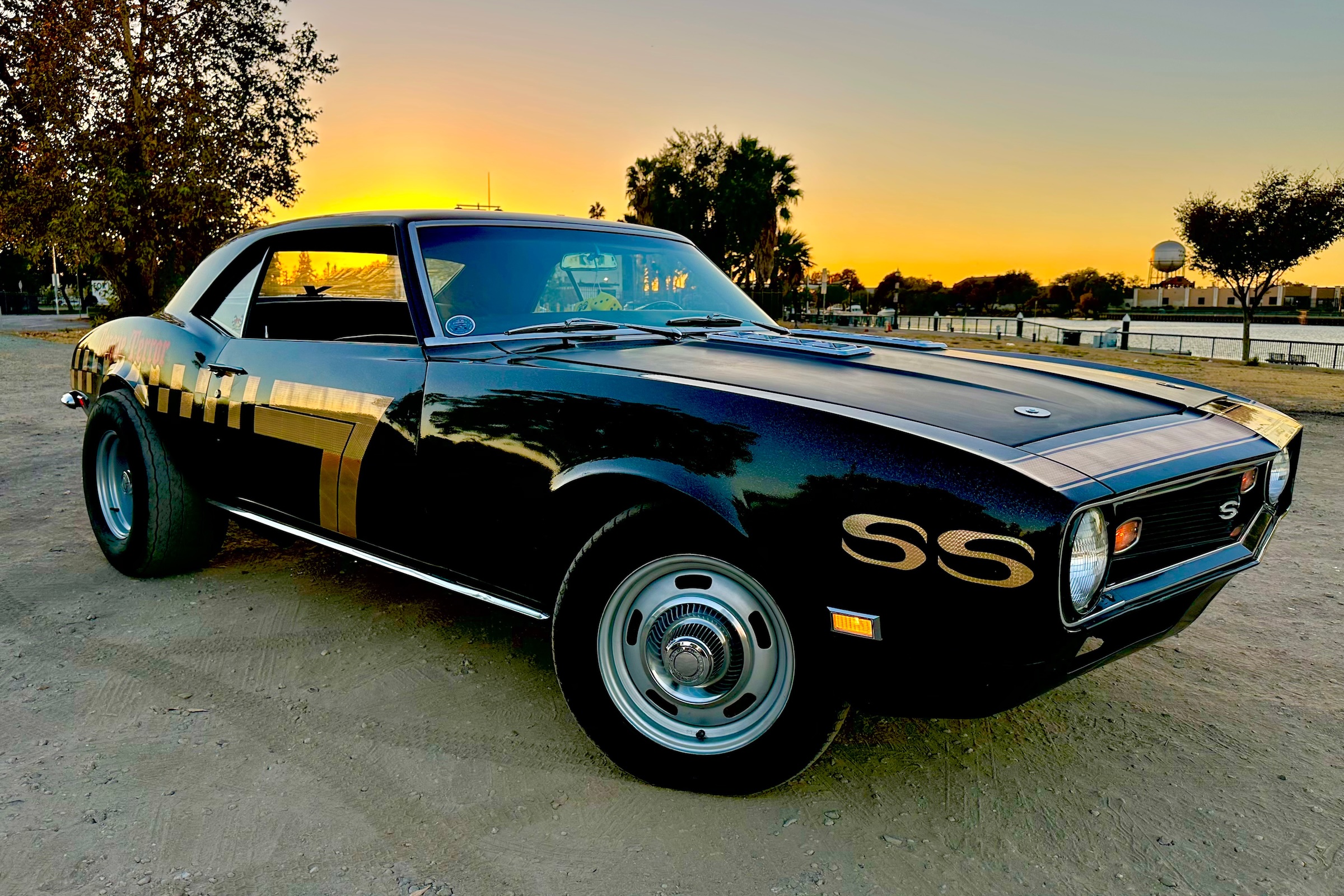
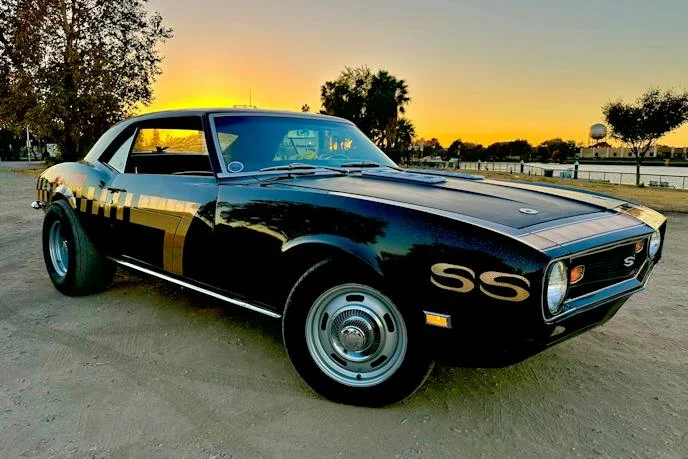
Most former drag cars end up on a trailer or behind a garage door. This 1968 Camaro went the other way. It spent decades in storage, and now it's a daily driver with a 427 big-block, drag-era chassis bits and a healthy dose of attitude. That's a rare combination, and it makes this car a useful case study for anyone who wants a period-correct muscle car that still does its original job.
Born Mustang-Hunting, Built for the Strip
The car started life at GM's Van Nuys assembly plant in Southern California, rolling off the line in Tripoli Turquoise Metallic. It carried an unidentified factory V8 and the upgraded RPO Z87 Custom Interior package. The VIN and cowl tag confirm the factory pedigree, which matters for a car like this because provenance is what separates a genuine race history from a good story.
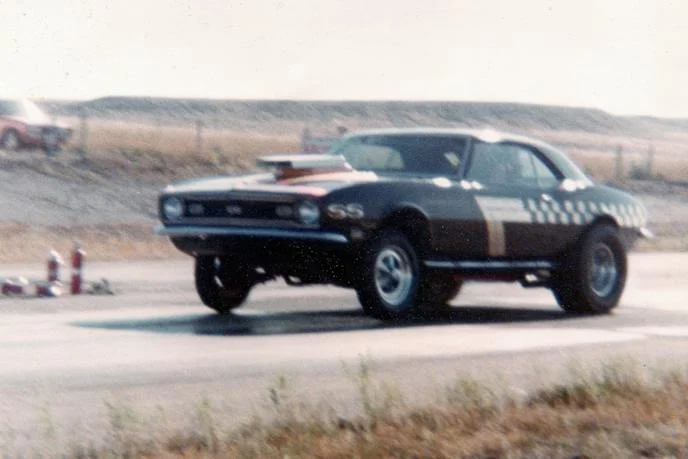
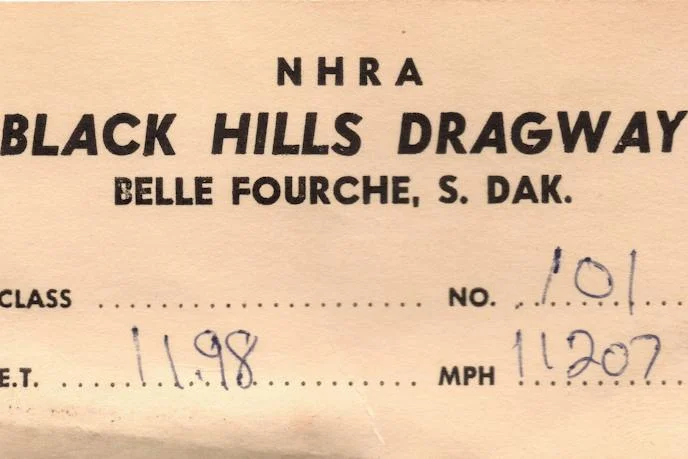
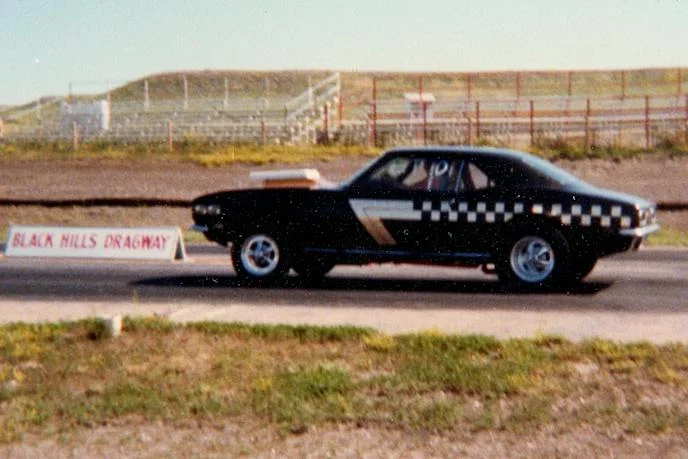
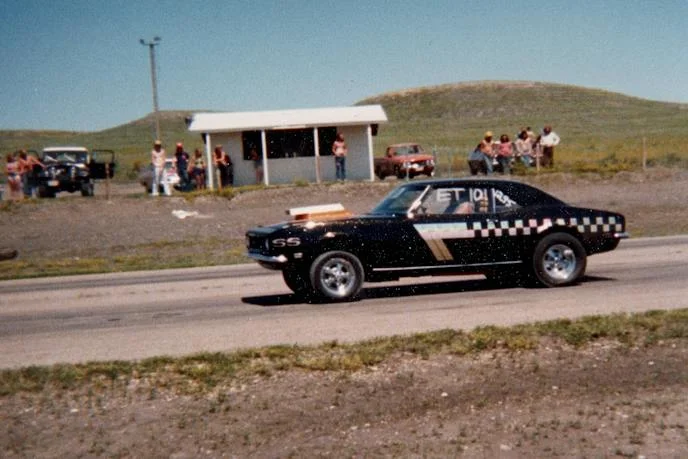
Chevrolet pitched the first-generation Camaro as a rival to the Ford Mustang. Once the original owner took delivery, though, the target shifted to the drag strip. The car was stripped, modified and sent to the NHRA Black Hills Dragway in Belle Fourche, South Dakota, where it ran as the Day Two racer. A surviving time slip is the best evidence of what it could do. The car turned in an 11.98-second quarter-mile pass, shaving multiple seconds off its documented factory performance. The 112.07-mph trap speed beat the stock V8 options by 8 to 27 mph, depending on the engine. Thin air at altitude didn't seem to slow it down.
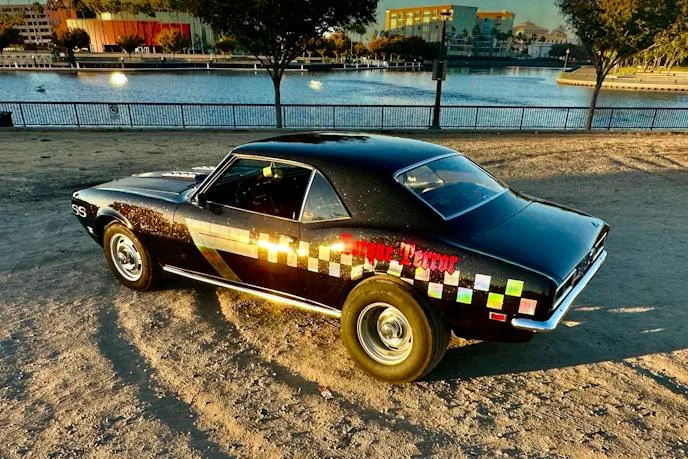
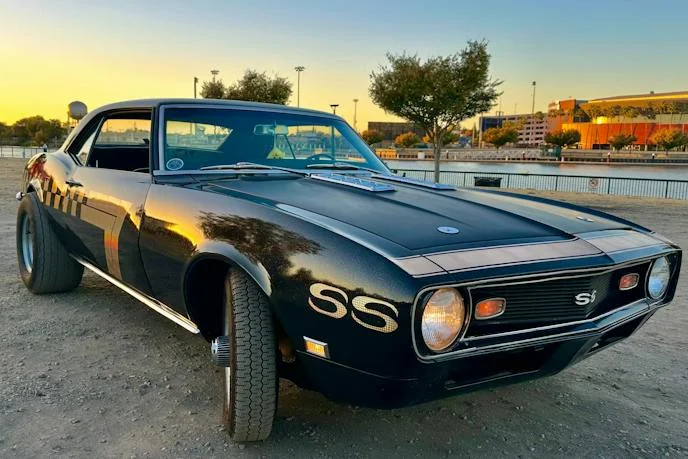
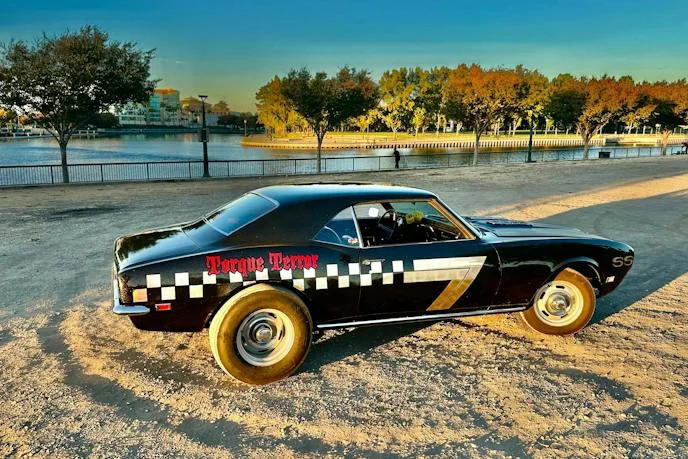
Then the car went quiet. It had fewer than 1,000 race miles on it when it was parked. The roll cage, slicks and scooped hood eventually came off, replaced by street tires and an original-style '68 ice cube tray hood. The car has since moved to a port city on the California coast, where it now lives. The racing past still shows in the bold late-'60s graphics, and the growl hasn't gone anywhere.
From Drag Car to Commuter
The car, known as Torque Terror, was bought by Joe Soto Jr., a high school teacher. When he took delivery, the odometer read just 979 miles, all of them logged one quarter-mile at a time. Those miles have since climbed by a few thousand, and Soto Jr. uses the car every day, including his morning commute.
Some of the changes predate his ownership. The previous owner stripped the car of nearly everything that wasn't needed for racing, including the windshield wipers, mirrors, sun visors, door sills and small plastic vents. The roll cage removal was done before Soto Jr. got it. Other changes reflect his plan to make the car streetable. As he put it, "He even took the door sills out and the little plastic vents. He took those out too."
Powertrain: 427 Under a 396 Disguise
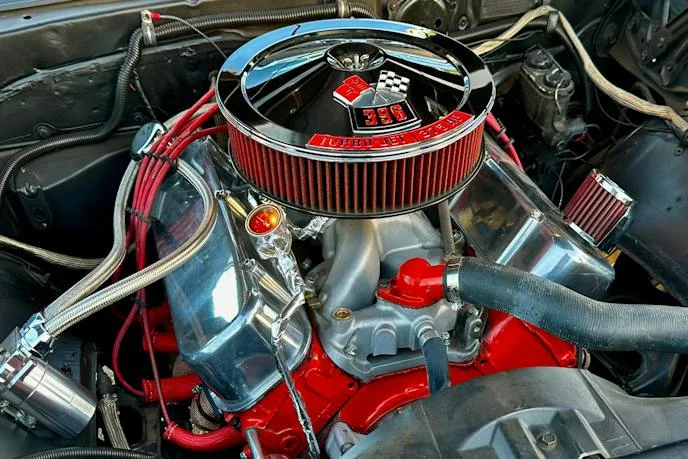
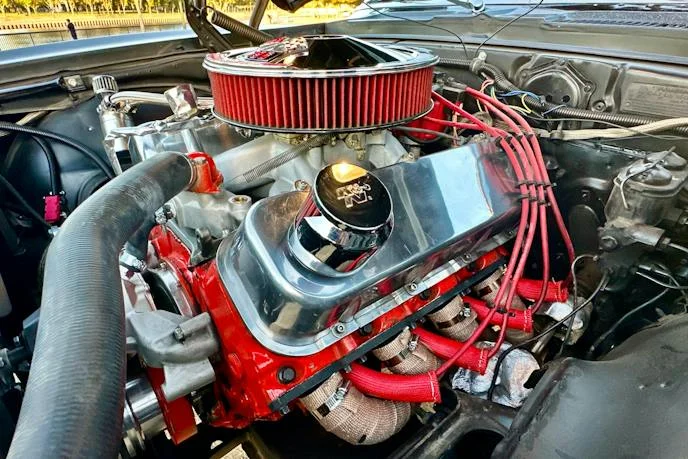
The VIN confirms the car left the factory with V8 power, but the original engine isn't known. The current setup is a 427 cubic-inch Rat motor. A Muncie four-speed manual replaces the factory three-speed, and Soto Jr. rebuilt the shifter himself.
Fuel delivery now comes from a Holley 750-cfm Double Pumper, and the exhaust runs through Borla mufflers. Soto Jr. first fired the car up in his driveway with no muffler and open headers. His wife said the dishes rattled in the kitchen, and he could picture the neighbors' reaction. He later added an X-pipe and electric cutouts, then sound-deadening material, insulation and carpet. With the pipes open, he can still hold a conversation in the cabin. That's a sensible compromise for a car that's used every day.
Soto Jr. estimates output at about 650 horsepower, within a range of 600 to 700, with 500 to 600 pound-feet of torque. Those numbers haven't been dyno-tested, so treat them as estimates. He also made sure the cooling and fan setup matched the engine. He sourced the correct fan clutch and fan shroud, plumbing and Holley carburetor, plus an air cleaner that fits under an SS hood.
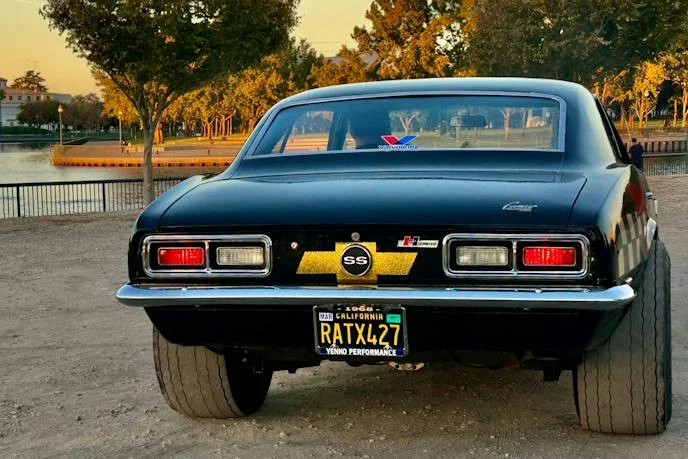
He had sleeper plans, leaving 396 badging on the air cleaner to disguise the 427 underneath. Then he ordered a personalized plate reading RATX427, which ended the secret. "I wanted to leave the 396 to fool people, like if I ever race them," he said. "But then I messed up. Maybe I'll change my plate again, but I kind of like the look of RAT on there."
Rear End and Driveline
The car keeps its original Positraction differential, rebuilt by Valley Differential, but the gears have changed. The factory ratio was 3.31, and the first owner had swapped in 5.38s. Soto Jr. says that setup ran 10-second passes at one point, which he calls impressive for the era. He has since moved to 4.11s, a more practical choice for daily driving.
The driveshaft was missing when he bought the car, so he installed a high-performance unit from Denny's. He noted that it's rated for far more power than he'll ever make. "I put a driveshaft that could actually handle 2,500 horsepower," he said. "It's actually a driveshaft that's supposed to be for nitrous cars. I don't think I will ever get to that level."
Drag Suspension on the Street
The drag-era subframe connectors and traction bars remain in place. Soto Jr. added drag shocks at all four corners, with 90/10 units up front and 70/30 units in back. The front end lifts on launch and settles slowly afterward, a look he clearly enjoys. "When I take off, the front end lifts up pretty nice and then it comes down slowly. I love how that looks."
Repeated hard launches and wheelie landings took a toll. The windshield cracked, and the steering box had developed excessive play where the pitman arm connects. Soto Jr. found a quick-ratio steering box as a replacement. "I used to have to turn the wheel like four times to make a left or a right," he said. "Now, it's basically like one or one and a half turns. So, that has really improved the steering." That change alone probably does more for daily usability than any engine tweak.
The brakes are still the original drums. Soto Jr. plans to convert to Wilwood six-piston front calipers eventually. Drum brakes in a 600-plus horsepower estimate are a point to watch, so that upgrade is a logical next step.
Rally Wheels and Drag Rubber
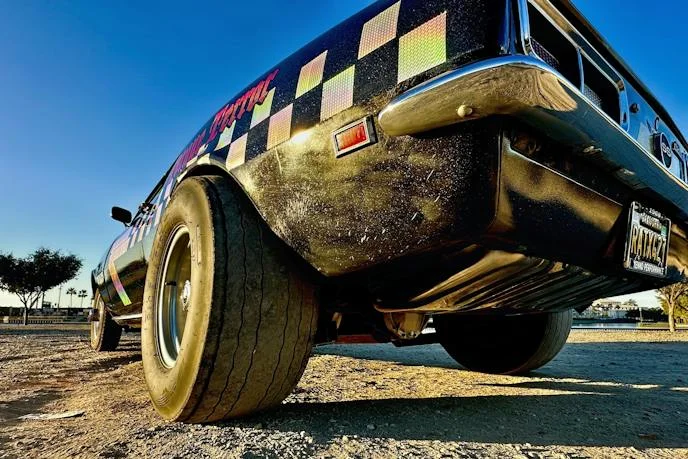
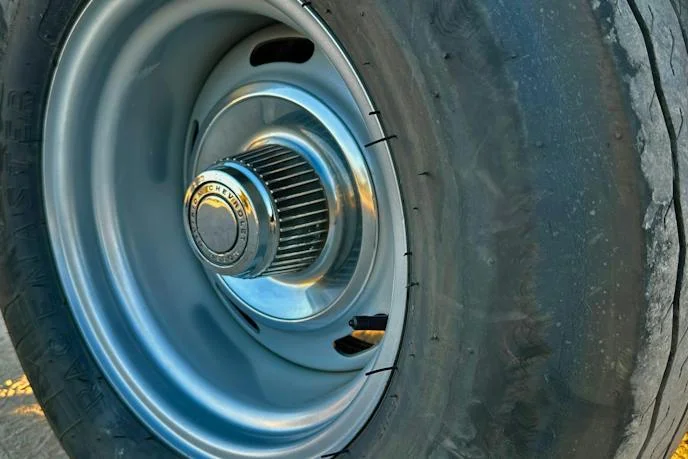
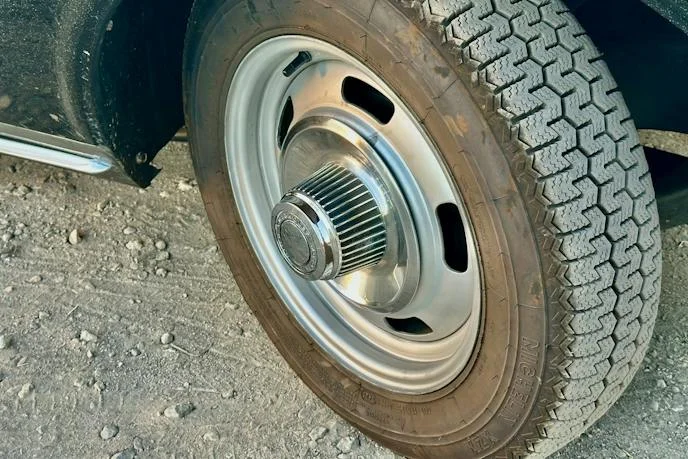
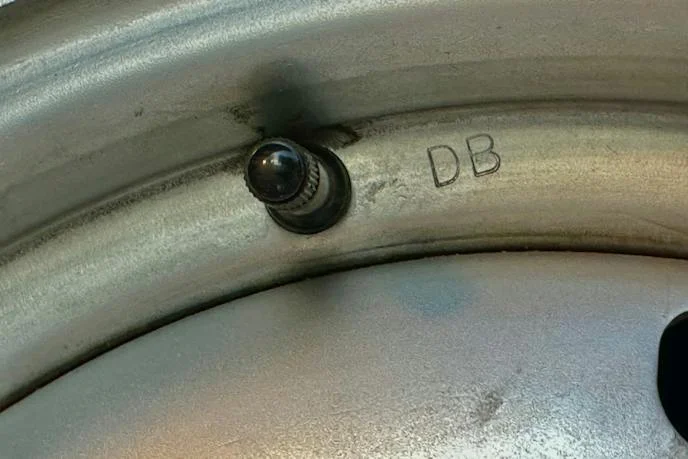
The Chevrolet DB-coded Rally wheels preserve the car's racing stance. They measure 15x5 inches up front and 15x10 inches out back, and the soft-compound, wrinkle-wall drag tires keep the racing look alive. Soto Jr. had assumed 14x6 was the narrowest Rally wheel available. Research showed otherwise. "They're so rare because they only came on '67 and I believe '68 Impala Super Sports that had the 427 big block and these specific brakes," he said. He describes the 15-inch units as even better, since they're taller and narrower than the 14s.
He's keeping an original set of drag slicks from the car's competition days, along with a spare set of Cragars for later use.
Paint, Graphics and Interior
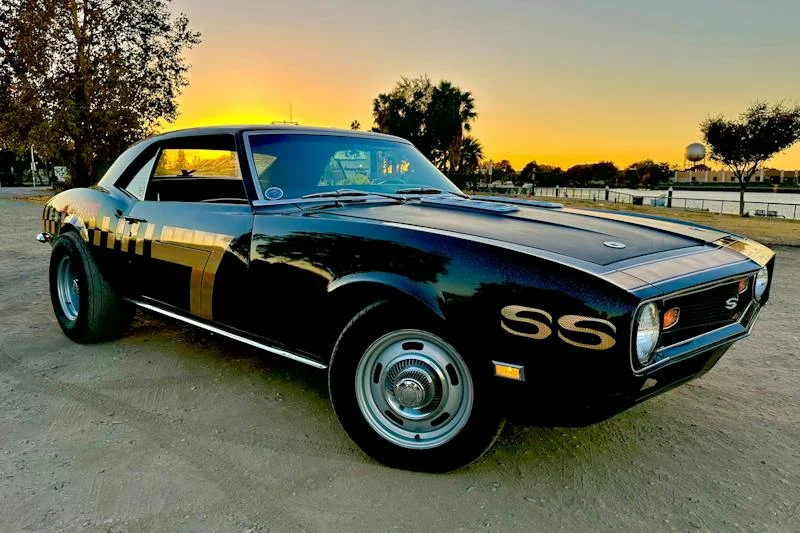
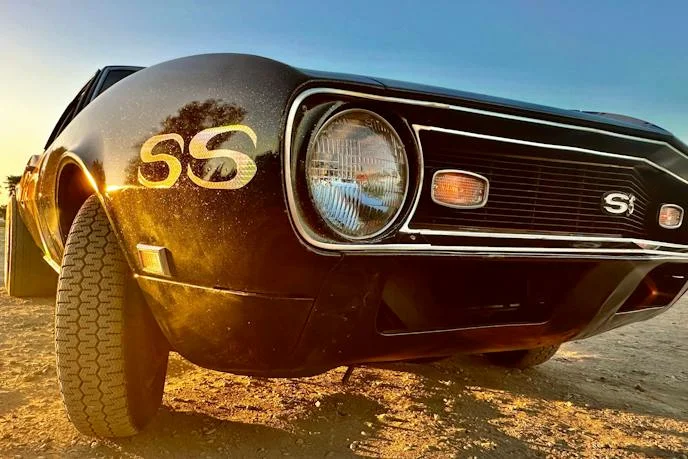
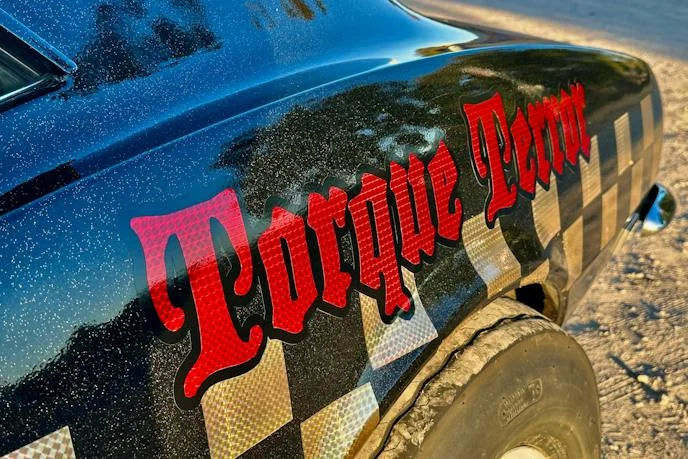
The car didn't stay Tripoli Turquoise for long. Its drag image arrived with black paint, heavy metallic finishes and period gold graphics. Soto Jr. has no plans to erase that heritage. He intends to fix a few small paint imperfections and complete the bumblebee stripe on the top, carrying it down the side and around the SS lettering.
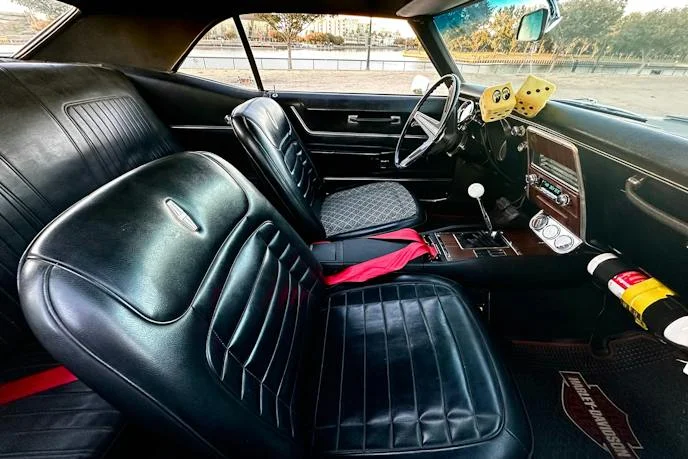
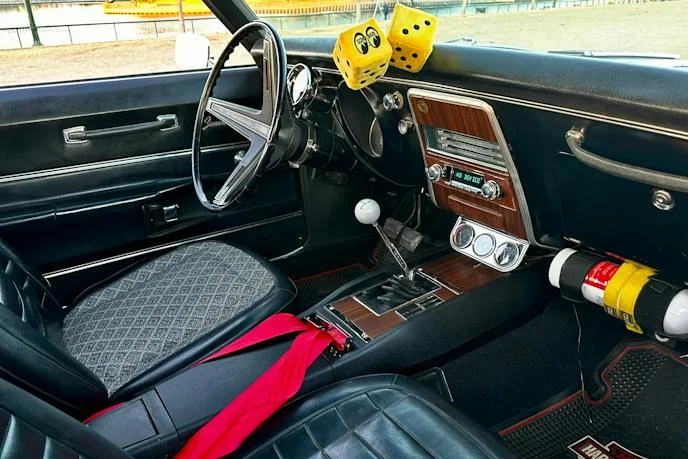
Inside, the black interior remains, including the Deluxe-style front seats with chrome accents. The rear seat has been replaced, and Soto Jr. added a center console with Moon auxiliary gauges for voltage, oil pressure and engine temperature. Those gauges matter more on a car running a big-block daily than they would on a weekend cruiser.
What Comes Next
The wish list is long. Soto Jr. is considering a 6XD sequential racing transmission or an M22 Rock Crusher, plus a bigger camshaft and valvetrain girdles to keep the rocker arms from flexing. Further down the road he's eyeing a 6-71 blower to fill the original SS scooped hood he still owns. In the near term, he wants different cylinder heads and then a dyno session to get real numbers.
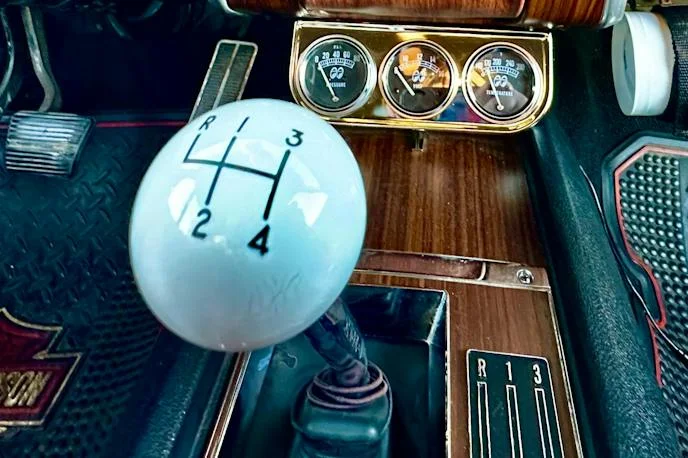
Gearing is part of the plan too. If he keeps the Muncie, he intends to replace the tail housing with a Gear Vendors overdrive, which would double the number of gears from four to eight. Tubular upper A-arms are next to improve steering geometry. He also wants wider front tires, which he believes will help the car carve corners once the A-arms are in.
Soto Jr. wasn't shopping for just any '68 Camaro. He wanted one with race history. The car had spent 45 years in a climate-controlled garage before the widow of a Day Two racer from the '60s and '70s chose to sell it. He never knew the original driver, but the car tells the story of two gearheads decades apart who never met.
He respects that history without treating the car like a museum piece. He's probably the first owner to take the car onto public roads since its racing days, and he's done it without erasing its quarter-mile past. "Because, you know – the car – it was a race car originally, so I kind of think, it probably misses it," he said. Someday he may take it back to the dragstrip. Until then, the Camaro gets to do what it was built for, just with a different commute.