Drag Racing Living Legends Head to MCACN 2026
- Cargo
- Electric Vehicles
- Shipped
- Shipper
- Jim Campisano
- Readers
- 360
Arnie Beswick, Buddy Martin, Herb McCandless, Butch Leal and Paul Rossi headline MCACN 2026's Living Legends seminar on November 21 in Rosemont, Illinois.
The Muscle Car and Corvette Nationals (MCACN) is bringing back one of its most-requested sessions, and this year's lineup is a direct line to the era when Detroit's automakers treated the NHRA, IHRA and AHRA circuits like a proving ground. The 2026 Muscle Car and Corvette Nationals will host the Drag Racing Living Legends seminar, where the drivers and owners who shaped the sport tell their own stories.
The seminar runs one hour on Saturday, November 21, and is moderated by drag racing historian and author Geoff Stunkard. For a lot of attendees, this is the closest they'll get to the people who were there when Pontiac, Plymouth, Ford and Chevrolet were pouring money and engineering into the strip. Hearing a driver explain why a particular clutch setup worked, or how a match race was decided in the staging lanes, adds detail that no period magazine can fully capture.
Here's the thing about this format: the stories matter as much as the hardware. Much of what made the 1960s and early 1970s so competitive came down to personal relationships, backyard tuning and the willingness to take a factory-backed car to a county-line track on a weekend. Those are the parts that rarely make it into spec sheets, and they're the reason this seminar has built a loyal following over the years.
Arnie "The Farmer" Beswick
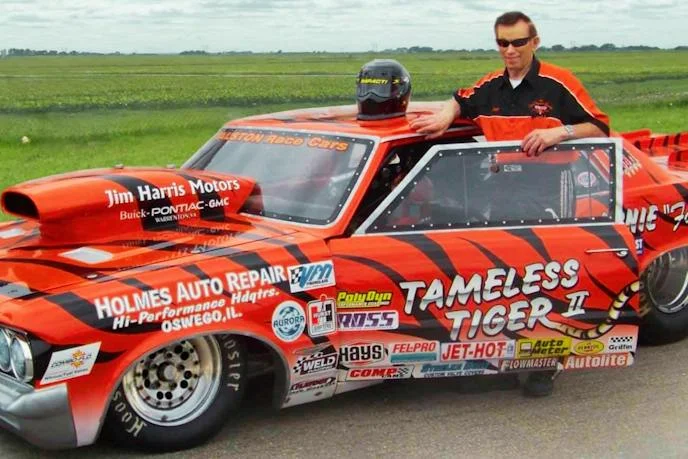
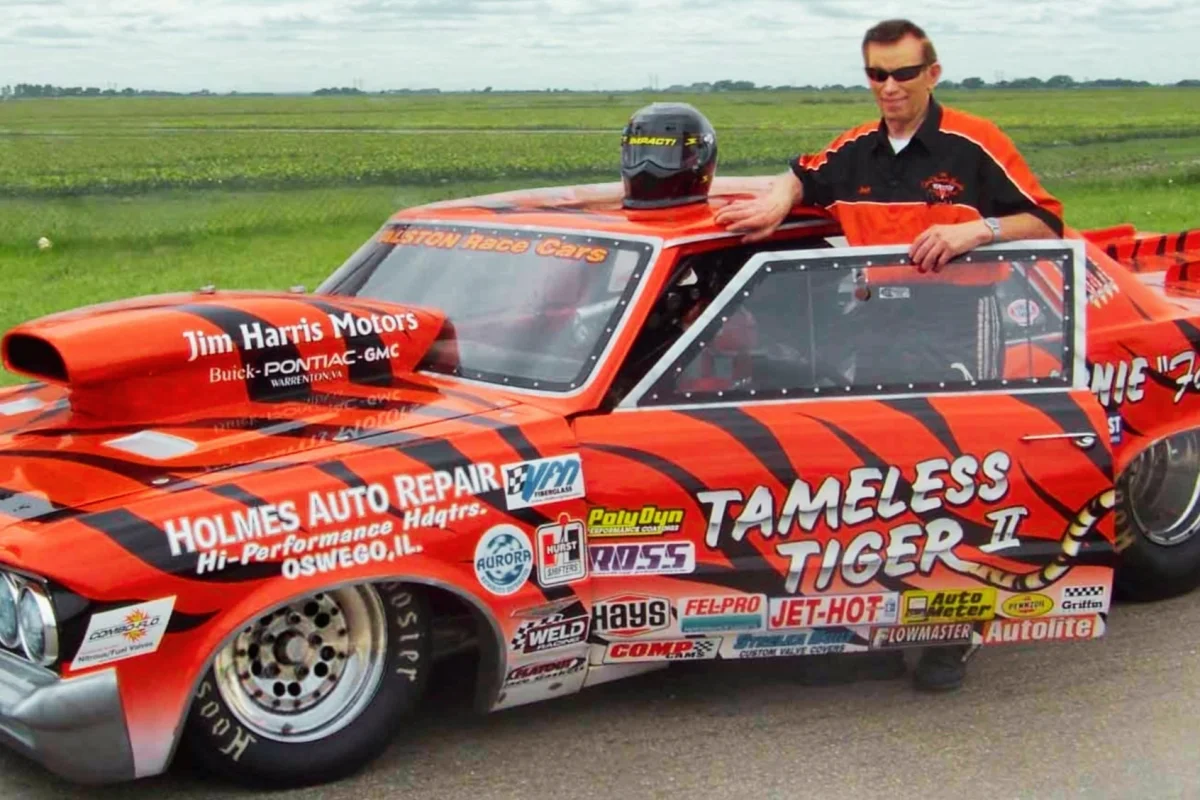
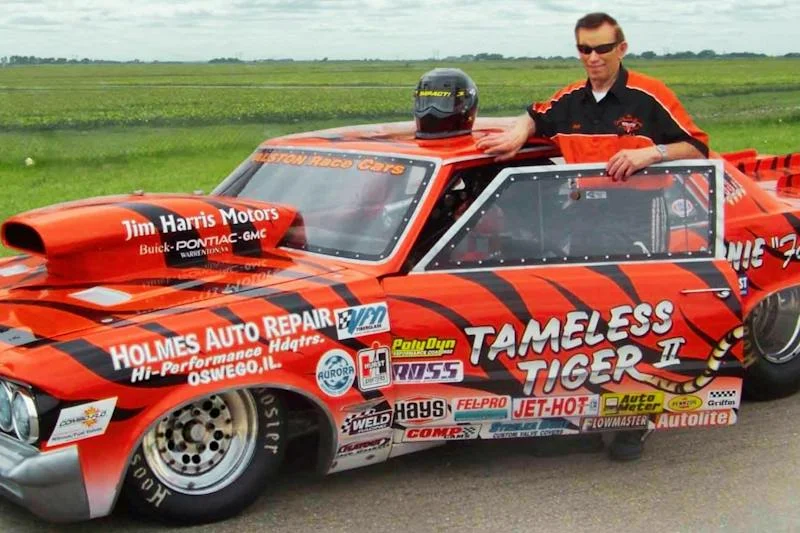
Arnie Beswick's career stretches back almost 70 years, and his path through the sport is a study in Pontiac loyalty. He started out racing fiercely competitive Pontiac Stockers and Super Stockers, including a 1962 Super Duty 421 Pontiac and a '63 Swiss Cheese Super Duty 421 Catalina. From there he moved into Funny Car competition with the "Tameless Tiger," a 1964 GTO.
By 1966 Beswick had acquired a pre-production GTO so that a fiberglass Funny Car body could be molded, a project that shows how much hands-on fabrication sat behind these early efforts. As the Funny Car class evolved in the late 1960s, he remained the underdog, but his reputation for innovation and hard work secured his place in the story, particularly among Pontiac enthusiasts. For anyone interested in how privateer teams competed with factory-supported rivals, his perspective is likely to be especially useful.
Buddy Martin of Sox & Martin
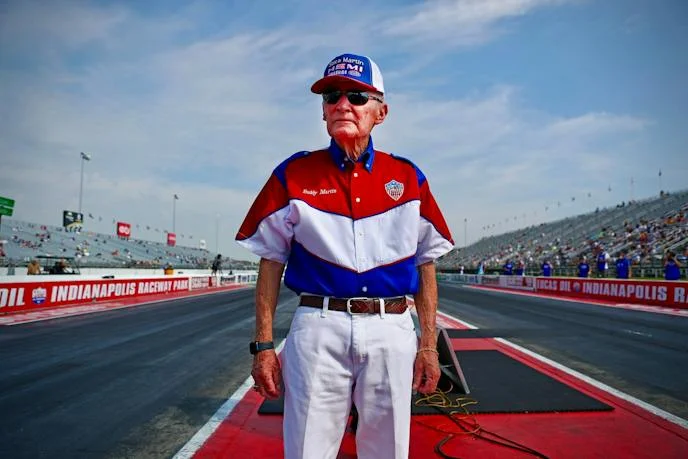
Buddy Martin is the co-owner of the Sox & Martin team, and his influence reaches well beyond the driver's seat. He became a team owner after meeting Ronnie Sox in the early 1960s. Sox provided the on-track driving, while Martin handled the business side of the operation, including sponsorship, and the pairing grew into a dominant force running Hemi-powered Super Stockers.
Martin's most lasting contribution may be his role in the sport's structure. In late 1969 he pushed the NHRA to create a heads-up Pro Stock class for 1970. Heads-up racing, where both cars leave the line together and the quicker car wins, changed how teams approached preparation and reliability. The red, white and blue Sox & Martin Pro Stock 'Cudas won the first two seasons, and the business approach Martin brought to the team helped push professional drag racing toward the more organized operation it became.
Herb "Mr. 4-Speed" McCandless
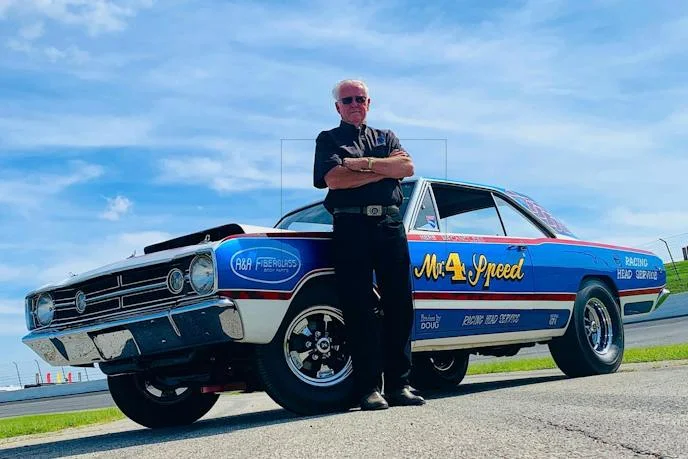
Herb McCandless started out in a Chevy, but his reputation as both driver and tuner took shape in Mopar machinery. In 1965 he bought a brand-new Plymouth A990 Super Stock Hemi Belvedere, and that purchase set the pattern for the years ahead. He worked his way across the drag strips of the South, racking up match-race wins against a long list of competitors. A 1968 Super Stock Hemi Dart marked the next step up.
The bigger turn came in 1970, when McCandless was tapped to drive the Sox & Martin Pro Stock Hemi Duster. He went on to earn the first-ever Pro Stock victory at the NHRA U.S. Nationals, a result that cemented his place as a key member of the Sox & Martin program. Hearing how a driver adapted from match racing to a formal heads-up class should be a highlight for anyone curious about the transition.
Butch "The California Flash" Leal
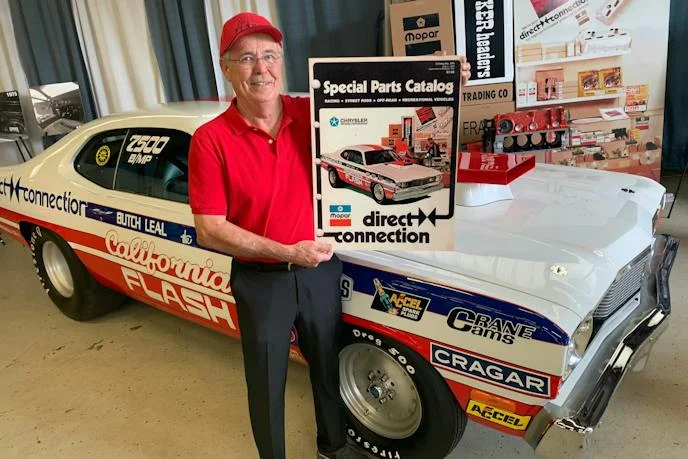
Butch Leal's career ran through the 1960s, 1970s and well into the 1980s, and the list of cars he drove reads like a tour of the era's most recognizable machinery. He raced a Ford Thunderbolt, a Boss 429 Mustang, a 427 Camaro, Plymouth Hemi Dusters and even a Pontiac Firebird, collecting wins along the way.
Leal earned the nickname "The California Flash" through a reputation for sharp reaction times, precise powershifting and a close connection to whatever car he was driving. Many of the racers who lined up against him described him as tough and hard to beat, and that respect is the kind of thing that comes through clearly when a driver talks about the people he raced. Leal's session should offer a useful contrast with the team-focused stories from the Sox & Martin side of the sport.
Paul Rossi
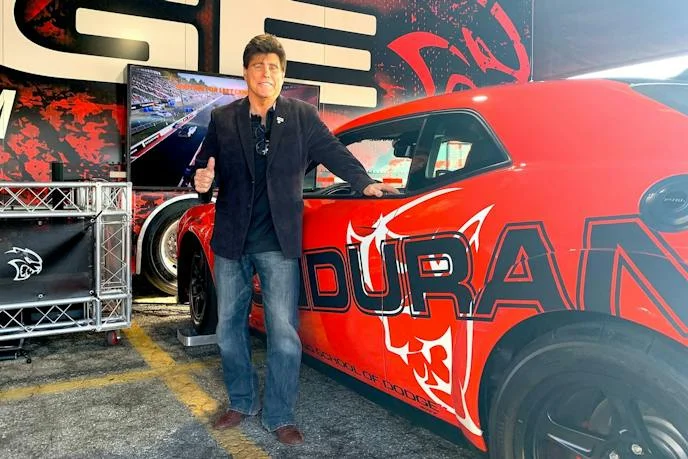
Paul Rossi began racing in the early 1960s in Hemi-powered Super Stocker Plymouth sedans. By the start of the 1970s he had moved to a SS/AA 1968 Hemi Barracuda. As the decade went on, his Direct Connection-sponsored SS/FA 440 Six Pack Challenger, which was known for its wheelstanding launches, made him even more widely recognized.
Rossi's racing didn't stop with the classic drag era. In the 1990s he ran a fleet of successful Eagle Talons in IMSA sports car racing, competing alongside some of the best road racers of the period. That move from the dragstrip to road racing gives his story a broader arc than most of the seminar's lineup, and it's a good example of how the same mechanical and competitive instincts carried over into different disciplines.
About the Show and What's Next
The Muscle Car and Corvette Nationals is one of the country's premier indoor car shows, celebrating a wide range of American performance brands and nameplates that have shaped car culture for more than 60 years. The show takes place November 21 and 22, 2026, at the Donald E. Stephens Convention Center in Rosemont, Illinois, and the Living Legends seminar falls on the first day.
For buyers and enthusiasts, the practical takeaway is simple: if you're interested in where modern performance cars got their attitude, the Living Legends session is one of the few places you can hear it straight from the people who lived it. Plan to arrive early on Saturday, since a session this popular tends to draw a full room.