John Warren's 1,511-HP '72 Nova Heads Back to the Street
- Cargo
- Electric Vehicles
- Shipped
- Shipper
- Jim Campisano
- Readers
- 380
John Warren's 1972 Nova went from a $650 teenage buy to a 1,511-hp drag contender, and now it's being rebuilt as a street car.
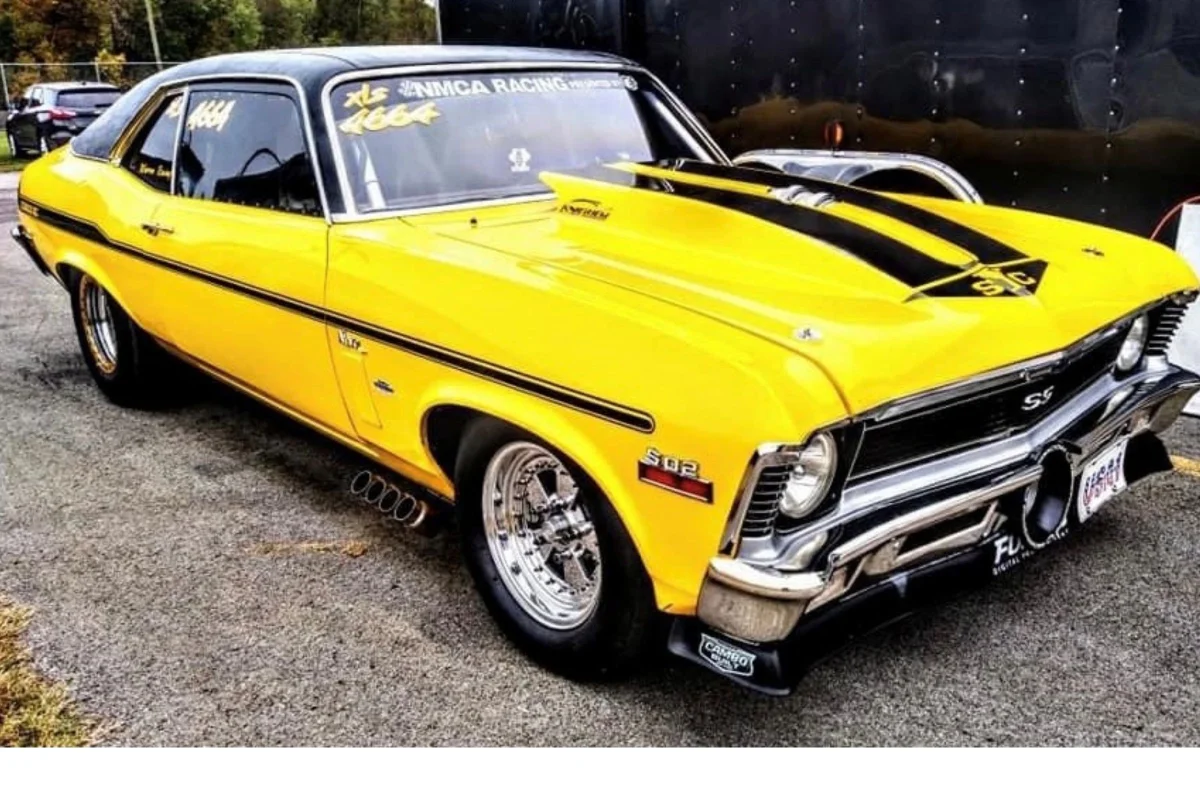
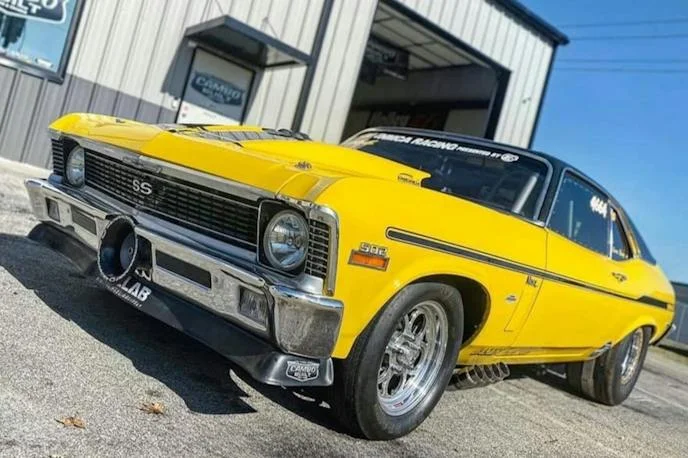
John Warren's 1972 Chevy Nova has spent nearly four decades doing two jobs. It's been a serious race car, and it's been part of the family. Its latest rebuild, now making 1,511 rear-wheel horsepower, points it back toward the street, which is what his father wanted all along.
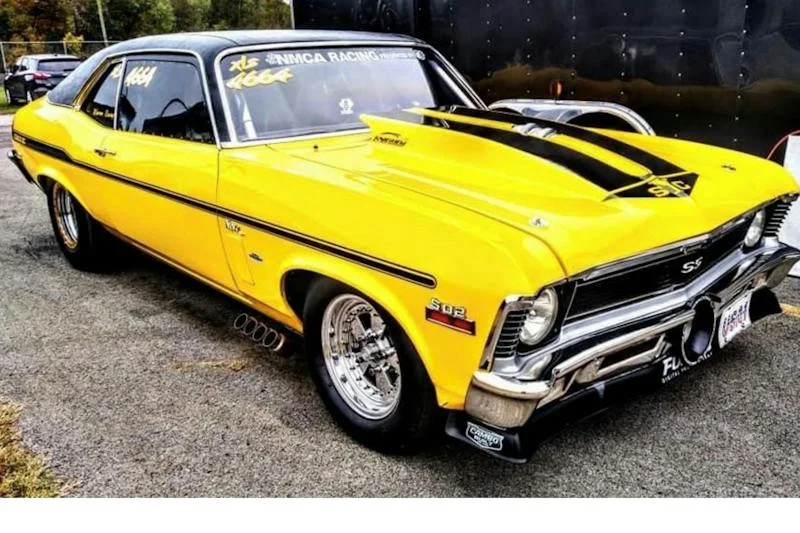
A $650 Starting Point
John grew up in Vine Grove, Kentucky, and spent a lot of his childhood at the track with his dad, who raced drag cars, dirt cars and demolition derbies. He remembers tagging along to the tower to pick out the trophy for the night's winner. Those trips planted a seed that would eventually grow into a lifetime of building, driving and racing one of the more serious small-tire Novas around.
The story of this particular car starts well before the horsepower numbers, though. It starts with a 16-year-old, a stack of cash he'd earned mowing grass and selling old parts, and a classified ad. In 1989, he and his dad found a running, driving 1972 Nova advertised in a local bargain paper, the kind of thing people used to thumb through before the internet.
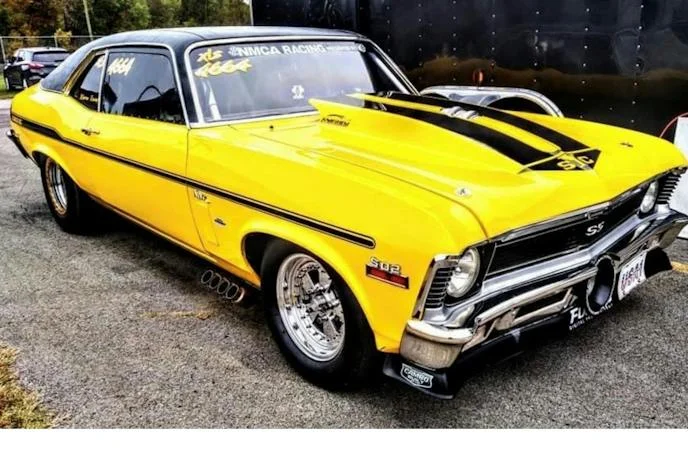
The asking price was $800, and the car was in Louisville. It was maroon with a black vinyl top, but the front end had been painted butternut yellow, likely from a collision repair. The interior was in good shape, and the top looked almost new. They negotiated the price down to $650, and John drove the Nova to high school with its original polyester tires. It wasn't a show car, but it was his, and that was enough.
It didn't stay stock for long.
Learning to Go Fast
The original 307 and Powerglide gave way to a 350 Chevy and a 350 transmission, along with a handful of bolt-on performance parts. For a 17-year-old, that was plenty. The Nova would spin its tires, sound good and get the job done.
John soon started spending most weekends at the local dragstrip. The car ran in the low 9s in the eighth-mile, which was quick for a street car in those days. It could run with the Mustang 5.0s of the era and was consistent enough to collect wins in street-car bracket racing. More engine work followed, and it dipped into the mid-8s. He also repainted it in 1977 Corvette yellow and kept the black top, a combination that made the car hard to miss.
The engine change that really mattered came next. John and his dad built a 406-cubic-inch small-block with a good set of cylinder heads, and the elapsed times dropped from the low 9s into the high 7s. This was 1990 or 1991, and he was driving the car to school, to work and to the track on weekends. A street-driven Nova running in the 7s was serious hardware, and John figured he had the fastest car at school and the quickest street car in town.
A shot of nitrous pushed it into the high 6s, which was good enough for local heads-up shootouts against racers who usually trailered their cars in.
Small Tires, Big Ambitions
In the early to mid-1990s, the Fastest Street Car movement was picking up steam, and racers were heading to Memphis, Tennessee, to test themselves against some of the quickest street machines in the country. One class caught John's eye. True Street ran cars on 10.5-inch tires, and that's where he wanted to be. Big slicks and wheelie bars had their place, but he liked the idea of getting a powerful, street-style combination to work on a narrower tire.
He worked with Tim Knieriem of Knieriem Racing Engines in Louisville, and together they built another nitrous-assisted 406. The timing was good. The Outlaw Street Car Association (OSCA) was just getting started, and John entered the Nova in True Street, where it ran in the high 5s in the eighth-mile. The leaders were in the 5.70s, so he wasn't at the front, but he could win rounds and make people notice.
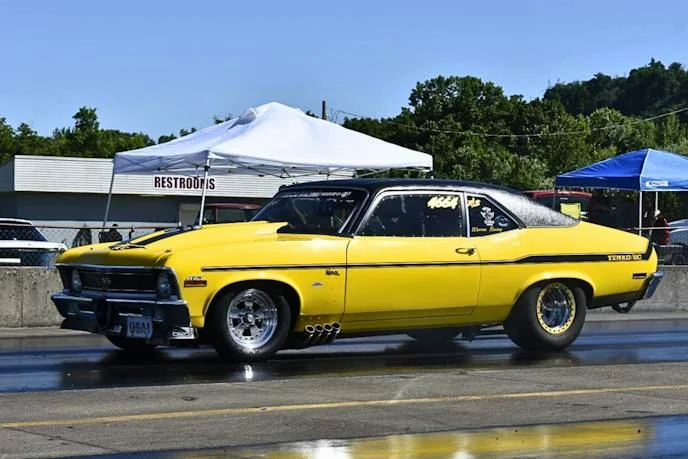
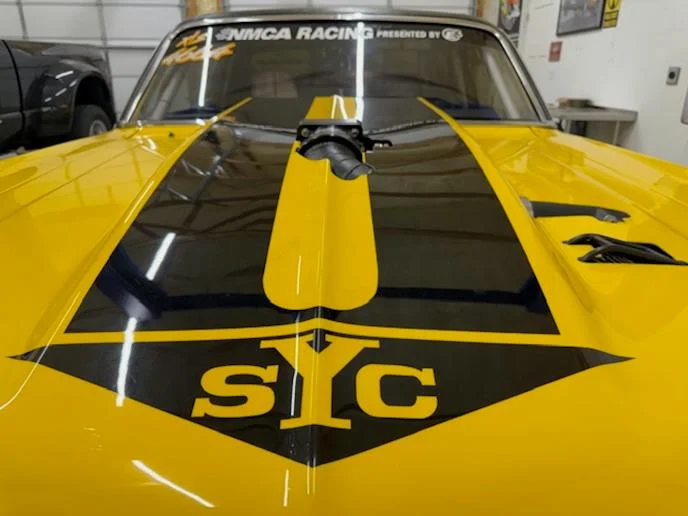
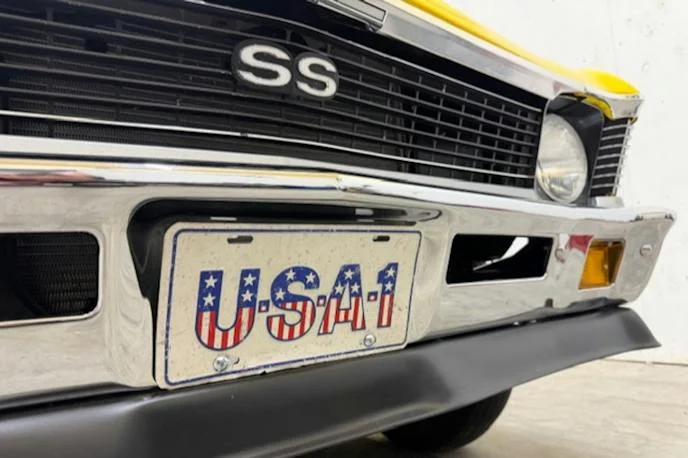
When OSCA folded, he moved to monthly grudge races at his home track. The format was simple: line up against an opponent, wait for the flagger, and go. A chip draw set the pairings, and the surface wasn't always great. John says the car hooked up consistently and launched hard, often carrying the front end. He won countless grudge nights and collected thousands in prize money. That money paid for a ground-up body restoration with new sheetmetal and fresh paint, and this time he went with a Yenko-inspired look, keeping the yellow and adding the familiar stripes.
Big Power in Xtreme Street
John wasn't the only Warren making noise at the strip. His brother was running a 1971 Caprice in NMCA's Nostalgia Muscle Car class and won multiple championships there.
In 2009, NMCA introduced Xtreme Street, a class for cars running a true 10.5-inch tire. The Nova qualified, but John knew it needed much more power to contend at the front, so he moved to a big-block. Working with Knieriem, he developed a nitrous-assisted 523-cubic-inch engine. He also contacted Dan at Lemons Headers, and that relationship lasted for years. The first setup used stepped headers with 2 ¼-inch primaries and made roughly 1,000 horsepower naturally aspirated, with about 500 more available from the nitrous.
Getting everything to work took a couple of years of testing and chassis tuning. Eventually the Nova ran in the high 7s in the quarter-mile at close to 170 mph, with eighth-mile times in the low 5s.
When it came time to freshen the engine, the team stepped displacement up to 565 cubic inches and revised the combination. Lemons Headers supplied larger 2 ½-inch primaries to help the bigger engine breathe, and the car ran 4.80s in the eighth and 7.60s in the quarter. It became a top contender in Xtreme Street, earning multiple No. 1 qualifying spots, winning rounds and finishing near the top of the standings more than once.
John's dad was right there with him, working on the car between rounds. His brother raced in the same series, and friends joined the traveling crew. The NMCA schedule turned into a sort of family vacation: racing, catching up with friends and spending time together. For John, it was about much more than going fast. It was a reunion.
A Change of Direction
In 2022, John's dad spent close to five months in the hospital as long-term health problems worsened. During those conversations, he asked John to turn the Nova back into a street car. He wanted his son to be able to drive it, enjoy it and take it places, not just race it.
His father died in July 2022, and that request stayed with John. He started planning a new direction for the car, one that moved away from chasing every tenth of a second. The new goal was a car that could run hard, cruise comfortably and make the trip home under its own power.
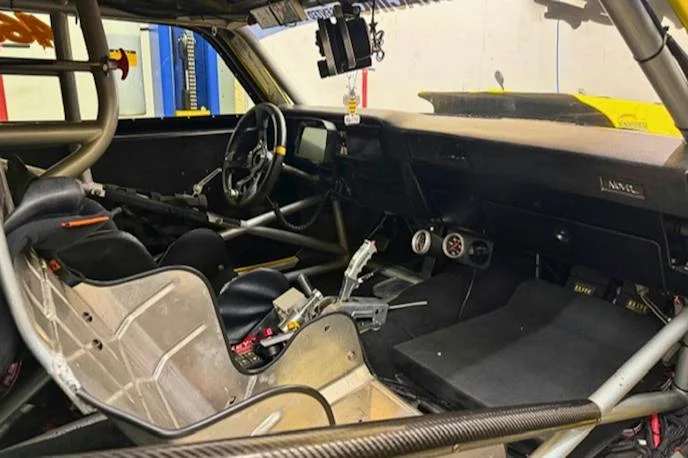
Rebuilding for the Street
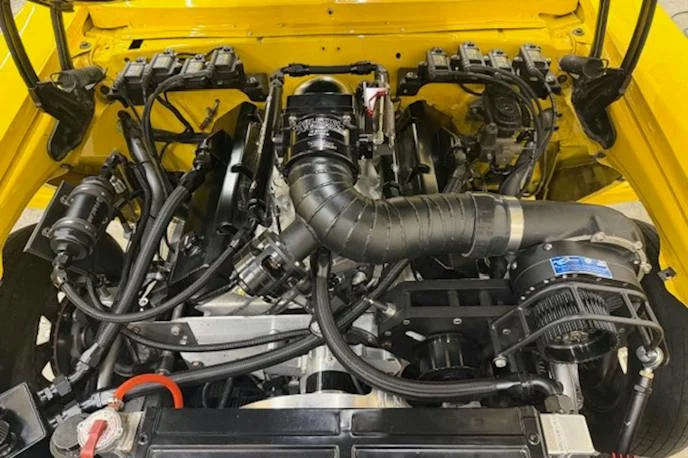
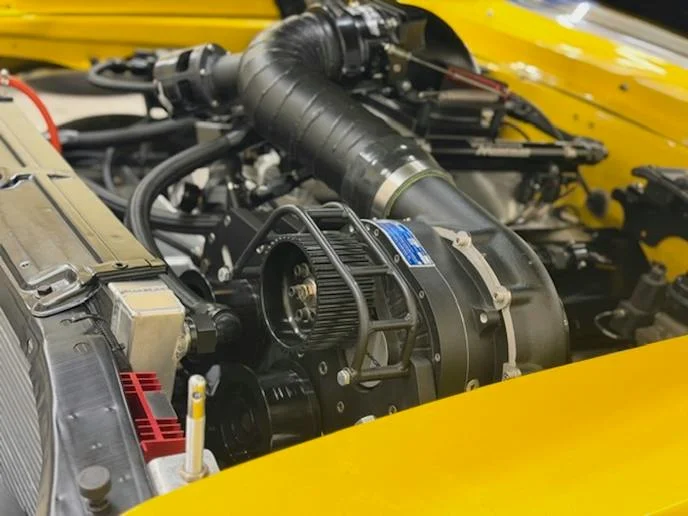
The new setup centers on a 615-cubic-inch engine paired with a smaller F1X ProCharger. Rather than running a huge amount of boost, the plan lets the big-block's displacement do most of the work, with roughly 15 to 20 psi adding on top. The engine is built to run on E85 pump fuel, and John expected it to make around 1,500 rear-wheel horsepower.
The more interesting part is that the supercharger can be disengaged. Run naturally aspirated, the engine is a calmer setup for cruising and long drives, and it puts less wear on the blower and uses less fuel. John plans to run in the increasingly popular 5.30 index classes that are popping up across the eastern United States, and he's also looking at drag-and-drive events.
By 2026, the engine was ready for tuning. It uses a Knieriem bottom end and Airflow Research 385cc heads. John took the car to the Haltech dyno in Lexington, Kentucky, where the team made three naturally aspirated pulls with the supercharger disconnected. The goal was a solid base tune for street driving and longer trips.
Dyno Day
In that configuration, the 615 made 780 horsepower at the rear wheels. That's a lot of naturally aspirated power before the blower comes into play.
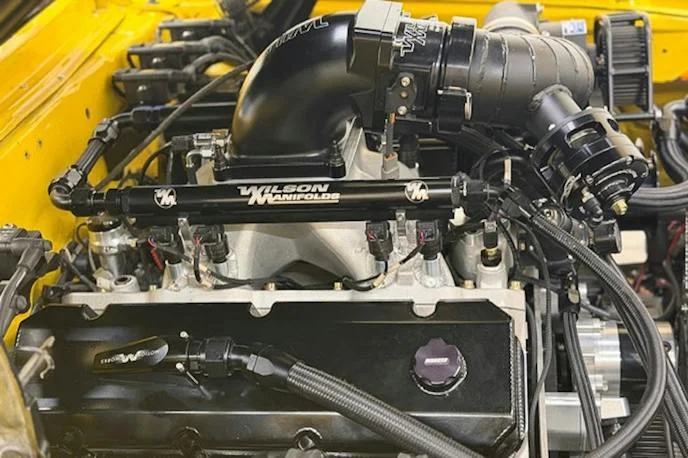
Then the supercharger went on. On the fourth pull, the Nova hit 1,511 rear-wheel horsepower, the number John had been chasing. The package includes an AFR intake and a Wilson Manifolds elbow and throttle body. Wilson also supplied the fuel rails and ported the intake, the camshaft comes from COMP, and the engine runs on Haltech EFI.
The first test session wasn't clean. The car ran lean, and the cause turned out to be a loose flex fuel sensor. That's been reconnected, and the car is close to its first track outing.
Think about the path this car has taken. John bought it as a teenager in 1989 for $650. It began as a modest 307-powered street car, became a nitrous-fed small-tire racer, grew into a 565-cubic-inch championship contender and at one point made more than 2,600 horsepower at the rear wheels with a ProCharger. Now it's being rebuilt to make 1,500-plus horsepower while returning to its street-car roots. That's a long road for one old Chevy.
More Than Elapsed Times
For John, the Nova has never been just a pile of parts or a way to post big numbers. It's the car that connected him to his father, his brother and a community of racers who became friends along the way.
After nearly 40 years, the Nova is back where it started, a yellow Chevy that a teenage John Warren drove to school. The difference is that it now has enough power to run with some of the quickest cars in the country. The real test is whether it does what his dad asked: be driven, enjoyed and taken somewhere, not just raced. Judging by the dyno numbers, it can do both.