F-Zilla's Cab Floors Get DEI Heat and Sound Coating
- Cargo
- Electric Vehicles
- Shipped
- Shipper
- Jim Campisano
- Readers
- 646
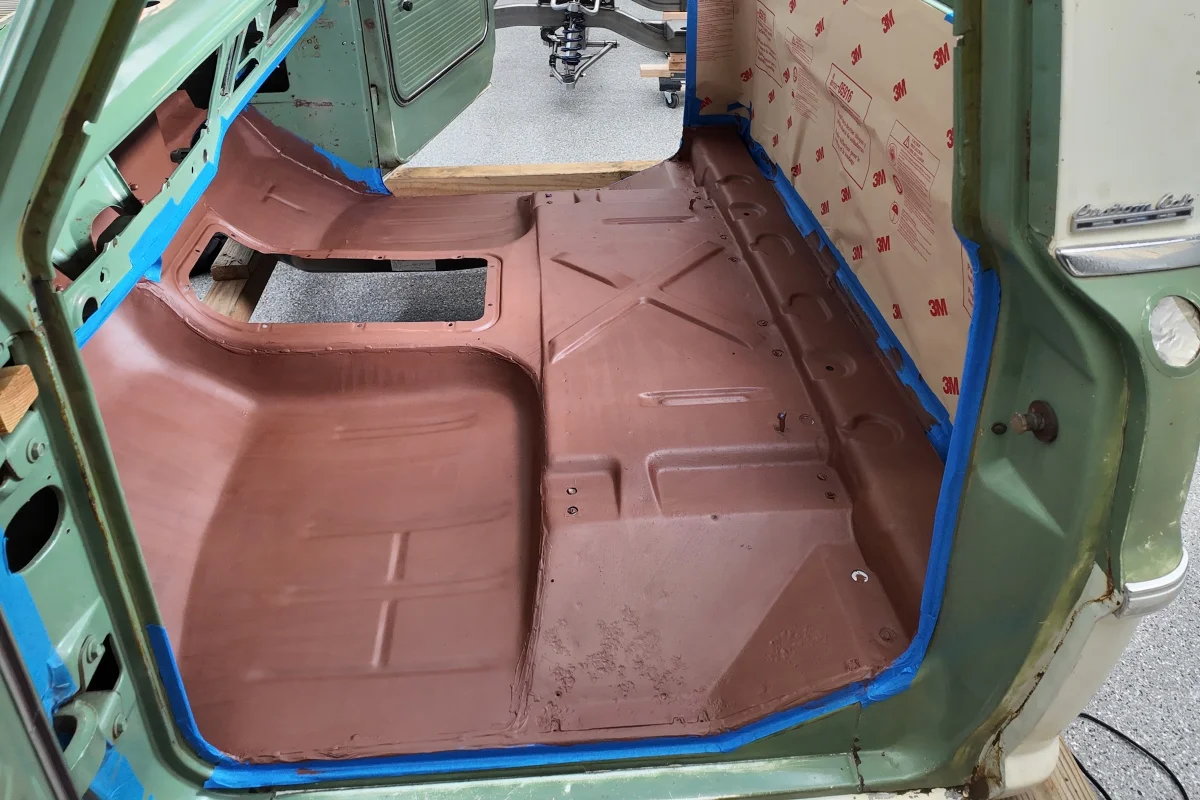
Project F-Zilla's new cab floors get a Red Oxide primer and DEI's ATAC heat and sound coating, with Boom Mat to follow later in the build.
Project F-Zilla, the 1969 F100 with a built Godzilla plant, is moving faster now. The Art Morrison Enterprises frame is in the shop, and the Ridetech coilovers are mounted. This round, though, the focus is the cab. The goal is a truck that's pleasant to cruise in on long nights, and that starts with the floors.
Starting From Bad Metal
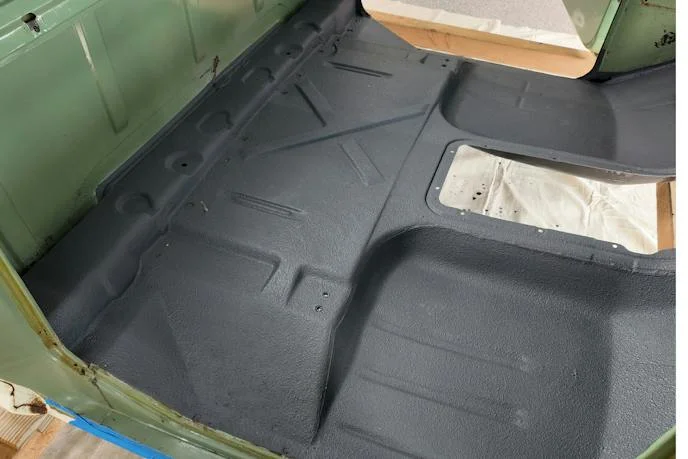
The floors were in rough shape when the project began. Shop manager Preston Rice replaced a lot of sheetmetal with body panels from Auto Metal Direct. With fresh metal in place, the floors were ready for primer and a sound and heat control coating from Design Engineering Inc.
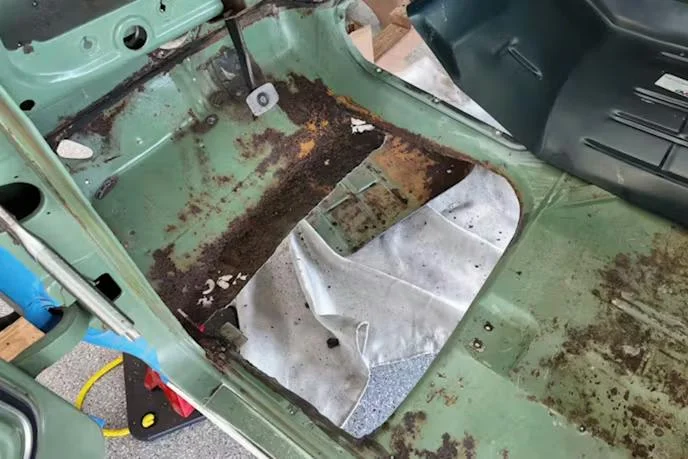
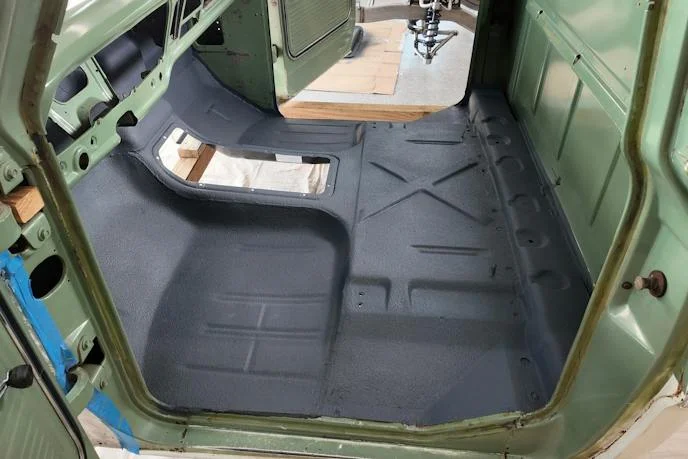
The cab isn't getting a full makeover. The back wall, inner kick panels and the rest of the interior keep their original factory green paint, so the truck keeps some of its patina. The gray floor is the exception. That's where the DEI products go.
The Products
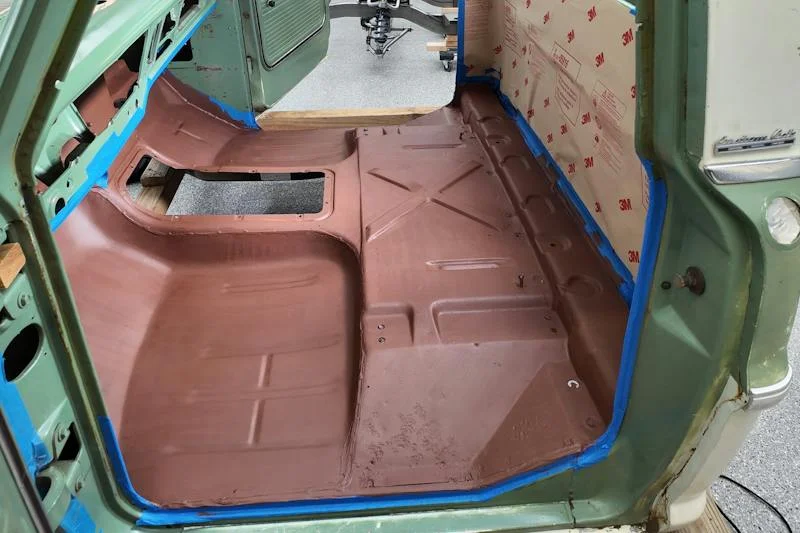
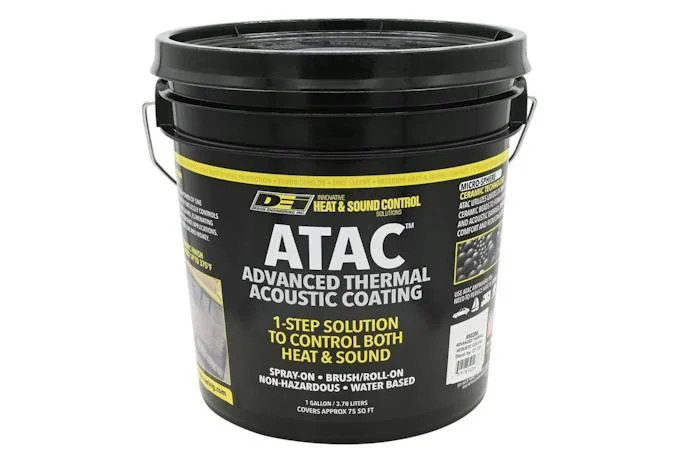
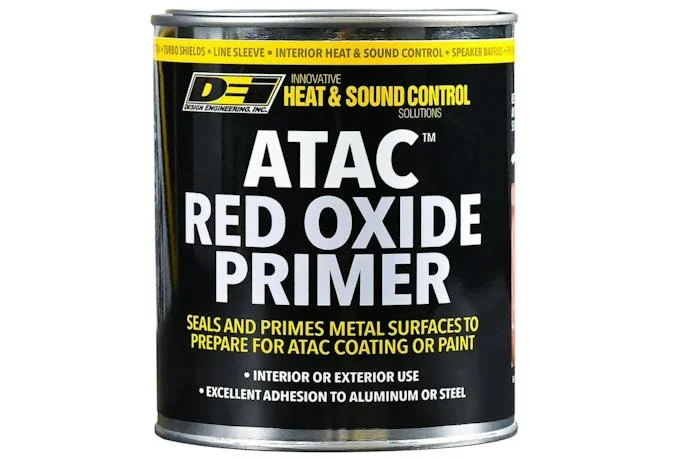
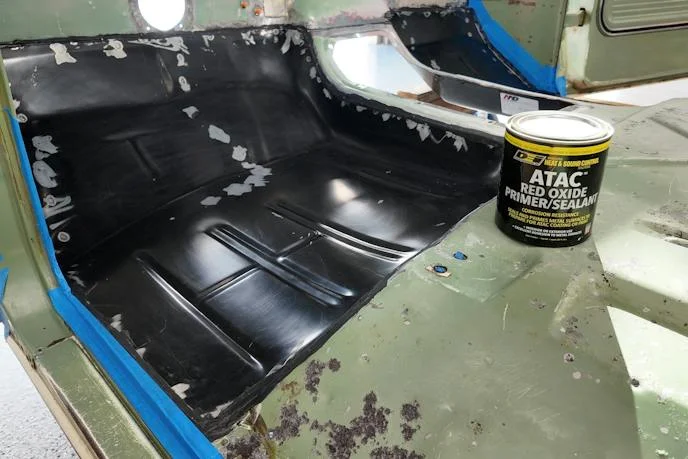
The first product is ATAC Red Oxide Primer. It's a water-based, 100 percent acrylic latex primer designed to seal and prime bare metal before the ATAC coating goes on. The formula has a high-solids zinc base with anti-corrosion additives, and the can says it's suitable for both interior and exterior use. It has good adhesion to most metals, doesn't need a topcoat (though most latex paints and coatings can go over it), and offers solid waterproofing and chemical resistance. Here, it went on by brush.
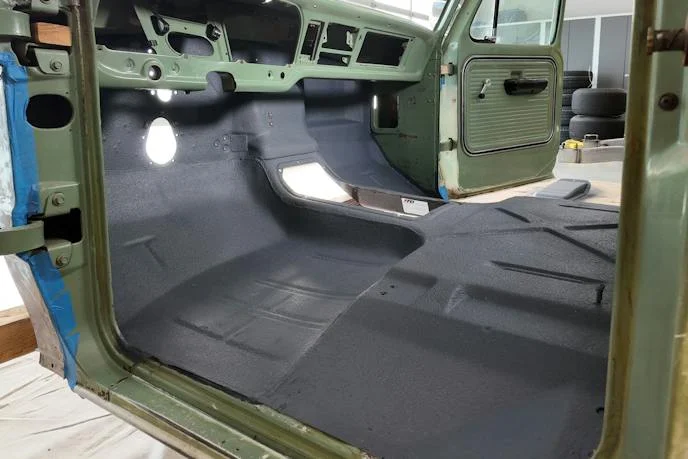
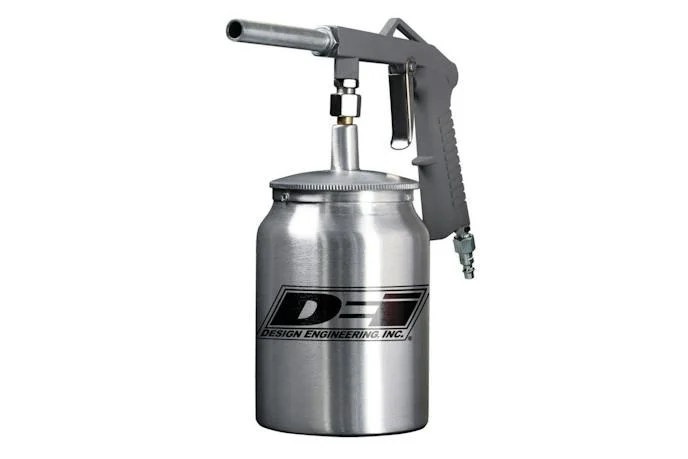
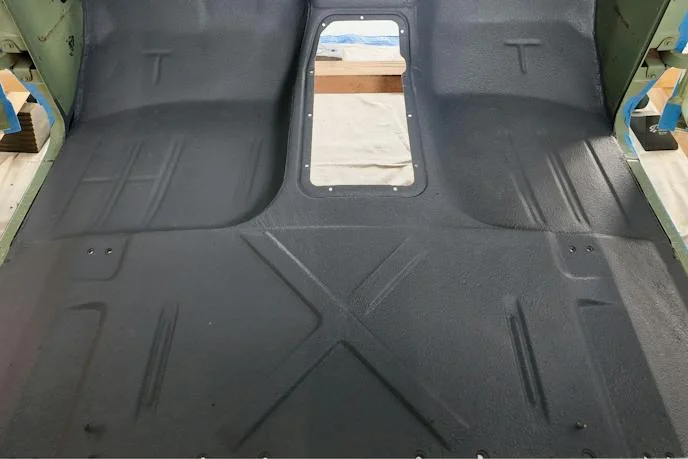
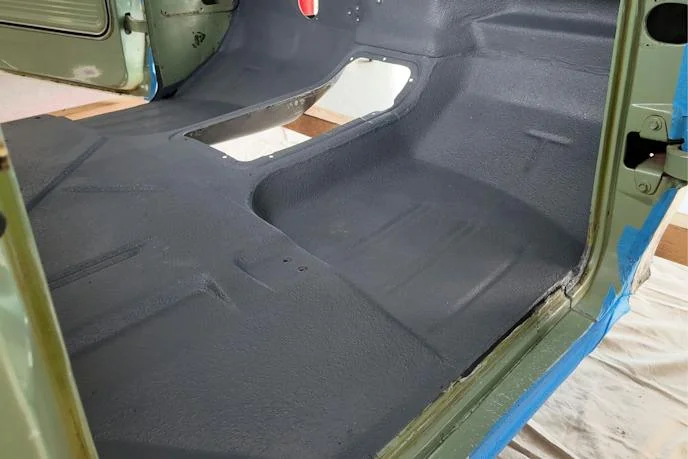
ATAC stands for Advanced Thermal Acoustic Control. The coating is a water-based paint meant to handle both heat and sound, and it can be sprayed, brushed or rolled. Once the primer had cured, Rice sprayed on the ATAC with a DEI spray gun. That gun has a larger discharge nozzle built for heavier coatings and thicker fluids, and it holds 25 ounces. DEI describes ATAC as a "revolution in automotive interior comfort," and the company says it reflects heat up to 375 degrees. One gallon covers roughly 75 square feet. Because it's water-based, cleanup is simple.
Prep Makes the Difference
Prep came first. Rice vacuumed the cab and masked off the areas that keep their original paint and patina. He then cleaned the floor with a degreaser spray and Scotch-Brite pads to remove surface rust, scale, oil, grease and other contaminants. A clean water rinse and a wipe-down finished the job.


The primer went on by brush and roller rather than the spray gun. The reason is simple: a brush gets into nooks, crannies and the area under the dash up to the belt line far better than a spray pattern does.
Once the primer dried, the spray gun did the rest of the work. Rice applied a roller and brush for full coverage in the tight spots, then sprayed the remaining area. The spray gun made quick work of the big surfaces.


What's Next
The team also picked up a supply of Boom Mat Vibration Damping Material. It's a premium damping product aimed at demanding applications, including stereo competition. Its peel-off plastic release liner, rather than a paper backing that tears, should speed up installation. The Boom Mat goes in later.
My read: the cab prep here is less about the paint and more about the sequence. Good metal, a proper clean, then a primer that seals before the coating goes on is what makes a heat and sound system last. Next up is the chassis, and that's where the stance of this truck starts to show.