GM's Patented Launch Control Would Read the Christmas Tree for You
- Cargo
- Electric Vehicles
- Shipped
- Shipper
- [email protected] (Justin Hughes)
- Readers
- 641
GM has patented launch control that uses cameras to read the drag strip Christmas tree and launch the car on its own. Here's why it matters.
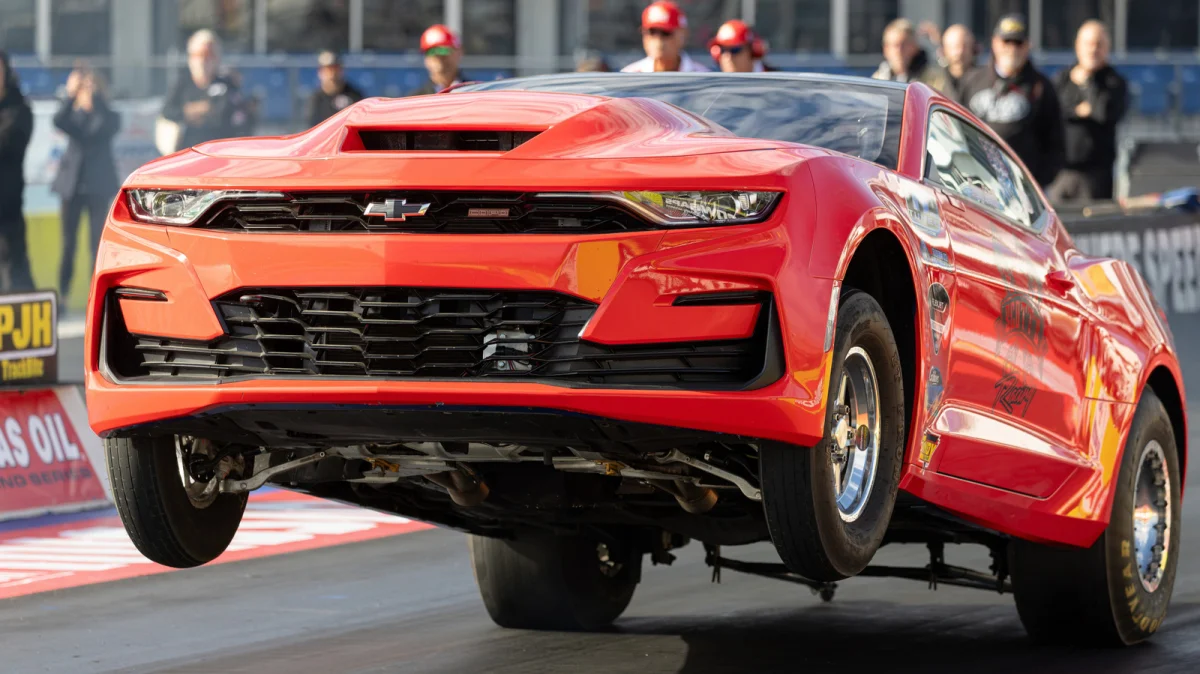
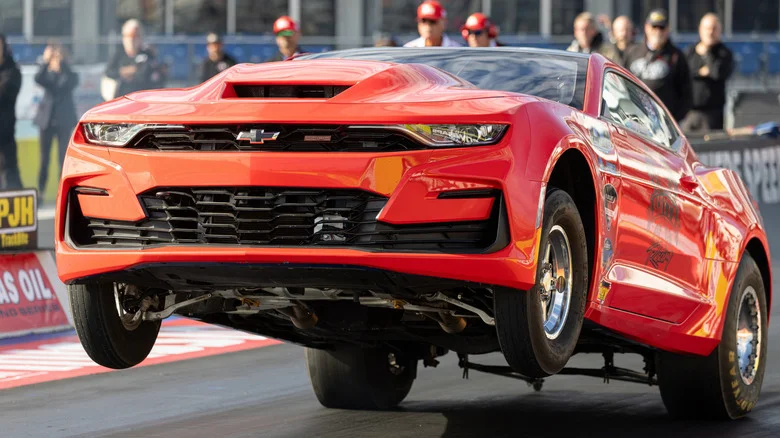
General Motors has patented a launch control system that goes past anything production cars offer today. Launch control already manages power and traction for a clean start. This filing would add the one piece drivers have always handled themselves: timing the light. The car would watch the Christmas tree, prompt the driver, and then start the run without any input from the driver's feet.
How the system would work
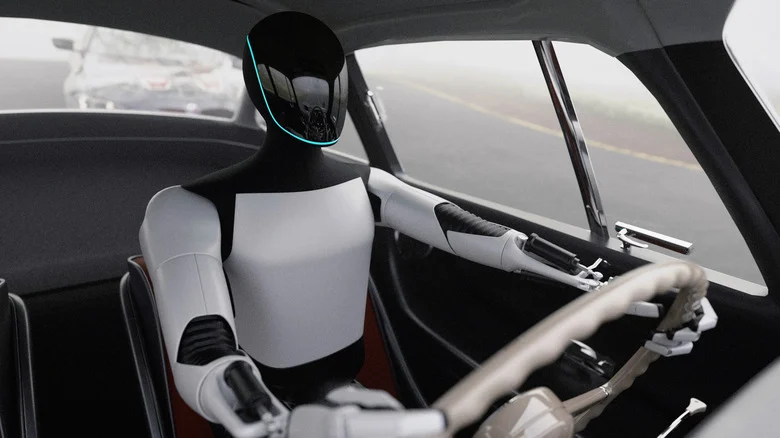
The mechanics aren't exotic. Current launch control systems balance engine output against grip so the car leaves the line with as little wheelspin and as little bog as possible. The missing link has been the timing, and cameras are the obvious fix. Modern cars already carry forward-facing cameras for driver assistance, so the hardware is largely in place. What's new is the logic that reads the amber and green lights and decides when to move.
The sequence described in the patent runs like this. The camera identifies the Christmas tree, and the system asks the driver to engage launch control. The driver presses the throttle and brake together, as usual. Then the driver lifts both feet, and the car takes over. Rather than waiting for green, the system can start the launch early enough to leave at the exact moment the light changes, avoiding both a red-light penalty and a jump start. That precision is the selling point. A computer doesn't flinch, and it doesn't anticipate the way a driver does.
Mark Fann/Shutterstock
What a patent does and doesn't tell you
Patents are a long way from showroom showroom features. A filing shows what a company wants to protect, not what it will ship, when, or on which models. Plenty of patented ideas never reach production, and the ones that do often arrive in a narrower form than the original drawings suggest. Nothing in the filing points to a launch date, pricing, or a specific model, and it's worth keeping that in mind before anyone starts planning a purchase around it.
The technical picture is still useful, though. It shows where the industry is heading. Once a car can see a traffic light and respond to it, the same sensing and timing logic could serve other tasks, from pulling away at a stoplight to managing a controlled start on a track. The drag strip is a convenient test case because the rules are fixed and the signal is simple. Real roads are messier, which is why this kind of work tends to start in tightly defined environments.
Why racing is a different argument
This is where I part ways with the idea. Automatic launch control solves a technical problem, and it does so cleanly. It also removes the thing drag racing has always measured: a driver's reaction time against the light. A good launch is a small, sharp contest between a person and a signal, and that contest is the sport's core. Take it away and the result tells you more about the sensors and software than about the person in the seat.
Drag racing has less braking and handling to worry about than a road course or rally stage, which means reaction and execution carry most of the weight. Strip out the launch and what's left is a car that goes straight in a line. Production cars already make that part easy. The skill that's worth watching lives in the sliver of time between the light and the throw of the throttle, and that's exactly what this system would automate.
Formula 1 offers a useful parallel. Driver talent is extraordinary at those speeds, yet cars are so consistent that many fans feel the racing has flattened out. Driver choices still matter, but they sit inside a narrow band set by machinery. Pushing the human further out of the loop, whether in launches or laps, risks making the result a referendum on engineering alone. That may be a fine thing to watch in a different format, but it's a different sport.
The counterargument deserves a hearing
Automation has real appeal for some drivers. Newer racers often struggle with consistent starts, and a system that never red-lights could help them learn the car's behavior faster. Some weekend runs are also mostly about getting a clean pass, and a machine could make that easier for people who just want to enjoy the strip. Those are legitimate reasons, and nobody should be forced into a particular way of driving. A launch aid used as a training tool or an option for those who want it sits differently from a system that replaces the skill altogether.
The fair question is whether drivers will be given the choice. If the feature becomes something a driver can switch off, the sport keeps its tradition and enthusiasts get a new toy. If it becomes the default in a class where human reaction matters, the results will say less about the people behind the wheel.
What to watch next
The next signal won't come from the patent itself. It will come from whether GM or its suppliers demonstrate the system on track, how it handles non-standard light sequences, and whether it appears in any performance-oriented model. Those are the details that will separate a clever filing from a feature a driver can actually use. Until then, my read is simple: the technology is interesting, the timing precision is impressive, and the drag strip is still better with the driver's foot on the pedal.
As a certain James Bond villain once said, "There's no point in living if you can't feel alive." I'll take that over a perfect light every time.