Picking One Automaker for Life: Why Subaru Earns My Pick
- Cargo
- Electric Vehicles
- Shipped
- Shipper
- [email protected] (Lalita Chemello)
- Readers
- 331
Asked which carmaker you'd drive for the rest of your life, one editor picks Subaru for its manual WRX, all-wheel-drive grit and long-lived cars. Would you?

Ask people which car brand they'd stick with forever and the answer says more about how they drive than about their badge loyalty. Loyalty is real, and it's built on small things: how a steering wheel feels after a decade, whether the next model still does what the last one did, and whether the brand keeps making the kind of car you bought in the first place. Stretch that across a whole driving life and the question shifts from horsepower to what a company keeps doing when nobody's watching.
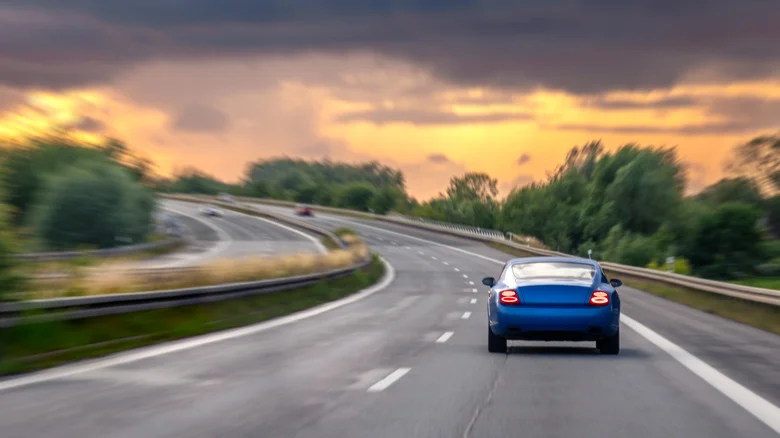
My read is that most buyers underestimate how long they'll be behind the wheel. Someone who buys at 30 could be driving for half a century, through several cycles of fuel types, technology and personal taste. That's why I'd treat this as a long-term test rather than a shopping exercise.
Loyalty also has a logic beyond habit. Owner loyalty tends to follow brands that keep delivering on what made them appealing, and those brands have every reason to keep faith with the drivers who return. That feedback loop is what makes a lifetime commitment feel less like a gamble.
Why Subaru is my first choice
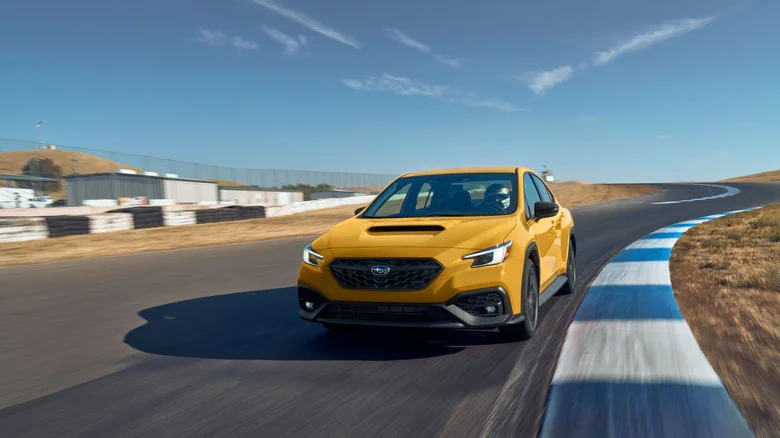
Subaru was the first name that came to mind, and it's in contention for the spot my Mercedes CLS will eventually need to fill. I've got a few years before that decision lands, but the Subaru case is already strong. Its vehicles have long been on my shortlist because they handle pavement and dirt with genuine competence. That dual personality is the attribute I value most, and it's where my Mercedes has struggled. I once took it on an outdoor dirt-biking trip into the mountains. It made it, but a Subaru would have been the better tool for the job.
Much of that comes down to Subaru's all-wheel-drive identity. It's the thread running through the lineup, and it's what turns a practical crossover into something you can point at a gravel road without second-guessing yourself.
Heritage in a crossover-heavy lineup
Subaru's catalogue is now mostly crossovers, and that's the segment where many brands have let their character slide into anonymity. Subaru has held onto something different. It has continually offered a sedan with a manual transmission, and the current example is the WRX, which remains available with a stick. That's rarer than it should be. A brand that keeps a clutch pedal in its most driver-focused car is signaling what it values, and for someone planning decades ahead, that signal matters more than any single spec sheet.
The brand's personality also shows up in less obvious places. Subaru's presence at auto shows across the country is known for its adoption-focused displays with dogs, which is a small thing. It also says a lot about a company that wants owners to feel like part of a community rather than just customers.
Durability is the real test
I've spotted plenty of Subarus in the wild with well over 300,000 miles, dinged and faded but still running. That's anecdote, not a controlled test, but it's the kind of evidence that counts when you're planning a multi-decade commitment. Long-lived cars depend on maintenance history, climate, and how they were driven, so no single model guarantees a long life. What helps is a design that tolerates neglect and a brand that keeps parts flowing.
That second point is where a lifetime pick gets tested. Brands in this position typically face the hardest questions in their later years, when older models need parts that have been discontinued and independent shops have to figure out repairs without factory guidance. A brand that keeps its engineering consistent makes that job easier, and it's a big reason I'd weight durability and parts continuity above showroom features.
The case against my own pick
There's a counterargument I can't dismiss. Electrification will reshape almost every automaker's lineup over the next several decades, and a brand that's strong on mechanical all-wheel drive and manual gearboxes today may look very different once its platforms change. Subaru's identity is built on a particular set of hardware. Whether that identity survives the shift is the question I'd watch most closely. Keeping faith with one brand for life means trusting that it will still be recognizably itself in 2060.
Your turn
So here's the challenge. Pick one brand, past or present, for the rest of your driving life. Would you stick with an automaker that no longer exists? I'm curious how you'd keep a defunct car running for the next few decades, and I suspect the answer involves a parts drawer, a stubborn mechanic and a lot of ingenuity. Owners who've kept old cars alive have always found a way. Tell me yours, and tell me whether Subaru makes your list.