FAA Sets 2028 Deadline to Retire Floppy Disks in Air Traffic Control
- Cargo
- Electric Vehicles
- Shipped
- Shipper
- [email protected] (Ryan Erik King)
- Readers
- 504
The FAA will replace 1980s-era floppy-disk systems at 435 sites by the end of 2028, as fiber outages and a $30 billion funding request raise the stakes.
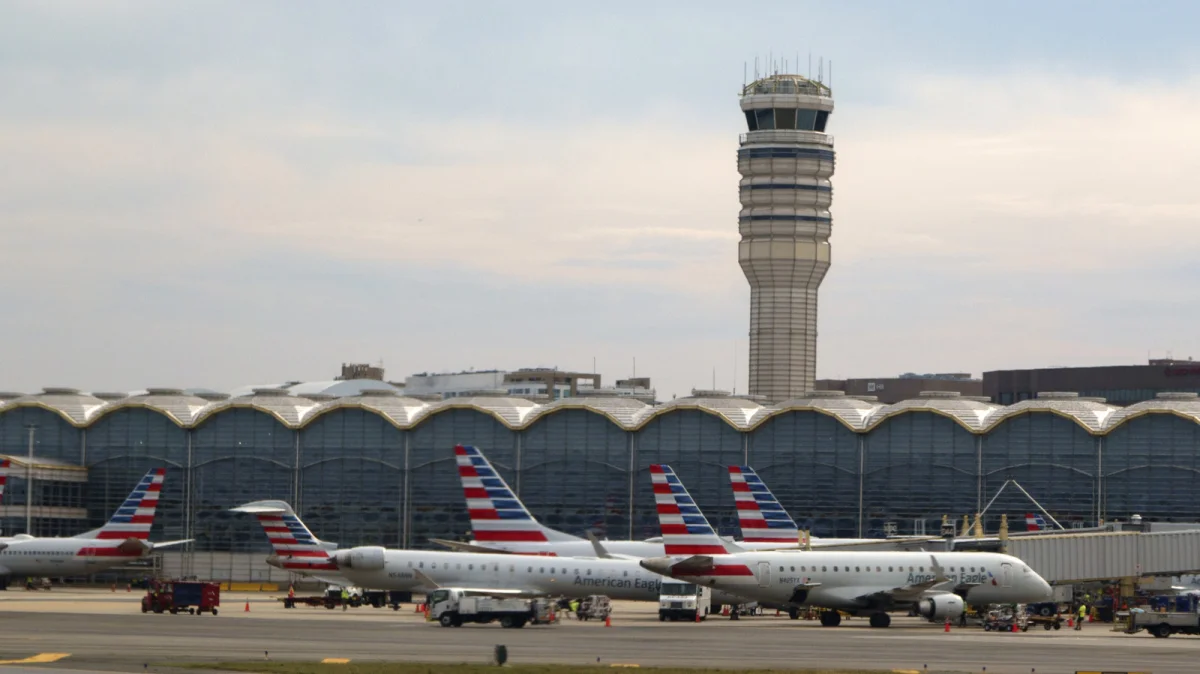
Floppy disks are one of those technologies most people assume disappeared a generation ago. The FAA is only now moving to retire them, with a target of removing 3.5-inch floppy disks from air traffic control facilities by the end of 2028. The agency announced the plan Thursday, and it's a useful signal of how much of the system still runs on hardware that predates the modern internet.
What's actually being replaced
The FAA plans to swap four legacy systems, some dating back to the 1980s, for the Enterprise Information Display System, or E-IDS. The rollout covers 435 locations. Some sites have already made the switch: Atlantic City International Airport, Nashville International Airport, Greater Rochester International Airport, and a pair of data processing hubs in Atlanta and Salt Lake City are running the new system.
The old setup was getting harder to keep alive. Per Reuters, parts for the aging equipment have become scarce enough that the agency has turned to eBay to find spares. Some air traffic control hardware still runs on Compaq computers with Windows 95, and the last major floppy disk holdout, Sony, stopped making the media in 2011. When your critical workflows depend on a storage format that no mainstream manufacturer produces, every failed component becomes a sourcing problem before it's a technical one.
FAA Administrator Bryan Bedford framed the change around speed and shared information:
"E-IDS gives air traffic controllers the information they need to make timely decisions and keep the flying public safe. We're moving away from outdated, manual processes and replacing technology that once relied on floppy disks with a modern system that allows controllers to instantly share critical flight alerts, restricted airspace schedules and pilot reports across the National Airspace System."
That last point matters more than the nostalgia angle. Moving flight alerts, restricted airspace schedules and pilot reports from physical media to a networked display means a controller at one facility can see what's happening elsewhere without a phone call or a manual relay. That's the actual upgrade here, and it's a bigger deal than swapping out a 1990s-era disk drive.
The bigger problem is the network underneath
Floppy disks are the easy headline. The harder story is the fiber-optic plant that connects these facilities, and it has been failing in ways that ground traffic. Two fiber-optic cables have been severed in the past two months.
In September, a major circuit blew at the Philadelphia Terminal Radar Approach Control facility, which is the TRACON that handles approach traffic for the region. The backup system then failed too, which is exactly the scenario a backup is supposed to prevent. The cause of the second failure was a construction crew from NJ Transit that inadvertently cut the backup system's fiber-optic cable, which runs alongside Amtrak's Northeast Corridor and links the facility with Newark Liberty International Airport. The result was an hours-long ground stop at Newark and other New York City area airports.
A similar incident hit Houston's George Bush Intercontinental Airport in October, and that ground stop lasted 90 minutes. Two separate outages in a few weeks, both tied to cable that sits in shared transit corridors, point to a fragility that no amount of new display hardware fixes on its own. A controller with a modern screen still needs the data path to be intact.
The money question
The cost of the modernization push keeps climbing. The $12.5 billion allocated to the project under the reconciliation package President Donald Trump signed, nicknamed the "Big, Beautiful Bill," was clearly not the final number. Transportation Secretary Sean Duffy requested an additional $30 billion in September. Alongside facility upgrades, that request would also fund development of AI-based air traffic control tools.
Here's the thing: facility upgrades and AI tools aren't the same kind of project. Replacing aging displays and rebuilding redundant fiber routes is largely about known hardware and known failure modes. AI tools for traffic management involve software validation, certification questions and a much less settled set of requirements. Bundling them into one funding conversation makes the budget harder to judge and easier to inflate. Aviation safety is a serious priority, and it deserves a budget that's easy to follow.
What to watch
The 2028 deadline gives the FAA a clear finish line, but the milestones that matter will be the ones between now and then: how many of the 435 sites get E-IDS in practice, whether backup fiber routes are physically separated from the transit corridors that keep getting cut, and how the funding request is split between hardware and software. My read is that the floppy disk retirement is the easy part. The network reliability and budget discipline will decide whether the system is actually modern when the deadline arrives.