2027 Toyota RAV4 Woodland Adds Ground Clearance and NACS Plug-In Charging
- Cargo
- Electric Vehicles
- Shipped
- Shipper
- [email protected] (Logan K. Carter)
- Readers
- 909
Toyota's 2027 RAV4 Woodland gains an inch of ground clearance, and every plug-in model now gets an NACS port with DC fast charging. Prices rise $400 to $755.
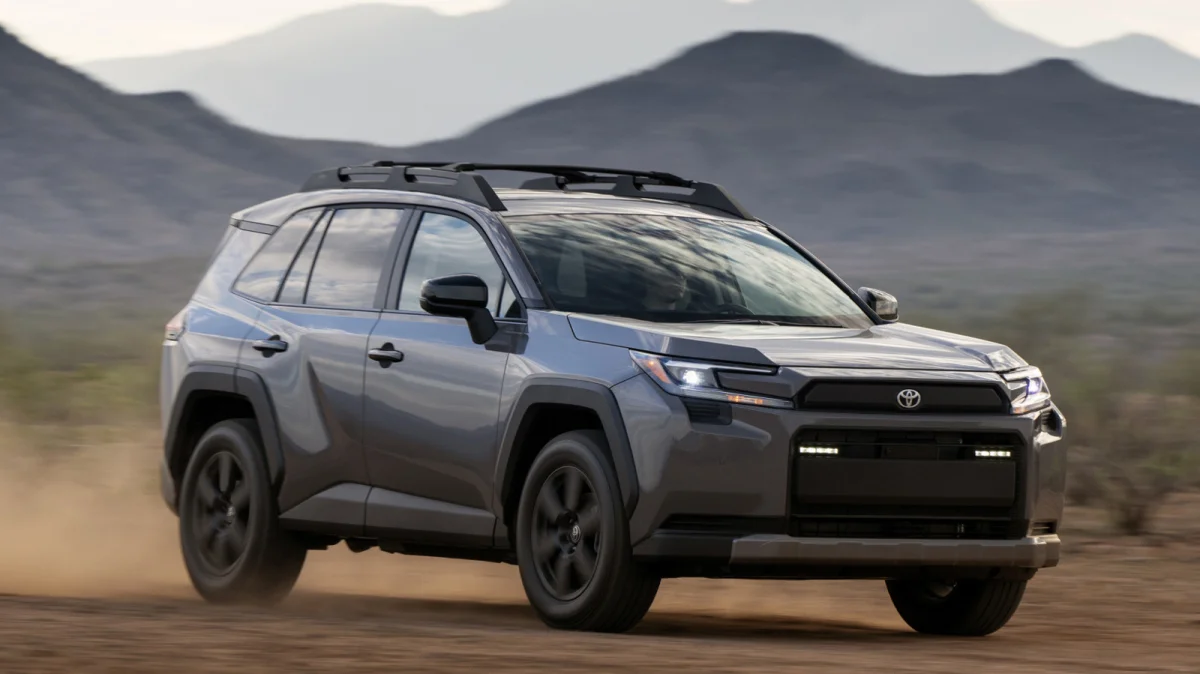
Toyota's second-year changes to the RAV4 are modest, but two of them will matter to people actually shopping for one. The Woodland gets an inch more ground clearance, and every plug-in hybrid now has an NACS port with DC fast charging. The price increases are small, and most of the changes point toward the trims buyers are most likely to cross-shop.
Woodland gets taller and costs more
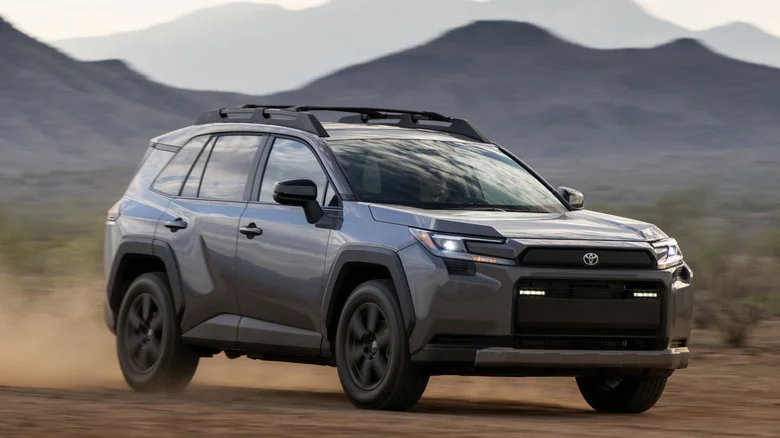
The Woodland's suspension has been reworked with new springs, shocks and jounce bumpers. Those parts lift ground clearance to 9.1 inches, a one-inch gain that's noticeable on a spec sheet and on a rutted trail. Toyota also redesigned the all-weather floor mats, which is the sort of detail owners tend to appreciate after the first muddy week.
That lift isn't free. The 2027 Woodland starts at $42,250, which is $755 more than the 2026 model. Its city rating drops by 1 mpg, to 40, while highway (35 mpg) and combined (38 mpg) figures hold. Those numbers still look strong for a lifted, all-wheel-drive crossover, but a buyer who drives mostly in town will feel the difference at the pump.
For comparison, the Subaru Forester Wilderness Hybrid sits 0.2 inches higher than the Woodland. That's a rounding error on most trails, so the choice between the two will come down to pricing, cabin preference and how each handles a long road trip, not ground clearance alone.
The plug-in Woodland tells a more mixed story. Its electric-only range falls 3 miles, to 46 miles. City fuel economy drops 3 mpg, to 38, but highway economy rises 1 mpg, to 35, and the combined rating stays at 37 mpg. Here's the thing: a plug-in buyer who mostly commutes on pavement may barely notice a 3-mile range change, since that's a small slice of a typical daily drive. The buyer who wants to lean on electric power for most errands will still see a capable number.
Every plug-in gets NACS and faster charging hardware
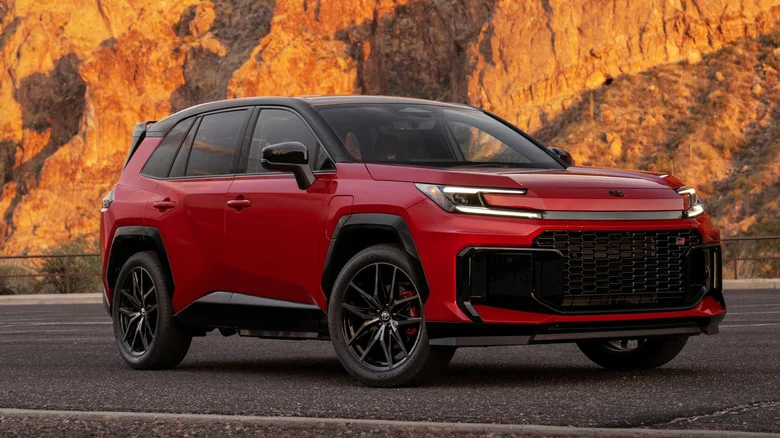
This is the change with the broadest reach. The 2026 RAV4 GR Sport plug-in hybrid was the odd one out, offering weaker charging capability than the rest of the plug-in lineup. For 2027, that gap closes. All plug-in RAV4s now get an NACS port for the first time, and the GR Sport gains DC fast-charging capability along with the 11-kW onboard AC charger the other PHEVs already had.
The practical payoff is access. NACS is the connector used across a large share of North American charging networks, so a plug-in owner gets a port that works with more stations without carrying an adapter. Pair that with DC fast charging on every trim and the RAV4 PHEV lineup becomes far more consistent for road trips and public charging. Toyota says every PHEV RAV4 can now charge from 10% to 80% in about 35 minutes, the same timing as last year, so the gain here is in hardware parity and port compatibility rather than a faster headline number.
The GR Sport's electric-only range drops 3 miles to an estimated 45 miles. That's a small concession for a trim that finally catches up on charging, and it still lands in the same ballpark as the rest of the plug-in lineup. Other changes support the same goal of easier everyday use. All PHEVs now place the charge port on the driver's side, which simplifies parking at public chargers, and every RAV4 gains a standard backup camera washer.
Pricing, equipment and availability
Toyota has held price increases to a narrow band. Trims rise between $400 and $755 over 2026. The cheapest 2027 RAV4 is the front-wheel-drive LE, now $33,895, up $400. The cheapest plug-in is the all-wheel-drive SE at $43,695, which is $600 higher than last year. Neither jump is dramatic, and both trims stay within reach of the buyers Toyota is targeting.
All-wheel-drive RAV4s also gain Multi-Terrain Select with Rock & Dirt and Mud & Sand modes. Those settings matter more to people who actually leave pavement than to commuters, but they add a layer of capability that didn't exist in the same form before. The Woodland's suspension and these drive modes work together in a way that makes the trim more credible off-road.
Timing is staggered. The 2027 RAV4 hybrids should reach dealers later this year, and the plug-in models follow early next year. Buyers weighing a PHEV will need to be patient, while those who want the hybrid can get into a 2027 sooner.
What to watch
My read is that the most meaningful change here isn't the extra inch of clearance. It's the NACS port and DC fast charging arriving across the entire plug-in lineup. That makes the PHEV a more consistent proposition for owners who depend on public chargers, and it removes the awkward exception that the GR Sport represented for 2026. The Woodland's trade-offs are small and easy to predict. If you're deciding between trims, look at how much you'll really use the extra clearance and the plug-in range, and whether the charging hardware matches the way you'll actually use the car.