Reader Cars That Defied Their Reliability Reputations
- Cargo
- Electric Vehicles
- Shipped
- Shipper
- [email protected] (Collin Woodard)
- Readers
- 559
Reader stories show why a bad reputation doesn't always match ownership. Panameras, Fiats, WRXs and a few Italian oddballs held up well over years of driving.
My used Ducati Monster should have been a money pit. It had over 20,000 miles, no pre-purchase inspection, and a history I knew little about. Apart from replacing the front fork seals, I did nothing to it while I lived in the Los Angeles area. The previous owner had clearly loved the bike and looked after it, and that seems to be the common thread in a lot of these stories.
Anyone who knows motorcycles knows Monsters are dependable. Everyone else sees the bright paint, the aggressive styling and the Italian badge and assumes the bike lives in the workshop like an 1980s Lamborghini. That gap between reputation and reality is what got me curious. Surely I wasn't the only owner whose supposedly risky purchase turned out cheaper and more trouble-free than expected.
So I asked readers for their examples, and the response was bigger than I expected. Some of the stories were emotional, some were funny and a few were blunt about the bad reputations those cars carry. Here are the ones that stood out.
Porsche Panamera
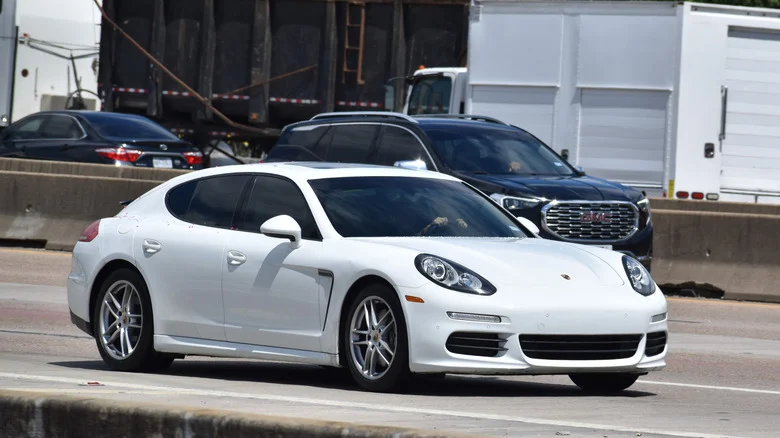
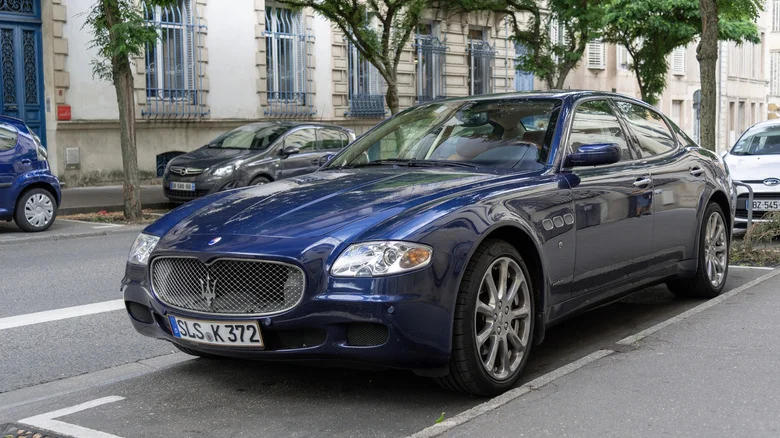
One owner's 2014 Panamera 4 has been, in their words, rock-solid. Routine maintenance was the only work it needed. Porsche parts and service aren't cheap, and the owner admits that, but doing their own oil changes has brought the running costs down. The same reader also owns two Abarths, one of which they still autocross. That's a reminder that reliability and enthusiast driving can coexist, which is the point the owner drove home with a line I'd happily steal: fun and reliable don't need to be an oxymoron.
Alfa Romeo Milano
Alfa's reputation is almost a punchline, so this one was fun to read. A reader has daily-driven an 1987 Milano for seven years and says it has been off the road for maybe two weeks total, mostly for optional upgrades. The neighbor with a Toyota pickup of the same era, meanwhile, has logged about 7,000 fewer miles than the Alfa over the same decade because of constant problems. Sometimes the reliability argument depends entirely on which car you're comparing.
Subaru WRX
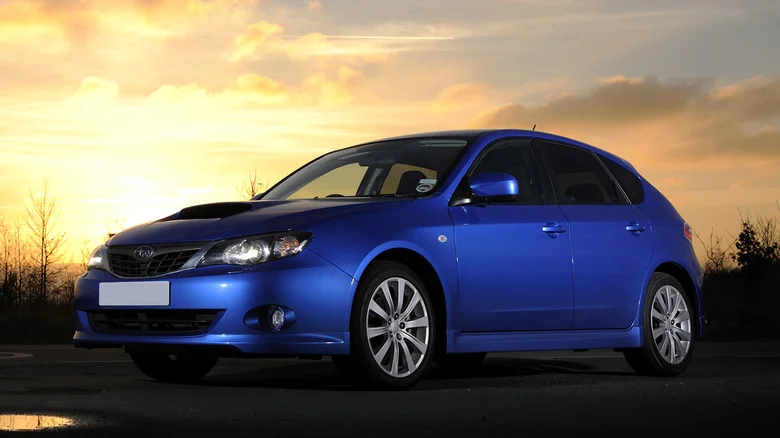
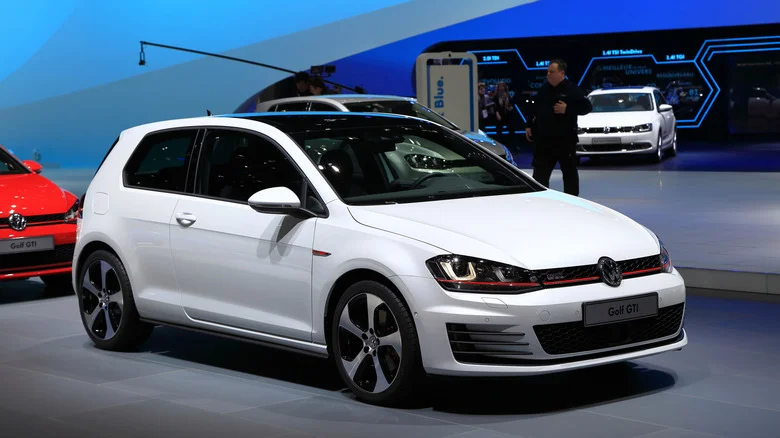
A 2011 WRX has covered more than 170,000 miles and is still running, even though it was built during the ring land issues that gave the engine its bad name. Plenty of buyers would have walked away from that car. This owner kept it, and it's still going in 2026.
Dodge Durango
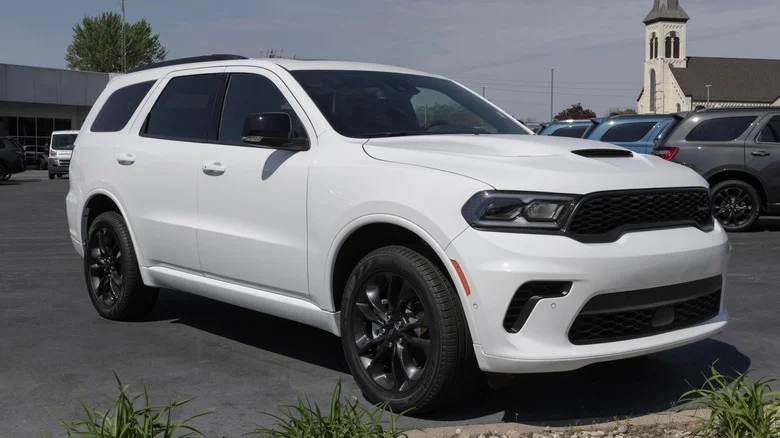
A 2017 Durango R/T bought as a dealer demonstrator with 5,000 to 6,000 miles has now passed 203,000. The owner says it has never left them stranded. The one scare came when a local shop botched a valve cover gasket replacement around 175,000 miles, causing an oil leak. The shop redid the job at no charge. The owner's worry now is that Dodge quality has slipped since the pandemic, which makes them reluctant to buy new. That's an interesting twist, since many buyers assume the opposite about older Chrysler products.
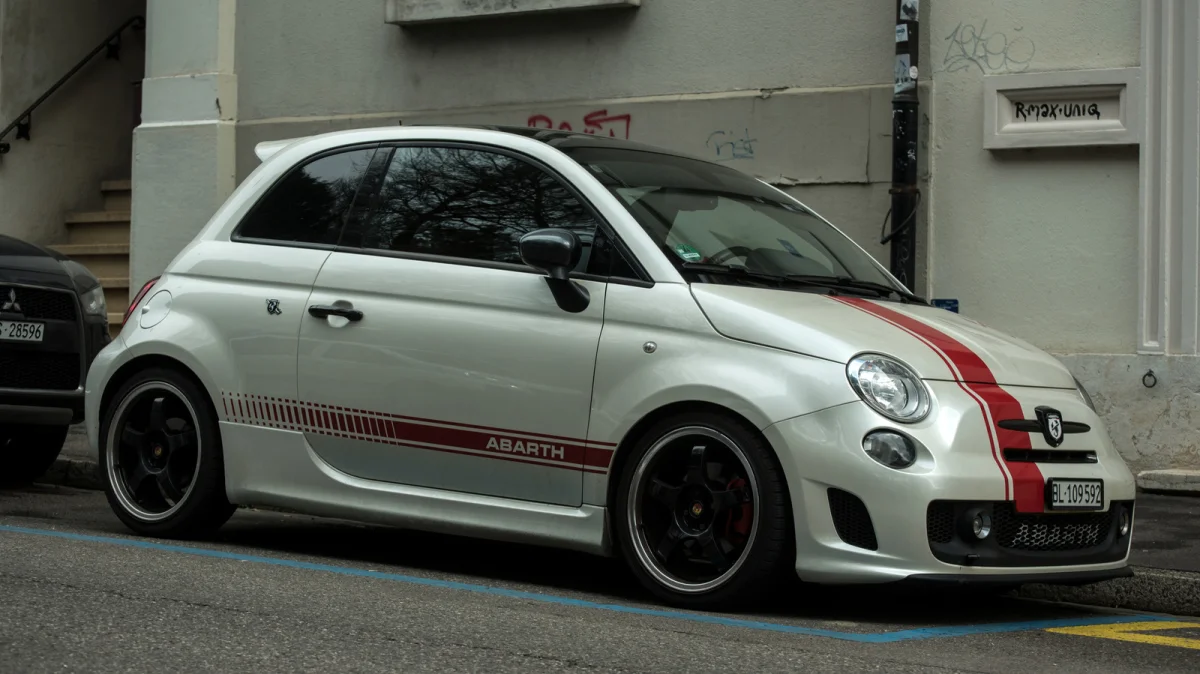
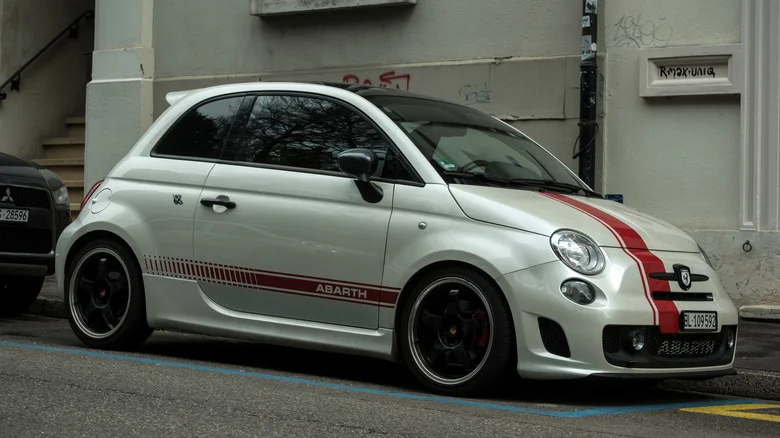
Fiat 500 and 500 Abarth
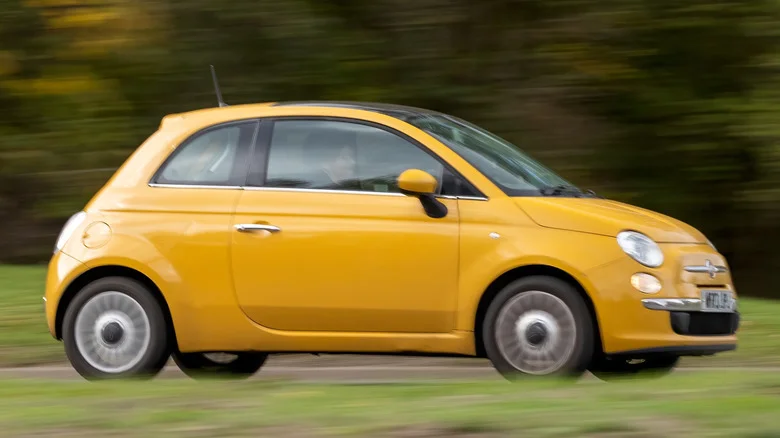
A 2013 Fiat 500 Pop bought with 1,300 miles became a daughter's first car. The family sold it with about 87,000 miles and almost no trouble. The only failure was a broken driver's armrest, with everything else falling under typical maintenance. Another reader reported 14 years with a Fiat 500 Abarth and no problems at all, joking that the car's name stood for "Fix It Again Tony." Small Fiats have a rough reputation, so this is a useful counterpoint.
Maserati Quattroporte
Used Maseratis are the classic example of a purchase that looks like it should go wrong. One reader's father has owned two secondhand Quattroportes. The 2015 served from 2018 to 2025, reaching about 100,000 miles with only a significant brake job around 70,000. The interior felt dated by the end, since it used Chrysler-sourced parts from the early 2010s, but the mechanicals still seemed solid. The 2022 he bought last year is expected to last even longer.
The catch is depreciation. The first car was bought for around $50,000 and traded in the high teens, a steep drop over seven years. Another reader bought a 100,000-mile 2007 Quattroporte for under $10,000. The car came with a 16-year maintenance history from its previous owner and has had no problems, though the rear backup sensors don't work. Cheap entry prices and steep depreciation tell you a lot about who's taking the hit.
Volkswagen GTI
A 2016 GTI bought new earned trust from an owner who had previously spent 13 years with a Porsche 944. That reader was skeptical of German cars after the 1990s, but the GTI has been very reliable. That experience was enough to buy a 2024 Tiguan and add a tune right away without worrying about the warranty.
Porsche Boxster
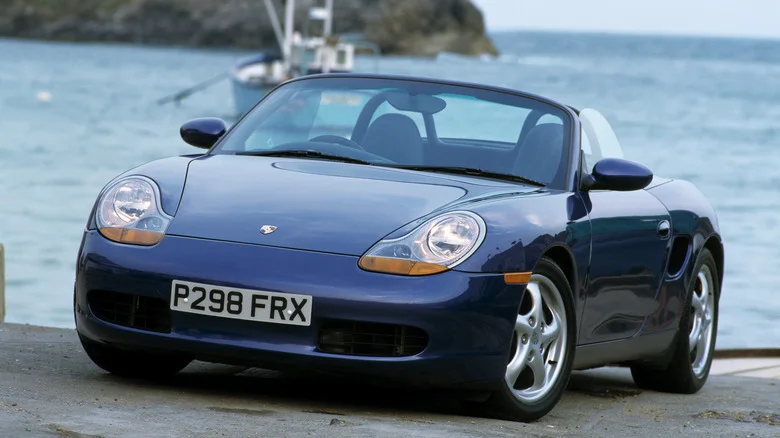
A 2000 Boxster has needed very little in 11 years of ownership. The owner replaced the water pump and the air-oil separator and kept up with normal service. The car also sees hard driving and some autocross, which makes that record more impressive.
Fiat 124 Sport Spider
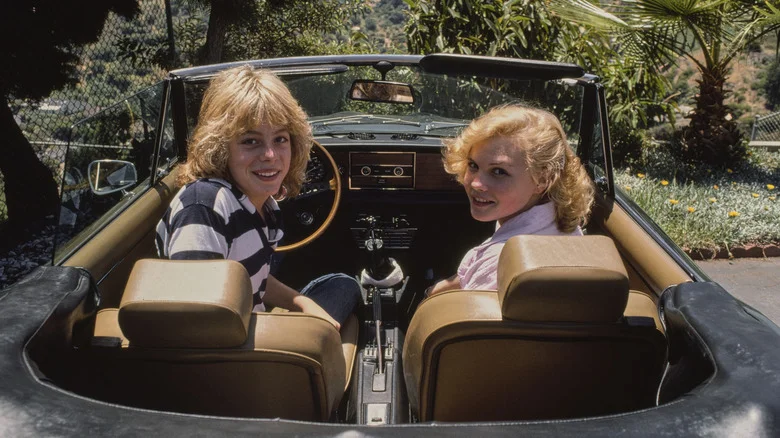
A 1978 Fiat 124 Sport Spider has been in one family for 20 years, and the current owners are the third. The reader knew the reputation going in, but the car was rust-free and too attractive to pass up. On one morning when their Honda Accord wouldn't start, the Fiat cranked right up and got them to work.
BMW M3 E46
A supercharged E46 M3 bought sight unseen in 2019 has been used as a drift car ever since. The owner has had the oil analyzed every spring, and the reports keep coming back clean. The reader thinks rod bearing failure in these cars is overstated, and the oil data gives them something concrete to point to.
Taken together, these stories point to a pattern. Ownership history, maintenance records and the cars' condition at purchase often matter more than the badge. A used car with a documented history and a previous owner who cared about it can beat a reputation that looks bad on paper. That doesn't mean every Italian, French or American car will hold up. But when you're weighing a purchase that seems risky, the reader experiences here suggest that the reputation and the real ownership costs don't always match.