Leclerc Edges Past Hamilton in 2026 Athlete Marketability Rankings
- Cargo
- Electric Vehicles
- Shipped
- Shipper
- Samarth Kanal
- Readers
- 520
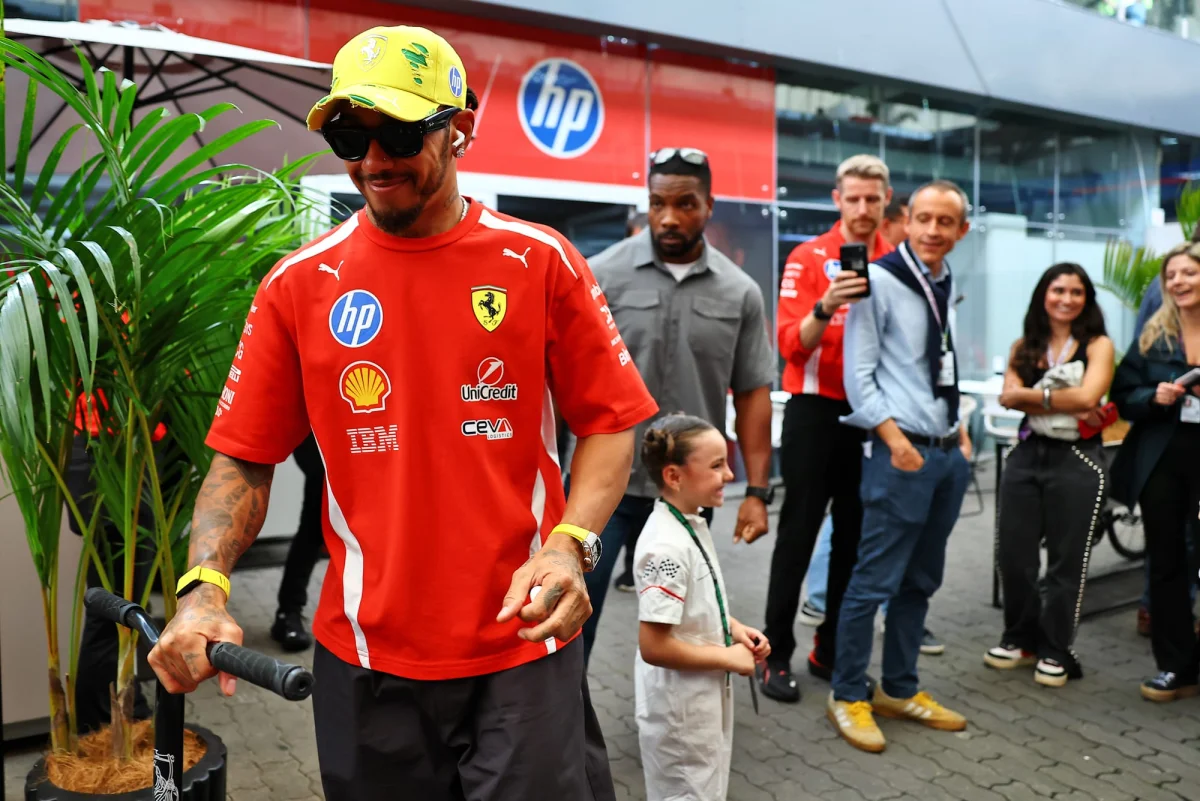
Hamilton has dropped to 22nd in SportsPro's 2026 marketability list, behind Ferrari team-mate Charles Leclerc, who ranks ninth. Here's how the scores break down.
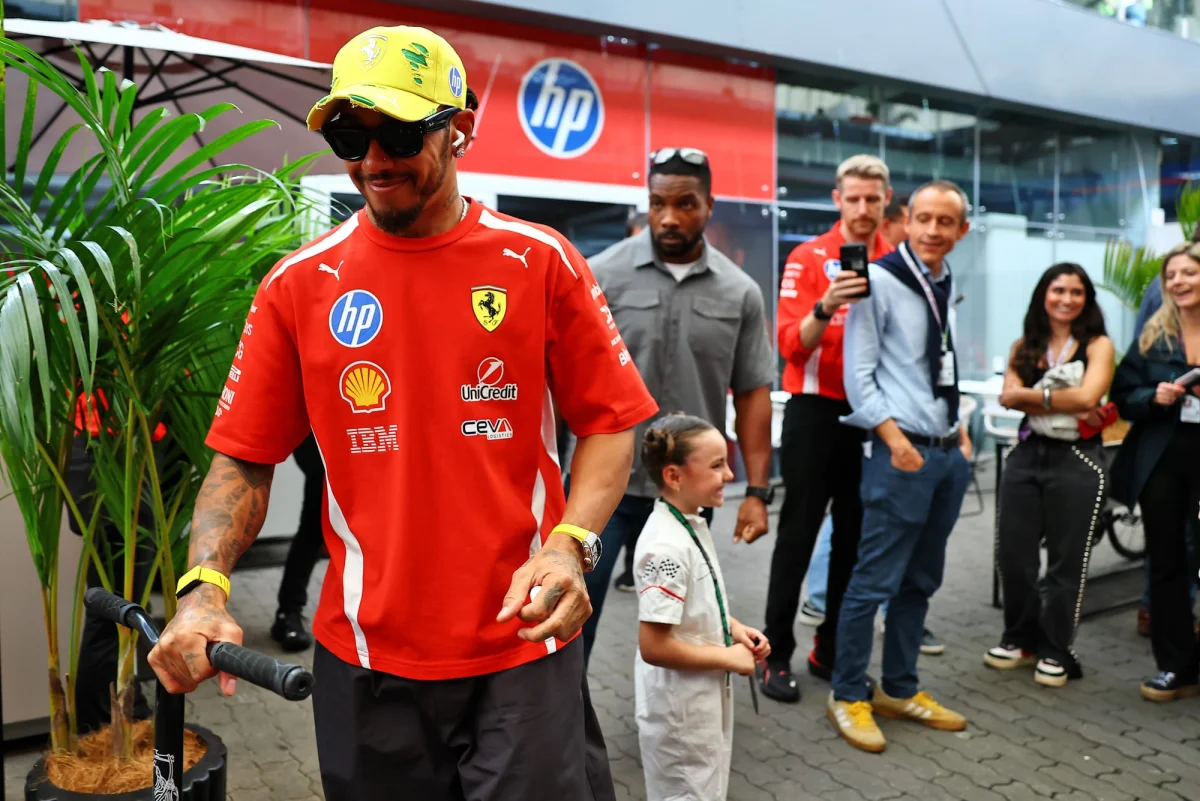
Lewis Hamilton has lost his top spot in SportsPro's latest marketability rankings. He's now 22nd among athletes, and Charles Leclerc, his Ferrari team-mate, sits well ahead of him in ninth. For a driver who topped the 2025 list with a score of 96.03 out of 100, the drop is steep. It also says more about how the ranking weighs an athlete's career stage than about any collapse in Hamilton's profile.
Where the drivers landed
Hamilton's 2026 marketability score is 66.63, which puts him level with footballers Neymar and Vinicius Junior. Leclerc scored 71.12, up from 25th a year ago when he posted 75.03. Leclerc's rise is the headline for Ferrari fans, but the score itself is what matters here. He's clearly the stronger commercial proposition on this measure right now.
Max Verstappen is the next-highest driver, climbing to 48th from 81st. Lando Norris, the 2025 world champion, has slipped to 78th, which leaves him behind McLaren team-mate Oscar Piastri at 56th. Norris was 41st in last year's list, so that's a meaningful fall for a driver who just won the title. Kimi Antonelli, the new champion, is the lowest-placed F1 driver still inside the top 150, at 126th. He dropped 48 places from 78th.
Outside Formula 1, MotoGP's Marc Márquez is the only other motorsport athlete on the list, at 86th. That keeps him five places above Alpine's Pierre Gasly, who sits at 91st. Toni Breidinger and Liam Lawson both fell off the list entirely after appearing in 2025. Belarusian tennis player Aryna Sabalenka tops the overall rankings, ahead of Eileen Gu, Giannis Antetokounmpo, Erling Haaland and Carlos Alcaraz.
What the score actually measures
Here's the thing: the number isn't a popularity contest. SportsPro's rankings, built by NorthStar, combine three elements: brand equity, momentum and commercial trajectory. Those are drawn from "several hundred data points" and more than 3,000 brand deal records covering July 1, 2025 to June 30, 2026. Brand equity captures the strength and trust of an athlete's personal brand. Momentum measures how fast that value is rising. Commercial trajectory estimates how much room an athlete has left to grow commercially. That last metric carries the smallest weighting of the three, and all scores are relative, so each athlete is positioned against the rest of the field.
Look at the breakdown in the table below and the gap makes more sense.
| Rank | Athlete | Brand Equity | Momentum | Trajectory | Score |
|---|---|---|---|---|---|
| 9 | Charles Leclerc | 39.68 | 19.85 | 11.59 | 71.12 |
| 22 | Lewis Hamilton | 34.98 | 28.36 | 3.29 | 66.63 |
| 48 | Max Verstappen | 33.67 | 16.53 | 10.25 | 60.45 |
| 55 | George Russell | 32.45 | 22.46 | 4.39 | 59.30 |
| 56 | Oscar Piastri | 32.56 | 13.80 | 12.87 | 59.23 |
| 78 | Lando Norris | 23.33 | 19.42 | 13.11 | 55.86 |
| 86 | Marc Márquez | 22.60 | 21.70 | 9.70 | 54.00 |
| 91 | Pierre Gasly | 26.81 | 25.22 | 1.52 | 53.55 |
| 126 | Kimi Antonelli | 19.43 | 26.17 | 4.51 | 50.11 |
Leclerc leads Hamilton on brand equity, 39.68 to 34.98, and he also scores higher on commercial trajectory, 11.59 to 3.29. Hamilton's edge is momentum, 28.36 to 19.85, and that's the category where his recent activity counts for him. In other words, Leclerc's brand is stronger and has more untapped commercial headroom, while Hamilton's value is growing faster from a smaller base of future opportunity.
Why age is pulling Hamilton down
Trajectory is where time bites. At 41, Hamilton shares the title of oldest athlete on the list with Cristiano Ronaldo and LeBron James, and the trajectory measure is designed to reward runway. Leclerc is 29. That difference explains a lot of the ranking gap without suggesting Hamilton's audience has moved on.
NorthStar president Chris Collins made that argument directly. He described Leclerc as having "one of the strongest established brands of any athlete in the world" and said he ranks second of all 247 athletes assessed on brand equity. Collins credited Leclerc's presentation, his personal story and "premium partners who keep choosing to work with him." He also pointed to Leclerc's audience, noting that his followers actively interact with his profile and that Formula 1 drivers generally benefit from a high audience breadth score thanks to their global profile.
On Hamilton, Collins was blunt. "What keeps him below the top 10 isn't his brand, it's time," he said. "At 41, there is naturally less career runway ahead, and a forward-looking assessment should read a great career in its later chapters exactly that way."
What this means for the F1 picture
My read is that the list rewards different things than the grid does. Hamilton's record is unmatched, but a marketability ranking looks forward as much as it looks back, and it weighs momentum and trajectory heavily enough that a veteran can slide while still being a strong brand. Norris's fall after a title-winning season is a useful reminder that championship results don't translate automatically into commercial value.
For teams and sponsors, the more useful signal is probably the spread among the grid's younger names. Antonelli's drop from 78th to 126th, despite his momentum score of 26.17, suggests that brand equity still takes time to build, even for drivers who are winning. Piastri's trajectory score of 12.87 sits above Hamilton's by a wide margin, which hints at how much commercial room the next generation still has.
Keep an eye on next year's list. If Leclerc keeps converting his brand equity into deals, and if Hamilton's momentum holds up, the gap between them could narrow or widen depending on which metric carries more weight in practice. Either way, this ranking shows that marketability is no longer just about who's winning races. It's about who's building a brand that brands want to keep working with.