Fiat 500 Halt at Mirafiori Looks More Like a Demand Problem
- Cargo
- Electric Vehicles
- Shipped
- Shipper
- Stewart Burnett
- Readers
- 665
Stellantis blames chips for the Mirafiori Fiat 500 stoppage, but its own timeline points to weak demand. Hybrid output is now seen near 60,000 units.
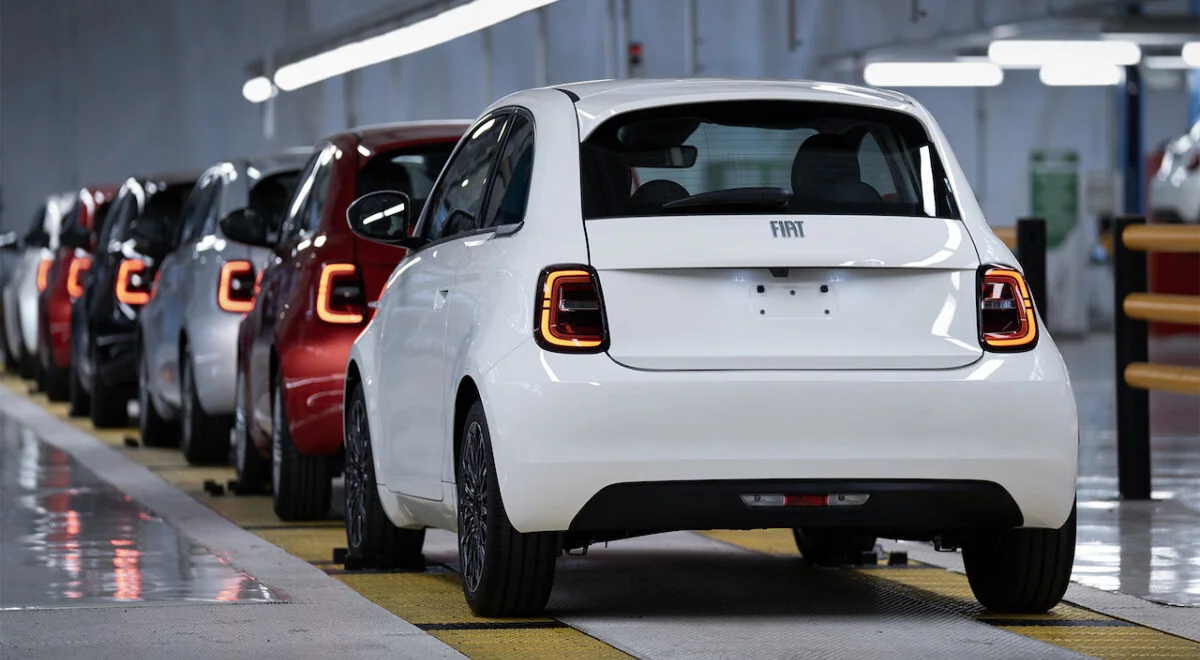
Stellantis has extended the idle period at its Mirafiori plant in Turin to a fourth consecutive week, with Fiat 500 production paused for 9-13 November. The company now points to a shortage of engine control unit chips. Its earlier explanation, though, suggests the car simply isn't selling fast enough to keep the line running.
Two explanations, one timeline
A Stellantis spokesperson told Reuters that the first two weeks of the stoppage, which started in mid-October, were driven by weak demand. Last week the company changed its story, saying a chip supply gap was causing "significant" disruption to Italian production of both the Fiat 500 and the Fiat Pandina. Mirafiori and Pomigliano now face possible temporary shutdowns into December, and about 1,400 workers at Mirafiori have been affected.
Gianni Mannori, leader of the FIOM metalworkers' union, called the component explanation "an alibi." It's hard to blame him for the skepticism. When Stellantis halted Mirafiori in early September, it attributed the stop to an engine component shortfall at Teksid's Carmagnola plant. The company said that plant couldn't keep up with stronger-than-expected hybrid demand. Within six weeks, the same model was idle again, this time because buyers were scarce.
What the volume numbers say
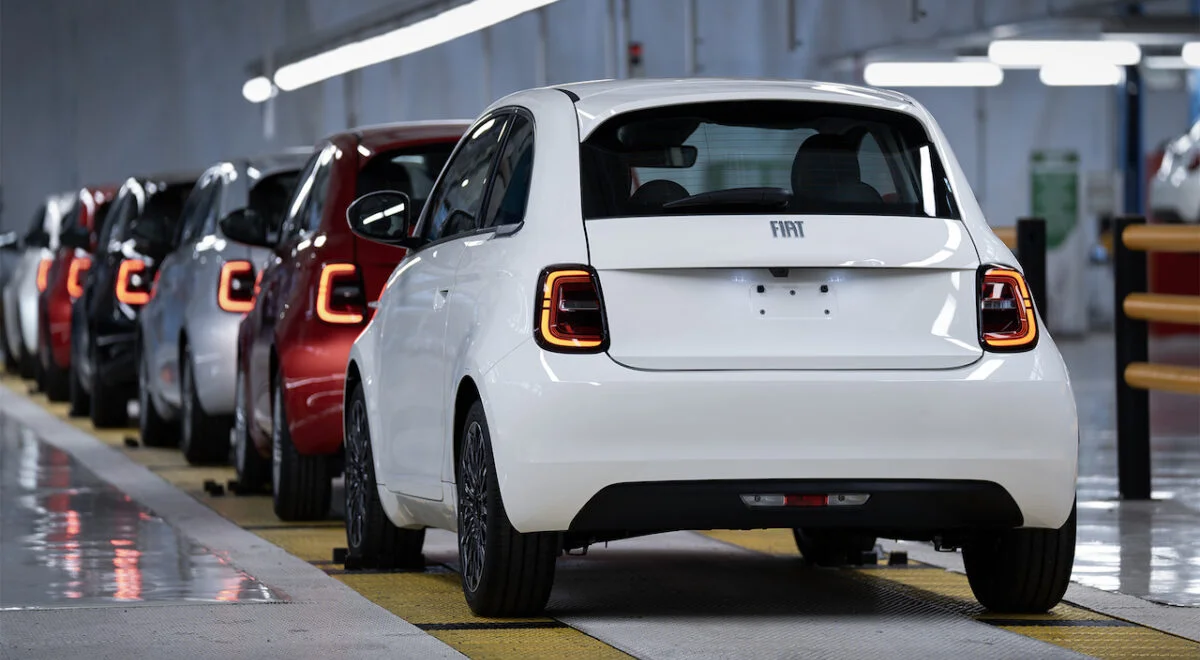
Hybrid Fiat 500 output is now expected to reach only about 60,000 units this year, against an original target of 100,000. That figure reflects a four-week summer stoppage, a September halt and a month-long autumn shutdown. Supply problems can explain a lost week or two. A model running at roughly 60% of its plan across a full year, with the manufacturer itself citing demand for part of the downtime, looks like a target that was never grounded in sales reality.
Here's the thing: this is what makes the story more than a single factory's bad run. Production planning for a niche-priced hybrid city car depends on order books holding up through the year. When the stop-start pattern repeats, dealers and suppliers both end up planning around a volume that doesn't materialise. Component shortages are real in the auto sector, but they are a convenient explanation when the underlying order intake is soft.
Italy's wider rebound has a narrow base
Stellantis's Italian production recovery looks better on paper. Output rose 28% to 340,745 vehicles in the first nine months of the year, putting the country on course for around 450,000 units in 2026. That follows a 2025 result that was the lowest since 1954. The problem is what's carrying the rebound. The Panda, the Jeep Compass built at Melfi and vans from Atessa account for most of the gain. Cassino's output is down 37.1%, and the hybrid 500 was meant to be the passenger car that widened that narrow base. Right now it isn't doing that job.
Hybrids are selling, just not from Italian plants
Demand for hybrids in Europe is not the issue. Chinese brands took one in four hybrid sales and one in three plug-in hybrid sales across Europe in August. Part of that momentum came from the EU's decision to focus its anti-subsidy duties solely on battery-electric models. Stellantis's own Leapmotor International joint venture grew EU sales by 211% year-on-year in the same month. None of that growth adds a single unit to Italian factory output. The customers are there, but the cars are being built elsewhere or imported.
That said, the dilemma cuts both ways. Stellantis has been reluctant to part with idle Italian capacity. BYD's talks over the Grugliasco plant near Turin ended with the site declared "not for sale," according to BYD European adviser Alfredo Altavilla. The Chinese company has since shifted its search to Spain and France. Stellantis is, in effect, holding onto capacity it can't fill, while potential buyers look at other countries.
What to watch
The next checkpoints are the December shutdown decisions at Mirafiori and Pomigliano, and whether Stellantis moves to adjust hybrid volumes or the production schedule. If the chip explanation holds, output should recover once supply normalises and orders keep pace. If the stop-start pattern continues, expect more pressure on the plant's workforce and a harder conversation about what Italian capacity is for. Either way, the Fiat 500 hybrid's 2026 numbers will show whether demand was the real constraint all along.