Toyota Corolla at 60: Six Decades of the World's Best-Selling Car
- Cargo
- Electric Vehicles
- Shipped
- Shipper
- Nik Berg
- Readers
- 318
Sixty years and 12 generations in, the Corolla still sells close to a million units a year. Here's how it got there and what the 2028 model could bring.
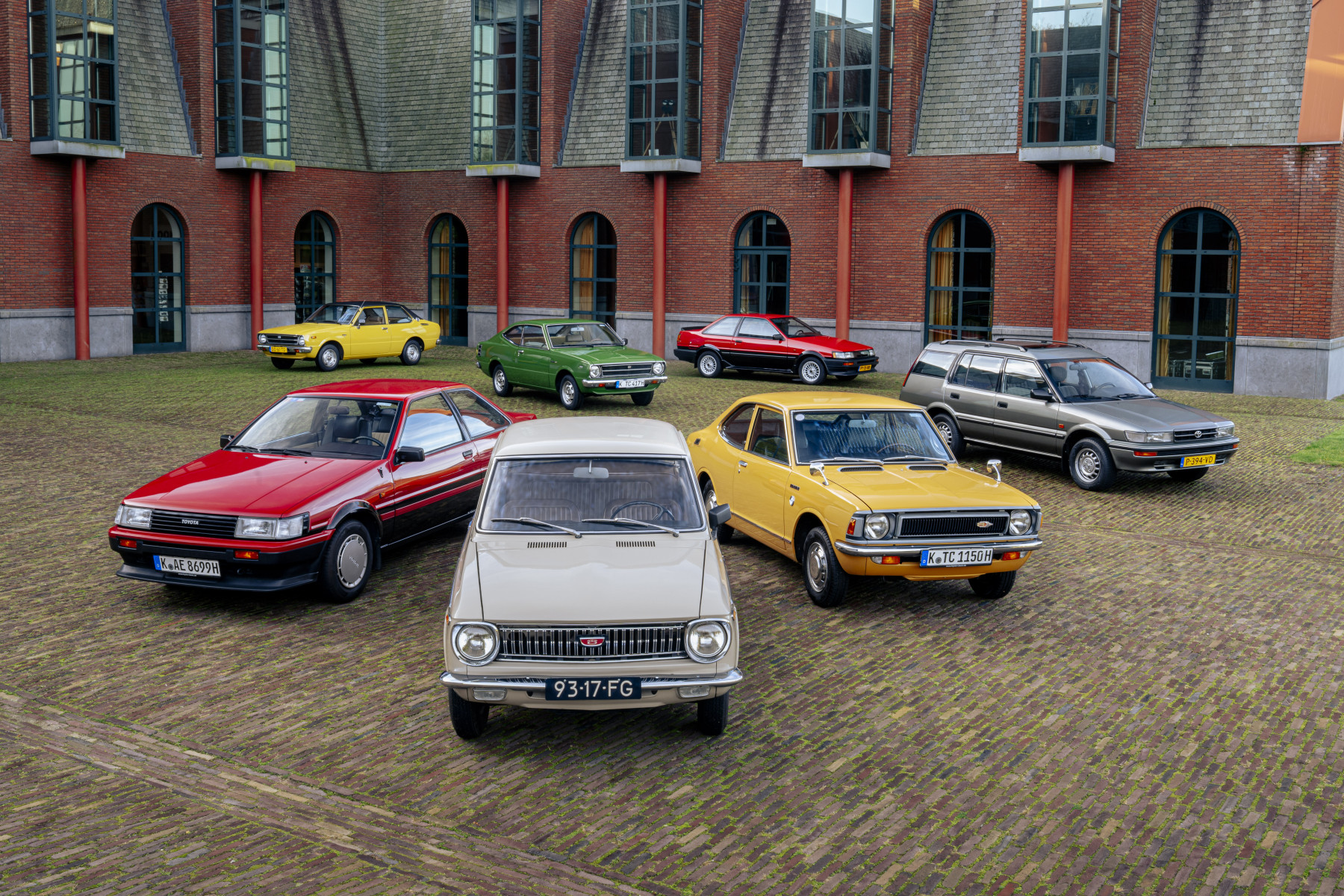
Almost one million Toyota Corollas have sold every year since the nameplate debuted in 1966. Across 12 generations, the car has found 57 million owners, and it's built in 14 factories across 11 countries. Few vehicles have ever matched that reach, and that scale is the real story behind the anniversary.
What's more interesting is how a car built to move the masses also picked up a loyal following among drivers who care about handling. The Corolla has gone from a mainstream commuter to a drift icon, a World Rally winner, and now a hot hatch. Here's a look at how that happened.
Built for the Masses, Engineered Properly
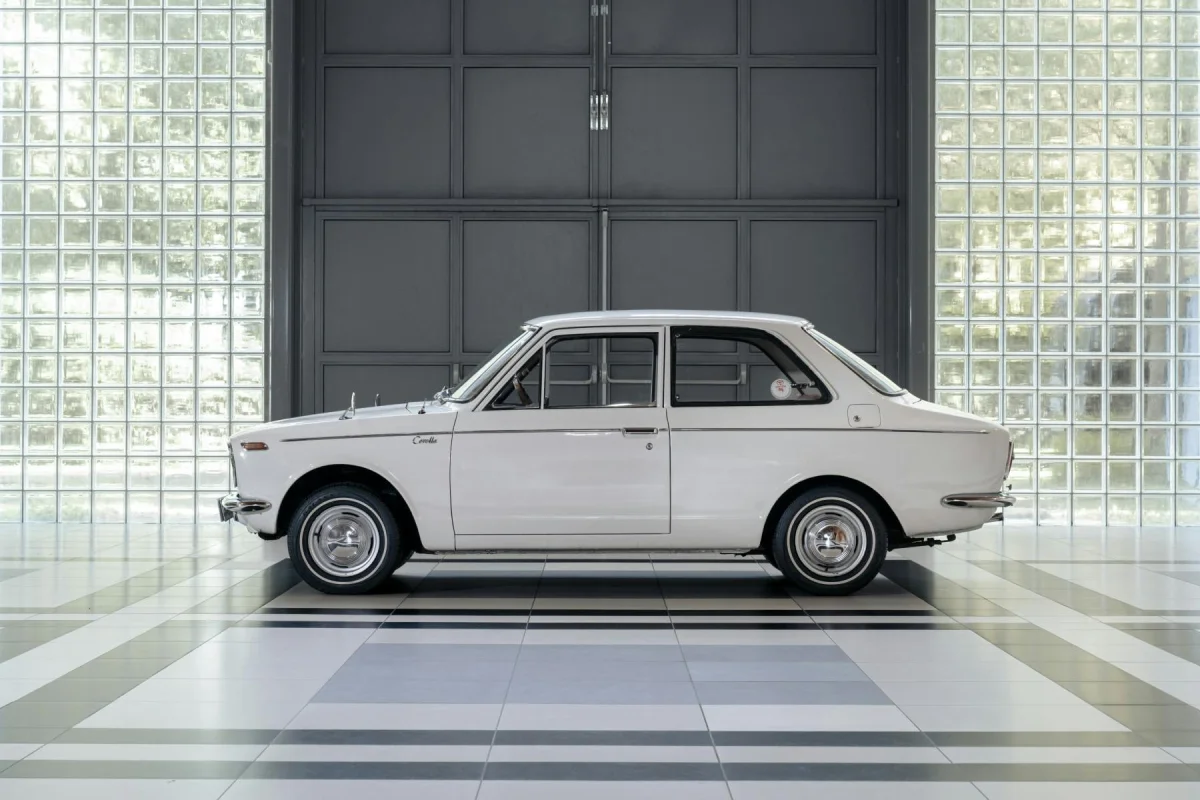
The first Corolla appeared at the Tokyo auto show, built from a 1962 concept and destined for the new Takaoka plant in Toyota City. Chief engineer Tatsuo Hasegawa aimed at an affordable car without cutting corners. Disc brakes, sports seats, multi-point seatbelts and two-speed wipers were all there. The 1.1-liter four-cylinder made 59 horsepower and sent its power to the rear wheels through a four-speed manual. The range started as a two-door sedan and quickly grew to include a four-door, a wagon and the Sprinter coupe. Within three years of its November 1966 launch, it was Japan's favorite car.
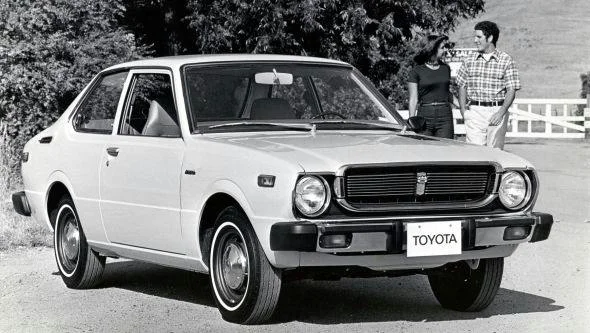
The second generation pushed past its first million in sales and added creature comforts that were rare in the segment at the time: integrated headrests, AM/FM radio, windscreen washers and even air conditioning. The Levin fastback brought the 112-hp twin-cam 1.6 for enthusiasts. Production also went overseas for the first time, with a Portuguese partner building cars. Toyota made 2.4 million second-gen Corollas in four years.
Emissions Pressure and a Safer Car
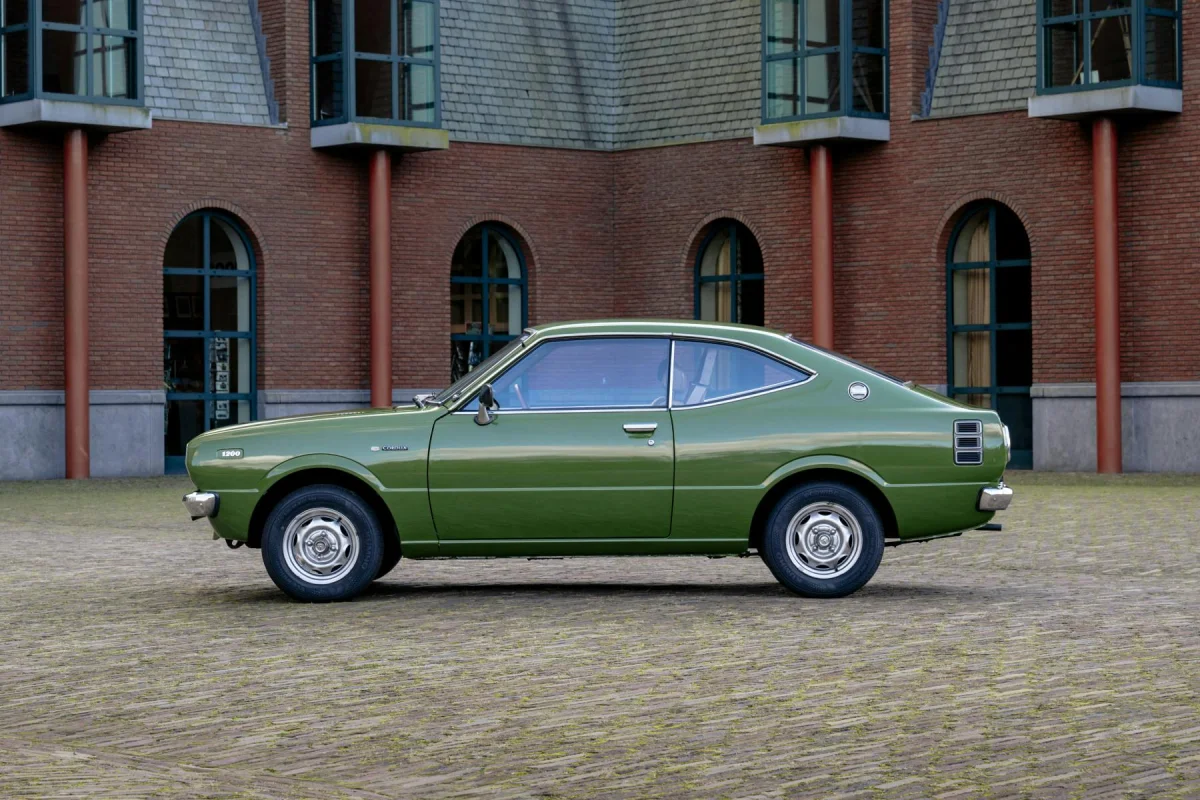
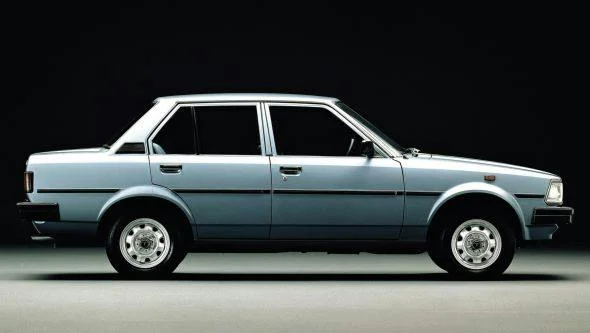
The third generation arrived during an oil crisis and tougher emissions standards. It introduced the Toyota Total Clean System, which is the catalytic converter in plain terms. A wind-tunnel-tested body helped fuel economy, and the lineup spanned a pillarless coupe, hardtop, semi-fastback and liftback. It was also the safest Corolla yet, with crumple zones and emergency locking seatbelts. Sales reached 3.75 million, and exports topped 300,000 a year. Those numbers show how quickly the car became a global default for buyers who wanted something dependable.
The Fan Favorite Arrives
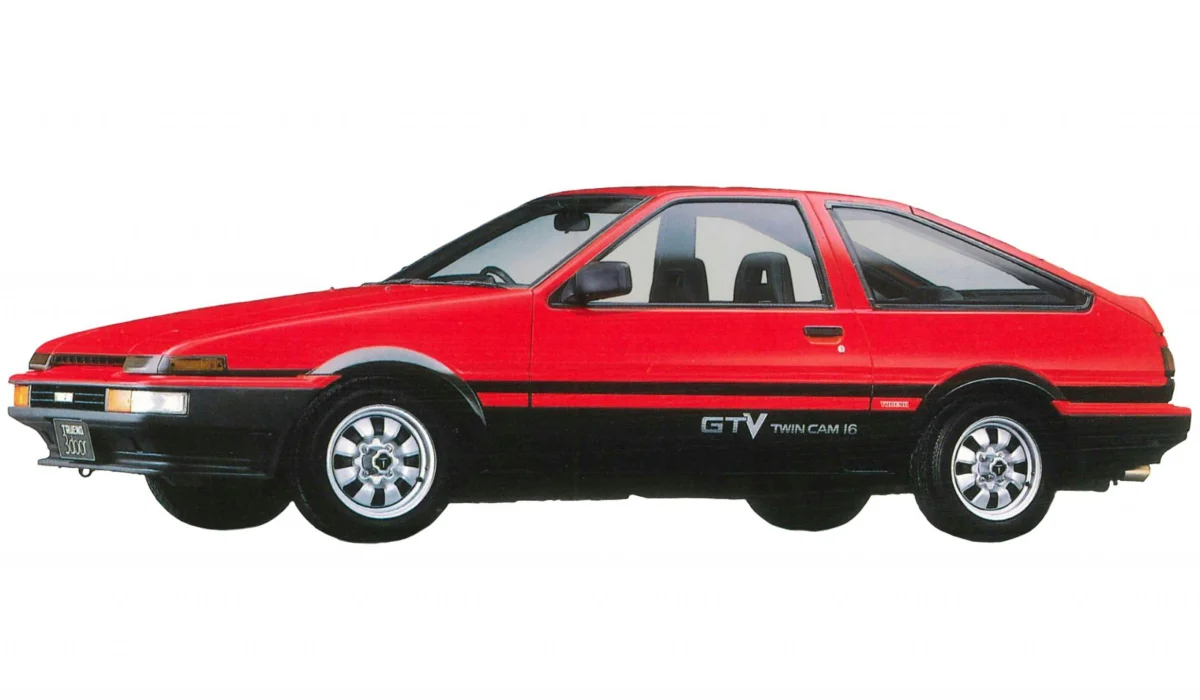
The fifth generation is the one most enthusiasts mean when they talk about the Corolla. While mainstream models switched to front-wheel drive, the AE86 coupe kept a rear-drive layout. It was sold as the Levin and Trueno in Japan and as the GT or GTi in Europe. Its high-revving 1.6-liter double-overhead-cam four made more than 200 hp and reached 60 mph in roughly eight seconds. A limited-slip differential was available, which made it a natural fit for touge tofu delivery drivers. The Hachi-Roku later became a fixture of Initial D and helped seed the modern drift scene. Meanwhile, the everyday versions gained computer-aided design, power steering, central locking and electric windows.
Going Global and Going Up Market
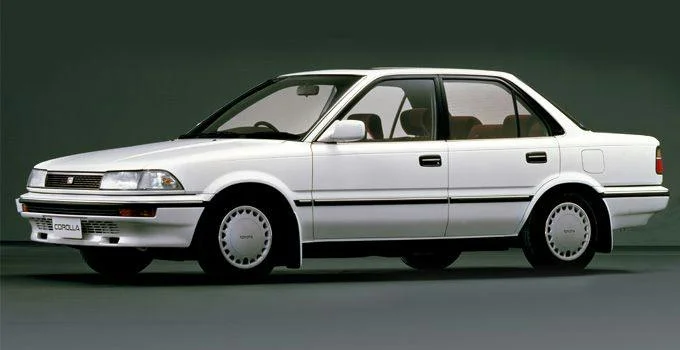
All-wheel drive arrived with the sixth generation, alongside a wider, softer design across sedans, a coupe, hatchbacks, a wagon and a van. Buyers could choose from six gasoline engines and one diesel, with outputs from roughly 60 to 140 hp.
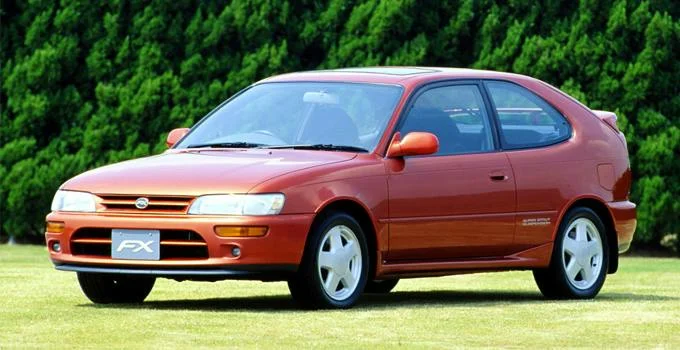
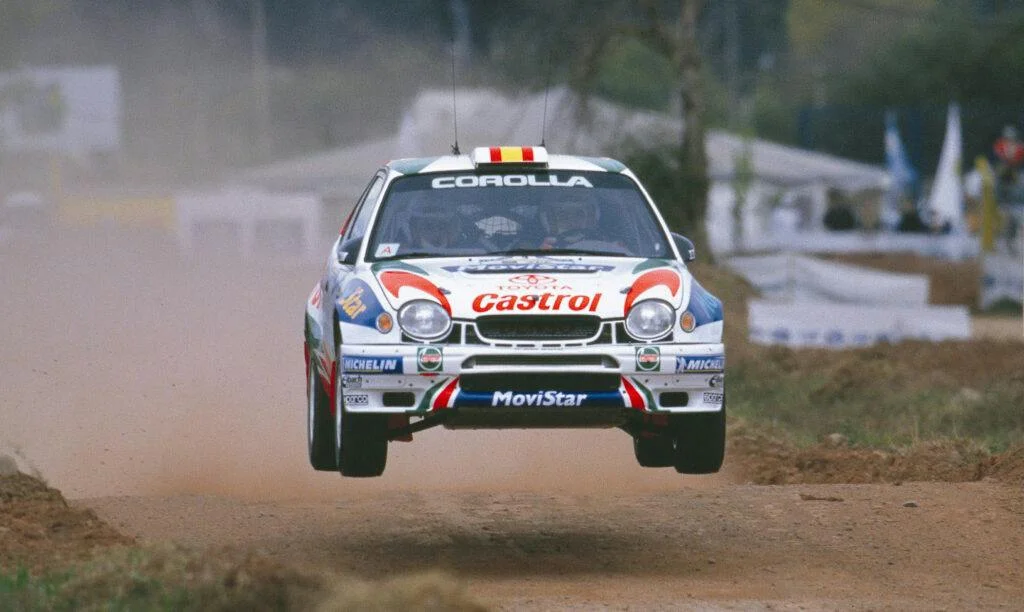
The seventh generation drew on Lexus, which had joined the Toyota portfolio in 1989. The Corolla grew in every dimension and gained better refinement and a driver's airbag as standard. Toyota also began integrating its suspension and powertrain teams, aiming for a more cohesive drive that could compete with European rivals. The eighth generation brought a model developed specifically for Europe and built there, with high-tensile steel for rigidity and lower weight. That car also took Toyota to the 1999 World Rally Championship title in a wild, turbocharged, all-wheel-drive, wide-bodied form.
Platform Reset and the Auris Detour
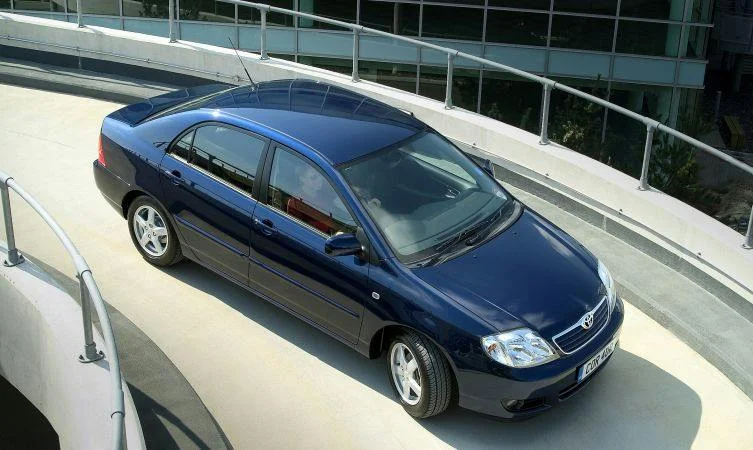
The 2000 all-new platform, E120, targeted younger buyers, with European-penned styling and aero-focused details like flush glass. The U.S. got a larger E130. Optitron instruments, borrowed from Lexus, and VVT-i variable valve timing gave the gasoline engines a boost. An MPV, the Corolla Verso, joined the range.
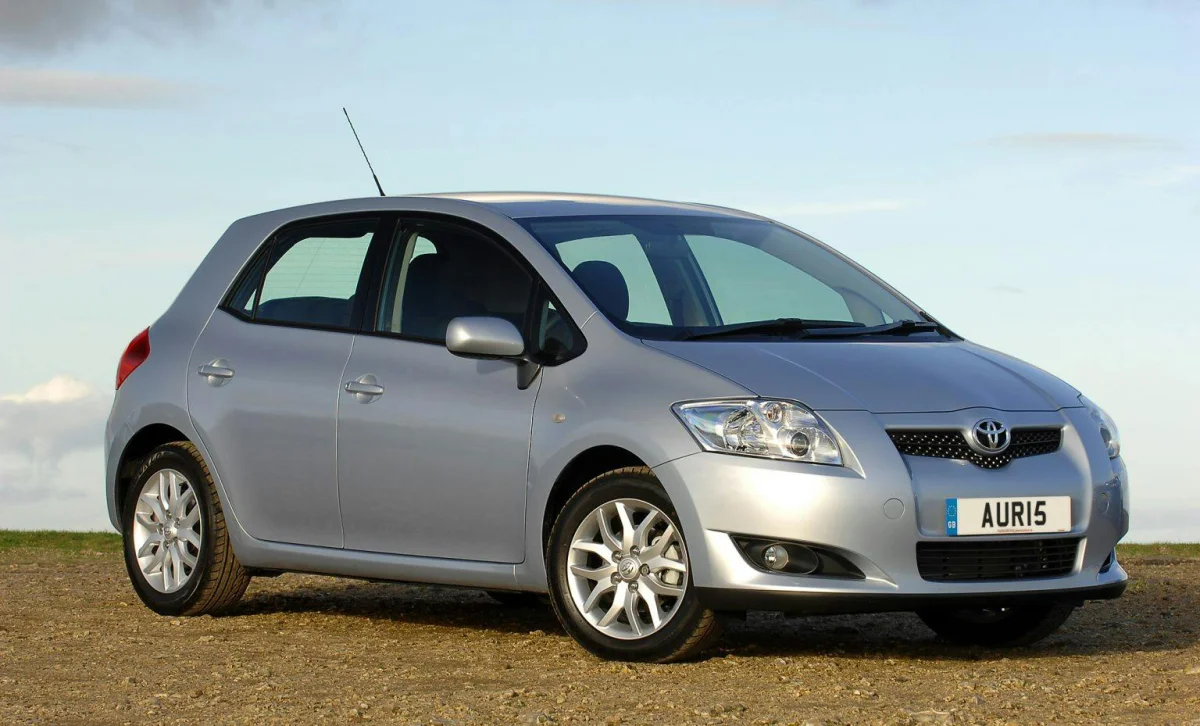
Then came the tenth generation, which was sold as the Auris in Japan, Europe and Australia. It was a real break from the badge, but it also brought the first Corolla hybrid, using a Prius-style powertrain. As before, the American version was larger than its counterparts elsewhere.
The Name Comes Back
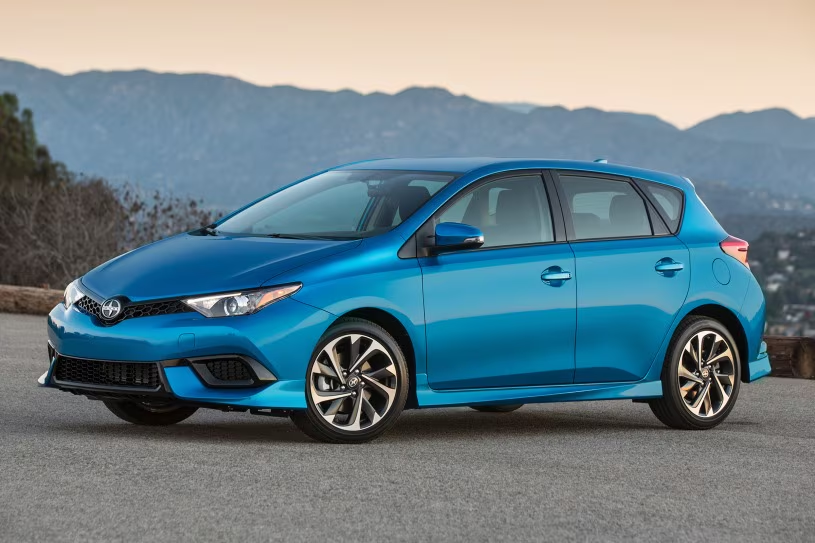
The next full redesign kept the Auris name in most markets outside the U.S. Toyota shifted its focus back to driver feedback, refining powertrains and suspension, cutting weight and sharpening aerodynamics. In America, the larger car reached showrooms as the Scion iM, later the Corolla iM, while the European version came stateside with a bodykit and lowered suspension.
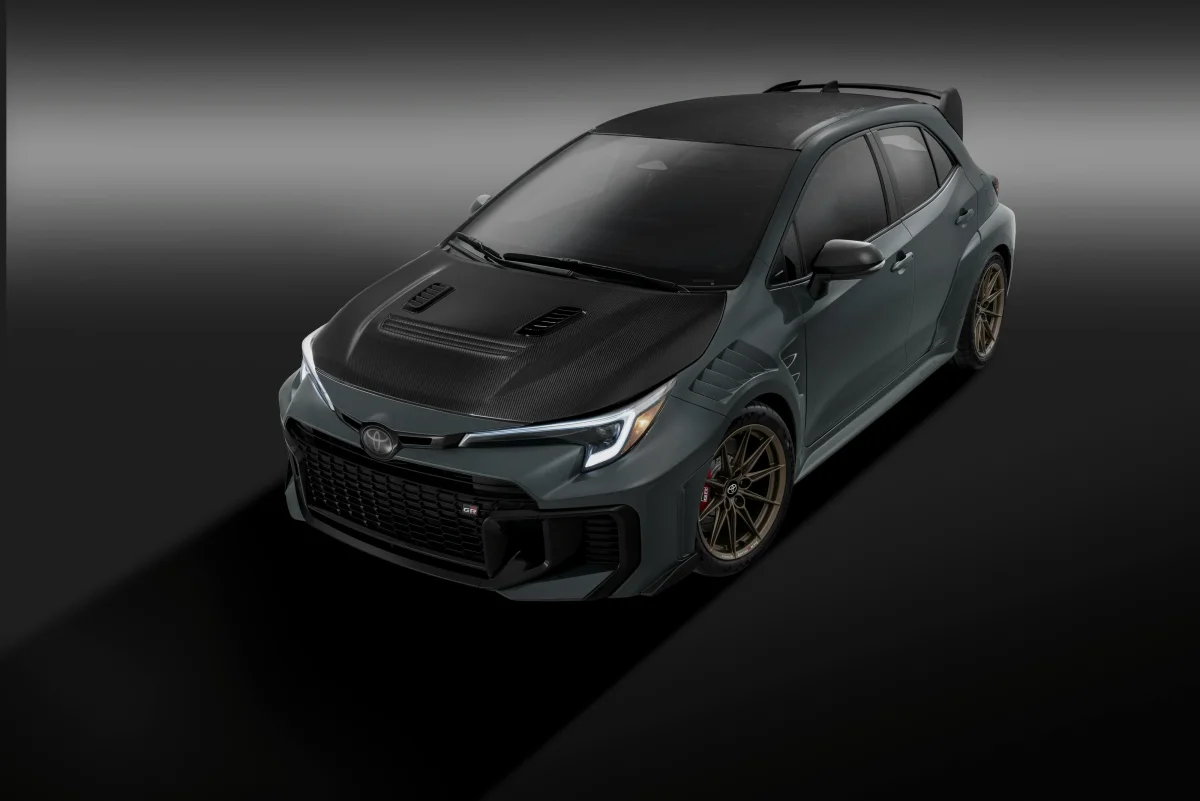
In 2019, Toyota finally restored the Corolla name worldwide. The car was built on the Toyota New Global Architecture, with a lower center of gravity and stiffer body. Hybrid options joined the lineup, and Gazoo Racing took the car further. The GR Corolla, with 300 hp, is the most potent Corolla built to date, and it's a serious tool for both road and track.
What Comes Next
The 13th-generation Corolla is due in 2028, and nobody can say for sure what it will look like. Hybrid, plug-in hybrid and fully electric versions all look plausible given the current range. The open question is whether Toyota will keep a pure combustion model. My read is that the company will keep a broad mix of powertrains, since that's how the Corolla has always worked: one badge that covers a lot of different buyers. We'll know soon enough.