1969 Camaro Z28 Restomod: A Finish Carpenter's Eye for Detail
- Cargo
- Electric Vehicles
- Shipped
- Shipper
- Paul Stenquist
- Readers
- 658
A Michigan builder's 1969 Camaro Z28 restomod pairs a 650-hp supercharged LT4 with flush-fit bodywork and a Detroit Speed chassis.
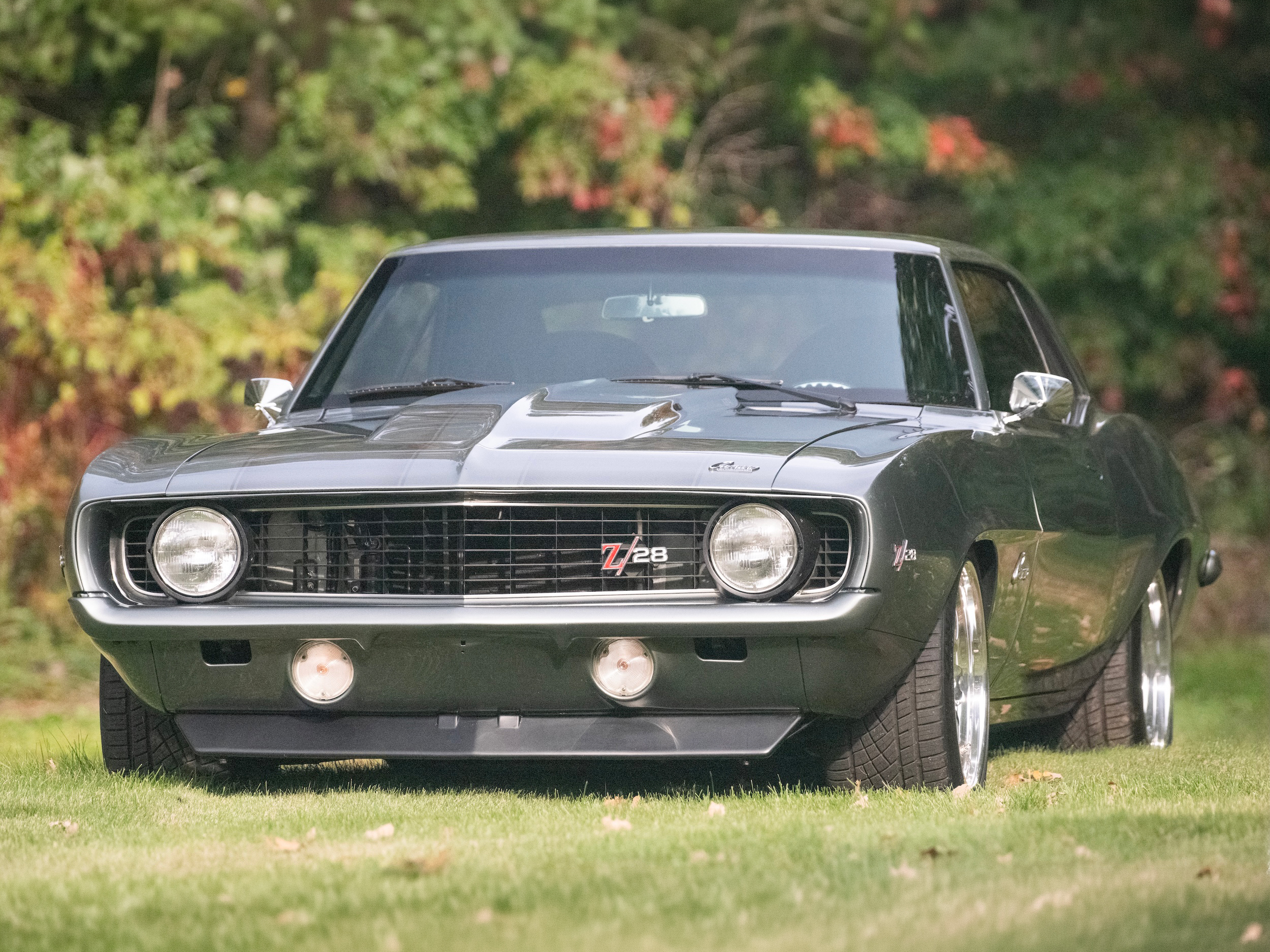
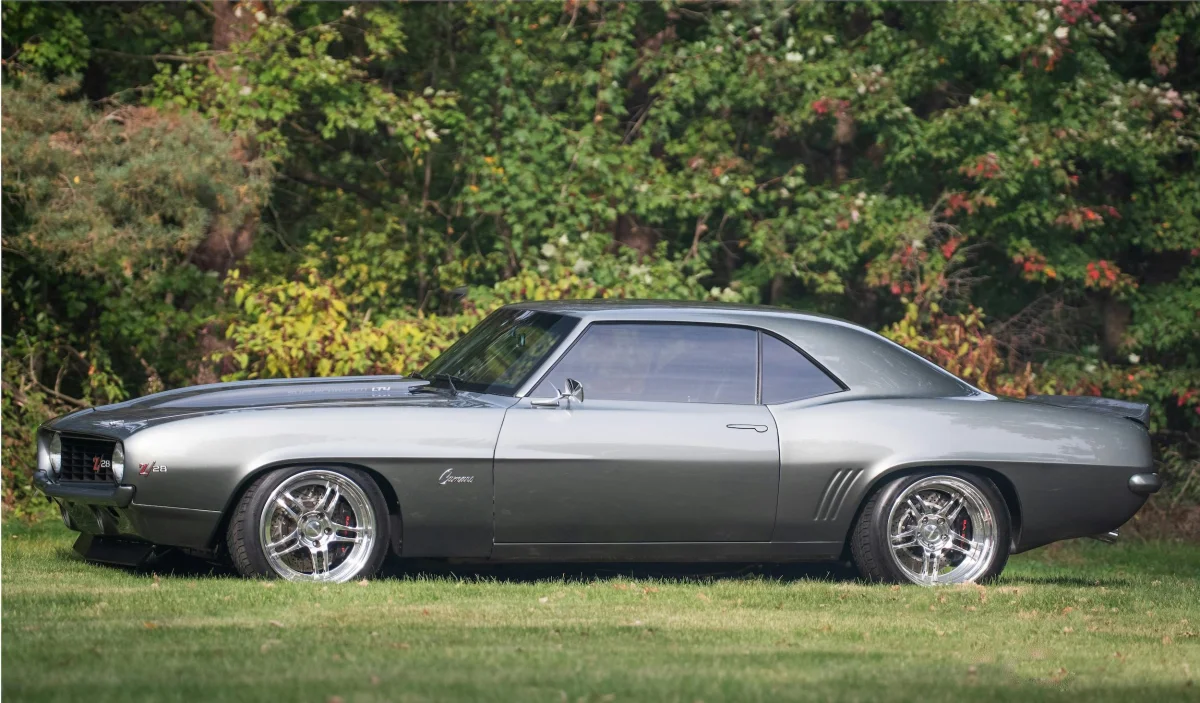
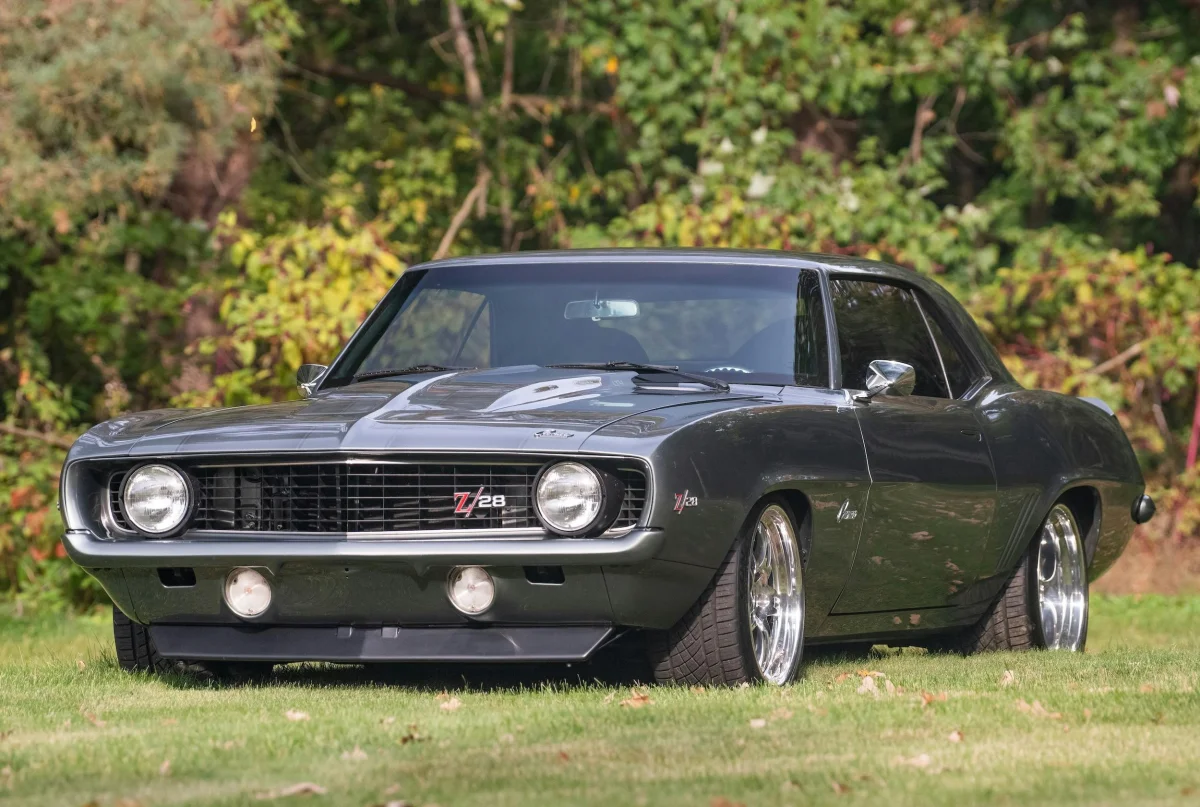
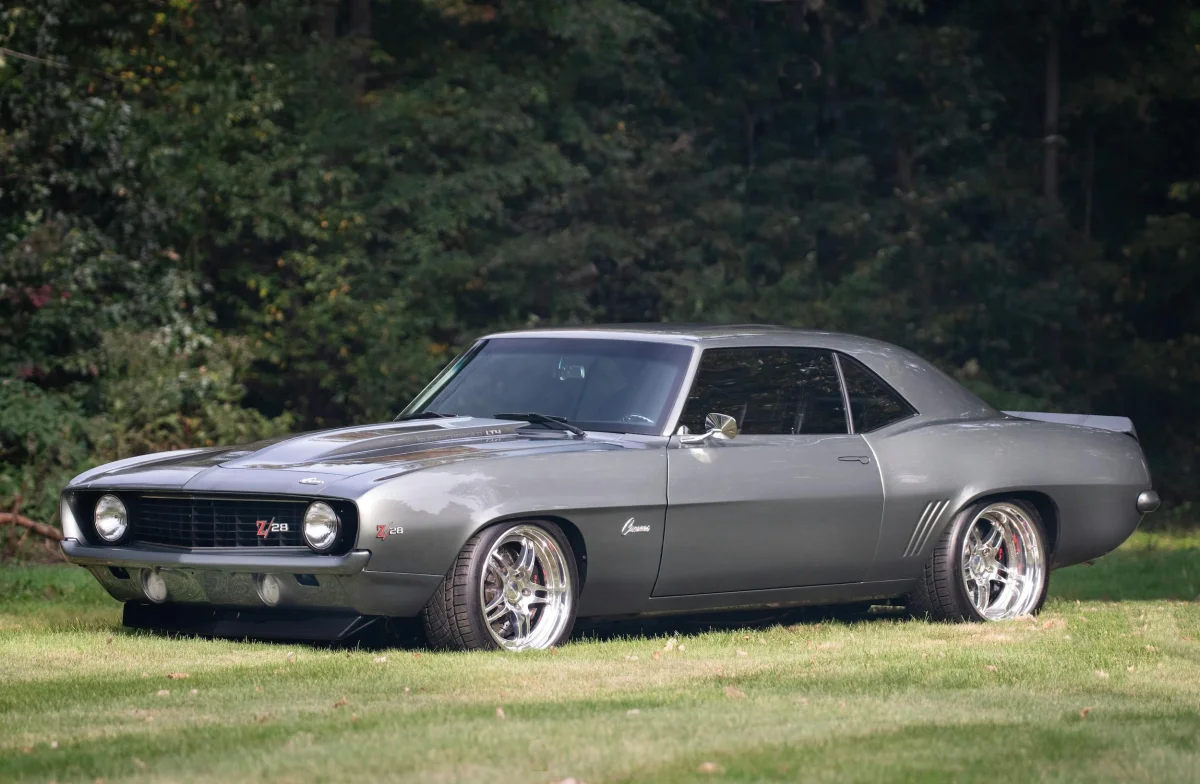
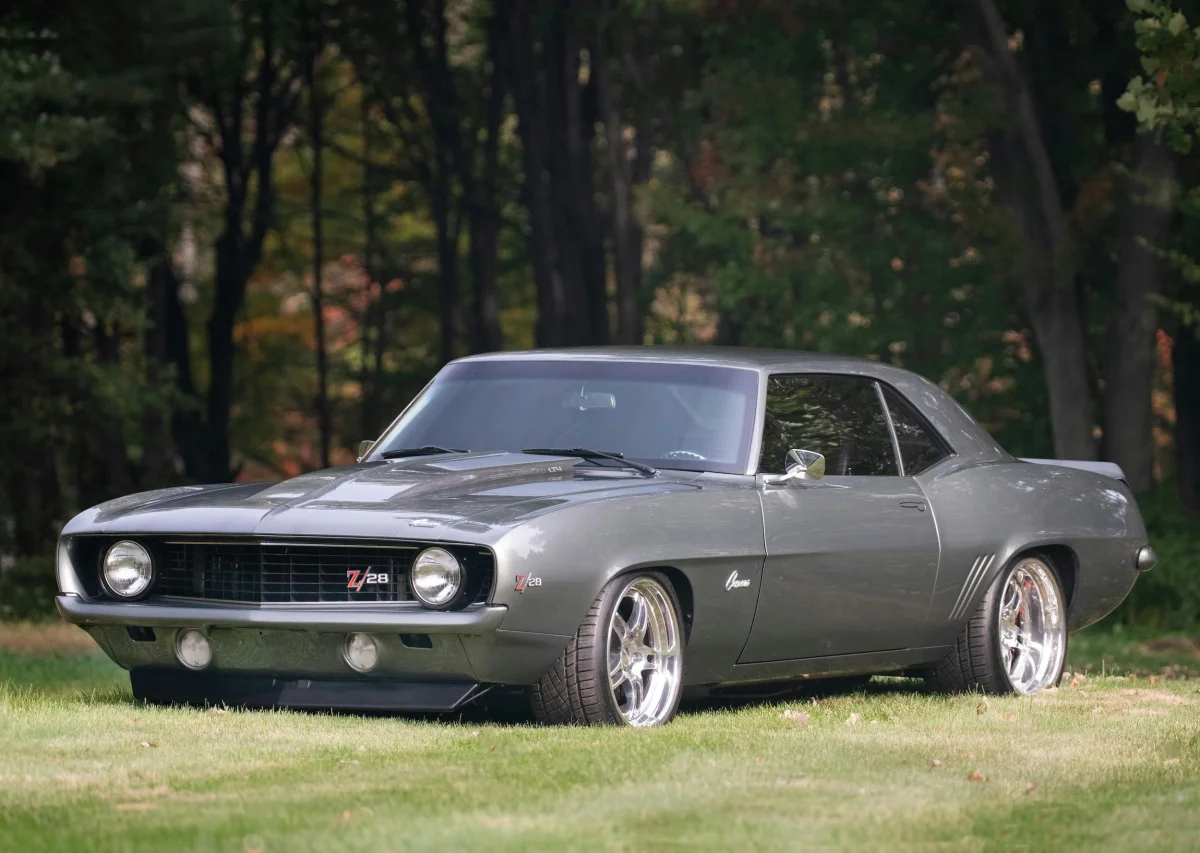
Most restomods announce themselves with wide stances, loud colors, and a blower poking through the hood. This one doesn't. Frank Young's 1969 Camaro Z28 is dressed in shades of grey, with clean flanks and very little brightwork, and it makes its case through fit and finish. Once you see how the body panels, glass, and bumpers meet, it's clear the build owes more to a finish carpenter's habits than to a typical muscle car shop.
A carpenter's standards on four wheels
Young spent years building high-end custom homes, starting on a framing crew and later supervising the entire construction process. He eventually took over the finishing work, which is the stage where every seam and trim line becomes visible. That background explains a lot about this car. As Young puts it, the framers set the foundation for quality, and the finish carpenter is the one whose work everyone sees. Those are the same instincts he applied to the Camaro.
Young is largely retired from construction now, but he still runs a well-equipped auto restoration shop in Fort Gratiot, Michigan. His childhood friend Jim Fraser works with him most days. The two played hockey together as kids and have stayed close for nearly 70 years.
Starting over from a good car
Young bought the Camaro seven years ago as a nicely restored car. He considered keeping it as it was and simply enjoying it, but he decided it didn't measure up to his standards. So he tore it down to bare metal and sold most of the parts. Friends weren't happy about it. "It wasn't the car I wanted," he says.
Very little of the original car survived the process. He kept some of the sheetmetal, and even that needed work. Rusty sections of the floor had been patched previously, so Young cut out the entire interior and trunk floors and replaced them. That's a far more involved job than most owners would take on, and it's the foundation for everything that follows.
Bumpers, glass, and the hardware that disappeared
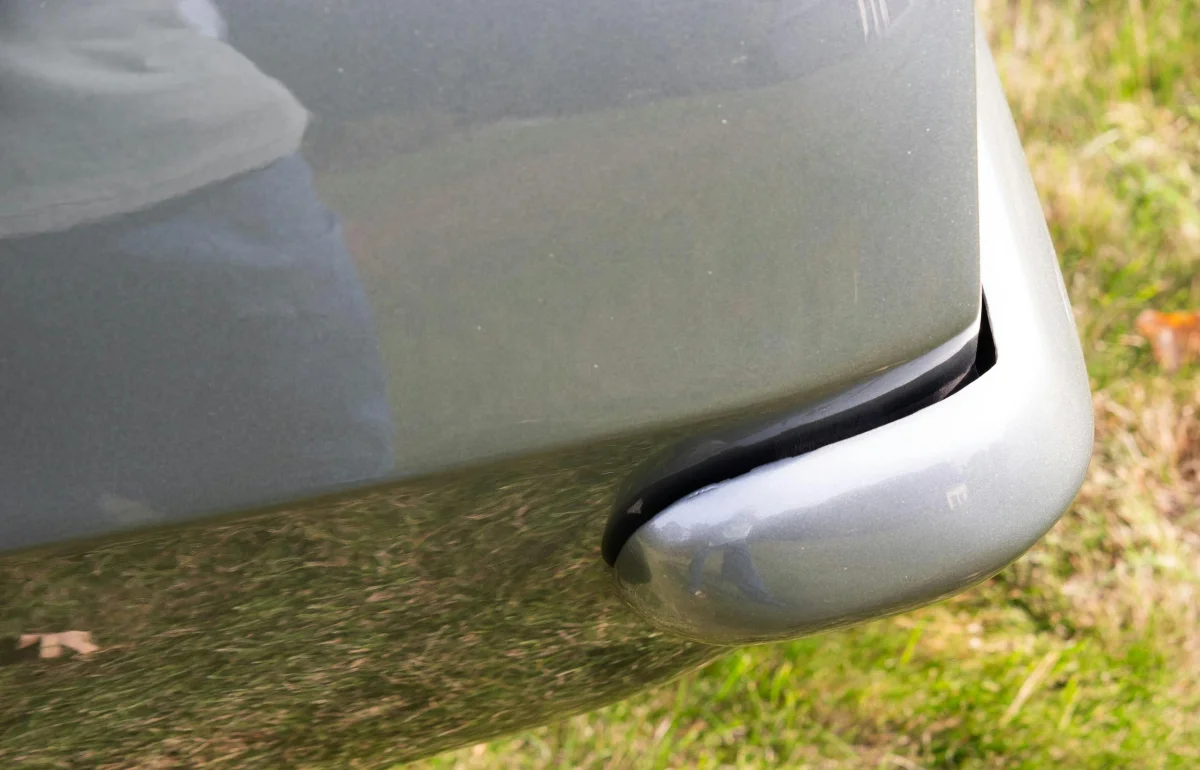
The bodywork is where the carpentry philosophy shows most clearly. Young removed both bumpers, stripped the chrome, cut each one in half, and rewelded them so they wrap snugly around the body. Mounting brackets were welded to the inside of the bumpers, which removed the visible hardware and allowed a flush fit. The result is a bumper line that looks like part of the body rather than something bolted on.
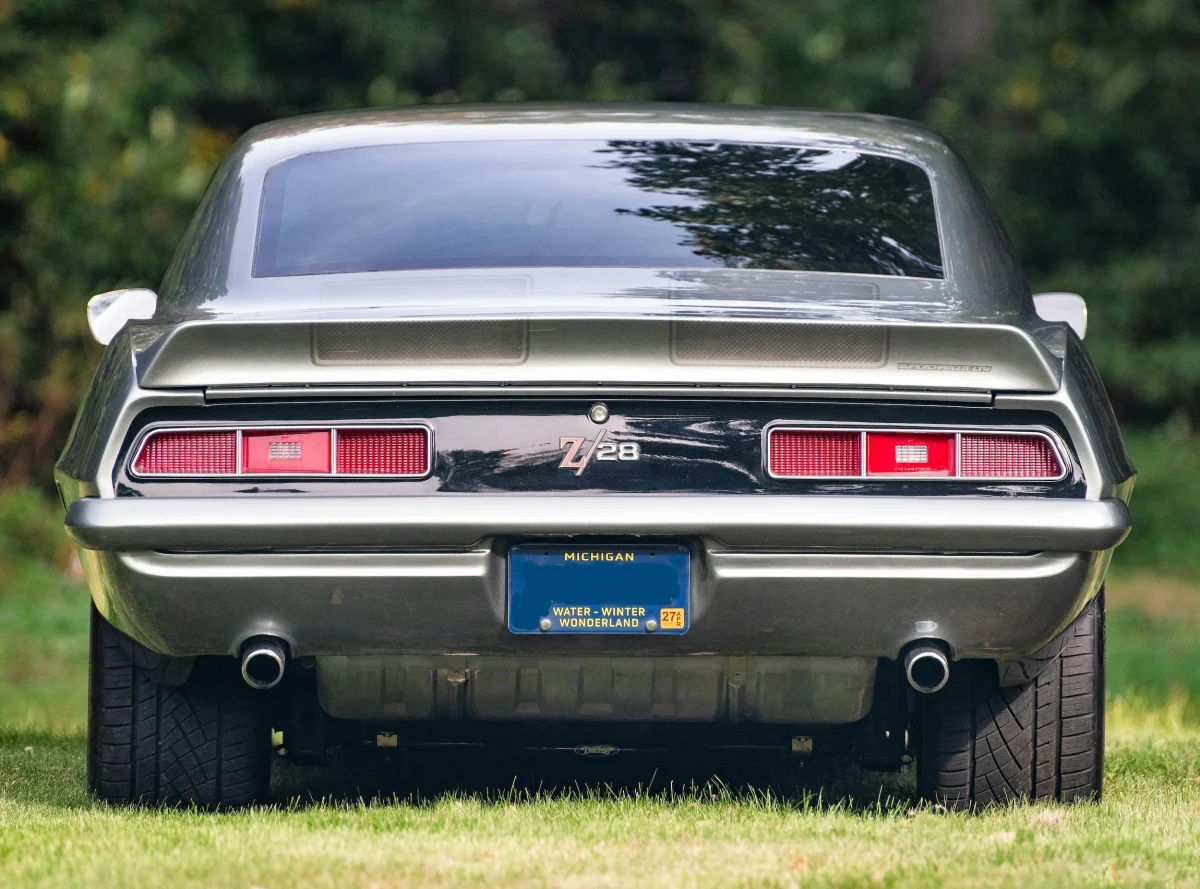
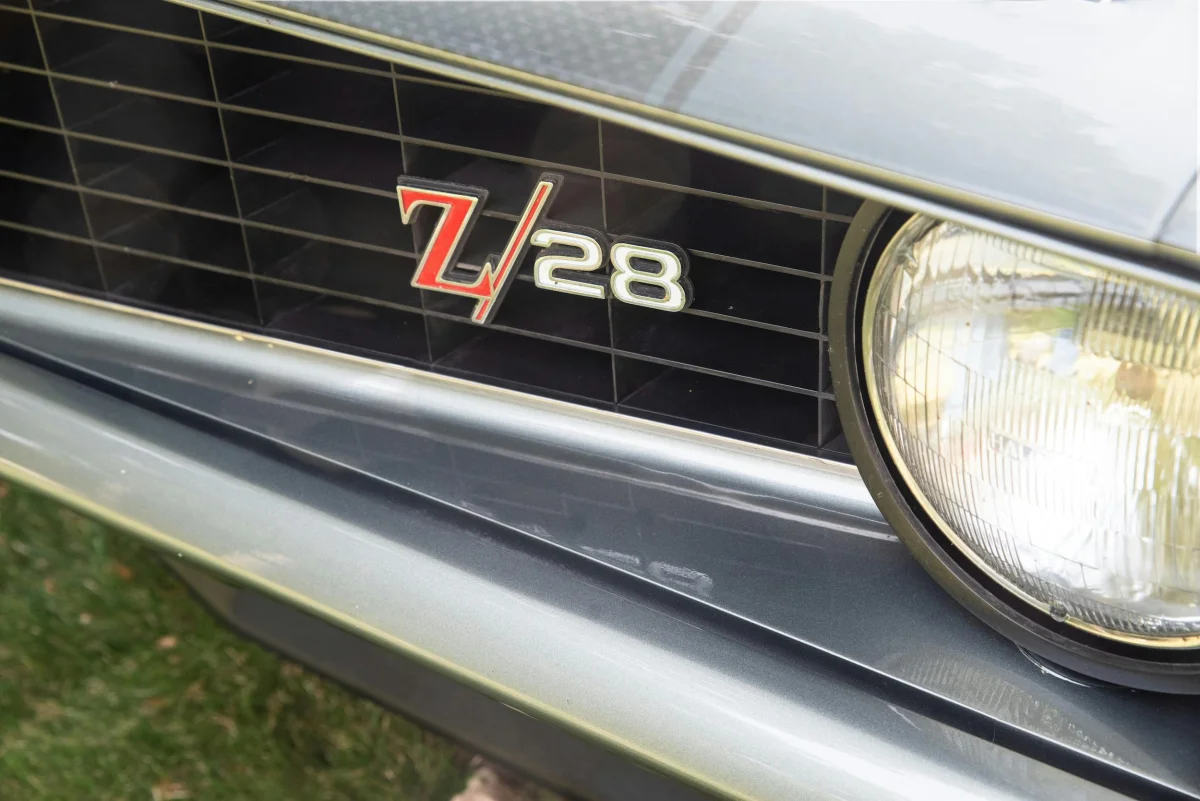
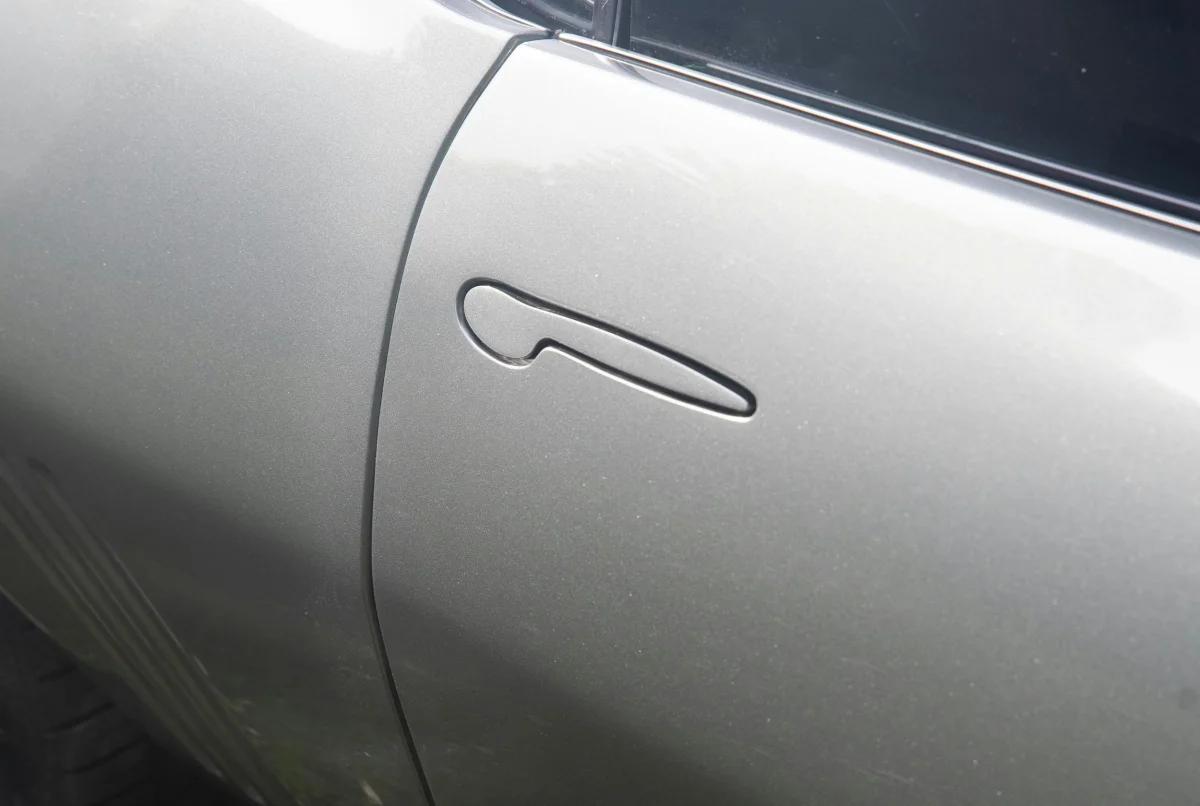
Glass was handled the same way. Young ordered oversize pieces for the windshield and rear window and installed them without the chrome trim that frames the factory glass. The two pieces cost $1,400. He also removed the side marker lights front and rear, along with the door handles and locks. Flush-mounted handles replaced them. You push in on one end and pull on the other to open the door, and Young manages it easily with one hand.
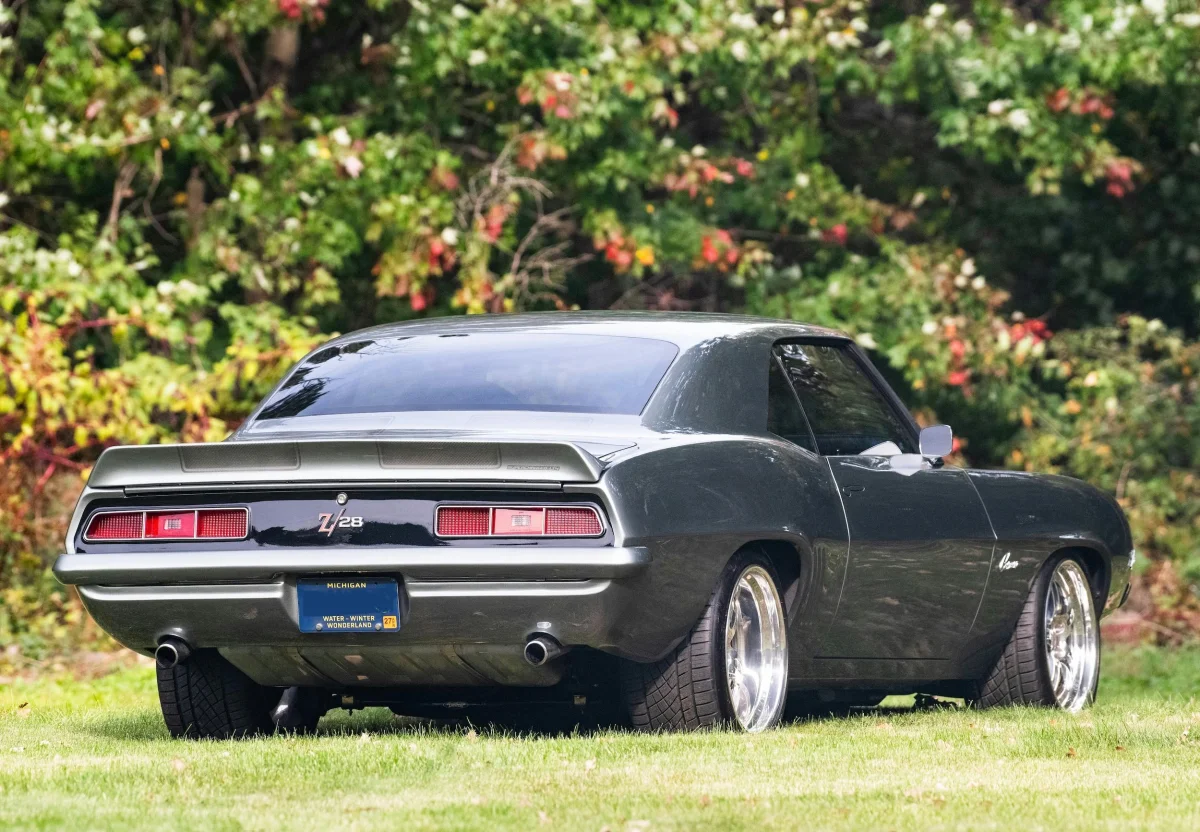
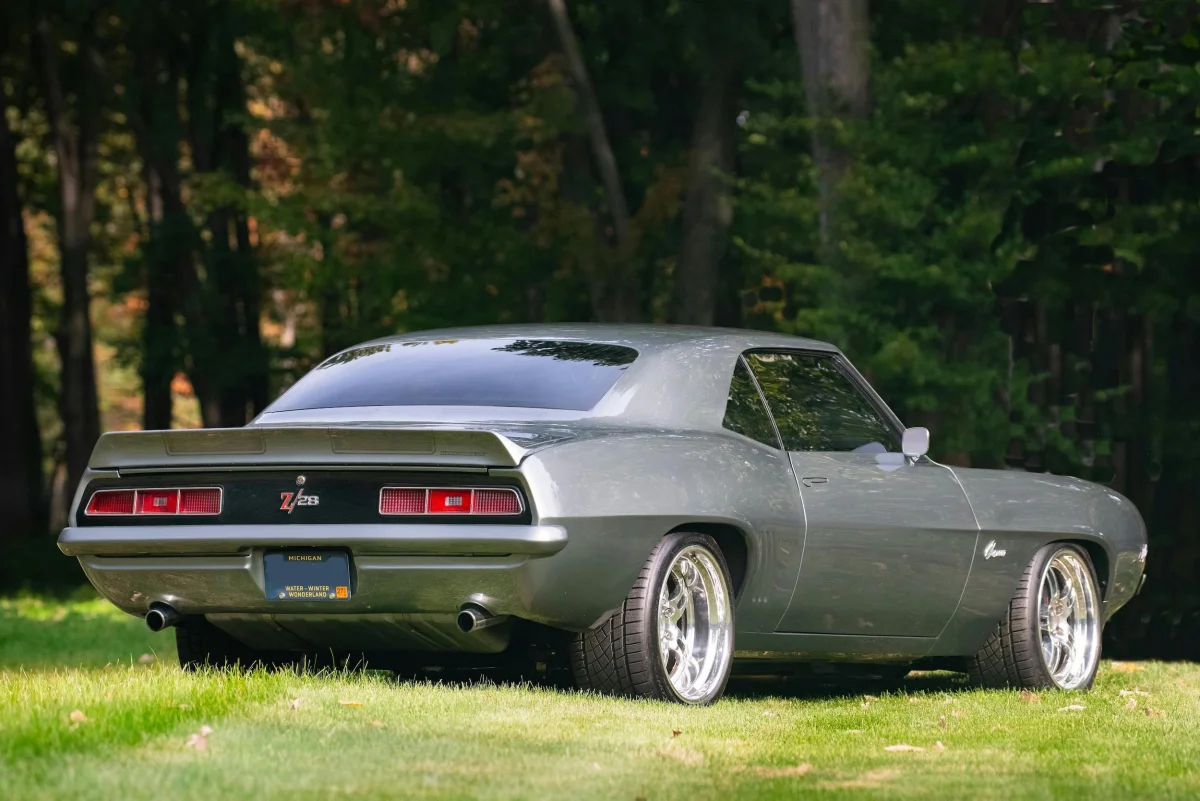
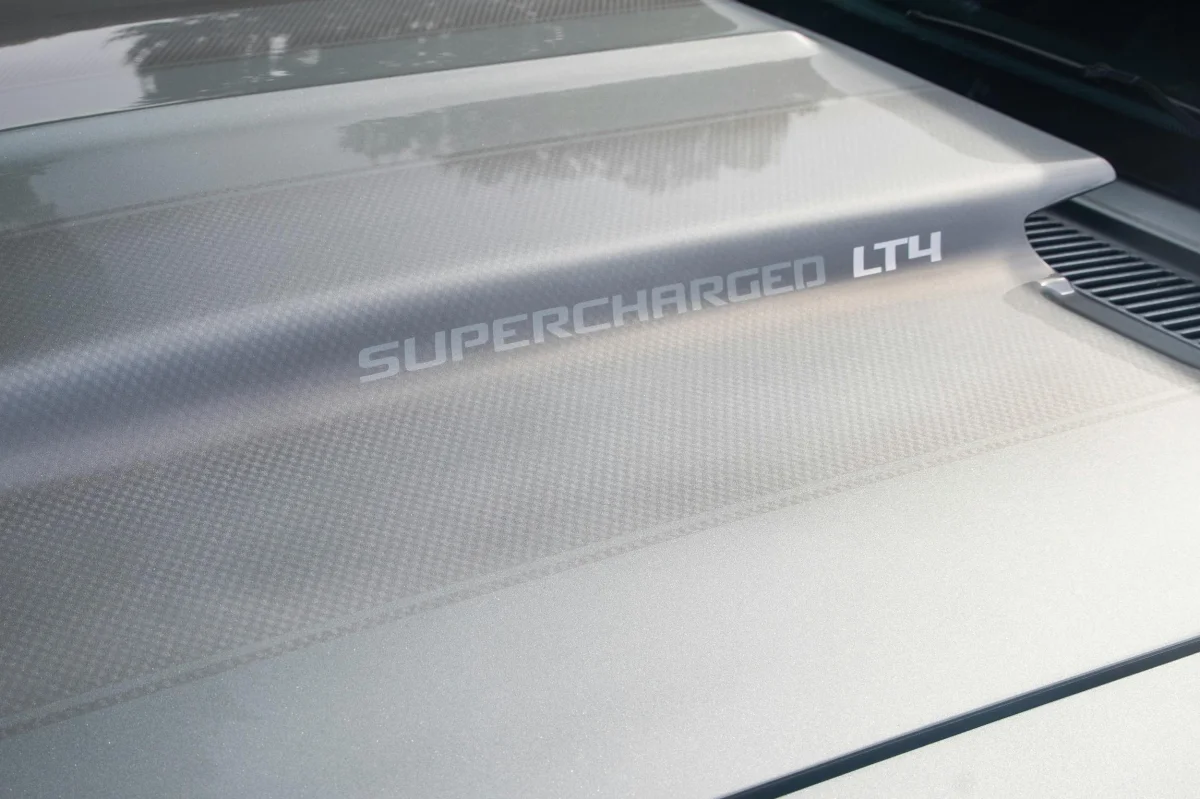
The stripes got the same treatment. The classic Z28 striping looked too loud for Young's subdued direction, so he had a patterned stripe in a slightly darker grey sprayed over the finish instead. The paint is Hypersonic Grey, a color GM has used on Corvette, applied by Gordie Wilton, and it has a mirror-like finish.
Chassis: new from the ground up
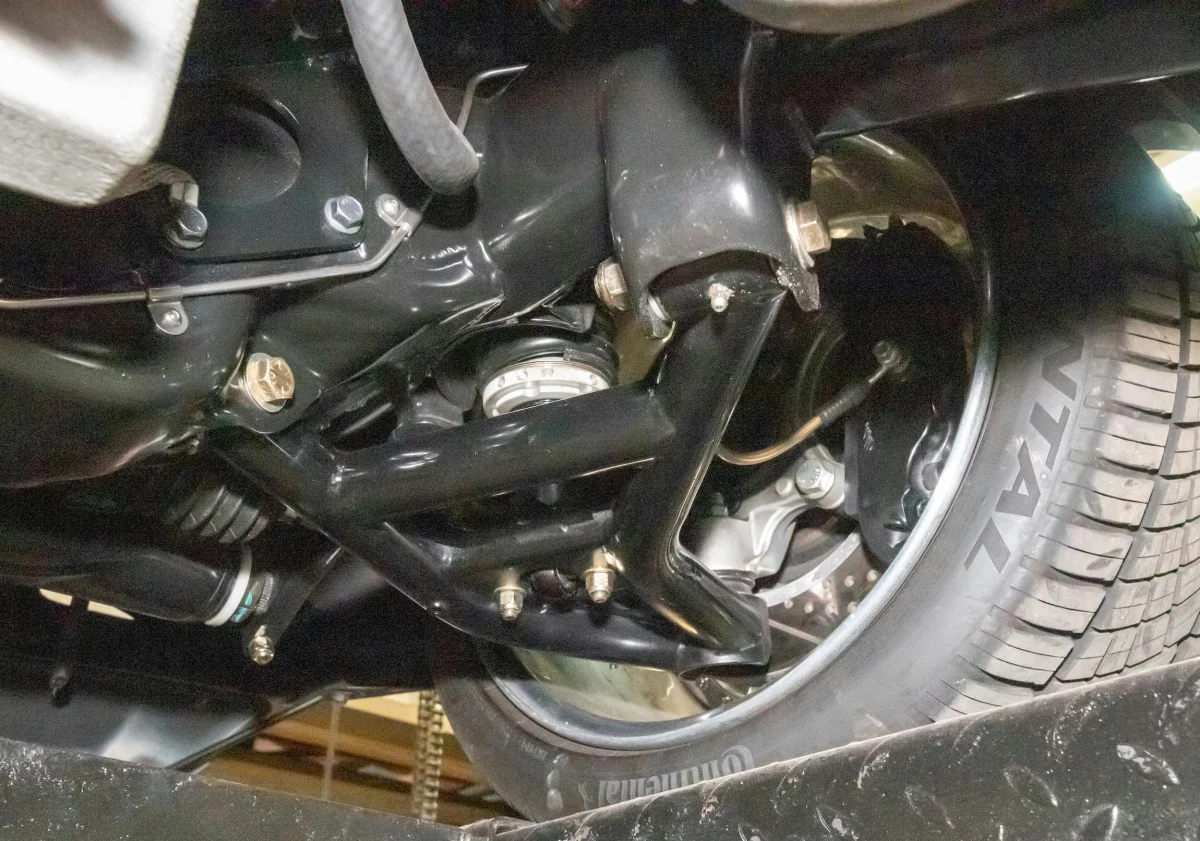
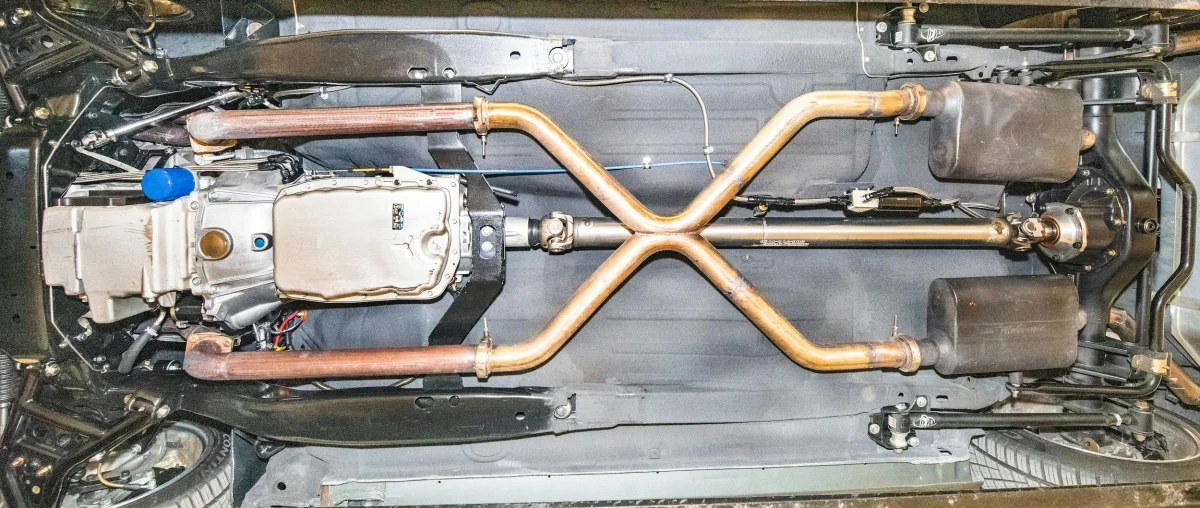
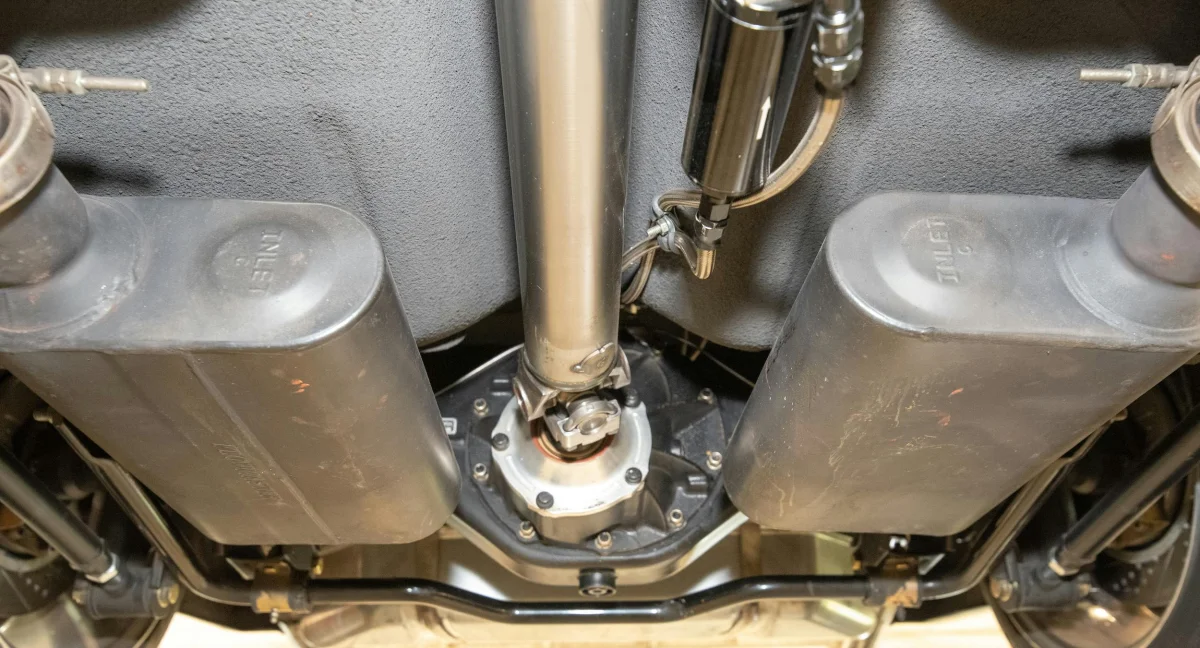
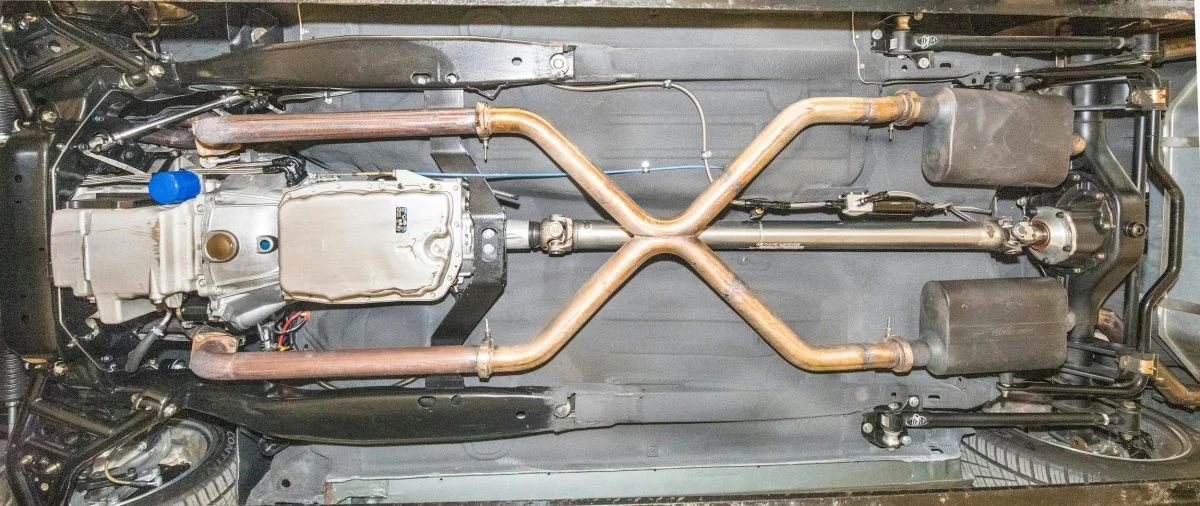
The running gear is entirely new, sourced from Detroit Speed. The front uses a subframe with tubular steel control arms and coil-over shocks. The rear hangs a Ford 9-inch third member, with a 3.73:1 ratio, from a four-link suspension with coil-over shocks and a stout sway bar to control body roll. Rigid steel frame connectors tie the front subframe to the rear suspension through the unibody, which limits flex. A mini-tub kit from the same supplier allows the wide tires to fit.
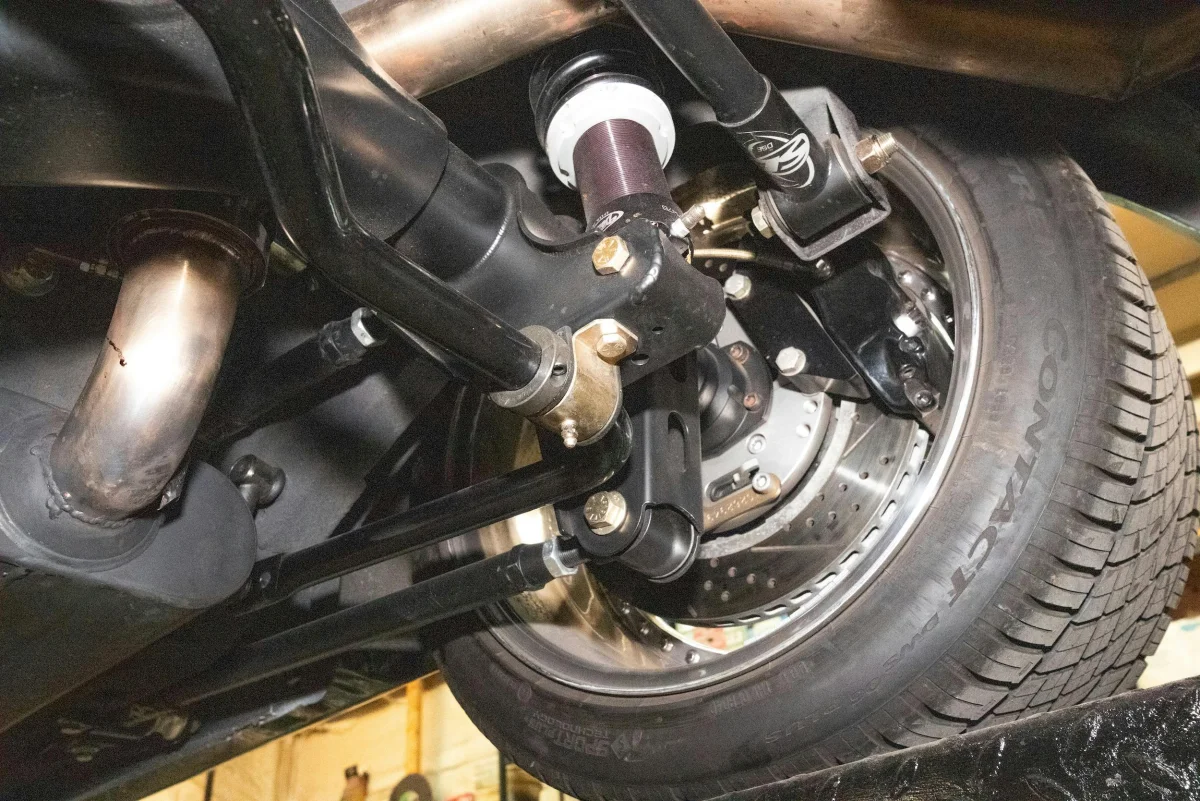
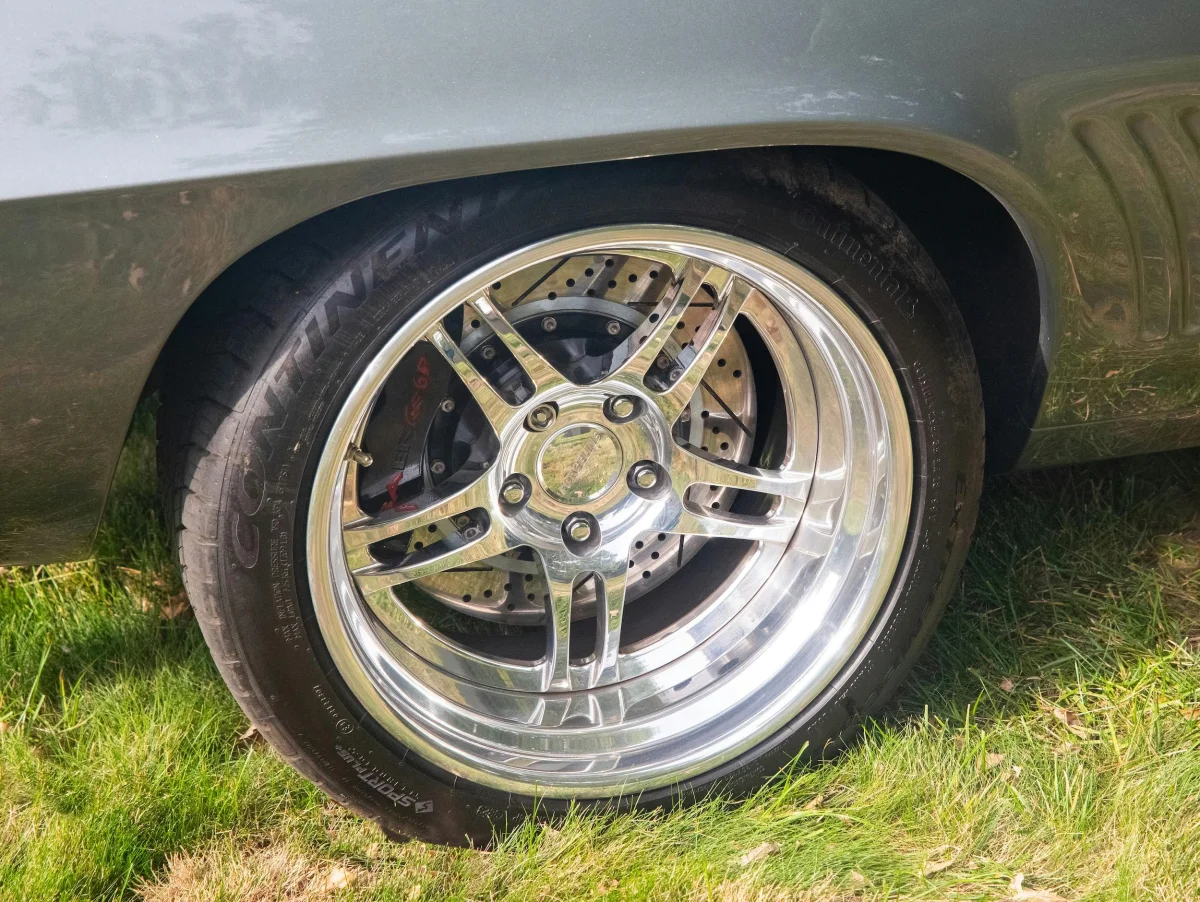
Forgeline polished aluminum wheels measure 18 inches all around. Continental Sport Plus tires are 295/35ZR18 at the rear, with a 10-inch tread width, and 275/35ZR18 at the front, measuring 9.4 inches across the tread. That's a lot of rubber for a car with such a restrained body, and the contrast works. The subtle exterior is paired with an aggressive stance where it counts.
Power from a supercharged LT4
The engine is a Chevrolet LT4 crate motor, a 6.2-liter supercharged small-block V-8. GM rates it at 650 horsepower at 6,400 rpm and 650 lb-ft of torque at 3,600 rpm. The block and heads are aluminum, and the rotating assembly includes a forged-steel crank, forged powdered-metal rods, and forged aluminum pistons. An Eaton supercharger produces more than 9 psi of boost, and the static compression ratio is 10:1. Like most GM crate engines, it arrives with its wiring harness and control unit, which simplifies the installation.
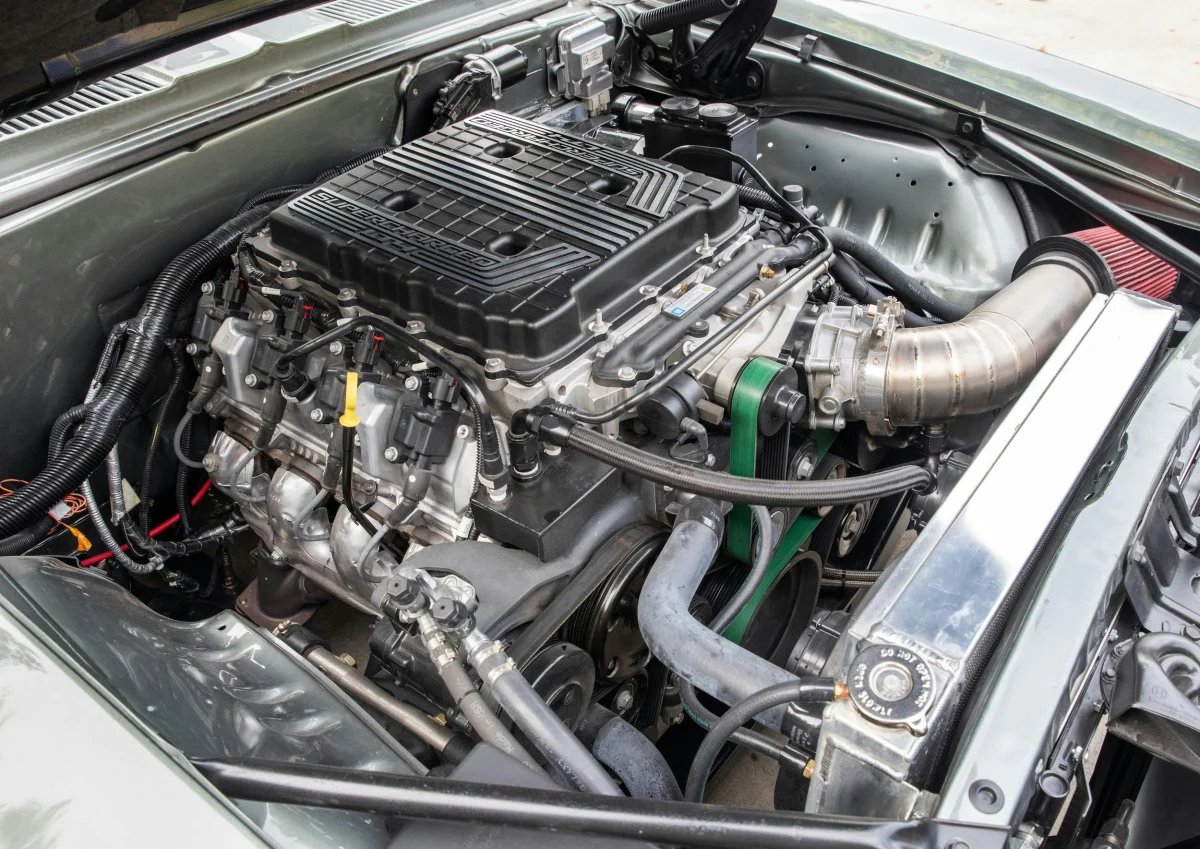
Power goes to GM's heavy-duty Hydra-Matic 6L90 six-speed automatic. For context, that same engine family powers the 2024 Camaro ZL1, so the driveline has modern credentials even in a car that's 57 years old. The gap between the two is mostly in the details. The ZL1 is a current production car, while this one is a custom build that uses a modern powertrain inside a classic body.
Inside: grey, analog, and climate control
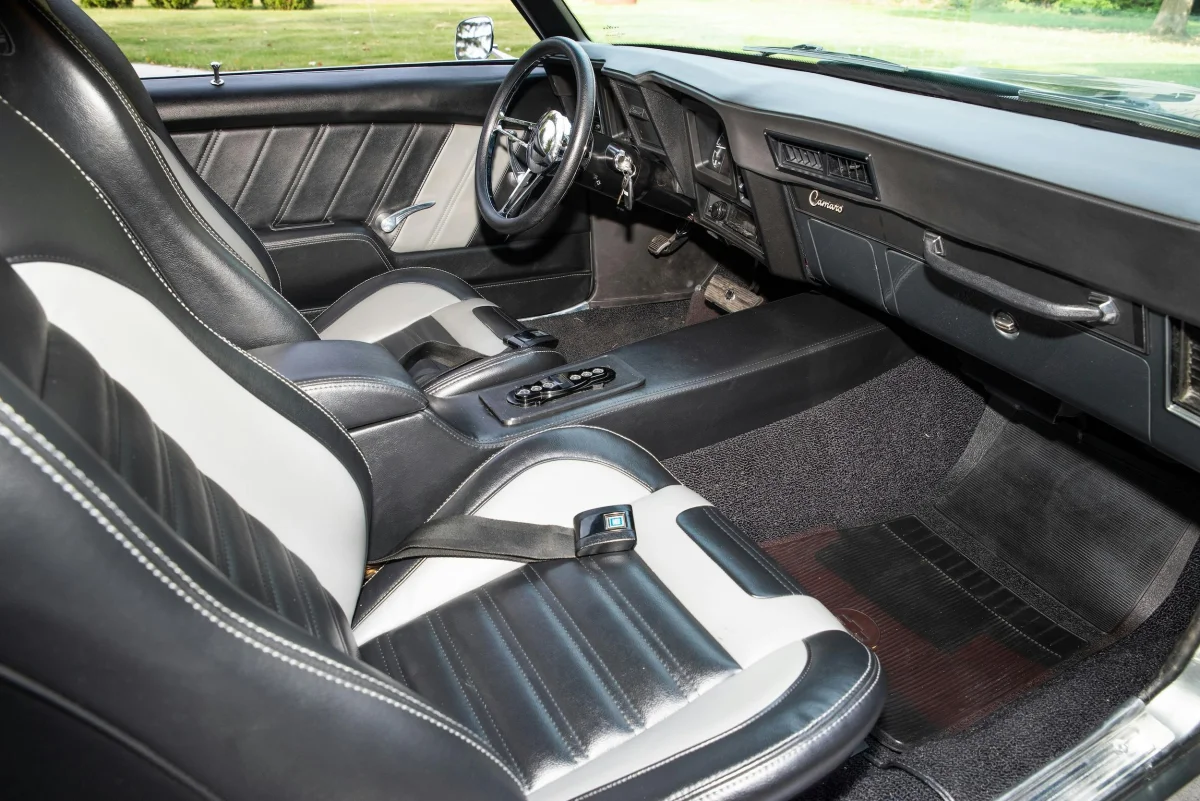
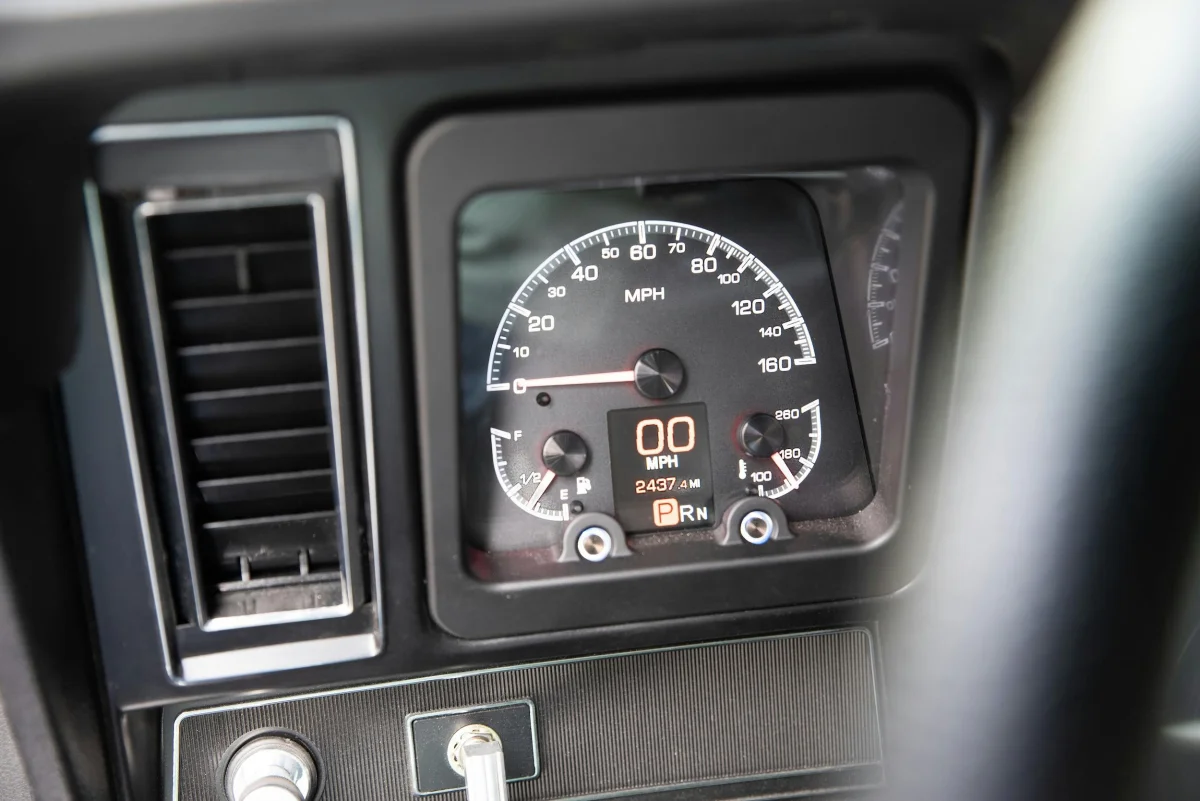
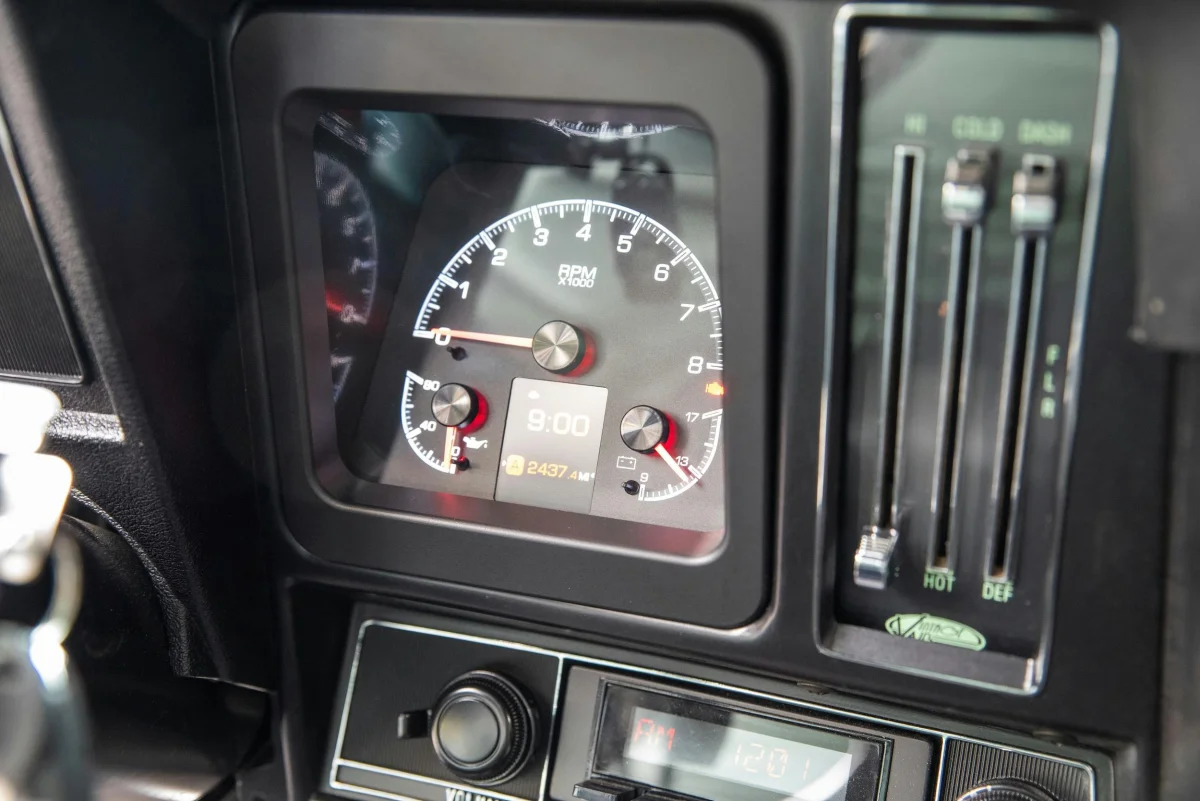
The interior follows the exterior's grey palette and was built to Young's specifications. A center console houses electronic transmission controls, which is one of the few obvious modern touches. Dakota Digital analog gauges sit in a dash that still looks stock from the driver's seat. A Vintage A/C system pushes cool air through the car's original vents, so the cabin keeps its factory character while still being comfortable in traffic.
Why it works
Plenty of builds chase horsepower numbers first and fit later. This one reverses that order. The flush glass, the bumpers that hug the body, the hidden door hardware, and the mirror-like paint all reinforce each other. Nothing interrupts the lines, which is the point. Young's Camaro doesn't shout for attention the way a louder build might, but it holds up to a close look in a way many restomods don't.
For buyers and enthusiasts watching the restomod market, this car is a useful reference point. The mechanical package is well documented and built from familiar parts, including the Detroit Speed chassis, Ford 9-inch rear, and GM crate V-8. What separates it is the body work, and that's the part that takes the most time and skill to replicate. If you're considering a similar build, that's where the real effort, and the real cost, will sit.